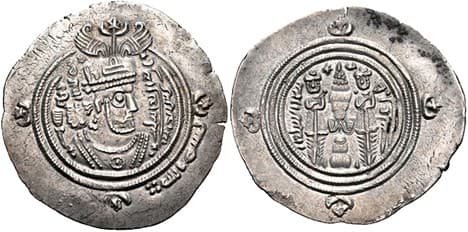

Yazīd was born in 646 in Syria, at the height of the formation of a new empire. His father was Muʿāwiya ibn Abī Sufyān, the powerful governor who laid the foundations of Umayyad greatness, and his mother was Maysūn of the Banū Kalb tribe. Yazīd’s upbringing was a unique fusion of two worlds: part of the year he spent amid the harsh sands of the desert among his mother’s Bedouins, absorbing the ancient traditions of Arab valor, and the rest of the time in luxurious Damascus, surrounded by Greek and Syrian intellectuals.

The young prince was not merely a “palace child.” He actively participated in state affairs, led campaigns against Byzantium, took part in the bold siege of Constantinople in 670, and performed the ḥajj on several occasions. However, his lifestyle his fondness for hunting with cheetahs, music, and, according to rumors, wine already provoked whispers of disapproval among strict guardians of the faith.
In 676, Muʿāwiya took a step that changed the trajectory of the Islamic world: contrary to his agreement with Ḥasan ibn ʿAlī, he officially appointed Yazīd as his heir. This decision was far from unanimous. Influential leaders of the community such as Ḥusayn ibn ʿAlī, ʿAbdullāh ibn al-Zubayr, ʿAbdullāh ibn ʿUmar, and ʿAbd al-Raḥmān ibn Abī Bakr openly opposed it.
Muʿāwiya had to deploy his entire arsenal from subtle diplomacy and generous bribes to direct threats of death to force Mecca and Medina to pledge allegiance to his son. As he lay dying, the aged caliph left Yazīd a prophetic admonition: “Beware of Ḥusayn the people of Iraq will tempt him and then betray him. Be cautious with him; do not spill his blood. But crush Ibn al-Zubayr without mercy if he does not submit.”
Yazīd, willingly or not, violated almost all of his father’s injunctions.
As soon as Yazīd ascended the throne in 680, he demanded immediate allegiance from his opponents. A meeting in Medina with the governor al-Walīd ibn ʿUtba and Marwān ibn al-Ḥakam ended inconclusively: Ḥusayn and Ibn al-Zubayr fled to Mecca under cover of night.
Events unfolded rapidly. Trusting letters from Kufa, Ḥusayn set out for Iraq. Yazīd ordered the new governor of Basra and Kufa, ʿUbaydallāh ibn Ziyād, to act with maximum severity. On October 10, 680, on the dusty sands of Karbalāʾ, Ḥusayn and seventy-two of his supporters were killed by Syrian forces. The Prophet’s family was taken captive, and Ḥusayn’s head was sent to Damascus.


This event inflicted irreparable damage on Yazīd’s reputation. It transformed political opposition into a powerful religious movement and definitively crystallized Shiʿi identity, making Yazīd, in the eyes of millions of Muslims, a symbol of tyranny.
While Iraq plunged into mourning, a new fire flared in the Ḥijāz. ʿAbdullāh ibn al-Zubayr in Mecca rejected Yazīd’s gifts (including a symbolic silver chain) and began openly rallying supporters. Medina, outraged by reports of the caliph’s impious lifestyle, expelled the Umayyads.

Yazīd’s response was punitive. In August 683, a 12,000-strong army under Muslim ibn ʿUqba crushed the Medinans at the Battle of al-Ḥarra. The city was handed over to three days of pillage. The army then marched on Mecca. Command passed to Ḥusayn ibn Numayr, and in September 683 the siege began. It was during this confrontation that the sacred Kaʿba caught fire and suffered damage.
Yazīd’s reign ended as abruptly as it had begun. On November 12, 683, he died at about thirty-eight years of age, leaving the caliphate in a state of complete chaos. His son, Muʿāwiya II, ruled for only a few months before illness or abdication brought the Sufyānid line to an end. Power passed to the Marwānids.


