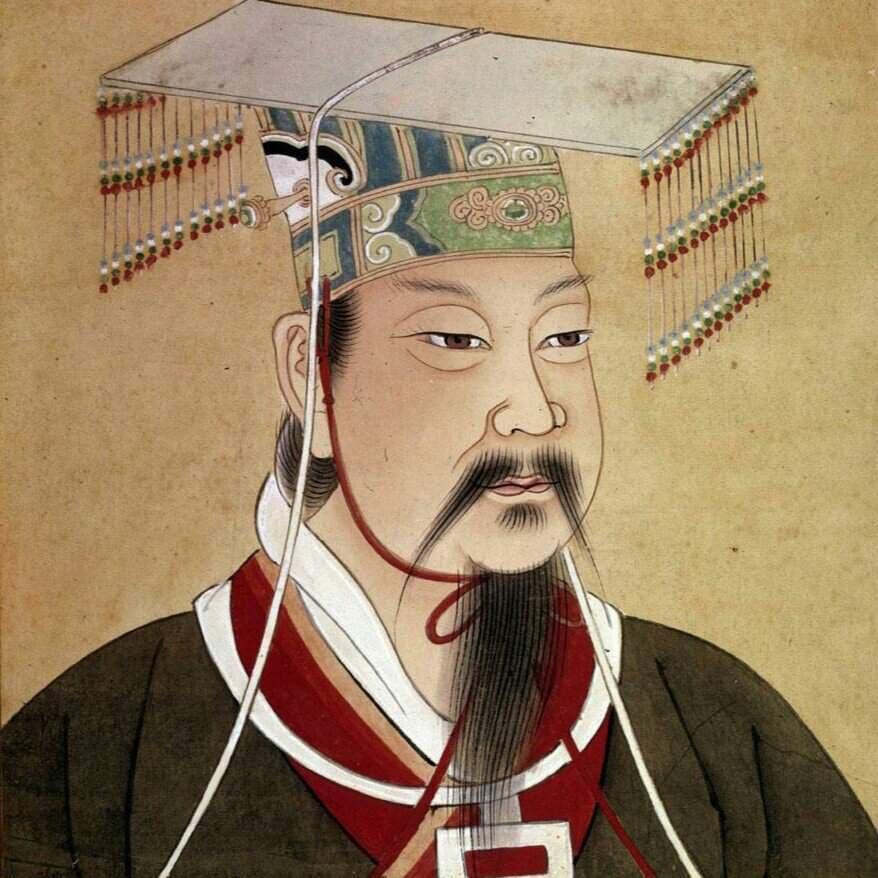
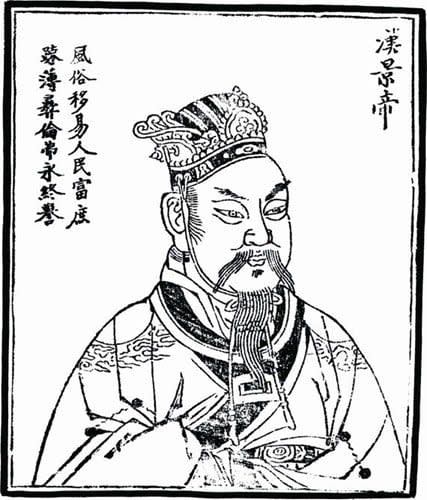
Emperor Wu-di, named Liu Zhi at birth, was the tenth son of Emperor Jing-di and his favorite concubine, Wang Zhi. His mother, who had previously been married, was presented as a gift to the heir apparent Wu-di’s father which was not unusual at the time.
Liu Zhi became heir to the throne after his elder brother, Prince Rong, and his mother, Concubine Li, fell from favor. At the age of sixteen Liu Zhi ascended the throne. Early in his reign he patronized Confucianism, making it the official state doctrine. He instituted a system of examinations for officials, allowing talented young men of non-aristocratic background to attain high office. In his first years, however, Wu-di was strongly influenced by his grandmother, the dowager empress Dou, a devotee of Daoism. After her death in 135 BCE, Wu-di gradually began to take power into his own hands.
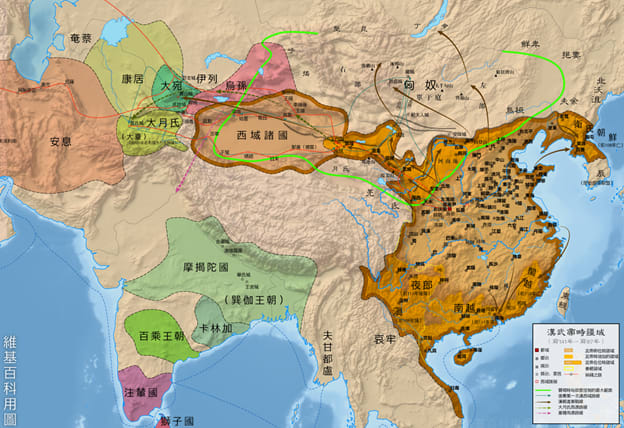
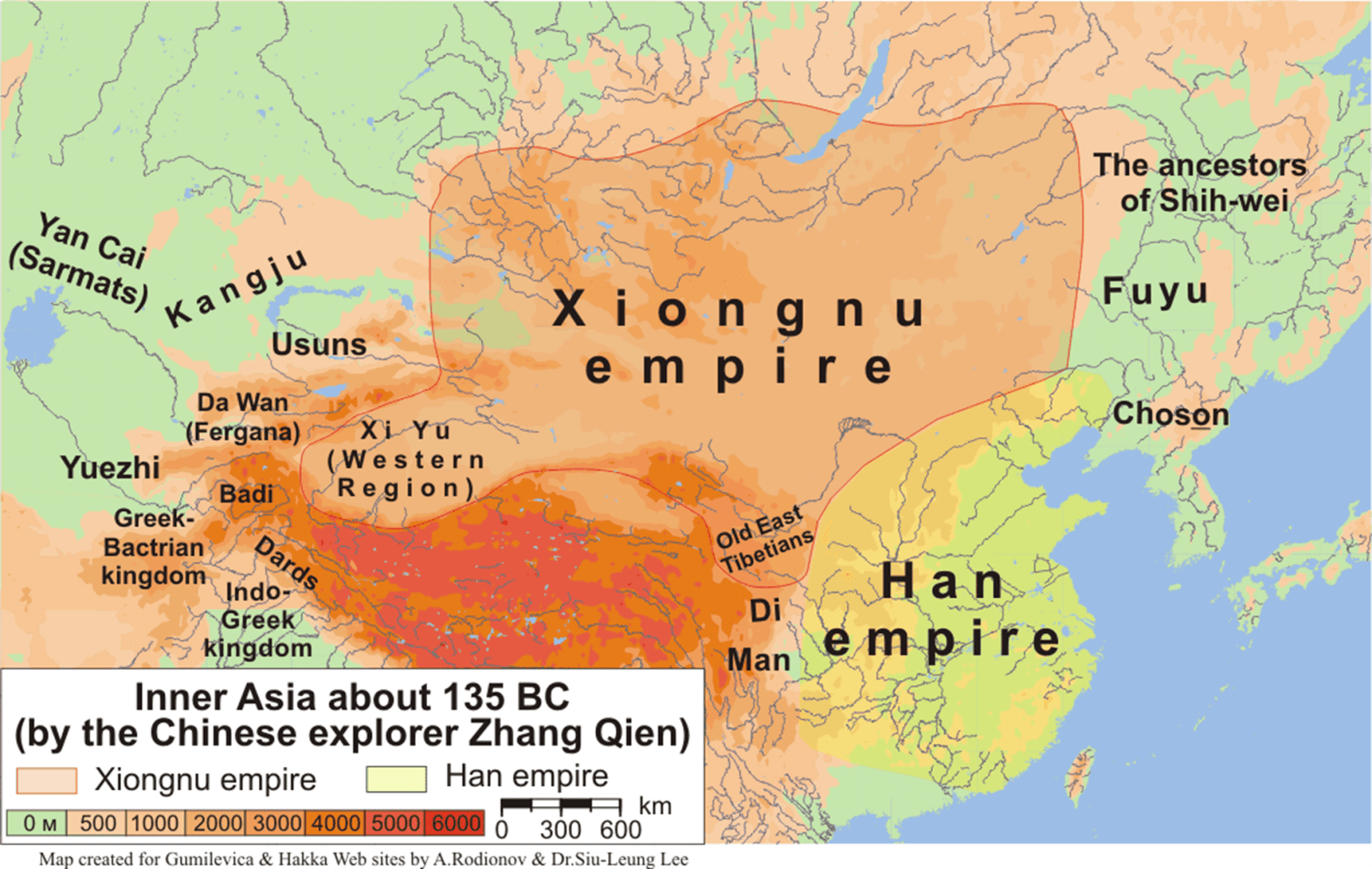
Wu-di’s reign was marked by unprecedented military expansion. He waged vigorous campaigns against the Xiongnu, the nomadic confederation that constantly threatened Han’s borders. In 127 BCE the Han general Wei Qing seized the Shuofang region, and in 124 BCE won a major victory, taking 15,000 Xiongnu prisoner. His nephew Huo Qubing also inflicted a series of defeats on the Xiongnu, leading to Han control over the Gansu corridor. These victories became a springboard for further expansion westward.
In 139 BCE Wu-di sent Zhang Qian on a diplomatic mission to the Yuezhi. The mission did not produce a military alliance, but Zhang Qian returned in 126 BCE with invaluable information about the countries of Central Asia, including Parthia and India. These reports inspired Wu-di to further expand trade and political ties, which later led to the formation of the Silk Road. Wu-di also launched campaigns to the southwest, annexing the kingdom of Nanyue (in today’s southern China and northern Vietnam), and to the northeast, establishing control over part of Korea.
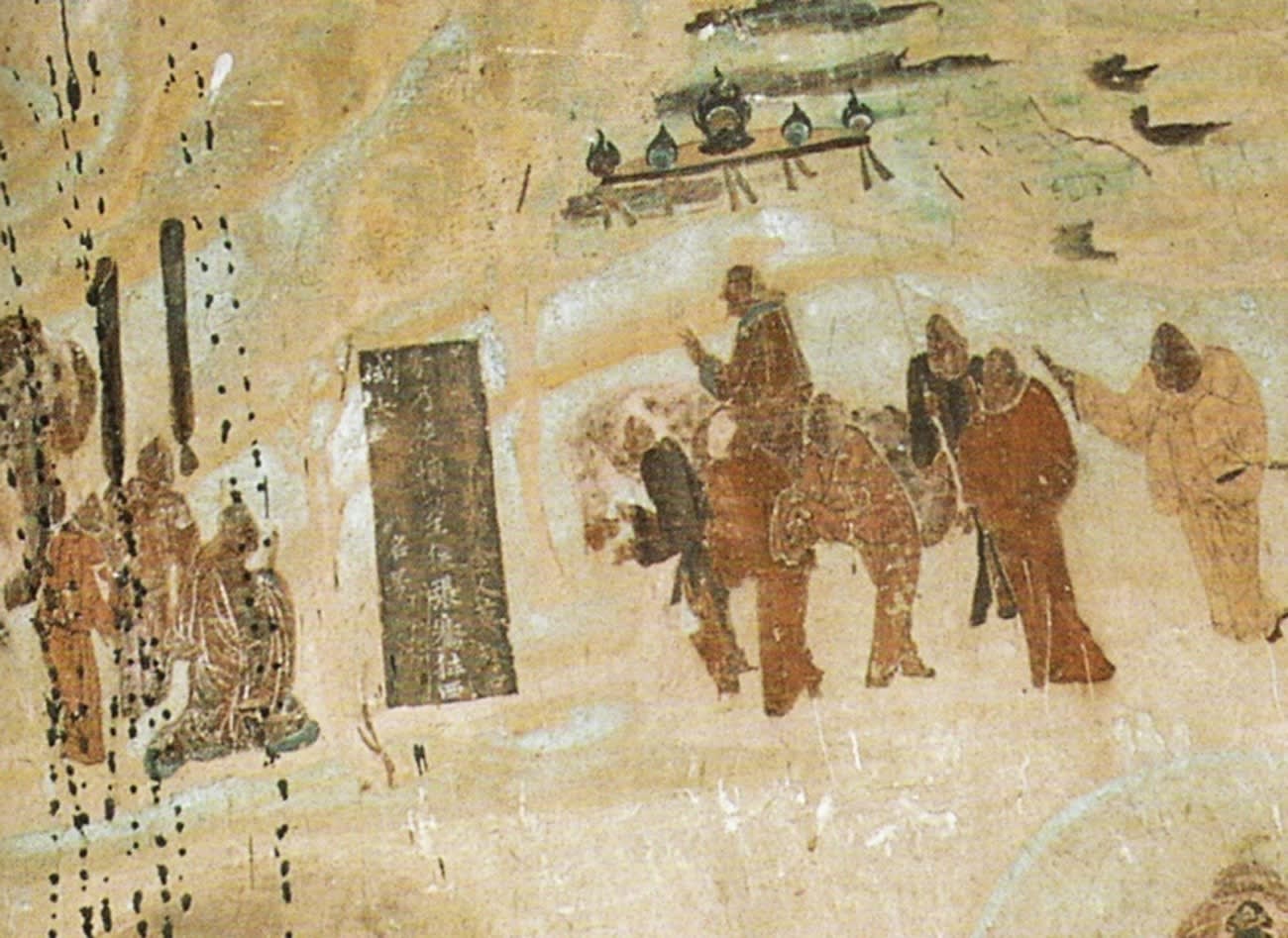
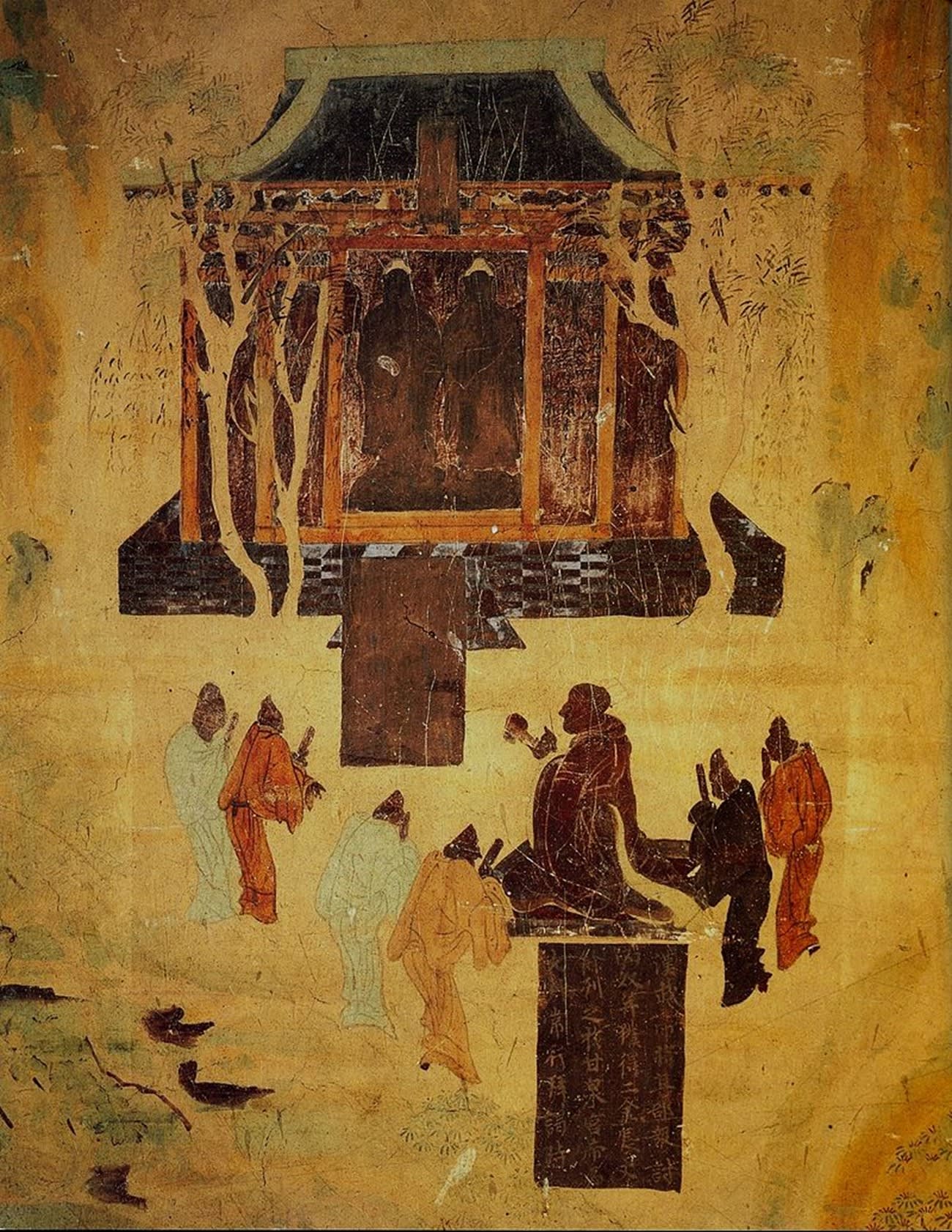
Wu-di longed for immortality and, in pursuit of it, turned to magicians, shamans, and enchanters. He performed sacrifices on sacred mountains, sent expeditions in search of the mythical isle of Penglai, and modeled his rituals on those of the ancient Yellow Emperor (Huangdi). In 113 BCE he held the great fengshan ceremony on Mount Tai, imploring the spirits of Heaven and Earth to grant him immortality.
These undertakings—together with military campaigns and the construction of luxurious palaces such as the Jianzhang Palace—required vast funds. The minister of agriculture, Sang Hongyang, proposed establishing state monopolies on salt and iron, which became an important source of revenue.
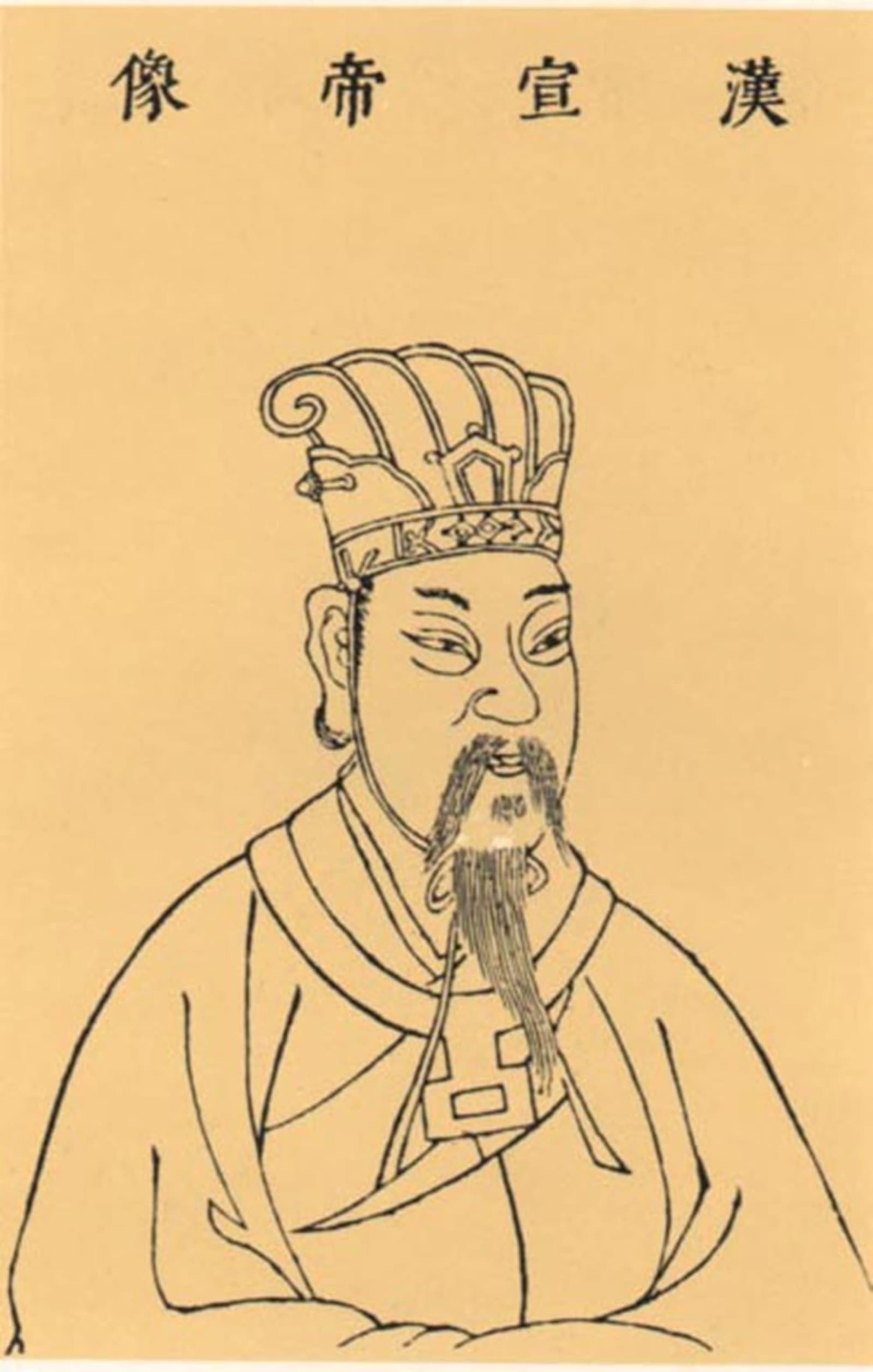
In his later years Wu-di grew increasingly harsh. He readily dismissed and punished officials, and his paranoia led to a “witch-hunt” in which many high officials and even members of his family were executed on suspicion of practicing magic. The culmination was the uprising of the crown prince, Liu Ju, in 91 BCE: fearing accusations of sorcery, he killed the head of the secret police, Jiang Chong. The revolt was suppressed; Prince Ju took his own life, and his family was exterminated. Only his one-year-old son, Liu Bingyi, survived to become Emperor Xuan-di.
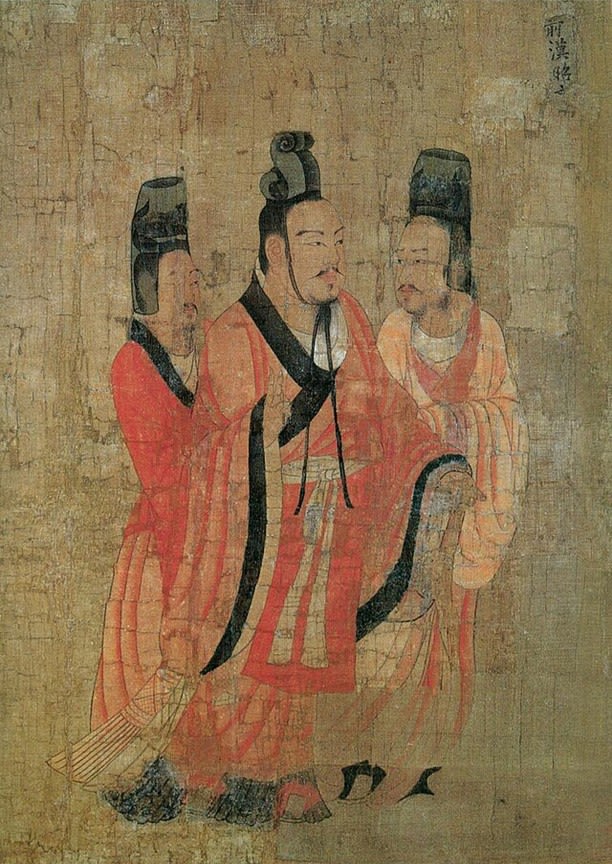
In his final years Wu-di repented of his mistakes, publicly apologized to the people for the exhausting wars, and focused on developing agriculture. Before his death in 87 BCE he named his younger son, Liu Fuling (Emperor Zhao-di), as heir, and appointed Huo Guang as his regent. To prevent renewed court intrigues, he ordered the execution of the heir’s mother, Concubine Zhao.
Historians rate Wu-di’s reign highly, noting his contribution to strengthening the Han Empire, expanding its territory, and establishing durable state institutions. The Xiongnu were significantly checked, and trade ties with western lands were established. Wu-di is also criticized for tyranny, extravagance, and the heavy burdens his projects placed on the populace. He relied on Legalist principles, ruling through severe punishments, and many of his top officials were executed. Nevertheless, his reign became a golden age for the Han Empire, which, by some assessments, surpassed the Roman Empire of the time in power.