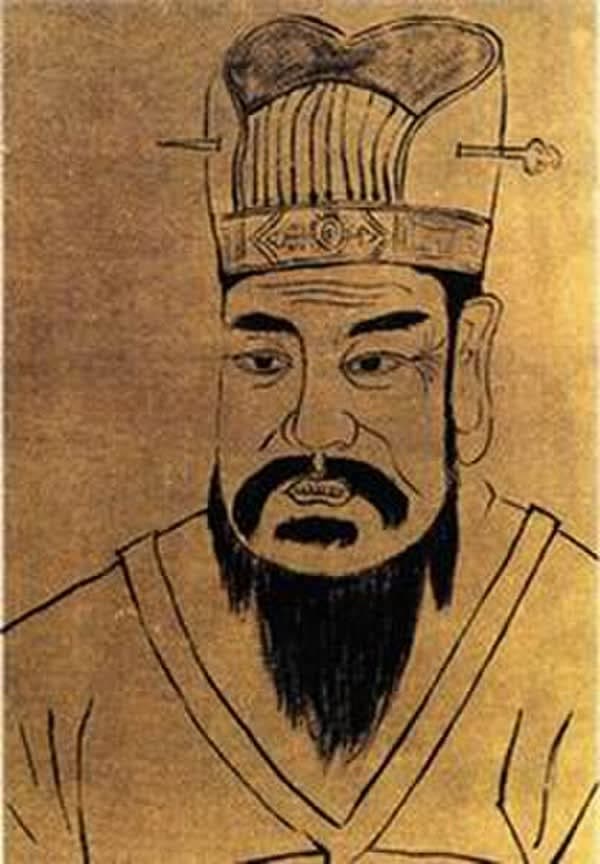
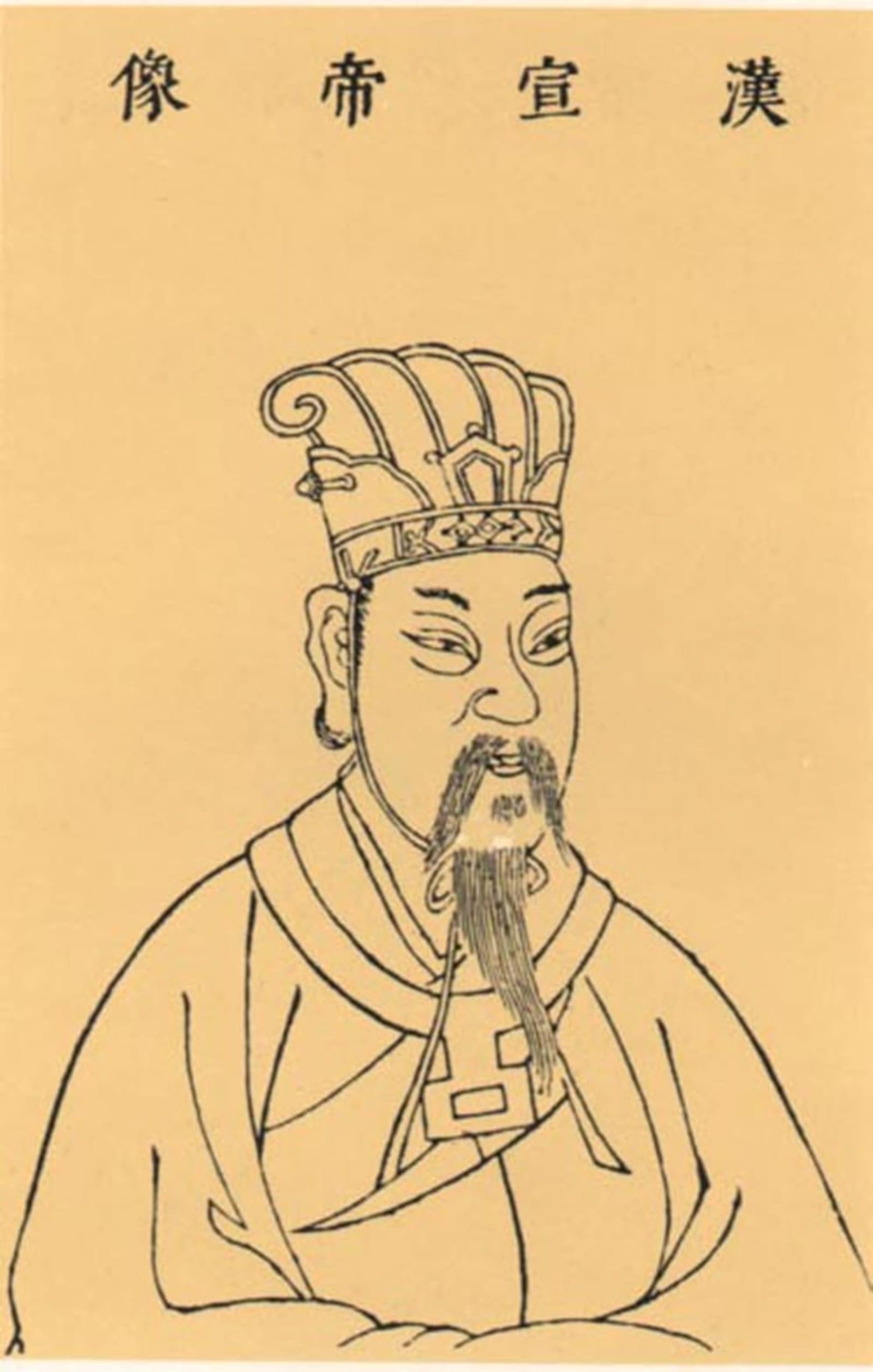
After the death of Emperor Wu, although Emperor Xuan (r. 73–49 BCE) achieved certain successes, the Han Empire faced a number of serious problems.
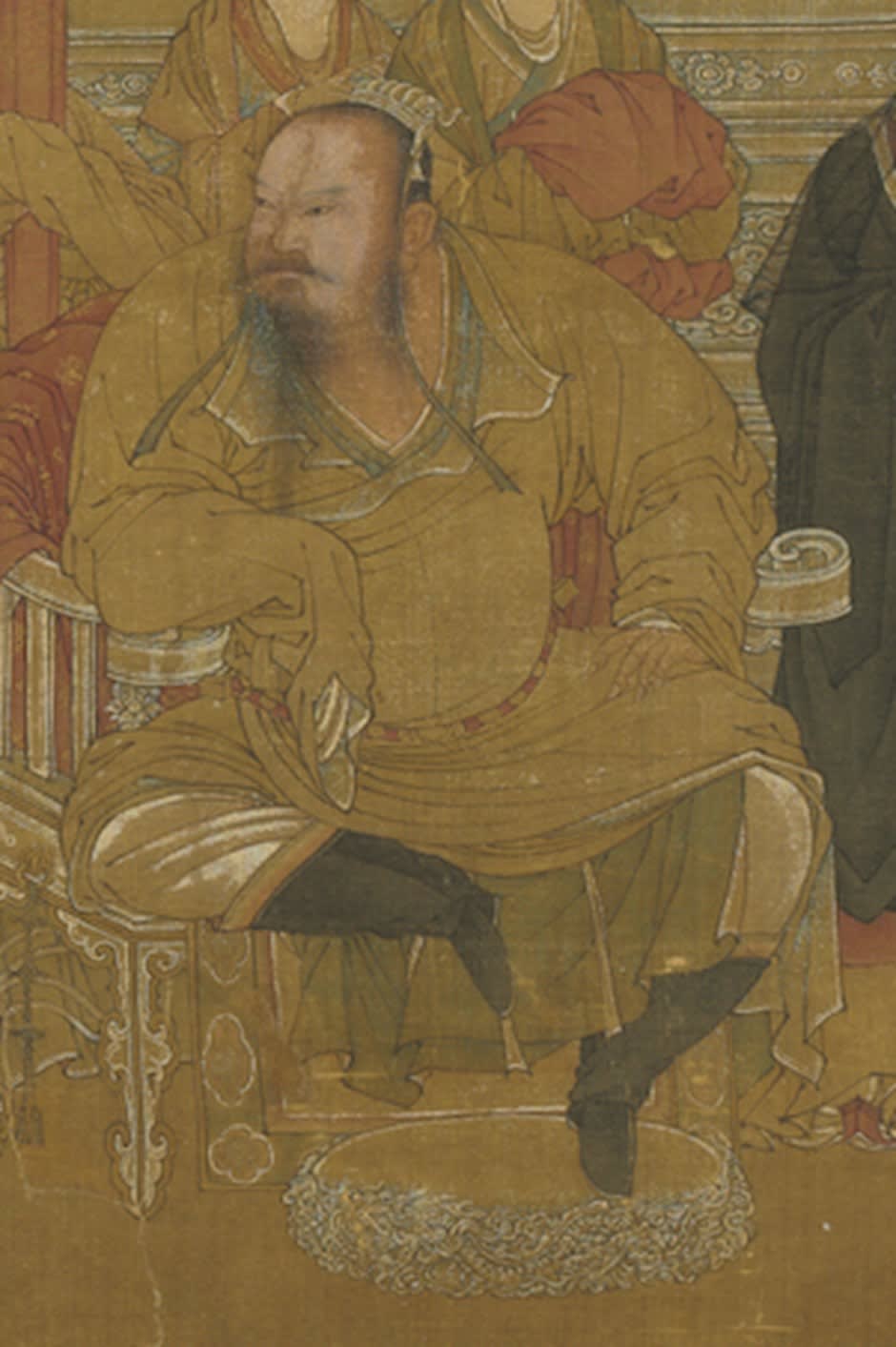
Peasants were being impoverished and the state’s support base eroded, while the power of the aristocracy grew. A dynastic crisis compounded matters. After the death of Emperor Cheng (r. 32–7 BCE)—during whose youth his mother served as regent—relatives of the Wang clan came to occupy key posts.

Wang Mang came from this influential family and early on presented himself as a devoted Confucian. Thanks to his aunt, Empress Wang Xiaoyuan, he advanced rapidly, holding important offices and becoming first minister in 8 BCE. After Emperor Ai-di died in 1 BCE, Wang Mang concentrated power in his own hands and became the effective ruler during the minority of Emperor Ping-di.
Wang Mang gradually convinced himself that the Han dynasty had lost the “Mandate of Heaven” and no longer had the right to rule. To justify his own claim to the throne he invoked prophecies and divinations, declaring that the cosmic element was shifting—from fire (the Han symbol) to earth (his own). He associated himself with the mythical Yellow Emperor (Huangdi). Finally, in 9 CE he deposed the boy-emperor Ruzi Ying and proclaimed the new Xin (“New”) dynasty.
Finally, in 9 CE he deposed Emperor Ruzi Ying and announced the creation of the new Xin Empire.
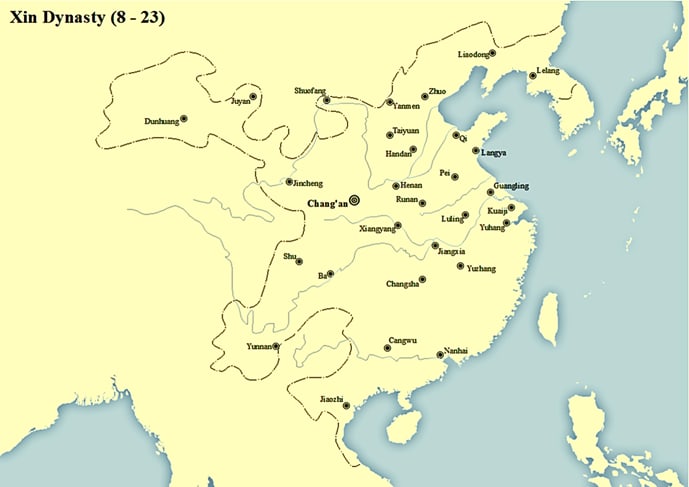
Immediately afterward Wang Mang launched ambitious reforms to strengthen central authority. He carried out a currency reform, issuing lighter coins; while this replenished the treasury, it devalued money and created financial hardship for the aristocracy. He also tried to implement a land reform based on the “well-field system” (shaped like the character 井), by which each household would receive an equal allotment. This provoked intense resistance from great landowners. In 10 CE he reinforced state monopolies on salt, iron, and alcohol. In 11 CE, however, a major Yellow River flood triggered mass famine, and in 12 CE Wang Mang was forced to revoke the land reform, as the disaster was widely read as divine punishment for his policies.
In foreign affairs Wang Mang was high-handed. His arrogance toward allies and vassals—especially the Xiongnu—sparked war that imposed huge financial costs and choked off the Silk Road. Constant Xiongnu raids further weakened the empire, and his attempts to control the Western Regions (Xiyu) led to uprisings and the killing of Chinese administrators.
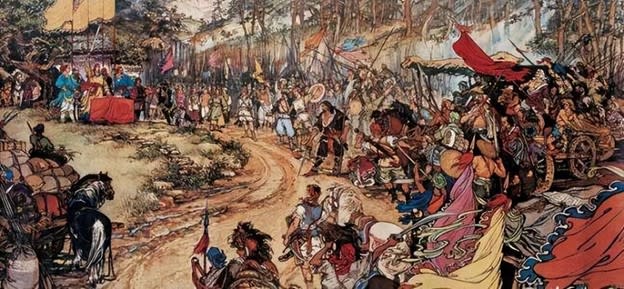
Unrelenting natural disasters and famine in 21–22 CE led to mass peasant uprisings, most famously the Red Eyebrows (Chimei). The rebels formed an army that soon gained the backing of members of the deposed Han dynasty. In 22 CE Wang Mang’s forces suffered two defeats. In 23 CE the insurgents proclaimed Liu Xuan emperor and decisively defeated Wang Mang’s army at the Battle of Kunyang. They then marched on the capital, Chang’an. Wang Mang fought to the end but was killed; his head was displayed in the marketplace—an unmistakable signal of the end of his rule and the restoration of the Han.


