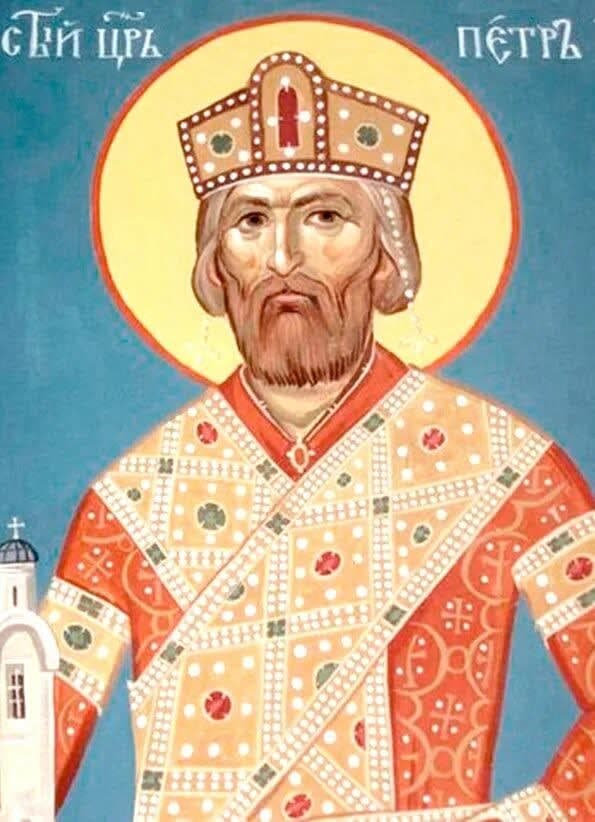

The reign of Bulgarian Tsar Peter I, the second son of the great Simeon I, represents one of the most controversial and dramatic periods in the history of the First Bulgarian Empire. Ascending the throne in 927, the young ruler inherited a state exhausted by his father's endless wars. Bulgaria was surrounded by enemies, simultaneously struggling against Byzantium, the Croats, and the Magyars. Recognizing the urgent need for respite, Peter made a bold diplomatic move that would define his forty-year reign.

In October 927, the famous "Eternal Peace" treaty was concluded with the Byzantine Empire. This agreement marked an unprecedented success for Bulgarian diplomacy: Constantinople officially recognized the imperial title of the Bulgarian ruler ("Tsar"), making Peter the first foreign monarch to stand on equal footing with the Byzantine basileus. Moreover, the empire recognized the independence of the Bulgarian Church (Patriarchate) and agreed to pay annual tribute, effectively confirming the territorial conquests of Simeon I. The alliance was strengthened through Peter's marriage to Maria, the granddaughter of Emperor Romanos I Lekapenos, who adopted the name Irene ("Peace") to symbolize the beginning of a new era.

However, external peace soon gave way to internal turmoil. Many members of the Bulgarian nobility, raised on the ideals of Simeon's expansionist policies, regarded peace with Byzantium as a sign of weakness. As early as 928, a rebellion broke out under the leadership of the tsar's younger brother, Ivan. The uprising was suppressed, and its leader was exiled to Byzantium. Two years later, in 930, the tsar's elder brother Michael escaped from a monastery and also attempted to seize power, but his rebellion likewise ended in failure.
While discontent grew within the country, the empire's peripheral territories began to break away. In 933, the Serbian ruler Časlav Klonimirović made a daring escape from Bulgarian captivity and launched a rebellion, as a result of which Serbia regained its independence. The situation was further complicated by regular raids carried out by the Magyars, who invaded Bulgarian territories with impunity in 934, 943, 948, and 958. Lacking the military strength to resist them effectively, Peter was forced to sign humiliating treaties, pay tribute to the nomads, and even allow them to cross Bulgarian territory to plunder Byzantine provinces, thereby endangering his alliance with Constantinople.
In the spiritual sphere, Peter's reign was marked by both remarkable religious flourishing and a profound crisis. The tsar, known for his gentleness and deep piety, generously endowed the Church with land and gold. However, the growing wealth of the official Church, combined with heavy taxation, provoked social unrest that developed into a powerful religious movement — Bogomilism. Followers of this movement, considered heretical by the established Church, advocated the rejection of worldly possessions and criticized the luxury enjoyed by the clergy.
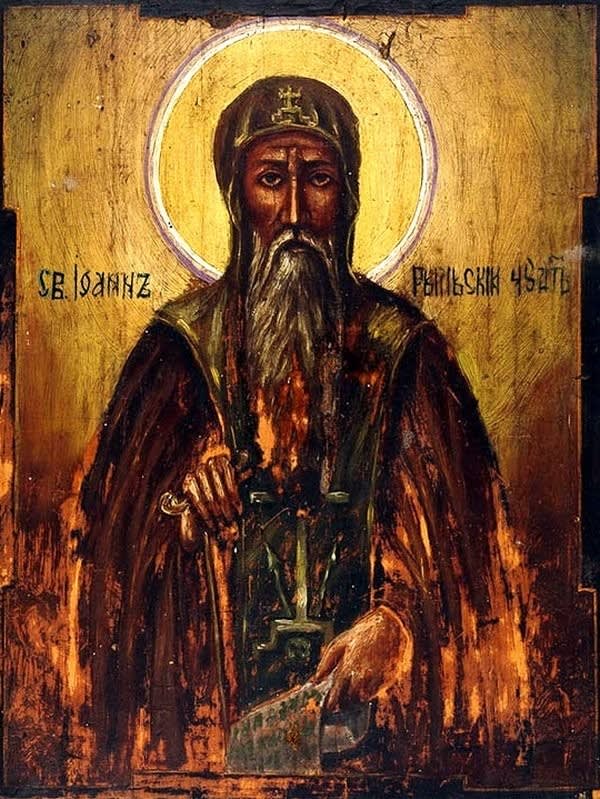
One of the brightest figures of this era was Saint John of Rila. A legend has been preserved about their encounter "from a distance": the holy hermit refused to accept gold from the tsar, returning it with the explanation that someone who limited himself to life's bare necessities had no need for such wealth. However, he accepted fruit and later sent Peter a letter containing spiritual guidance.

The fragile balance collapsed in the mid-960s following the death of Tsarina Irene. In 966, Byzantine Emperor Nikephoros II Phokas abruptly refused to continue paying tribute. Seeking to crush Bulgaria through the forces of another power, he dispatched an envoy named Kalokyros to Prince Sviatoslav Igorevich of Kiev.
In 967 (or 968), the Rus' forces invaded Bulgaria and quickly captured several key fortresses, establishing themselves in Pereyaslavets. Although Sviatoslav was temporarily forced to return to defend Kiev against the Pechenegs — whose attack, according to one theory, had been instigated by the Bulgarians themselves — his return to the Danube proved disastrous for Peter's kingdom. In late 969 or early 970, the Rus' forces launched a second assault and captured the capital, Preslav.
Unable to endure the bitterness of military defeats and the devastating blows of fate, Tsar Peter I abdicated the throne in favor of his son, Boris II. He took monastic vows and died in a monastery on January 30, 970.
Historians continue to debate the legacy of his reign. On the one hand, Bulgaria lost significant territories under his rule and was weakened by warfare. On the other hand, Byzantine chronicles describe his era as a time of abundant material prosperity, while the recognition of the title "Tsar" established a historical precedent that rulers of other Slavic countries, including Ivan the Terrible, would follow centuries later.
For his faith, humility, and support of Christianity, Peter I was canonized by the Bulgarian Orthodox Church. His memory is honored annually on January 30 (February 12 according to the New Style calendar), commemorating a ruler who sought peace in an age dominated by swords.


