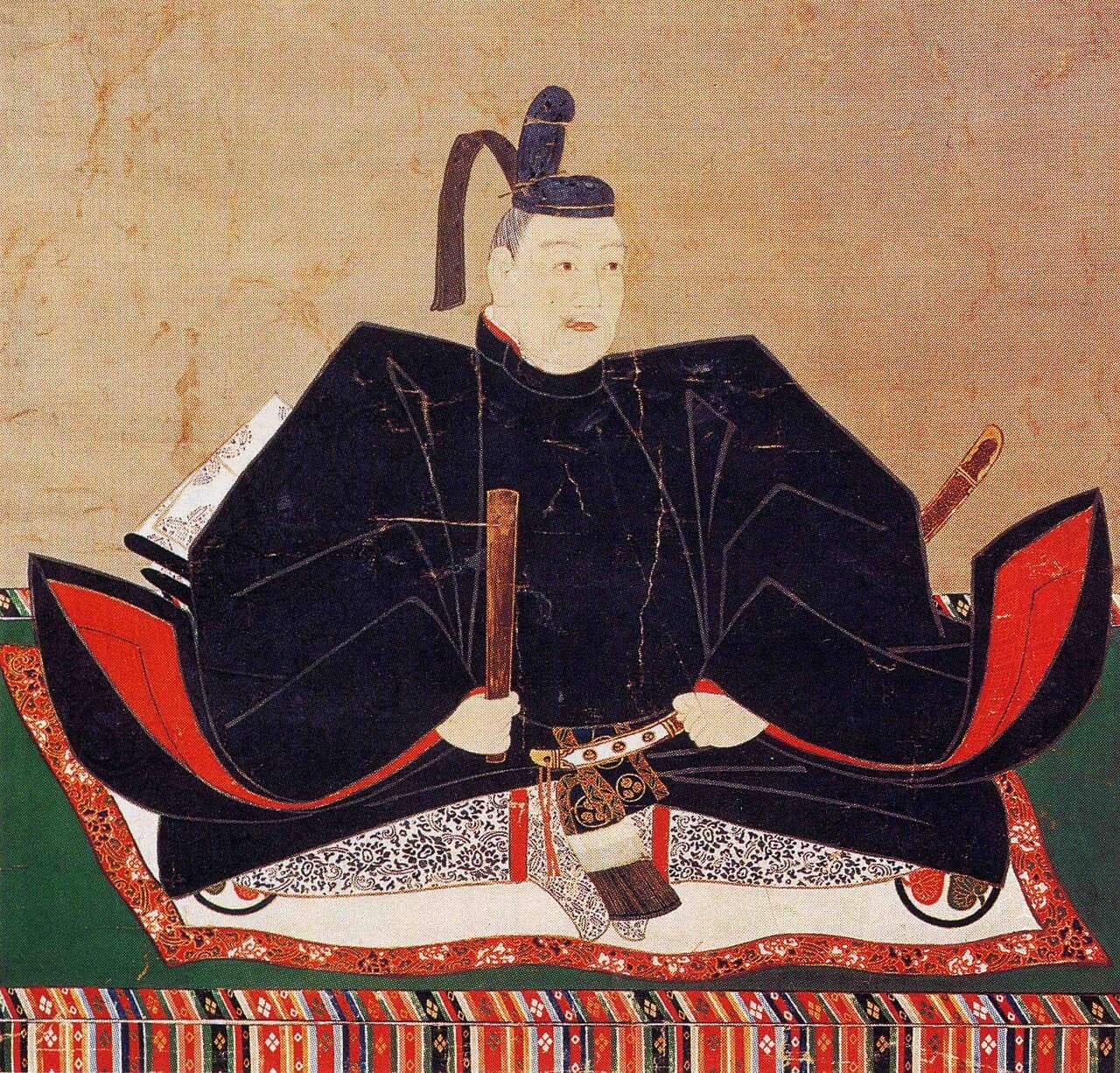
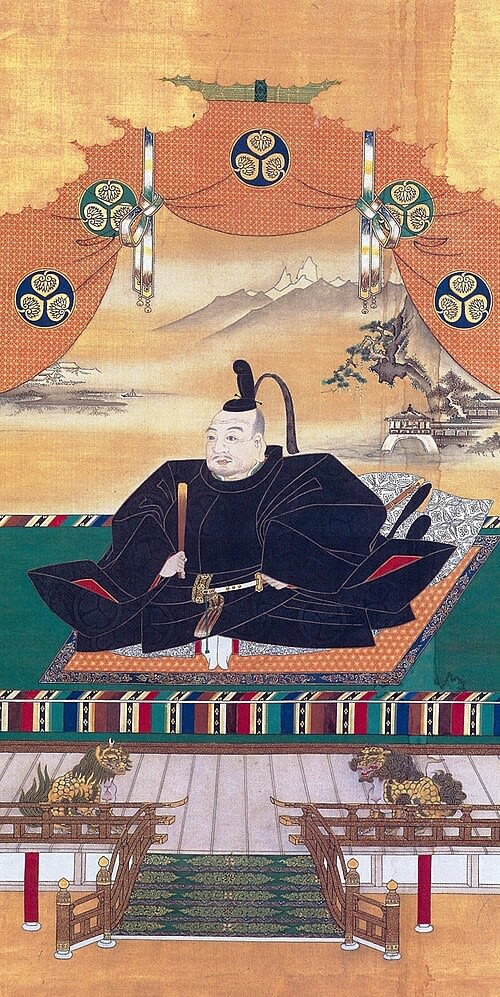
The story of Tokugawa Hidetada is not merely the biography of the second shogun of the great dynasty, but a broad canvas of the formation of Japanese statehood, tracing the path from the harsh battlefields of the Sengoku period to the establishment of the unshakable order of Edo. His life began on May 2, 1579, within the walls of Hamamatsu Castle in Totomi Province. As the third son of the great unifier Tokugawa Ieyasu and his concubine Lady O-Ai of the Saigo clan (also known as Lady Hodai), the young Hidetada, who in childhood bore the names Nagamatsu and Takechiyo, was not at first regarded as the sole heir. However, the tragic death of his elder brother, Tokugawa Nobuyasu, radically changed the order of succession, placing upon Hidetada’s shoulders the responsibility for the future of the entire Tokugawa clan.
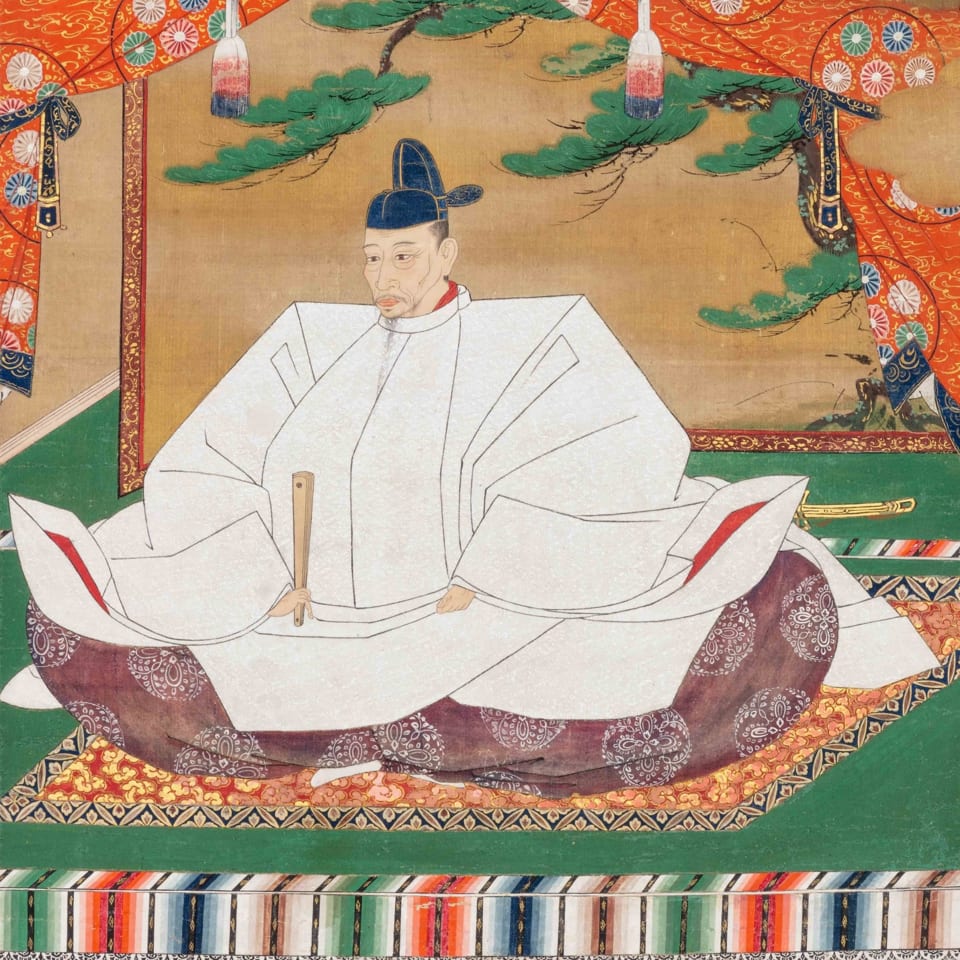
Even at a tender age, Hidetada began his ascent up the hierarchical ladder of the Imperial Court. In 1587, he was granted the Junior Fifth Rank, Lower Grade, and the honorary office of Head of the Imperial Storehouses (Kurodo-no-kami). Yet his true political initiation came in 1590, when the young man traveled to Kyoto for an audience with the de facto ruler of Japan, Toyotomi Hideyoshi. This journey was marked by the ceremony of coming of age (genpuku), in which Hideyoshi acted as patron, bestowing upon the youth a character from his own name — thus the name Hidetada was born. In the years that followed, his status rose rapidly: from Chamberlain to the Emperor (jiju) to Junior Captain of the Imperial Guard, and by 1592 to Acting Middle Counselor of State. The future shogun’s personal life was also tightly woven into the political fabric: in 1595, he contracted a strategic marriage with Ogo, daughter of Azai Nagamasa and niece of the legendary Oda Nobunaga, who bore him seven children — two sons and five daughters.
The fateful trial of Hidetada’s life came in 1600, marked by the great confrontation that followed Hideyoshi’s death. During the campaign against the daimyo Uesugi Kagekatsu in Aizu, Hidetada received news of Ishida Mitsunari’s uprising in the west. By his father’s decision, Ieyasu advanced along the coastal Tokaido Road, while Hidetada led an army along the inland Nakasendo Route. It was here that the most controversial episode of his career occurred: delayed by the siege of Ueda Castle, stubbornly defended by Sanada Masayuki, Hidetada arrived too late for the decisive Battle of Sekigahara. Ieyasu’s anger was terrible, and only the intercession of allied lords saved the heir from complete disgrace. Nevertheless, this did not prevent his further advancement: in 1603, when Ieyasu officially became shogun, Hidetada received high titles in the imperial guard and the imperial stables, while his daughter Senhime became the wife of Toyotomi Hideyori as part of a fragile peace with Osaka.
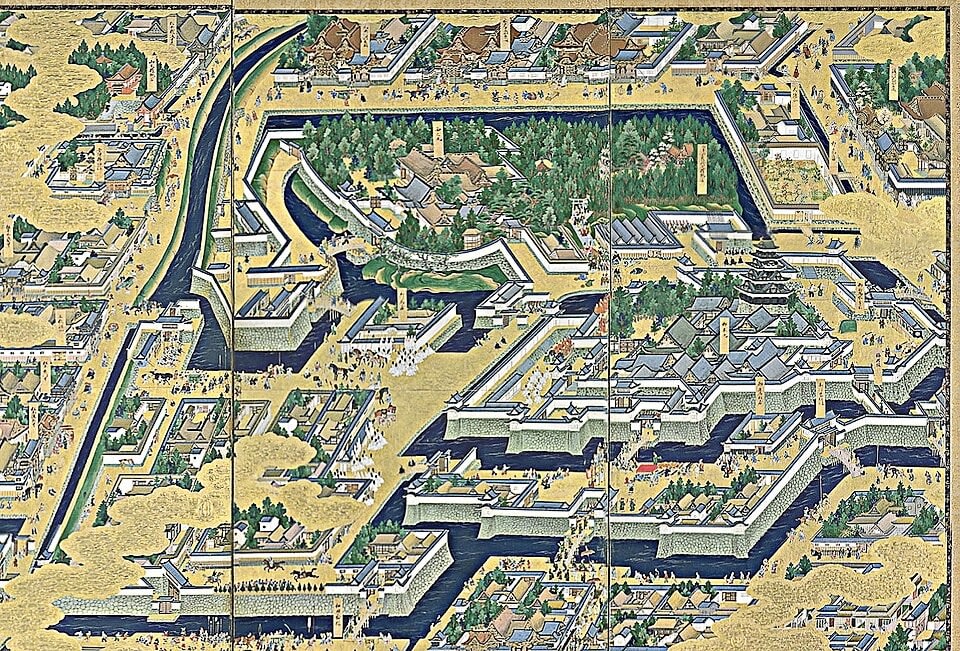
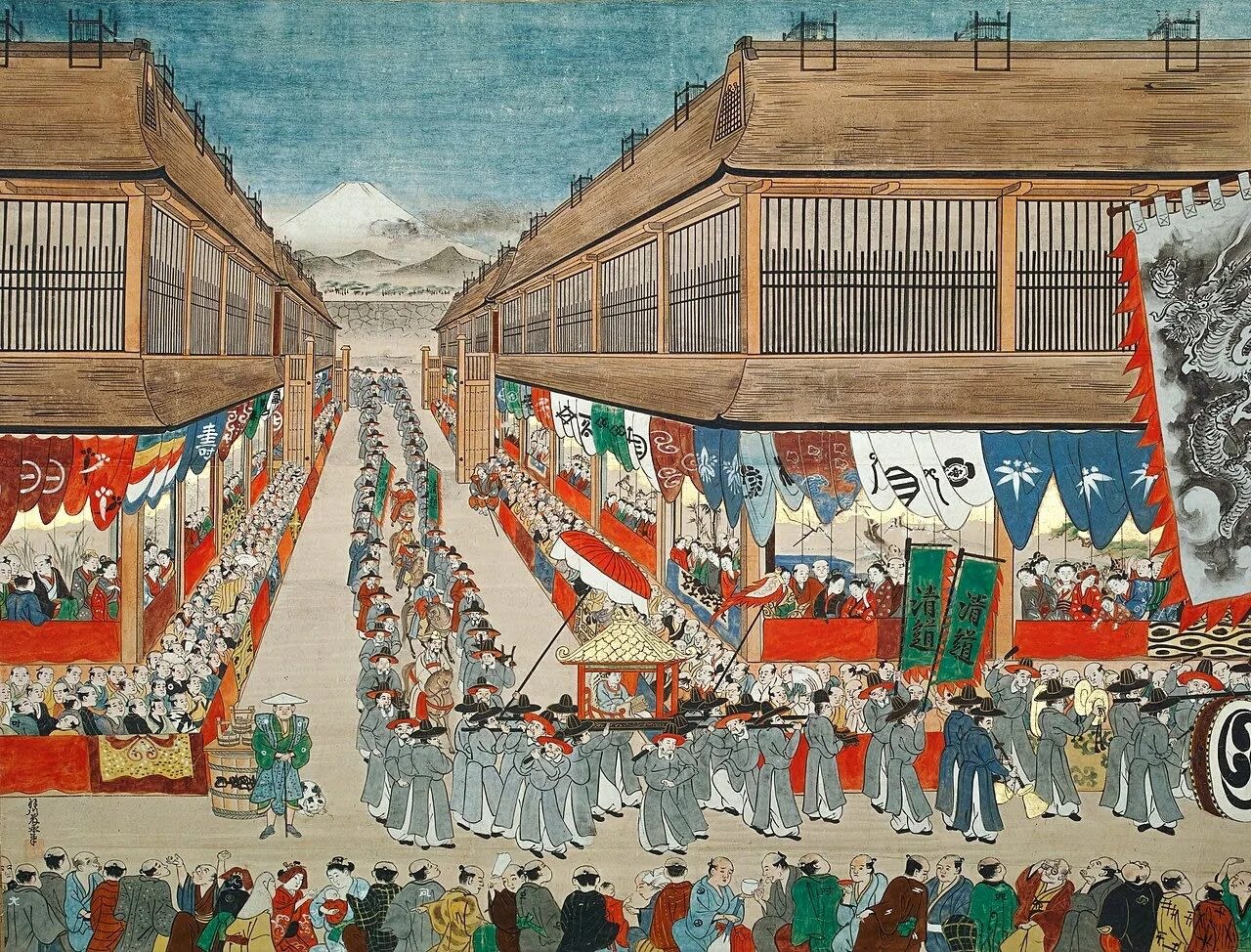
Hidetada’s official enthronement took place in the spring of 1605. His triumphant procession into Kyoto, accompanied by an army of one hundred thousand men, was a demonstration of Tokugawa’s unquestionable power. On May 24, Ieyasu transferred the powers of shogun to his son, and on June 2, the Imperial Court confirmed this status, granting Hidetada the title of Senior Head of the Minamoto clan and other highest regalia, including the right to an aristocratic carriage and armed escort. Returning in 1606 to the expanded Edo Castle, Hidetada began arranging his residence. Despite his nominal supremacy, the first years of his rule passed under the sign of dual power: the real levers of government remained in the hands of the “retired shogun” (ogosho) Ieyasu, who resided in Sunpu Castle. During this period, Hidetada concentrated on governing eastern Japan and on foreign affairs, such as receiving the Korean embassy in 1607 and authorizing the Shimazu clan’s expedition to the Ryukyu Kingdom in 1608.
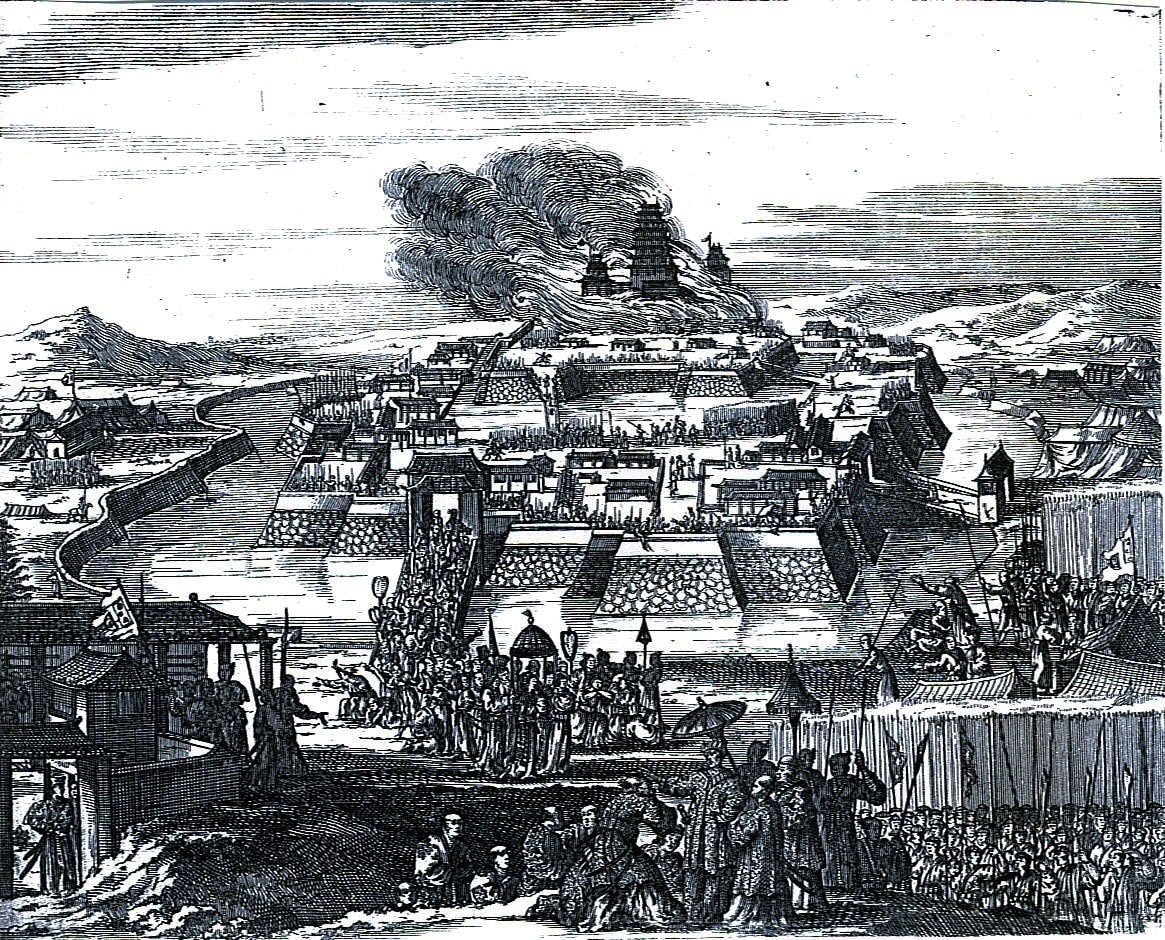
The final consolidation of Hidetada’s power came in the flames of the Osaka Campaigns of 1614 and 1615. Together with his father, he took part in the destruction of the Toyotomi clan, bringing the era of civil wars to an end. After Ieyasu’s death in 1616, Hidetada became the full sovereign ruler. He proved himself a harsh and systematic reformer, issuing the Laws for the Military Houses (Buke Shohatto), which severely restricted the rights of the daimyo. His reign was marked by large-scale confiscations of land from unreliable vassals, including such influential figures as Fukushima Masanori and Honda Masazumi. In order to exhaust potential opponents and strengthen the regime, he compelled the lords to participate in colossal construction works in Edo and Osaka.
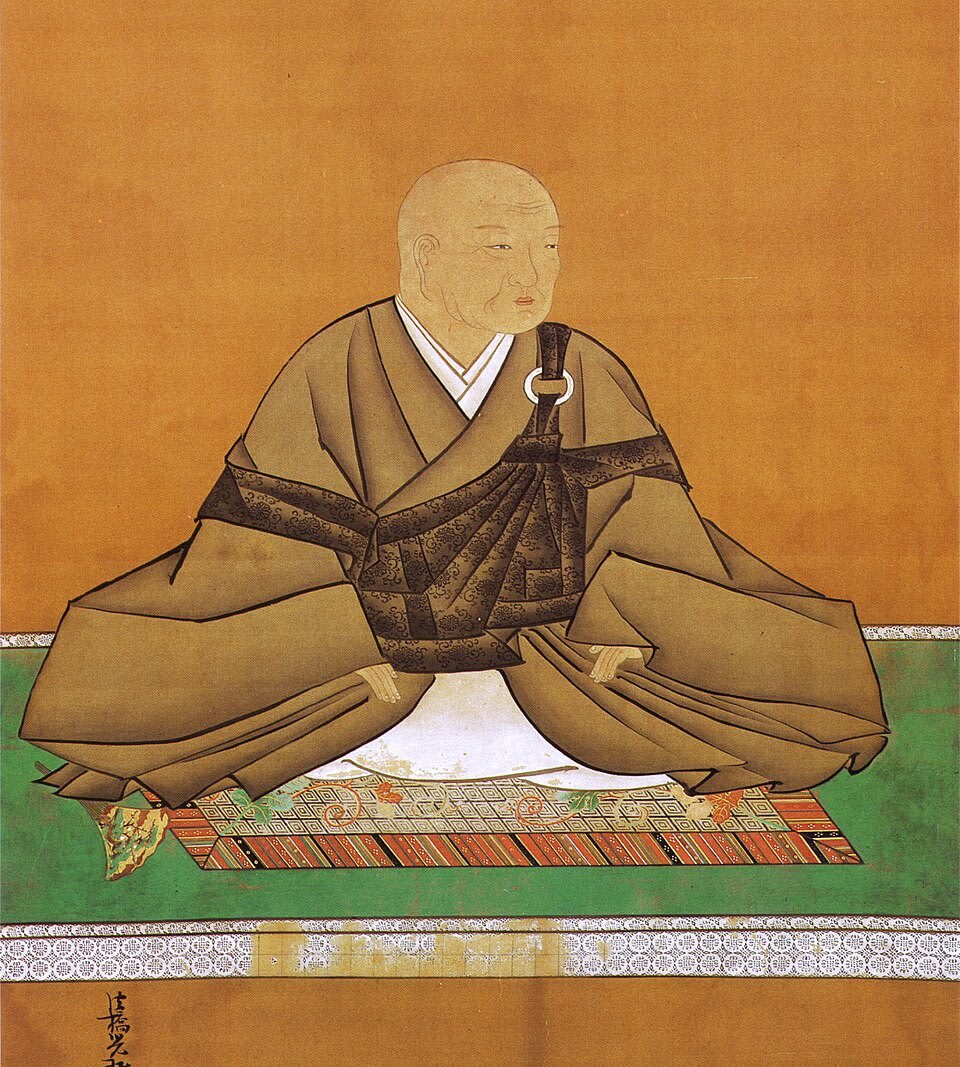
Relations with the Imperial Court under Hidetada also changed in the direction of complete domination by the shogunate. The issuance of laws restricting the rights of the aristocracy, together with the “Purple Robe Incident,” led to the fact that in 1627, Emperor Go-Mizunoo was forced to abdicate in favor of Hidetada’s granddaughter — the future Empress Meisho. Parallel to this, Hidetada laid the foundations of the policy of national seclusion (sakoku), restricting trade with Europe to the ports of Nagasaki and Hirado, banning the import of weapons, and launching broad persecutions against Christianity, seeing in it a threat to the stability of the state.
Like his father, Hidetada in 1623 transferred the post of shogun to his son Iemitsu, assuming the title of daijo tenno (ogosho). Having withdrawn from formal duties, he retained actual power, governing the country from the Western Court of Edo Castle with the help of his trusted adviser Doi Toshikatsu. In 1626, he reached the summit of court hierarchy by receiving the office of Daijo-daijin. The life journey of the second shogun came to an end on March 14, 1632, at the age of 52. He was buried at Zojoji Temple, leaving behind a legacy that was ambiguous, yet profound. For a long time, historians viewed him merely as a pale shadow of his great father or his stern son, pointing to his love of camellias, peonies, and tea ceremonies as signs of softness. Modern scholarship, however, recognizes that it was precisely Hidetada who was the architect who transformed Tokugawa military victory into a durable legal and social system, one that ensured Japan two and a half centuries of peace and stability.