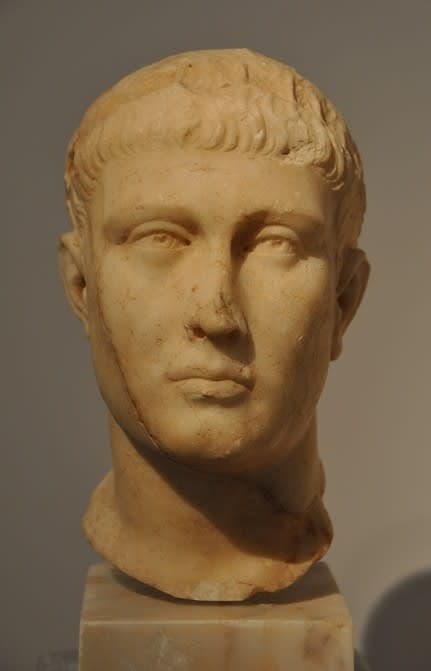
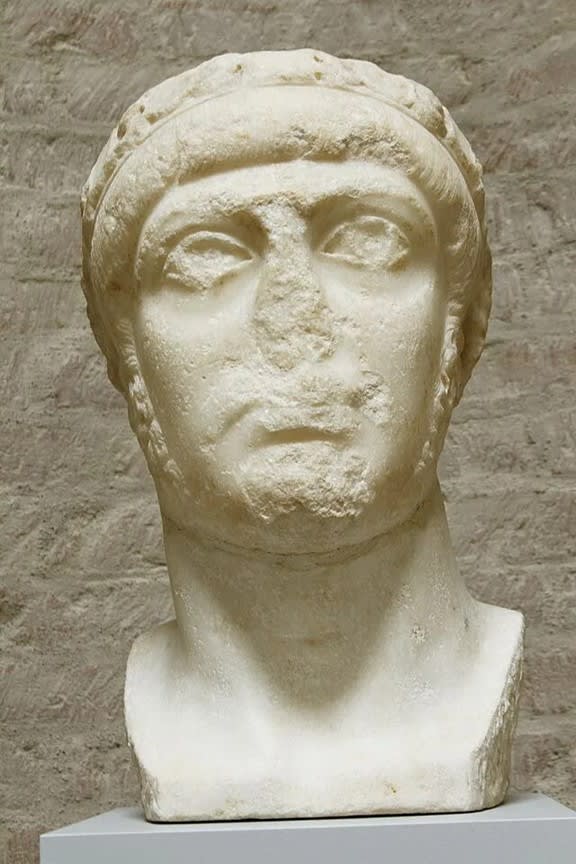
Flavius Theodosius, born around 346 in the Spanish city of Cauca (modern Coca), was a man of noble origin. He was the son of the famous general Theodosius the Elder and Fermantia, and his lineage, according to tradition, traced back to Emperor Trajan himself. His father, being commander of the cavalry, enjoyed great respect, but in 375 he was accused of treason and executed.
The future emperor began his military career under his father’s command, taking part in an expedition to suppress the uprisings of the Picts and the Scots in Britain. In 374 he was already commanding troops in the Danubian province of Moesia, where he successfully fought the Sarmatians. According to the historian Zosimus, it was precisely these victories that brought him the imperial regalia in the future.
After his father’s execution, Theodosius, as historians believe, was forced to withdraw from public life, but soon, already in 376, he was appointed commander of the troops in the Balkan province of Illyricum. Three years later, Emperor Gratian, impressed by his military talents, called Theodosius to the throne.
In 378 the Roman Empire suffered one of the most terrible defeats in its history. At the Battle of Adrianople, the Goths routed the Roman army and killed Emperor Valens. The empire found itself in a critical situation, and on January 19, 379, Gratian proclaimed Theodosius emperor of the eastern part of the Roman Empire in Sirmium, placing upon him the task of saving the state.
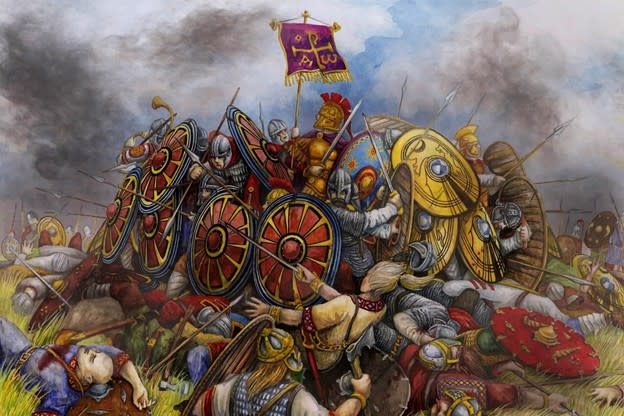
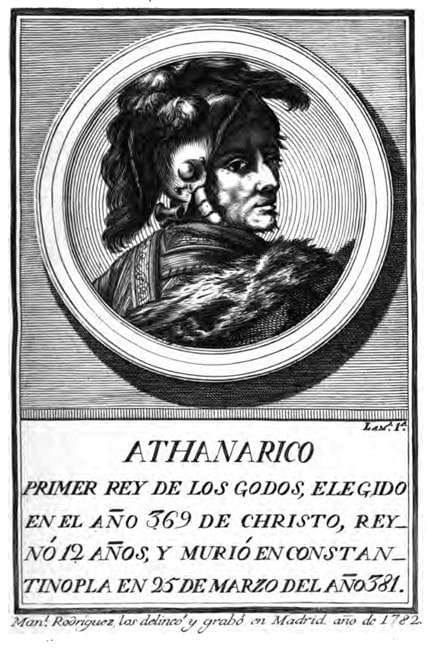
Theodosius began with a victory over the Goths near Sirmium, but, realizing that it was impossible to achieve a complete military victory, he focused on diplomacy. He recruited many barbarian Goths into the army, and in 381 he concluded an alliance with the chieftain Athanaric. When the latter died in Constantinople, Theodosius arranged a splendid funeral for him, thereby winning the goodwill of the barbarians. Ultimately, on October 3, 382, he concluded a peace treaty by which the Goths received the right to settle as federates in Lower Moesia and Thrace, which brought the bloody war to an end.
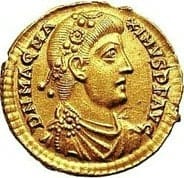
From 383 to 387 Theodosius strengthened his position. In the East his general Richomer defeated the Saracens. In 387 Theodosius concluded an agreement with Persia on the division of Armenia, eliminating a long-standing source of conflicts.
Meanwhile, upheavals began in the West. In 383 the usurper Magnus Maximus killed Emperor Gratian, and his younger brother Valentinian fled under Theodosius’s protection. To strengthen the alliance, Theodosius married Valentinian’s sister, Galla. In 388 Theodosius marched his army against Maximus. After a series of battles the usurper was captured in Aquileia and executed, and Theodosius restored the authority of the legitimate ruler.
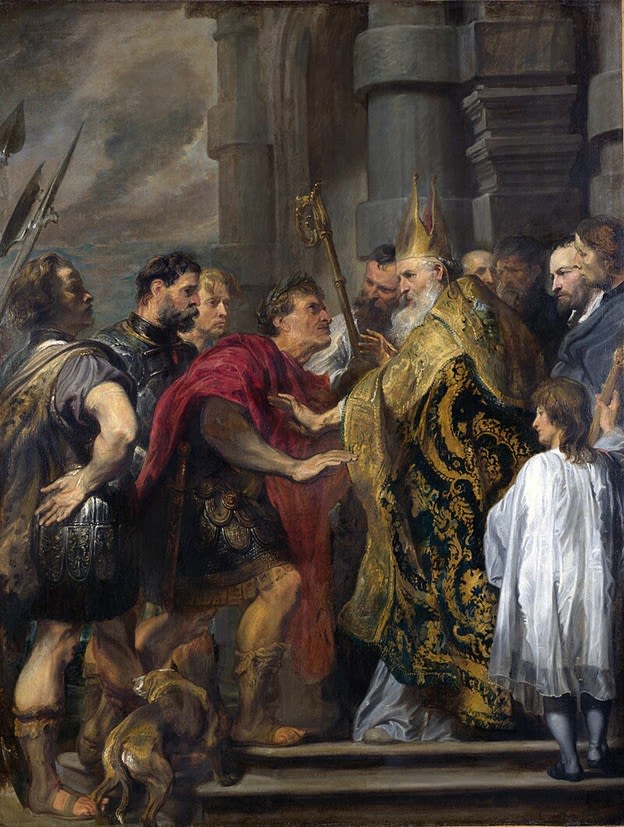
After the victory over Maximus, Theodosius remained in Italy for more than three years. This period was marked by his close association with Ambrose, the bishop of Milan, who exerted a strong spiritual influence on him. In 390 an uprising occurred in Thessalonica, in response to which Theodosius ordered a brutal massacre, resulting in the deaths of 7 to 15 thousand townspeople. Bishop Ambrose, outraged by this, did not allow the emperor into the church and demanded public penance, which Theodosius, to the surprise of many, accepted.
In 392 another uprising flared up in the West: the commander-in-chief Arbogast killed Valentinian and elevated his protégé Eugenius to the throne. Theodosius refused to recognize the usurper and in 394 set out on campaign. In the Battle of the Frigidus River, despite initial losses, he won a decisive victory, executing Eugenius and forcing Arbogast to commit suicide.
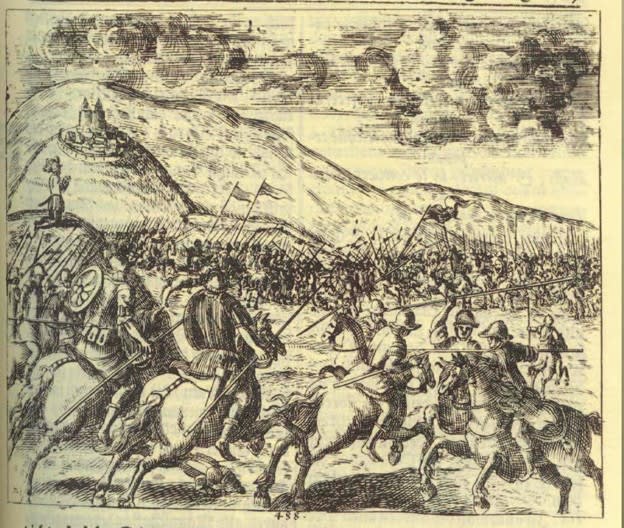
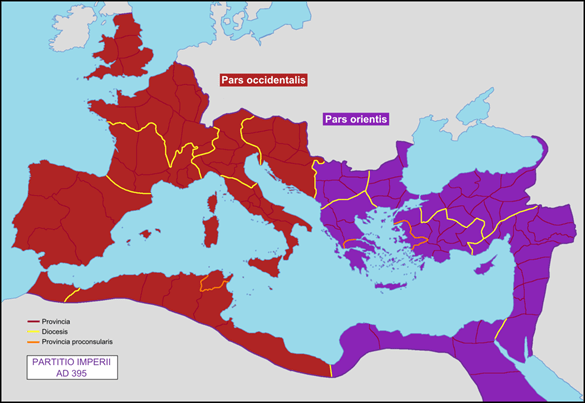
After the victory Theodosius became the de facto ruler of the entire Roman Empire. He proclaimed his younger son Honorius emperor and was preparing to return to Constantinople, but on January 17, 395, he died of dropsy. Before his death he managed to carry out the final division of the empire between his sons: the elder, Arcadius, received the Eastern part (the future Byzantium), and the younger, Honorius, the Western. Thus, he permanently secured the division that had previously been a temporary measure.
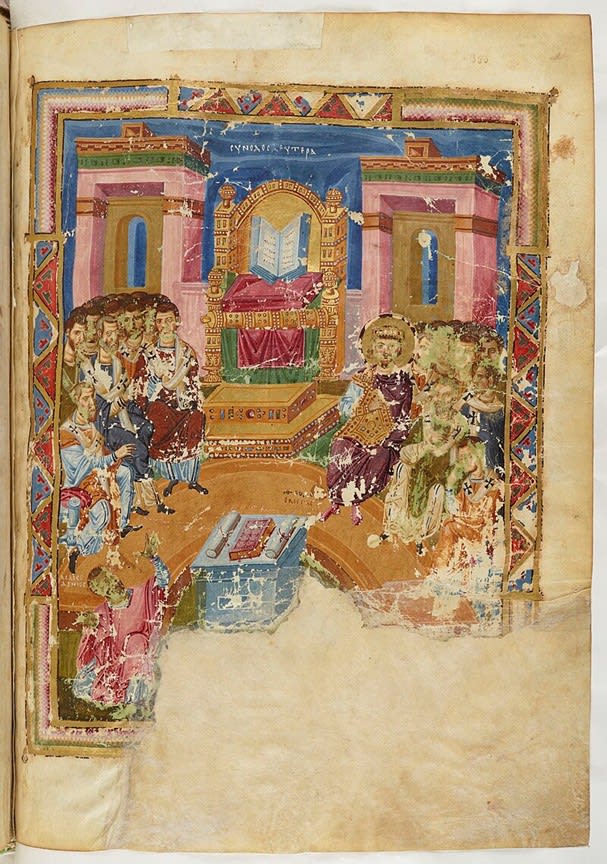
Theodosius went down in history as the emperor who played a key role in the establishment of Christianity. He began his religious policy in 380, when he issued an edict declaring the Nicene form of Christianity the only true one. Arianism and other movements were declared heresies and subjected to persecution. In May 381 he convened the Second Ecumenical Council in Constantinople, which affirmed the dogmas of the Nicene Creed.
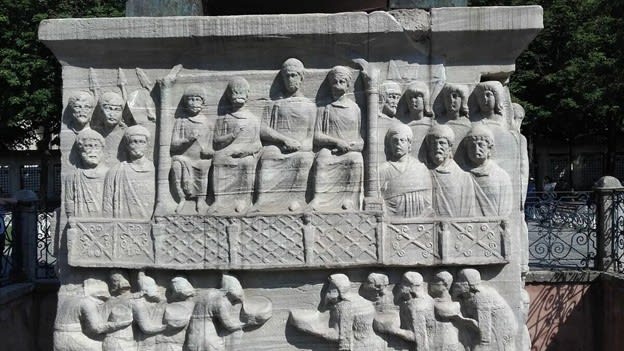
Although earlier researchers attributed decisive actions to Theodosius in eradicating paganism, modern historians are inclined toward a more moderate assessment of his policy. On the one hand, he banned pagan sacrifices and divination, and in 391 issued an edict that dealt a heavy blow to the old cults by establishing high fines for the worship of the gods. On the other hand, he did not require pagans and Jews to convert, and he also appointed pagans to high offices. For example, in 391 he appointed two pagans as consuls.
Nevertheless, his reign was also marked by acts of violence by Christian fanatics. In 391, in Alexandria, after clashes between pagans and Christians, the magnificent temple of the Serapeum was destroyed. Theodosius did not forbid the Olympic Games, but the last recorded games were held in 393, and their cessation is attributed more to the decline of old traditions than to a direct decree of the emperor. Modern archaeological research also indicates that paganism declined gradually and peacefully.
Contemporaries described Theodosius as a man of tall stature, with a noble appearance, meek and merciful. He was sociable, loved common people, and admired scholars. Despite a mediocre education, he possessed a sharp mind and was interested in history.
However, non-Christian historians, such as Zosimus, criticized him for excessive luxury and extravagance, as well as for selling state offices.
Theodosius the Great left an indelible mark on history. He restored the unity of the Roman Empire, but he himself carried out its final division, which laid the foundations for the existence of the Eastern Roman Empire (Byzantium) for the next millennium. His religious policy played a decisive role in turning Christianity into the dominant religion of the Roman Empire, which forever changed its cultural and social character.


