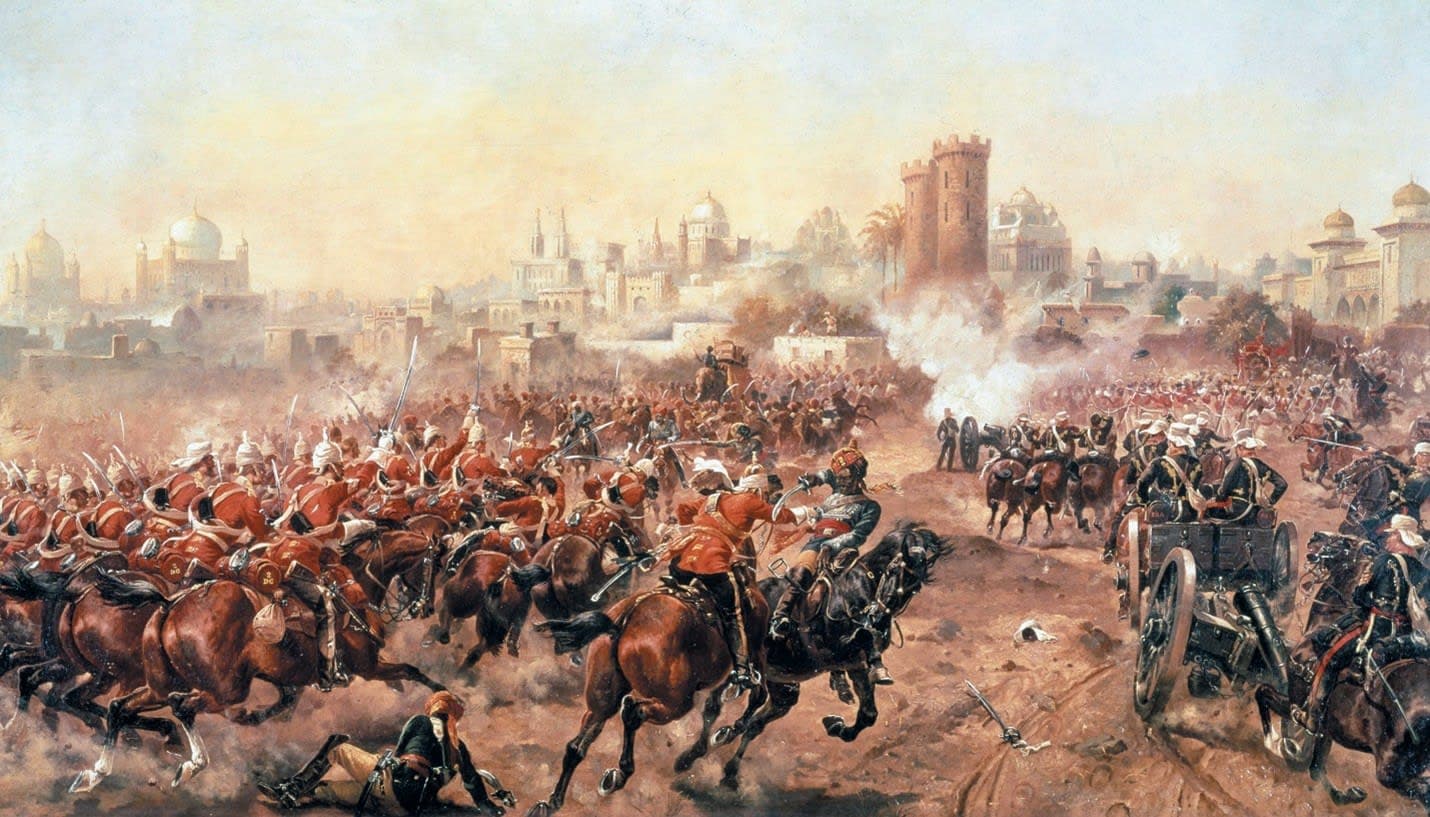

By the mid-19th century, the colonial policies pursued by the British East India Company had created the conditions for a large-scale revolt in India.
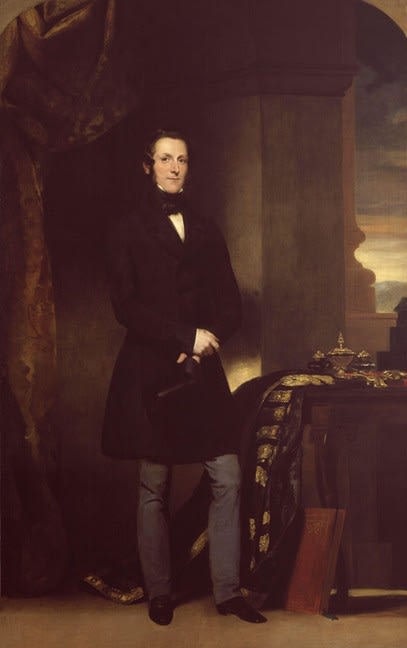
The economy was declining due to imports of British machine-made goods, which ruined local artisans. Crushing taxes and the annexation policy toward princely states pursued by the governor-general, Lord Dalhousie, provoked deep resentment. British social reforms such as the bans on sati and child marriage were perceived as a direct encroachment on cultural and religious traditions. The sepoys, Indian soldiers in the British army who had once been a privileged estate, had become “cannon fodder” and were likewise dissatisfied with their lot.

The immediate spark was the rumor that the new Enfield rifles used cartridges greased with animal fat—offensive to both Hindus and Muslims.
The first open acts of disobedience began on 26 February 1857 at Barrackpore, when the soldier Mangal Pandey refused to use the new cartridges. He was sentenced to death and hanged on 8 April. This event served as a catalyst. A full-scale uprising broke out on 10 May 1857 in Meerut, when 85 soldiers who had refused the cartridges were sentenced to hard labor. Their comrades mutinied, freed the prisoners, attacked British officers and civilians, and set out for Delhi.
On 11 May the rebels from Meerut arrived in Delhi and proclaimed the elderly Mughal emperor Bahadur Shah II as their leader. The revolt engulfed the city; sepoys and townspeople attacked Europeans and Indian Christians. The rebels seized the arsenal, and Bahadur Shah declared himself the rightful ruler of all India. His claim, however, created a split, as Sikhs and Marathas—unwilling to see a restoration of Mughal rule—turned away from the rebels.
Two other major centers of the uprising were Kanpur (Cawnpore) and Lucknow. In Kanpur the rebels under Nana Sahib besieged the British garrison. After its capitulation on 25 June, nearly all the British—including women and children—were killed during the evacuation.

It took time for the British to assemble forces brought from the metropole, Singapore, and China. On 21 September 1857, after a long siege, British troops—reinforced by Sikhs and Pashtuns—took Delhi. Brutal reprisals followed, Bahadur Shah was arrested, and his sons and grandson were shot.
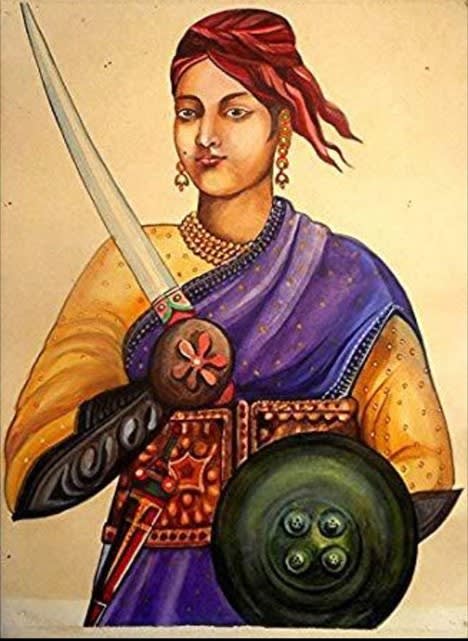
The suppression continued into 1858. General Colin Campbell relieved Lucknow. In January 1858 General Hugh Rose began a campaign in central India that led to the relief of Saugor and the capture of Jhansi on 3 April 1858, where the heroic Rani Lakshmibai fell. The last rebel forces were defeated at the Battle of Gwalior on 19 June 1858.
Despite being crushed, the uprising had enormous consequences. On 2 August 1858 the British Parliament passed an act abolishing the East India Company and transferring the governance of India directly to the British Crown. Indian princes and landlords became allies of the British, while laws were issued for the peasantry to curb feudal abuses. Though defeated, the Sepoy
Uprising was a turning point in India’s history, laying the groundwork for the future national liberation movement.


