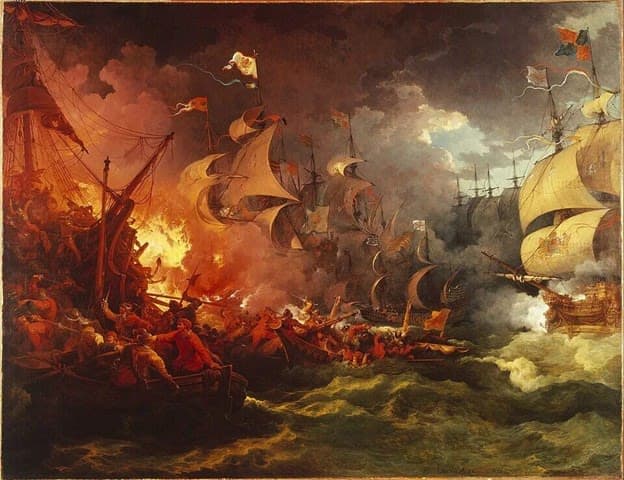

By the late 16th century, relations between Spain and England had reached the breaking point. English privateers, encouraged by Queen Elizabeth I, relentlessly plundered Spanish ships, inflicting massive losses on Iberian trade. In 1582 alone, Spain’s losses reached nearly two million ducats. England also provided financial and military aid to the Dutch rebels fighting for independence from Spanish rule.

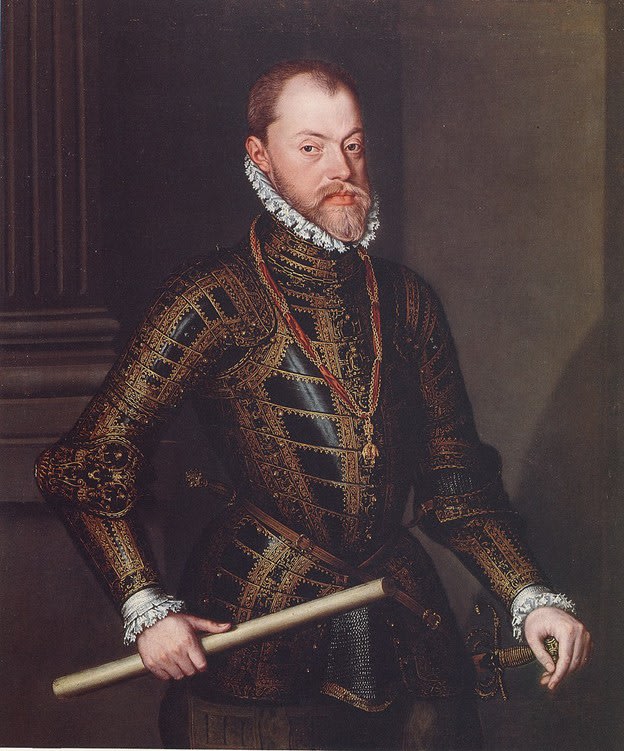
In retaliation, King Philip II of Spain resolved to strike a decisive blow. His aim was not only to destroy England’s navy but also to restore Catholicism to the Protestant kingdom. Onboard the Armada’s ships were around 180 priests, turning the expedition into a crusade. The Jesuit Pedro de Ribadeneyra expressed the spirit of the campaign: “The Lord Himself will lead us.” England, meanwhile, saw the conflict as a chance to secure naval supremacy, break Spain’s monopoly in the New World, and spread Protestantism across Europe.
Initially, command of the Armada was to go to Álvaro de Bazán, the Marquis of Santa Cruz who was Spain’s greatest admiral and the architect of the invasion plan. According to his design, the Armada would sail up the English Channel, join the 30,000-strong army of the Duke of Parma in Flanders, and together land in England to march on London.
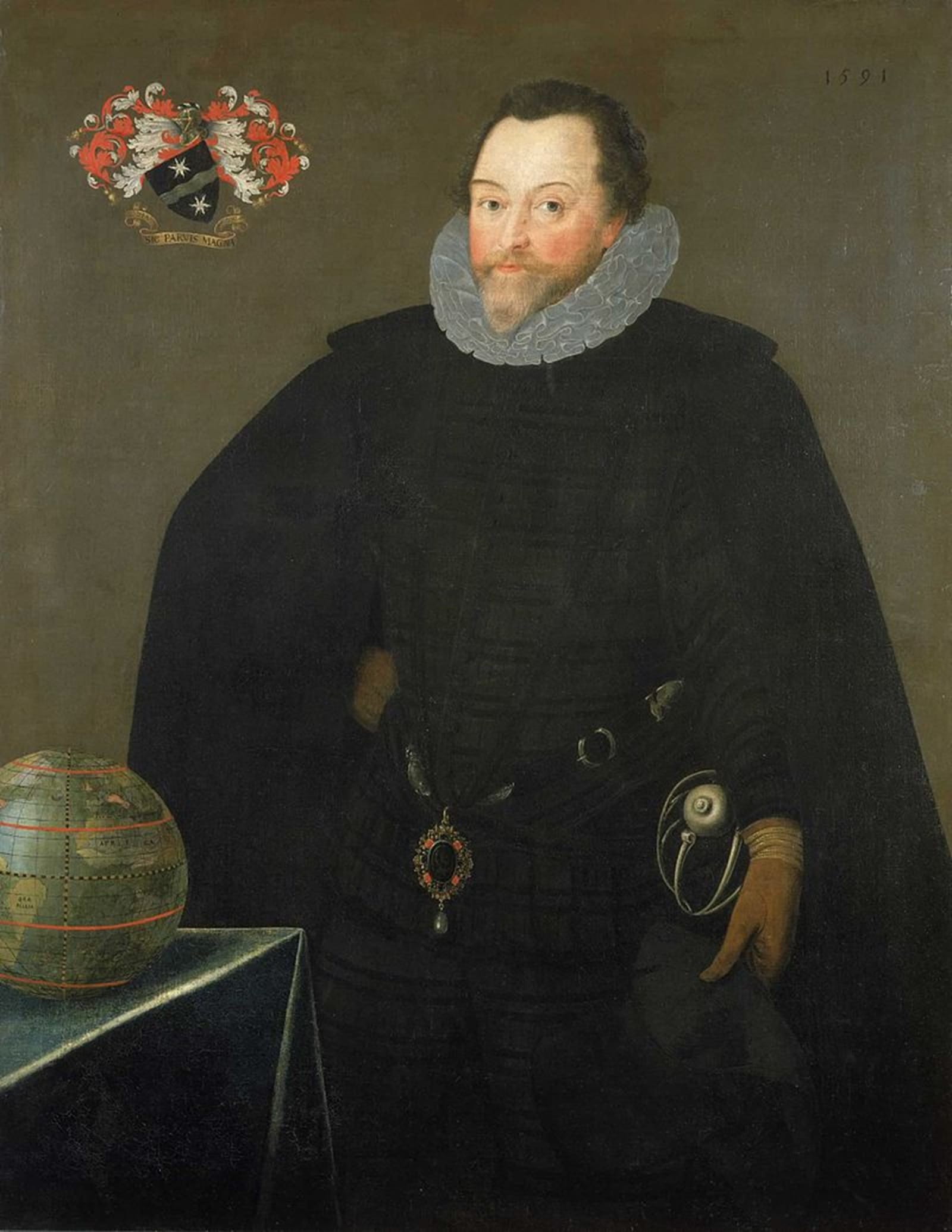
However, in 1587, Francis Drake’s daring raid on Cádiz destroyed much of Spain’s supplies and delayed the expedition by a year. Then, in February 1588, Santa Cruz died, and King Philip appointed the Duke of Medina Sidonia, Alonso Pérez de Guzmán, as commander. Though lacking naval experience, he was an able organizer. Under his direction, Spain assembled a mighty fleet of 130 ships manned by 30,500 sailors and soldiers, loaded with enormous stores of food and ammunition.
The Armada set sail from Lisbon on May 29, 1588, but storms forced it to shelter for two months in La Coruña. Finally, in July, the fleet entered the English Channel, where the English navy awaited. Both sides had around 130 ships, but the differences were striking: the Spanish galleons were tall and heavily built for boarding combat, while the English vessels were lower, more maneuverable, and armed with long-range cannons.
Medina Sidonia, aware of his disadvantage in speed and artillery, arranged his fleet in a tight crescent formation, defensive against attacks. The English, using their agility, harassed the Armada from a distance, bombarding it relentlessly but cautiously. Despite several engagements, the English initially failed to sink a single Spanish ship.
The turning point came on the night of August 7, near Calais. As the Armada anchored to await the Duke of Parma’s army, the English launched eight fireships vessels filled with explosives and set ablaze drifting toward the Spanish fleet. Panic ensued: captains cut their anchor cables, and strong winds scattered the formation.
The next morning, August 8, the Battle of Gravelines decided the campaign. The English, led by Francis Drake, closed in and fired broadside after broadside at the disordered Spanish ships. The Spaniards, running low on ammunition, were nearly helpless. The losses were catastrophic, and soon after, a fierce storm prevented the English from finishing the rout.
The remnants of the Armada fled north, attempting to return to Spain by sailing around Scotland and Ireland. This retreat turned into a disaster. Fierce gales, hunger, and lack of fresh water decimated the fleet. Of the 130 ships that had set sail, only about 60 made it home. A third of all personnel perished.
Though Spain quickly rebuilt its navy, the defeat of the Armada ended any hope of restoring Catholic rule in England.
For England, the triumph marked the beginning of its rise as the future “Mistress of the Seas.”



