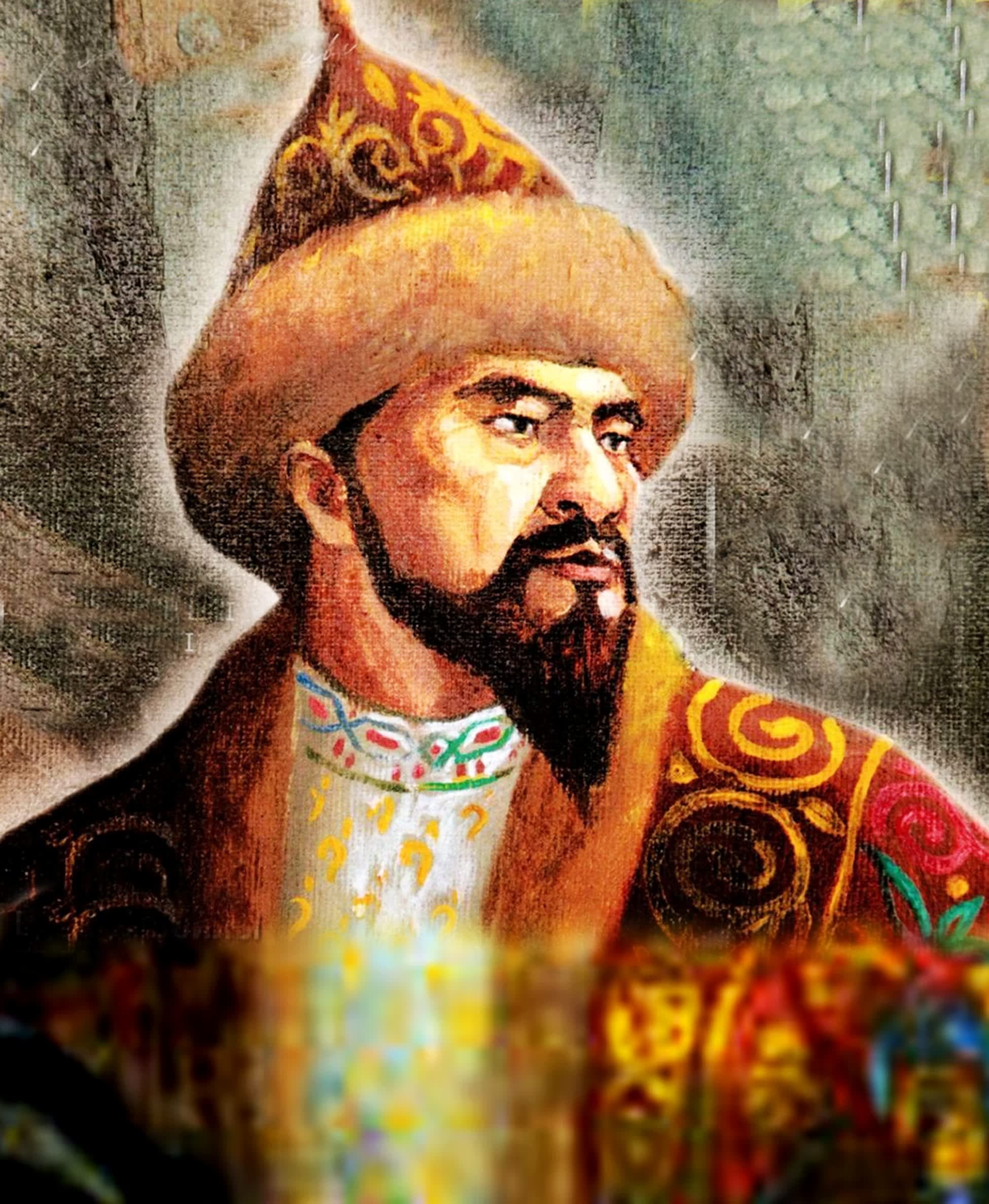
Tauyekel Khan, son of Shygai Khan and Yakhshim-Begim Khanum, was one of the most prominent figures in the history of the Kazakh Khanate at the end of the 16th century. He was not only an outstanding warrior and statesman but also a highly educated man fluent in Persian and known as a poet. His deep religiosity is evidenced by his membership in the Sufi order Naqshbandiyya, and his close association with Muslim clergy. In his letters, he emphasized that he fought against infidels and called for unity based on shared Islamic values.

Tauyekel is first mentioned in historical sources during the reign of his father, Shygai Khan. In July 1581, they arrived at the camp of Abdullah Khan II of the Shaybanid dynasty. Abdullah received Shygai and his son with exceptional honor and granted them lands near Khujand. This unexpected alliance between the Kazakhs and the Shaybanids was a notable political event since they had previously been sworn enemies.
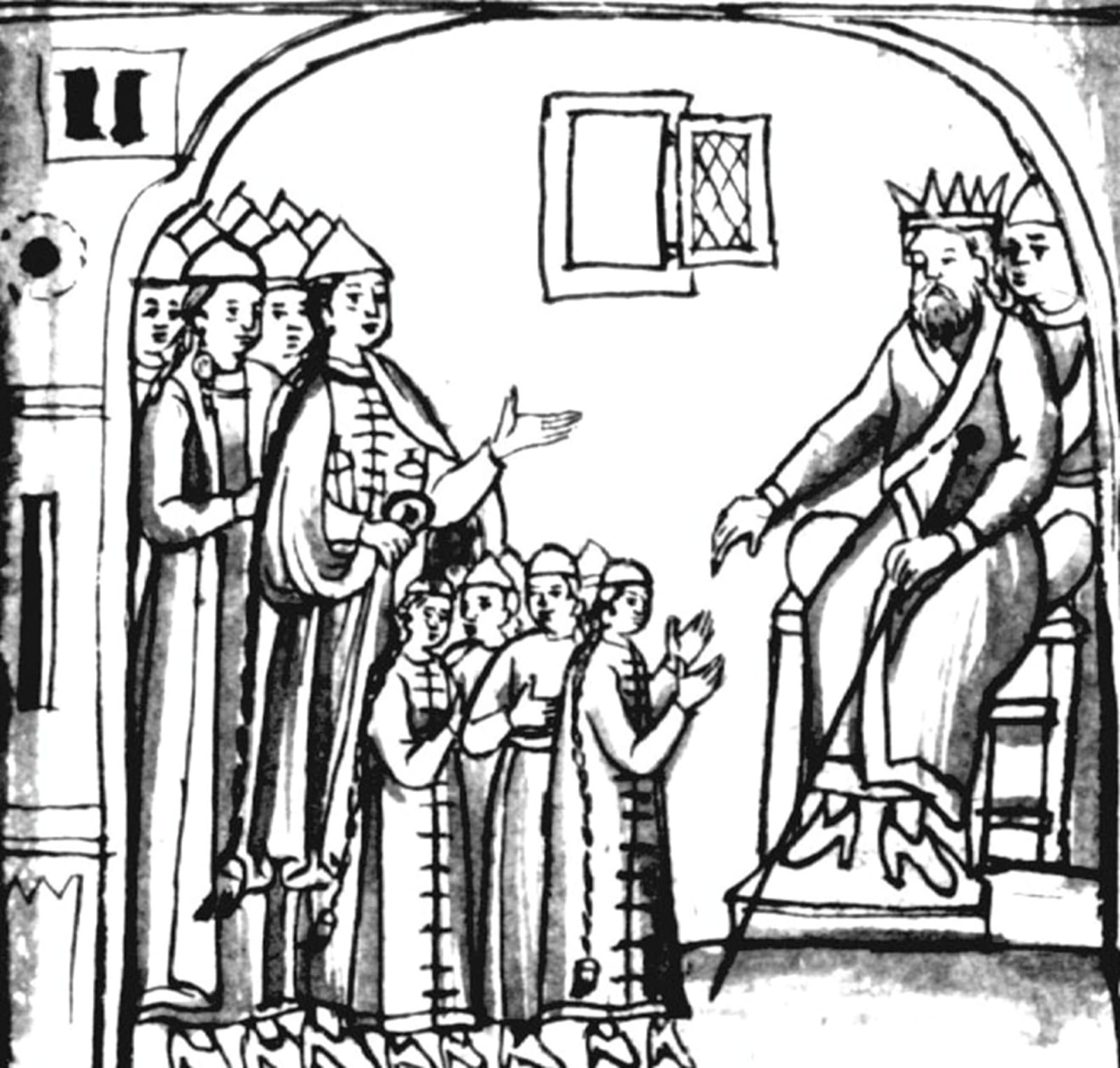
In early 1582, Shygai Khan and Tauyekel took part in Abdullah Khan II’s campaign against the rebel Baba Sultan. This campaign turned out to be Shygai’s last. After his father’s death, Tauyekel inherited the khan’s throne. Baba Sultan fled to the Nogais, but Tauyekel pursued and killed him, bringing his severed head to Abdullah Khan II. As a reward, he was granted the province of Afrikent.
Tauyekel maintained an alliance with the Chagataid rulers of Moghulistan. His influence was so great that he could decide who would ascend to the thrones of Turfan and Chalish.
However, the alliance with Abdullah Khan II did not last. By 1583, upon returning from campaign, Tauyekel grew suspicious of Abdullah’s intentions and left him. The exact reasons remain unclear, but it is believed that Tauyekel feared for his life since Abdullah had eliminated his rivals with Tauyekel’s help, he might now wish to eliminate Tauyekel himself. Moreover, Abdullah had failed to fulfill his promise to grant the Kazakhs four cities in Turkestan.
Tauyekel began a war for the Syr Darya cities. In 1586, he attempted to seize Tashkent, and also threatened Turkestan and Samarkand. He defeated Tashkent’s militia but was forced to retreat after facing the main Shaybanid army.
Tauyekel established active diplomatic relations with the Tsardom of Russia. In 1594, his envoy Kul-Muhammad arrived in Moscow to negotiate the release of Tauyekel’s nephew, who had been captured by the Russians. He also attempted to form an alliance with the Safavid Empire against the Shaybanids.
Moscow, in turn, proposed a military alliance with Tauyekel against the Bukharan and Siberian khan Kuchum, but on the condition that Tauyekel first defeat them himself. Tauyekel refused this offer.
During his reign, several Oirat tribes joined the Kazakh Khanate, and his brother Shah-Muhammad was placed in charge of a group referred to as “Kalmaks,” who, according to some historians, were actually Karakalpaks.
The culmination of Tauyekel Khan’s reign came with his campaign against Bukhara in 1598. Taking advantage of internal strife within the Shaybanid state, he gathered a massive armyup to 100,000 menand invaded Mawarannahr. He captured Tashkent, Samarkand, and several other cities, leaving his brother Yesim with 20,000 troops to hold Samarkand, while he advanced on Bukhara with 70,000.
However, Bukhara could not be taken by storm. After an eleven-day siege, Bukharan troops sallied out and inflicted a defeat on the Kazakhs. Tauyekel was forced to retreat, but Pir-Muhammad II, the Bukharan khan, pursued him. In the ensuing fierce battles, Tauyekel was gravely wounded and soon died in Tashkent.
Despite the defeat, Tauyekel’s campaign had lasting consequences. In 1598–1599, while the Kazakhs were fighting in Mawarannahr, the Safavids seized nearly all of Khorasan. Although Tauyekel did not achieve victory, his brother Yesim Khan continued the struggle and later succeeded in establishing permanent Kazakh control over Tashkent and Turkestan.


