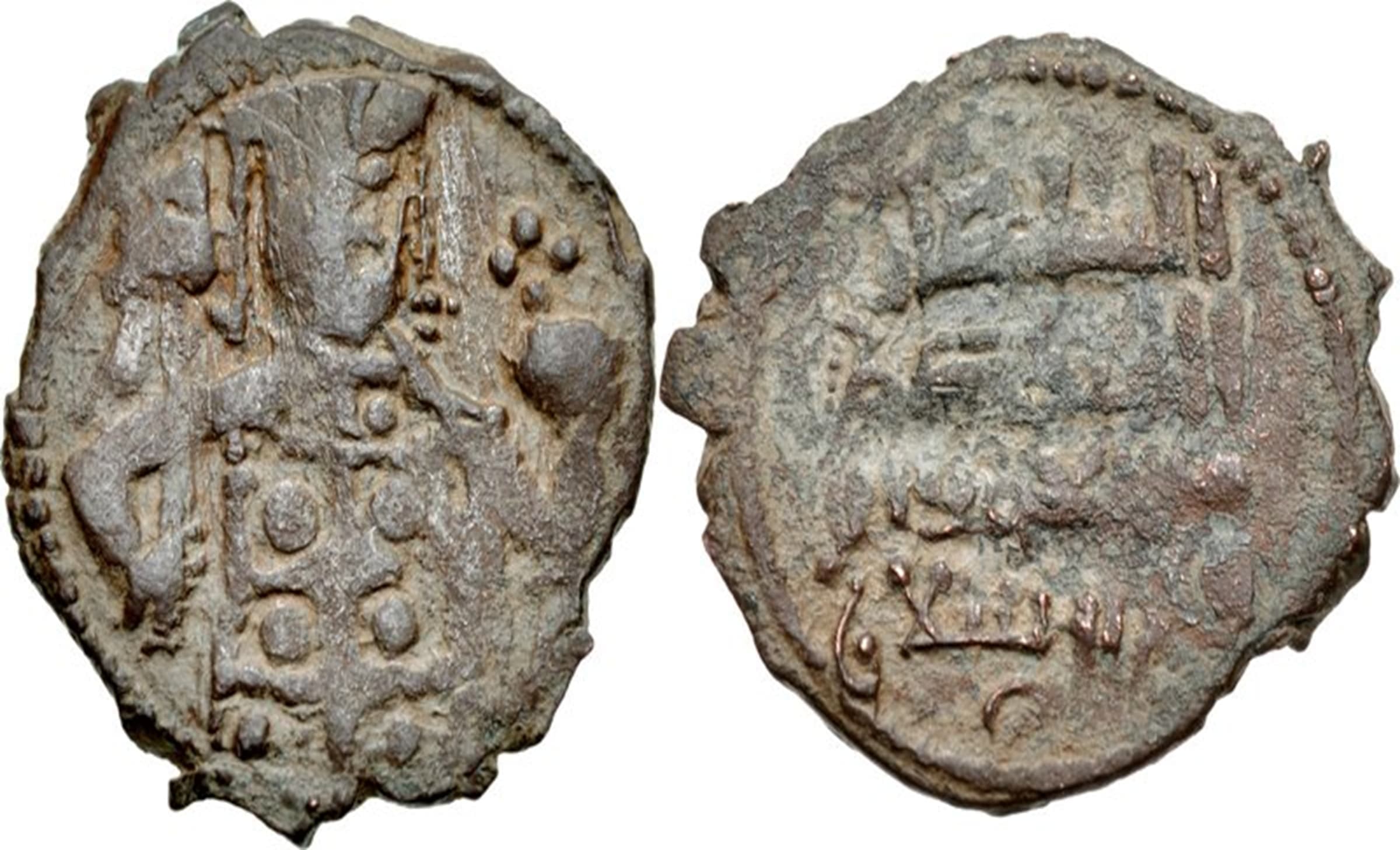

Mesud’s path to power was difficult and began in the shadow of catastrophe. In 1107, when his father Kilij Arslan I perished in the waters of the Khabur River, the Seljuk state effectively ceased to exist as a unified whole. The sources differ on where the young Mesud was at that moment: either he was in Mosul with his father and fell into captivity under the Great Seljuk sultan Muhammad Tapar, or he remained in Konya as heir. However, most researchers tend to believe that after his father’s death, Mesud spent several years in obscurity, possibly under the protection of the Danishmendids, while his elder brother Malik-Shah, or Shahin-Shah, tried to hold on to power.
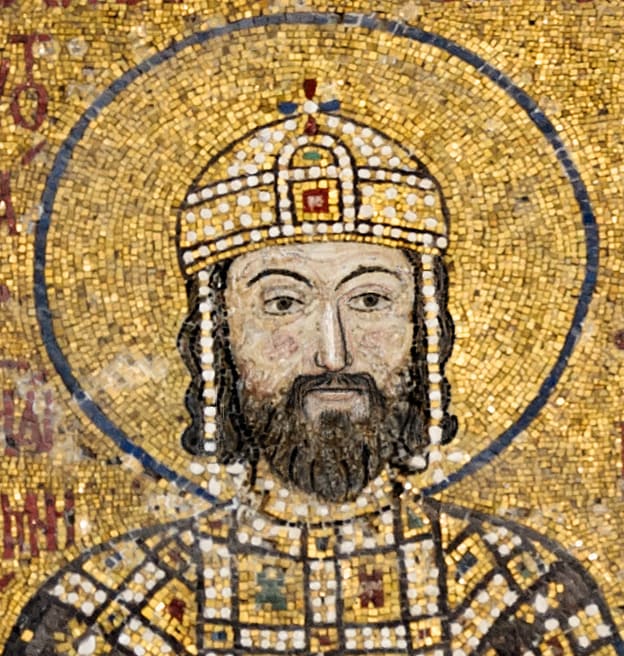
In 1110, after returning from captivity, Malik-Shah took power in Konya and immediately threw Mesud into prison, seeing him as a dangerous rival. However, Malik-Shah proved to be an unsuccessful ruler. His defeats at the hands of the Byzantines and his arrogance alienated the emirs. In 1116, while Malik-Shah was negotiating with Emperor Alexios Komnenos, the military commanders secretly freed Mesud. With the support of his father-in-law, the powerful emir Malik Ghazi of the Danishmendid dynasty, Mesud raised a rebellion. The end of this struggle was brutal: Malik-Shah was blinded — using a golden candlestick, a gift from the Byzantine emperor — and then strangled with a bowstring. In 1116, Mesud officially ascended the throne in Konya.
The first decades of Mesud’s rule were marked by dependence on his father-in-law, Malik Ghazi. This was a forced but wise alliance. Together they systematically eliminated other claimants to power. Mesud’s younger brother, Tughril Arslan, held the strategically important city of Melitene, or Malatya. After a six-month siege, Melitene fell in December 1124, and Tughril Arslan was forced to flee.
Another serious opponent was his brother Arab, who ruled in Ankara and Kastamonu. He accused Mesud of betraying their father’s ideals because he had handed Melitene over to the Danishmendids. In 1126, Arab marched with a 30,000-strong army and at first even won a victory. Mesud was forced to flee to Constantinople to seek help from John II Komnenos. After receiving gold and troops from the emperor, Mesud returned, joined forces with Malik Ghazi, and finally defeated Arab, who later died in exile in Byzantium. By 1127, Mesud had become the sole master of the Seljuk lands, although he continued to recognize the supremacy of his father-in-law until the latter’s death in 1134.
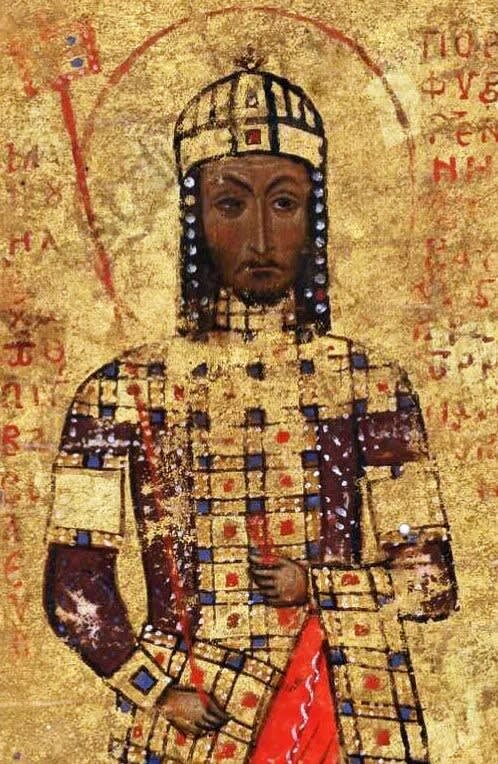
Mesud’s relations with Byzantium were a complex chess game. Emperor John II Komnenos, and later his son Manuel I, sought to drive the Turks completely out of Anatolia. In 1137–1138, John launched a grand campaign into Cilicia and Syria, devastating Seljuk lands. Mesud responded with bold raids on Adana and Marash.
The most serious test came in 1146, when Emperor Manuel I Komnenos approached the very walls of Konya with a huge army. Mesud proved himself a brilliant strategist: he evacuated the surrounding area, applied a scorched-earth strategy, and entrusted the defense of the city to his wife, while he himself maneuvered in the mountains with hidden detachments, wearing down the Byzantines. Realizing that the city was impregnable and that reinforcements were coming to Mesud from the east, Manuel was forced to retreat. This retreat turned into a disaster for the Greeks — in the narrow passages near the Tzibrelitzemani Pass, Seljuk archers destroyed around 20,000 Byzantine warriors. Manuel was forced to ask for peace and return the captured castles, including Prakana.
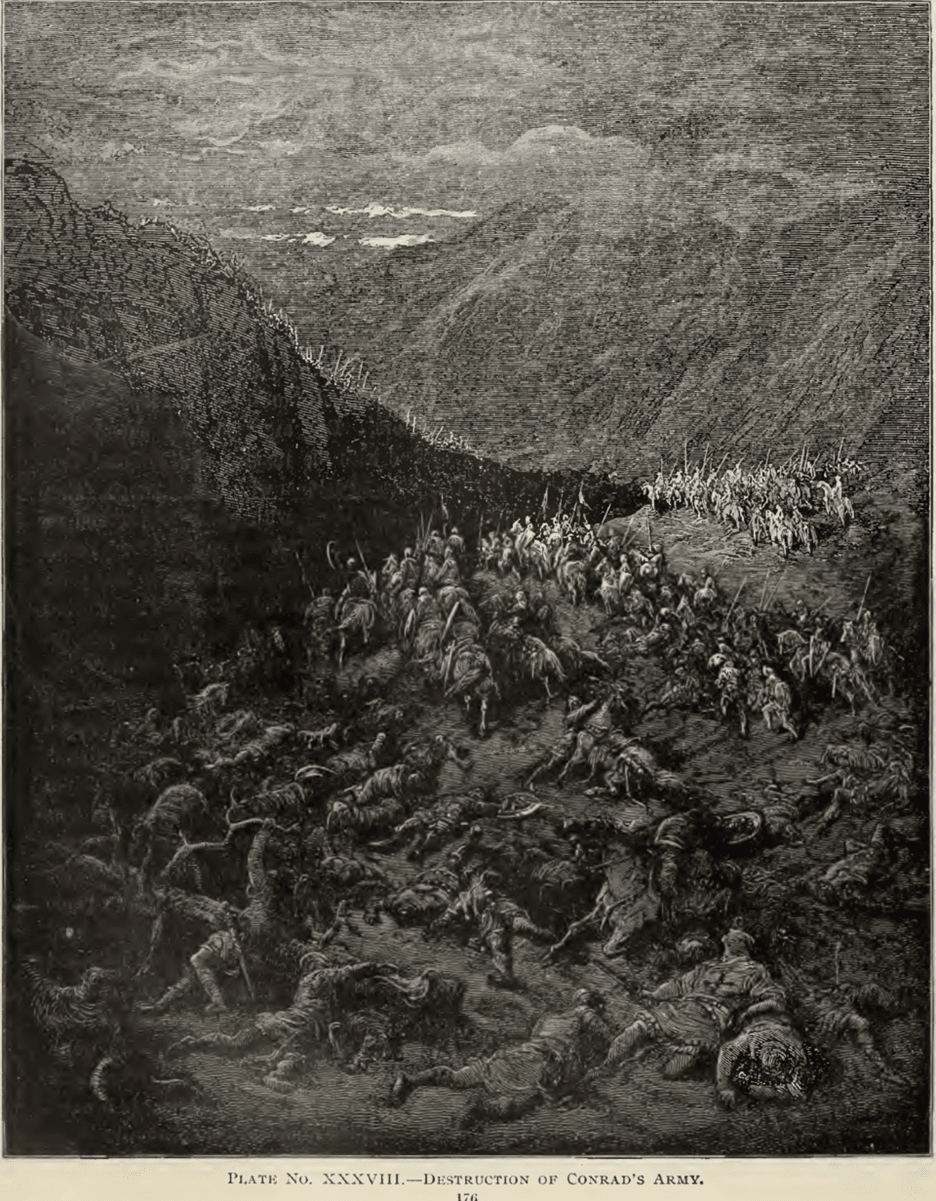
One of the most striking episodes in Mesud’s biography was his clash with the knights of the Second Crusade in 1147–1148. When the German king Conrad III moved through Anatolia in the footsteps of the First Crusade, Mesud prepared a “warm” welcome for him.
On 26 October 1147, near Dorylaeum — on the very place where, fifty years earlier, the crusaders had defeated his father — Mesud took full revenge. The Seljuk light cavalry, avoiding hand-to-hand combat, literally showered the Germans with a hail of arrows. Of Conrad’s 70,000-strong army, barely a tenth survived. The spoils were so enormous that the price of silver in the markets of Melitene fell to the price of lead.
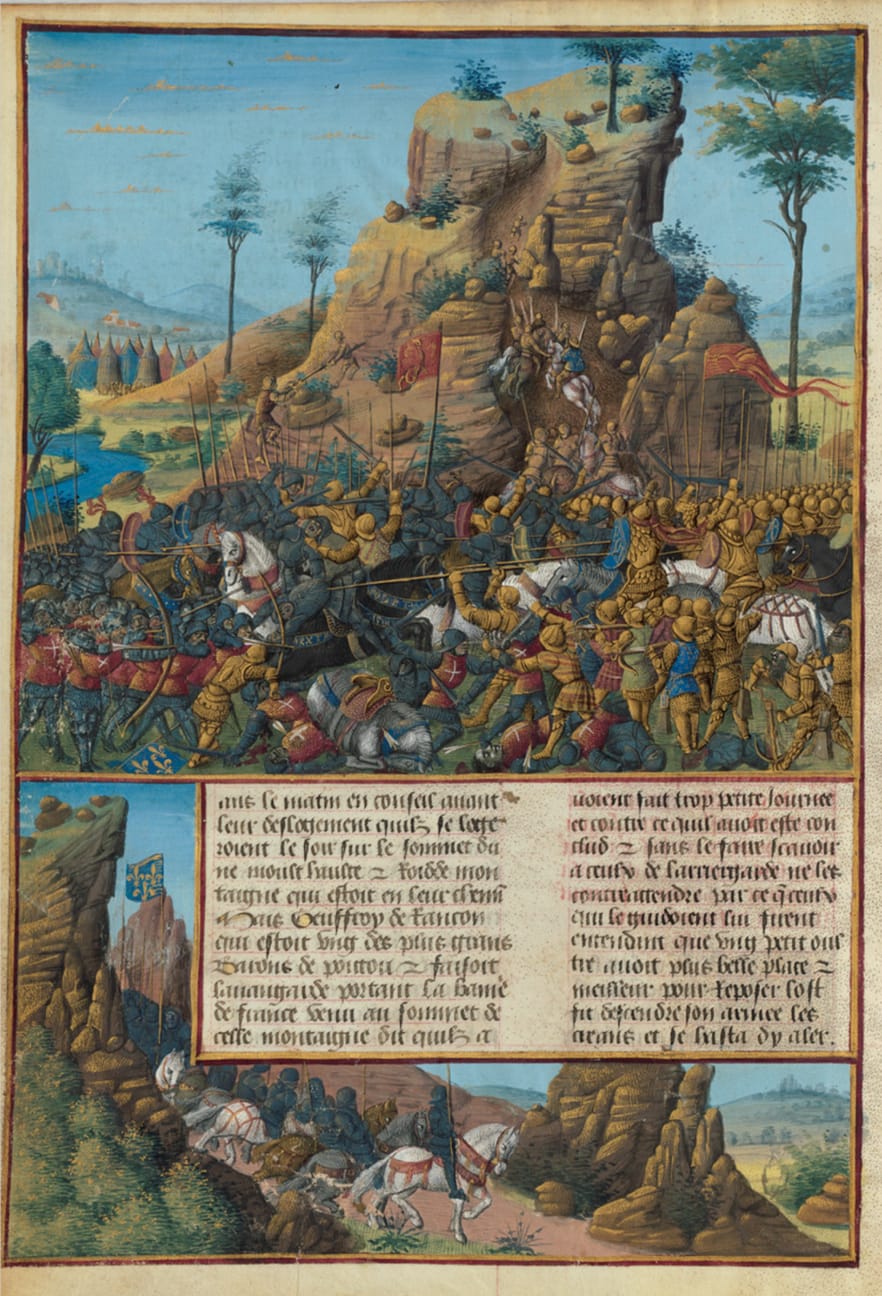
Several months later, on 7 January 1148, Mesud defeated the French king Louis VII near Mount Cadmus. The French fell into an ambush in a narrow gorge: their army stretched out and was cut into pieces. King Louis barely escaped, climbing over the rocks under fire. These victories by Mesud effectively buried the Second Crusade, forcing the surviving knights to reach Syria by sea and leaving the overland routes under complete Seljuk control.

In the final years of his life, Mesud actively intervened in the affairs of Northern Syria, acting in close alliance with his son-in-law — the famous Nur ad-Din Mahmud Zangi. In 1150–1151, through their joint efforts, they finally destroyed the County of Edessa. Mesud captured Marash, Kaisun, Besni, and Aintab, expanding his possessions to the banks of the Euphrates. His authority among Muslim rulers was so great that the Artuqids and minor emirs sought his protection and patronage.
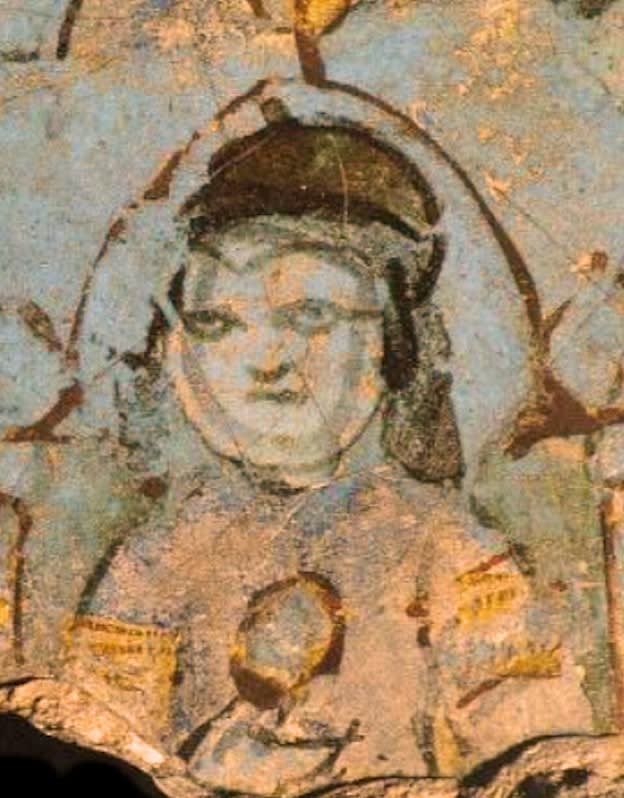
Mesud’s attempts to conquer Cilicia in 1153–1154 were less successful because of harsh weather conditions and a sudden outbreak of plague in the camp, which forced him to make peace with the Armenian ruler Thoros II.
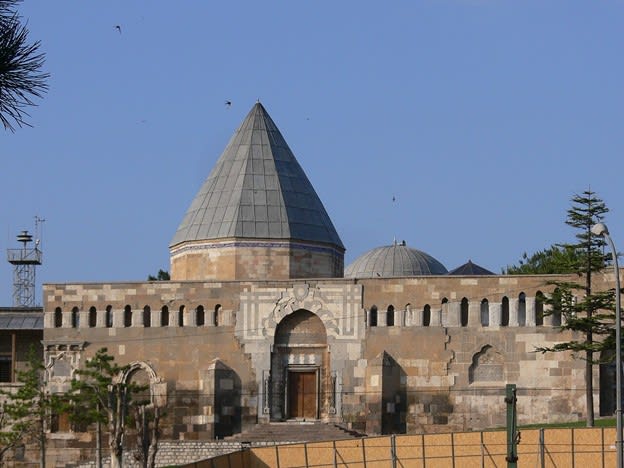
Mesud I died in April or May 1155 after a long illness. Before his death, he managed to summon his son Kilij Arslan II from Elbistan, place the crown on his head, and force the emirs to swear allegiance to him, thereby ensuring a peaceful transfer of power. The sultan was buried in Konya, in the türbe at the Alaeddin Mosque, whose construction he himself had begun.
Statehood: He was the first of the Anatolian Seljuks to mint his own coinage, which symbolized full independence.
Economy: Under him, a large-scale transition of nomadic Turks to settled life began, while trade routes and markets developed.
Demography: His wise tax policy attracted even Christians from Byzantine lands, who preferred to pay a fixed jizya to the Seljuks rather than be ruined under the oppression of Byzantine officials.
Symbolism: It was under Mesud I that Western chroniclers began using the term “Turchia” — Turkey — for Asia Minor.
Mesud I left his son a prosperous and powerful state, transforming himself from a modest “prince of Konya” into a “Great Sultan,” a pillar of the faith and defender of the Islamic world.


