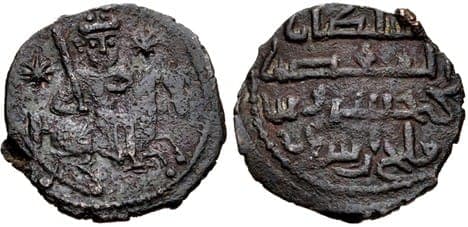

The story of Kaykhusraw begins with a mystery. Although the exact date of his birth is hidden in the depths of time, researchers, relying on the chronicles of Tuncer Baykara, suggest that he may have been born around 1164. His father, Kilij Arslan II, married his mother in 1162, and this marriage was most likely an important political act. The origin of Kaykhusraw’s mother has long been a subject of debate: the Byzantine historian Niketas Choniates directly called her a Christian, while the Anonymous Seljukname points to her kinship with the Bulgarian tsar Kaloyan. Modern medievalists, such as Claude Cahen, generally agree that she was a noble Byzantine woman. There is even a version that Kaykhusraw was adopted by the Byzantine emperor, which would explain his close ties with Constantinople in the future.
The prince’s very name — Kaykhusraw — refers to the Persian epic hero from the Shahnameh, emphasizing the deep influence of Persian culture on the Seljuk court. The prefix Ghiyath al-Din, meaning “Aid of the Religion,” was a traditional Arabic laqab. This combination of names symbolized the unique fusion of cultures embodied by the youngest heir to the throne.
Kaykhusraw first stepped onto the stage of history during the great division of the sultanate. Around 1186–1188, the aging Kilij Arslan II, exhausted by decades of wars, made the fatal decision to distribute his lands among his sons and relatives, retaining only supreme authority in Konya. The youngest son received an important but troubled appanage — Uluborlu and Kütahya.
This region, populated mainly by Greeks, became a school of diplomacy for Kaykhusraw. Located on the very frontier with Byzantium, it taught him how to balance the interests of nomadic Turkmen tribes and the local Christian population. His rule in Uluborlu was marked by attempts to establish dialogue with the empire: he even acted as mediator in the case of the rebel Theodore Mangaphas, handing him over to Isaac II Angelos under guarantees that his life would be spared. This act provoked the fury of Kaykhusraw’s elder brothers, who later used it as an accusation of “baseness” during the struggle for the throne.
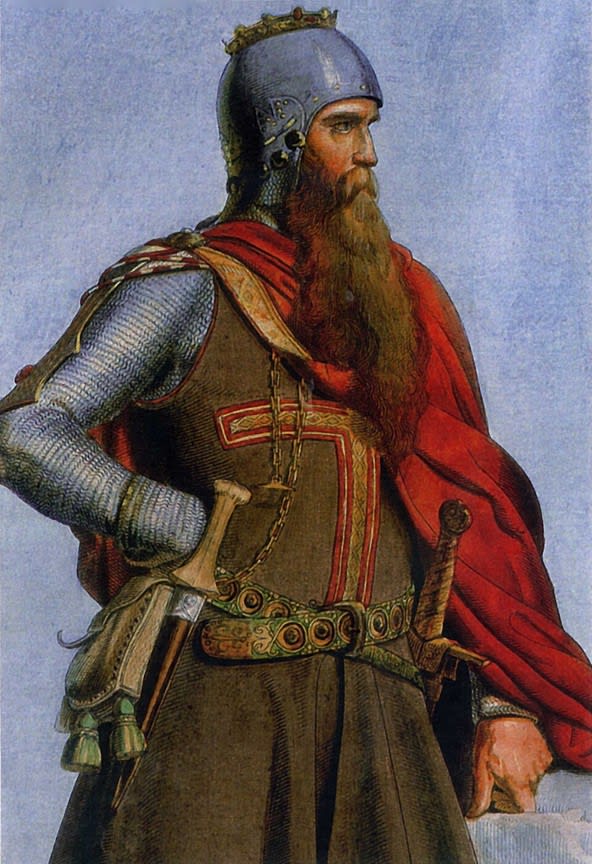
Kaykhusraw’s peaceful rule was interrupted by the Third Crusade. In 1189–1190, the army of Frederick Barbarossa passed through Seljuk lands. While his elder brother Malik-Shah had effectively taken their father prisoner in Konya, Kaykhusraw did not remain passive. Although the main blows of the crusaders were borne by Malik-Shah and Masud, Kaykhusraw, according to Ibn Bibi, personally took part in skirmishes with the “Germans,” defending his frontier lands.
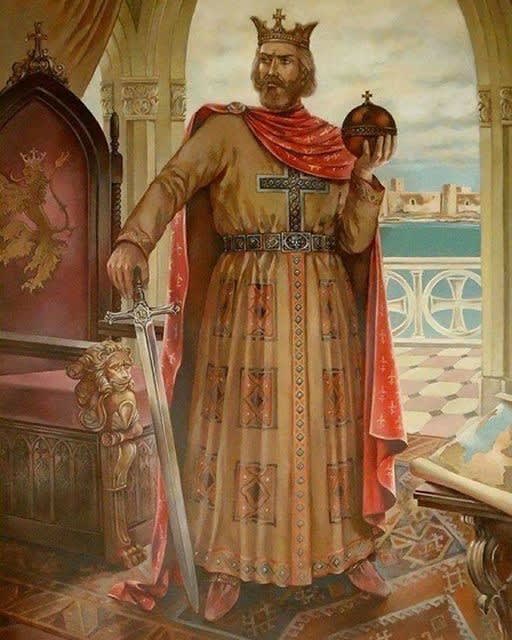
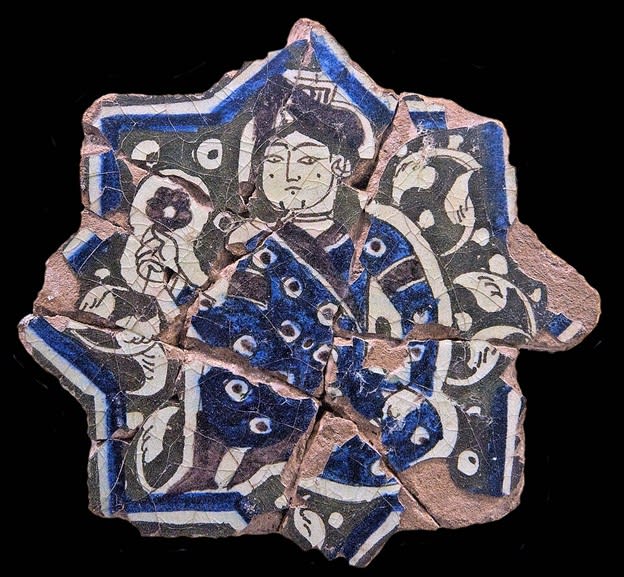
After Barbarossa passed through Anatolia and died in June 1190, internal strife in the sultanate reached its peak. The old Kilij Arslan II, having escaped the control of his eldest son Malik-Shah, found refuge precisely with Kaykhusraw in Uluborlu. Impressed by the loyalty of his youngest son, the sultan officially proclaimed Kaykhusraw his heir. Together they returned to Konya and drove out Malik-Shah. However, this triumph was overshadowed by the death of his father on 26 August 1192. From that moment began the first, brief period of Kaykhusraw I’s reign.
Kaykhusraw became sultan, but his power was fragile. His elder brother Rukn ad-Din Suleiman-Shah, who ruled in Tokat, had no intention of recognizing the supremacy of his younger brother, especially one who was the “son of a Christian woman.” Using propaganda and accusing Kaykhusraw of poisoning their father, Suleiman-Shah besieged Konya in 1196.
The siege lasted four long months. Hunger began to decimate the inhabitants of the capital, and Kaykhusraw, showing nobility, decided not to sacrifice the people for the crown. He concluded an agreement, or ahidname, with his brother and, after receiving guarantees of safety, left the city under cover of night. From that moment began a long decade of wandering, which transformed him into an experienced international politician.
Kaykhusraw’s path in exile was full of hopes and disappointments.
Cilicia and Elbistan: First, he sought help from the Armenian king Leo II and from his brother Tughril-Shah, but received only honors and rich gifts, not an army.
Aleppo and Diyarbakir: He visited the court of Saladin’s son, al-Zahir, and that of the Artuqid Qutb ad-Din Sukman II. Everywhere he was received as a great sovereign, but no one wanted to become involved in a war against the now-powerful Suleiman-Shah.
Ahlat and Samsun: Passing through the lands of the Ahlatshahs, Kaykhusraw finally reached the Black Sea coast.
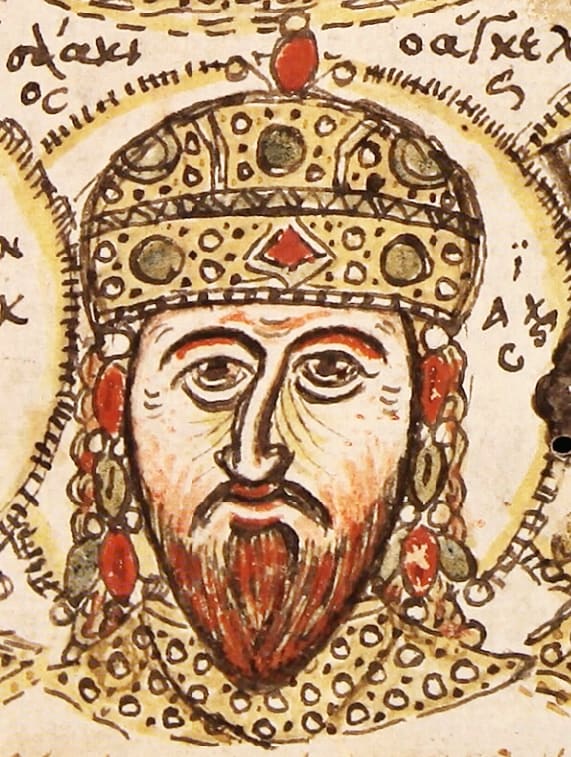
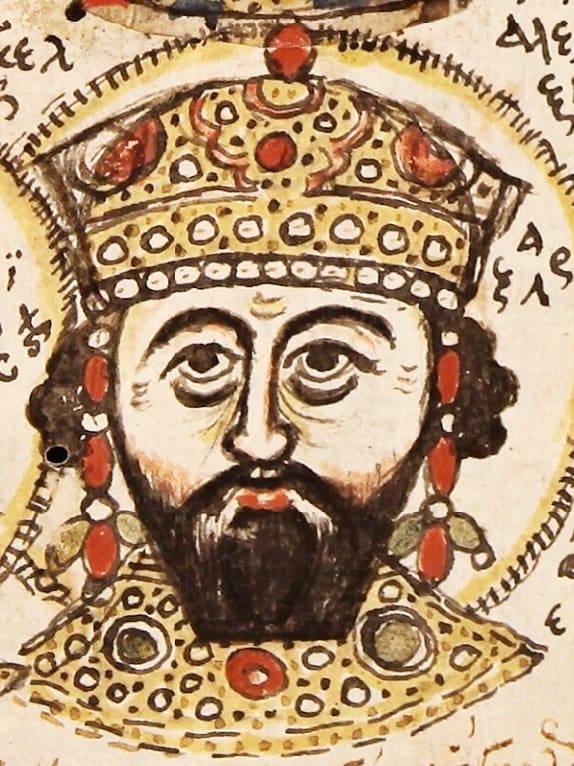
Around 1199–1200, Kaykhusraw arrived in Constantinople at the court of Emperor Alexios III Angelos. The Byzantine period of his life became decisive: he married the daughter of the influential nobleman Manuel Maurozomes and effectively became part of the Byzantine elite. Rumors circulated about his baptism and adoption by the emperor, but historians believe that Kaykhusraw merely made skillful use of Byzantine court etiquette while preserving his Muslim identity.

When the crusaders captured Constantinople in 1203, Kaykhusraw found temporary refuge in the lands of his father-in-law. However, fate was preparing an unexpected turn for him.
In July 1204, his main enemy and brother, Suleiman-Shah II, suddenly died. The child Kilij Arslan III was placed on the throne in Konya, but the old guard of emirs — Kaykhusraw’s friends — did not want the rule of a child and regents. They sent messengers to the man whom they regarded as the legitimate heir.
The road home was not easy. Theodore Laskaris, founder of the Empire of Nicaea, tried to blackmail Kaykhusraw, demanding the return of frontier towns in exchange for passage. Kaykhusraw was forced to leave his sons, Kaykaus and Kayqubad, as hostages. However, thanks to the cunning of his mentor Majd ad-Din Ishaq, the princes managed to escape during a hunt, and Kaykhusraw was freed from all obligations to the Greeks.
At the beginning of 1205, Kaykhusraw approached Konya. The first attempt to storm the city in January failed — the local clergy issued a fatwa against him, accusing him of ties with the “infidels.” Yet this was only the beginning of the final struggle for the throne, which would forever secure for him the name of the great restorer of the dynasty.
In March 1205, Kaykhusraw officially regained the throne. His road to Konya passed through Aksaray — his father’s old military base, whose inhabitants were the first to swear allegiance to him. In the capital itself, however, the sultan had to face resistance inspired by Qadi Tirmizi. The punishment was swift and severe: the qadi was executed, and the fields around the city were destroyed as a warning to the disobedient.
The fate of his young nephew, Kilij Arslan III, was sealed. Although Kaykhusraw initially mercifully assigned him Tokat, he soon changed his mind and ordered the boy to be imprisoned in the impregnable castle of Gevele. The child’s disappearance from the chronicles speaks eloquently: the sultan left no potential rival alive.
Kaykhusraw began the centralization of power. He appointed his sons, Kayqubad and Kayferidun, to govern important regions, but imposed strict restrictions:
Ban on minting coins: Only the sultan’s name could appear on gold and silver.
Ban on the khutbah: Prayers were to be said only in Kaykhusraw’s name.
Restriction of foreign policy: No wars or peace treaties were permitted without a direct order from Konya.
He also strengthened his suzerainty over neighboring dynasties. The rulers of Erzincan and Harput recognized him as their lord, and when the Artuqids of Diyarbakir tried to contest these territories, Kaykhusraw sent a six-thousand-strong army, forcing the enemies to retreat and acknowledge his supremacy.
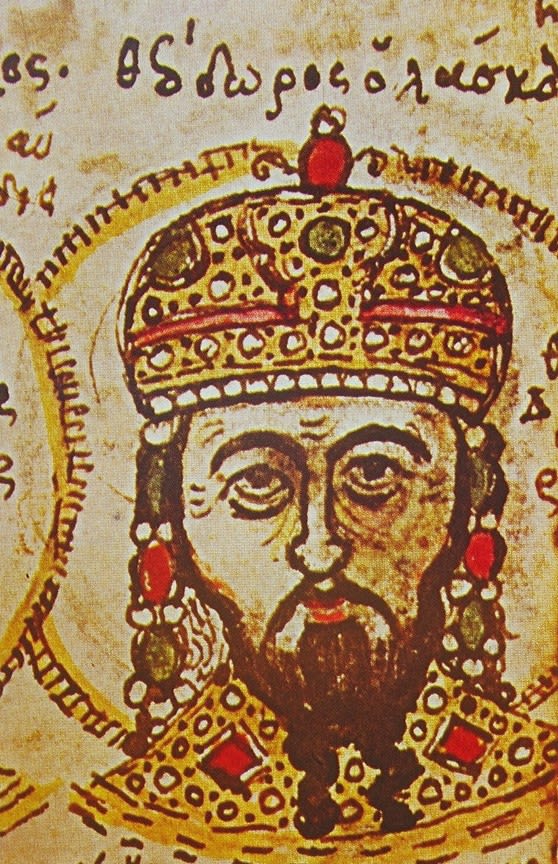
The collapse of the Byzantine Empire into the Latin, Trebizond, and Nicaean empires opened unique opportunities before Kaykhusraw. He skillfully maneuvered among the fragments of Byzantium. First, he formed an alliance with Theodore Laskaris against the Komnenoi of Trebizond, winning an important victory near Samsun. To his father-in-law, the Byzantine aristocrat Manuel Maurozomes, the sultan helped establish his own principality in the Maeander Valley, which served as a buffer between the Seljuks and Nicaea.
The sultan’s greatest achievement was the capture of Antalya — the key port of the Mediterranean. At that time the city was held by the Venetian adventurer Aldobrandini with support from crusaders from Cyprus. The siege was difficult and took place in two stages. Kaykhusraw showed cunning: he temporarily lifted the blockade in order to exhaust the city through hunger, and waited for the moment when Antalya’s native Greek population rebelled against the arrogant Latins.
On 5 March 1207, corresponding to 3 Sha‘ban 603 AH, the Seljuks broke into the city. The first warrior to climb the highest tower was Husam ad-Din Yavlak Arslan, who raised the sultan’s banner there. The conquest of Antalya changed everything:
The Seljuks became full participants in maritime trade for the first time.
The first trade treaties were signed with Venice and Cyprus.
The sultan introduced a system of insurance unusual for its time: he paid compensation to merchants whose goods had been plundered by pirates or robbers.
While Kaykhusraw was conquering the coast, the Armenian king Leo II tried to take advantage of the turmoil and attacked Seljuk lands. In response, in 1208–1209 the sultan swiftly captured Marash and invaded deep into Cilicia.
Leo’s son, Grigor, who was defending the castle of Pertus, fell into Kaykhusraw’s hands. Realizing that resistance was useless, Leo II begged for peace through Ayyubid mediators. The sultan agreed, but on harsh terms: the Armenians had to pay enormous compensation for their raids and guarantee the safety of trade caravans traveling from Anatolia to Syria. By this point, Kaykhusraw’s influence extended even to Mosul and Erbil, where the khutbah was read in his honor in the mosques.
The end of Kaykhusraw I’s reign was as eventful as its beginning. Conflict with the Empire of Nicaea had long been brewing. The pretext was the former emperor Alexios III Angelos, who came to the sultan and asked for help in recovering his throne from the “usurper” Laskaris.
In June 1211, two armies met near Alaşehir. The Seljuk army, numbering about 20,000 men, greatly outnumbered the forces of Theodore Laskaris, who had around 2,500 men. The beginning of the battle favored the Seljuks: the sultan personally fought Laskaris and even knocked him from his saddle. It seemed that victory was in Kaykhusraw’s hands. But, as often happens in history, everything was decided by chance — or by excessive self-confidence.
There are several versions of his death.
The Byzantine version: Laskaris, after falling from his horse, managed to hamstring the sultan’s mare. Kaykhusraw fell to the ground and was beheaded.
Ibn Bibi’s version: The sultan forbade the killing of the fallen Laskaris, showing nobility. While his guards rushed to pursue the retreating Greeks, a “Frankish horseman” sprang from ambush and struck the sultan in the back.
Modern research on the sultan’s remains confirmed that he died from a blow from behind, not from decapitation.
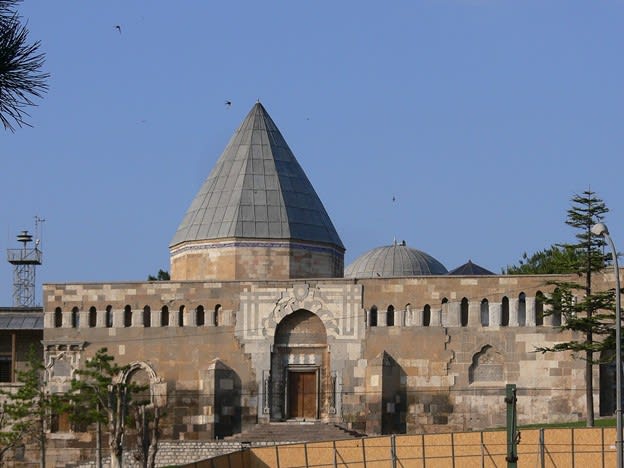
The body of the great sultan was temporarily buried in Alaşehir and then solemnly transported to Konya, where it was laid to rest in the tomb at the Alaeddin Mosque. Along with him, according to ancient custom, his horse was placed in the mausoleum.
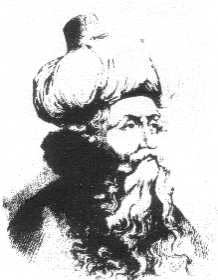
Kaykhusraw I left behind a state at the height of its power. He was a man of unique “dual identity”: Muslim by upbringing, yet deeply connected to Byzantine roots and networks.
Scientific flourishing: He transformed Konya and Kayseri into intellectual centers, inviting the finest scholars of the time, including the great mystic Ibn Arabi.
The sultan supported the creation of professional guilds, the Ahi, which helped nomadic Turkmens transition to settled life and taught them crafts.
Religious tolerance: Under him, Christians, Jews, and Armenians felt secure, which contributed to the rapid growth of cities and the economy.
Kaykhusraw I became the bridge by which the Seljuk Sultanate of Rum moved from endless civil wars to the golden age that would come under his sons — Kaykaus I and Kayqubad I.


