Kaykaus was the eldest son of Sultan Kaykhusraw I. His childhood was far from cloudless: in 1196, when the boy was still very young, his father was overthrown by his own brother, Suleiman-Shah II. The family was forced to flee to Byzantium. The years of exile turned into a long odyssey. The princes’ atabeg, Emir Sayf ad-Din Ayaba, later recalled how he carried the little Kaykaus and his brother Kayqubad on his shoulders and cut their hair with his own hands, replacing both a mentor and a protector for them.
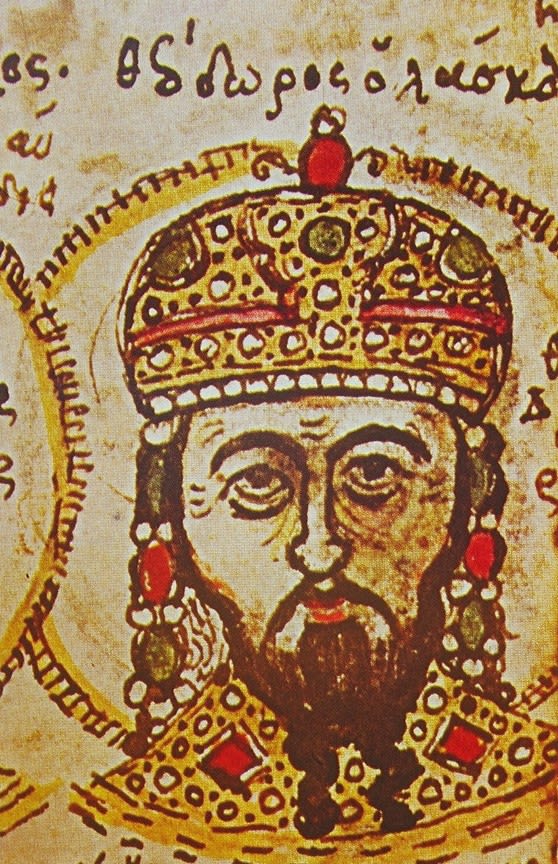
In July 1204, after the death of the usurper Suleiman-Shah, Kaykhusraw I decided to reclaim the throne. However, the path to power required political sacrifices: he had to leave his sons as hostages with the Nicaean emperor Theodore Laskaris. Only in January 1205, thanks to the cunning of the hajib Zekeriya, did the princes manage to escape. Under the pretext of hunting in the mountains, they drew their guards away, crossed the border into Seljuk territory, and returned to their father in Konya. From that moment, Kaykaus entered high politics, receiving Malatya as his appanage and the honorary title of malik.

Calm ended in 1211, when Sultan Kaykhusraw I died in the Battle of Alaşehir. The sultanate had no clear law of succession, and the country immediately sank into chaos. On 21 July 1211, the first enthronement ceremony, or julus, of Kaykaus took place in Kayseri, supported by most of the emirs. But his younger brother Kayqubad had no intention of surrendering. He assembled a powerful coalition that included the ruler of Erzurum, Tughril-Shah, and the Armenian king Leo II, and besieged Kaykaus in Kayseri.

Kaykaus proved himself a brilliant diplomat and strategist. Instead of entering a hopeless battle, he decided to bribe his brother’s allies. The Armenian king Leo II was offered a generous reward: 1,200 mudds of grain and control over the cities of Luluwa, or Ulukışla, Ereğli, and Larende. Leo accepted the gifts and left Kayqubad’s camp, and Tughril-Shah followed him. Left without support, Kayqubad fled to Ankara.
The siege of Ankara dragged on for many months. Kaykaus was so determined that he ordered permanent houses, and even a madrasa, to be built for his soldiers directly outside the city walls, preparing for a siege that could last for years. In the spring of 1213, the inhabitants of Ankara, exhausted by hunger, surrendered. Kayqubad was captured and imprisoned in the castle of Minshar. It is said that the sultan wanted to execute his brother, but his mentor Majd ad-Din Ishaq restrained him from fratricide, preserving Kayqubad’s life for future great achievements.
Having strengthened his internal authority, Kaykaus I turned his attention to foreign trade. He understood that the strength of the state lay in merchants’ money. In 1213, or possibly 1216, he concluded a historic agreement with King Hugh Lusignan of Cyprus, and later with the Venetians. These were advanced treaties for their time: the parties guaranteed protection against pirates, renounced the “right of wreck” — the plundering of shipwrecked vessels — and ensured the free transit of goods.
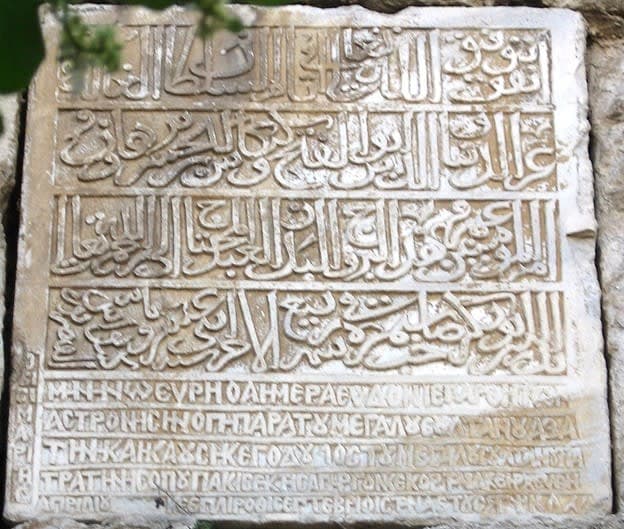
However, controlling trade required ports of one’s own. In 1214, Kaykaus launched a grand campaign to the north. The emperor of Trebizond himself, Alexios I Komnenos, fell into Seljuk captivity — according to one version while hunting, according to another in battle. On 2 November 1214, Sinop fell. This was a tremendous victory: the sultan received from the caliph the title as-Sultan al-Ghalib, meaning “the Victorious Sultan,” and the Empire of Trebizond became a vassal of the Seljuks.
The next target was the south. Antalya, captured by Kaykaus’s father, had been lost as a result of a Christian uprising. On 22 January 1216, Sultan Kaykaus triumphantly retook the city, storming its walls with the help of siege engines and brave warriors who entered the city by ladders. Now the Sultanate of Rum controlled both the northern and southern sea gates of Anatolia.
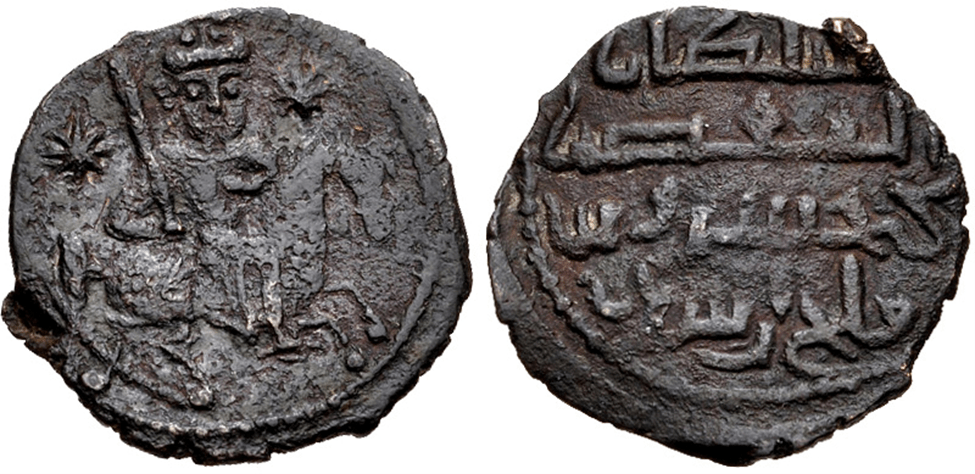
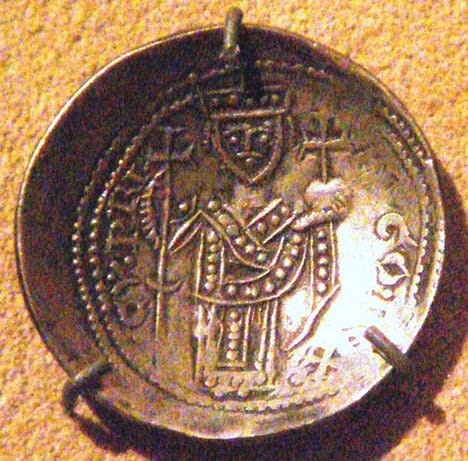
The zenith of Kaykaus’s power came in 1216–1218. He finally subdued Cilician Armenia, forcing Leo II to mint coins bearing the name of the Seljuk sultan and pay an annual tribute of 20,000 gold pieces. But the sultan’s ambitions extended further — toward Aleppo.
The campaign of 1218 against the Ayyubids proved fatal. Kaykaus’s army numbered 14,000 warriors, but because of the overconfidence of his commanders, the vanguard was defeated by the forces of al-Ashraf. The sultan was forced to retreat. Hot-tempered and disappointed, Kaykaus committed an act that contemporaries regarded as a sign of madness: suspecting his emirs of treason, he locked them inside a house in Elbistan and ordered it to be burned to the ground. Ibn al-Athir later wrote that Allah did not forgive the sultan for such cruelty and shortened his days on earth. Later, repenting, Kaykaus built the “Mosque of the Burned” — Yanık Masjid — on the site of the execution.
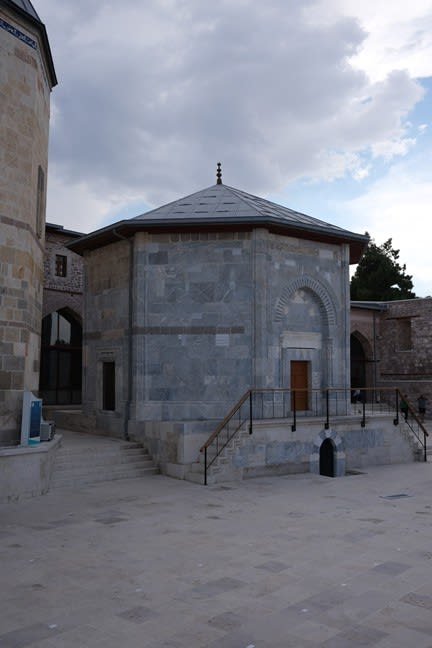
Kaykaus did not manage to take revenge on his enemies. In January 1220, or according to some accounts at the end of 1219, he died of tuberculosis in Viranşehir. The sultan greatly loved the city of Sivas for its clean air, which eased his suffering during his illness, and therefore he instructed that he be buried there.
Kaykaus I was a man of contrasts: a brilliant patron of the arts, a lover of fine culture and philosophy, yet at the same time a severe warrior who spent much of his life on campaign. His marriage to Selçuk Khatun in 1217 became a symbol of the unification of the Anatolian dynasties, and his reign prepared the ground for the “golden age” of his brother Kayqubad, whom he had once mercifully left alive.


