
The death of al-Walīd I tore away the veil from all the smoldering conflicts within the ruling elite. Sulaymān, who owed his power neither to his brother’s governors nor to their networks, regarded them solely as a threat and as loyal servants of the late caliph. His revenge was systematic and merciless.

The first to fall was the legendary Mūsā ibn Nuṣayr, the conqueror of the Maghreb and Spain. For having rushed the spoils of war to the dying al-Walīd ignoring Sulaymān’s request to “wait”—Mūsā was fined the colossal sum of 100,000 dinars and imprisoned. His sons, ʿAbdallāh and ʿAbd al-ʿAzīz, were accused of treason and executed. According to tradition, the head of ʿAbd al-ʿAzīz was presented to his seventy-year-old father during a reception at the caliph’s court. The aged commander did not survive this grief and died later that same year.
No less tragic was the fate of Muḥammad ibn al-Qāsim, the conqueror of Sind. As a protégé of the hated al-Ḥajjāj, he was removed from office and subjected to a torturous execution: he was wrapped alive in a raw hide which, as it dried and shrank, strangled him. Qutayba ibn Muslim, the conqueror of Transoxiana, realizing that the same fate awaited him, attempted to raise a revolt but was betrayed by his own troops and killed.

The old guard was replaced by Yazīd ibn al-Muhallab, whose family had previously suffered at the hands of al-Ḥajjāj. He became Sulaymān’s chief instrument in persecuting supporters of the former regime, turning state administration into an endless cycle of extortion and tribal vendetta.
Seeking to bolster his authority as “Protector of the Holy Sanctuaries,” Sulaymān spared no expense on Mecca and Medina. By his order a water conduit was built to Mecca, and a luxurious palace was erected in Medina. Yet behind the mask of a generous ruler lurked a temperament inclined toward capricious cruelty.
A notorious episode occurred during a majlis in Medina, when the caliph was presented with four hundred Byzantine captives. Sulaymān turned their execution into a courtly spectacle: to the applause of court poets, noble Arabs competed in the force of their blows as they severed the prisoners’ heads. Even in sacred Jerusalem his temper made itself felt: the caliph ordered all the city’s lepers burned alive because the ringing of their bells disturbed his sleep. Only the intervention of ʿUmar ibn ʿAbd al-ʿAzīz succeeded in commuting the sentence to exile in a remote settlement.
Taking advantage of civil war within Byzantium, Sulaymān resolved to deliver a crushing blow to the empire. In 717 a colossal army (reported by sources to number up to 90,000 men) and a fleet of 500 ships were assembled under the command of the caliph’s brother Maslama.
The Arabs entered into a complex game with the Byzantine strategist Leo the Isaurian, who promised to help them capture the city. Leo, however, outwitted Maslama: persuading the Arabs to destroy their own food supplies in anticipation of a swift surrender, he entered Constantinople as the new emperor Leo III and broke the alliance.
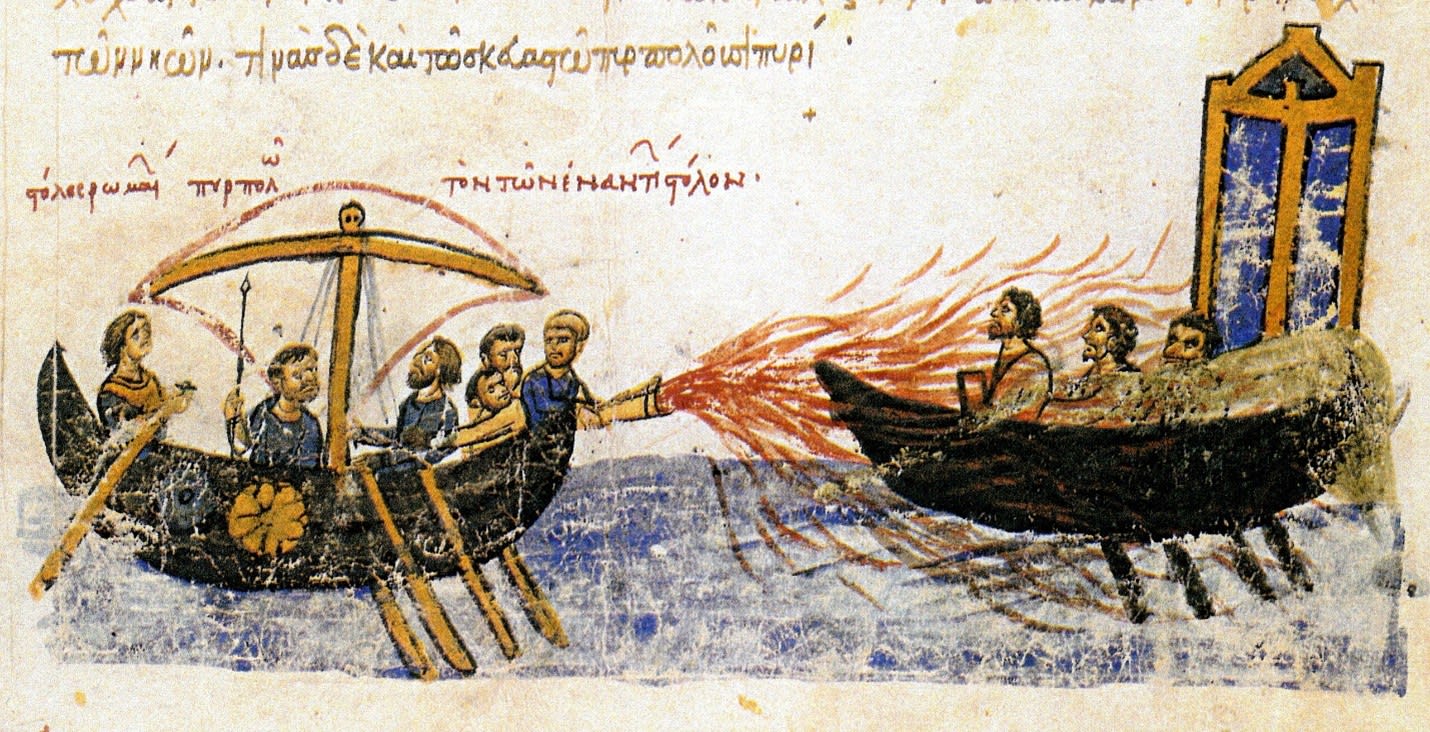
An exhausting siege began amid an exceptionally harsh winter. The Arab fleet was partly destroyed by Greek fire, while the land forces, left without fodder, were forced to eat all their horses. Mobilized sailors from Egypt and Africa deserted, unwilling to die for Umayyad interests. The campaign conceived as Sulaymān’s triumph turned into a strategic catastrophe.

While Maslama was perishing beneath the walls of Constantinople, an event occurred deep in the rear that would determine the fate of the Umayyad dynasty. At the estate of al-Ḥumayma, Abū Hāshim, leader of one branch of the ʿAlids, died. On his deathbed he transferred his claims to the imamate and the allegiance of the mawālī (supporters of change) to Muḥammad ibn ʿAlī of the Abbasid line.
This transfer of authority went unnoticed by Sulaymān, yet it laid the foundation for the future Abbasid Revolution. Muḥammad ibn ʿAlī skillfully exploited mystical prophecies and expectations surrounding the centennial of rule, launching clandestine propaganda against the “tyrant Umayyads.”
In September 717, Sulaymān ibn ʿAbd al-Malik fell gravely ill in the military camp at Dābiq. His eldest son was dead, and his second son was trapped in a hopeless siege before Constantinople. Reluctant to pass power to brothers with whom he had strained relations, the forty-three-year-old caliph on the advice of his intimates made perhaps the wisest decision of his life.
He appointed his cousin ʿUmar ibn ʿAbd al-ʿAzīz as successor. Sulaymān died leaving behind an empire in the midst of profound military and internal crisis—one that would be confronted by a ruler whose reign would later be called the “fifth Rightly Guided Caliphate.”


