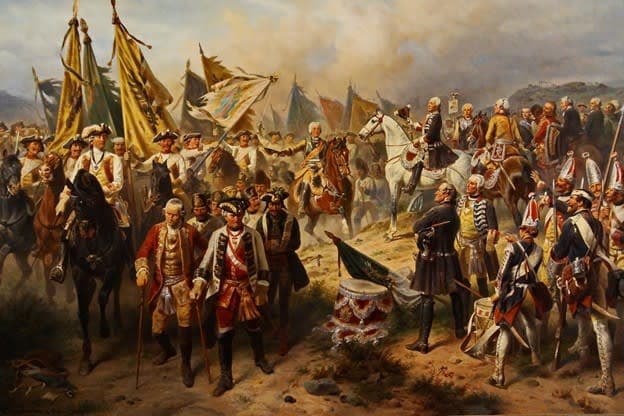

The first salvos of the Seven Years’ War were fired not in Europe but overseas. As early as 1754–1755, the Anglo-French colonial rivalry in North America turned into open armed clashes that involved regular armies and allied Indigenous tribes. By 1756 the conflict had escalated into a full-scale war, and Great Britain officially declared war on France, marking the beginning of a global confrontation.
This colonial conflict disrupted the traditional system of alliances in Europe, leading to the so-called “reversal of alliances.” The old rivalry between Austria and France gave way to a new threat coming from Prussia. Under the rule of Frederick II, Prussia, having won the Silesian Wars, took from Austria the richest province of Silesia, doubling its territory and population. Austria, led by Maria Theresa, thirsted for revenge.

In January 1756 Great Britain, seeking to protect its Hanoverian possessions from a possible French attack, concluded an alliance treaty with Prussia. Counting on British subsidies and on England’s influence over Russia, Frederick II hoped to avoid a two-front war. However, he underestimated the scale of the outrage that his alliance with the English provoked in France and in Russia. The French royal favorite, the Marquise de Pompadour, whom Frederick had insulted, became one of the main supporters of the anti-Prussian alliance.
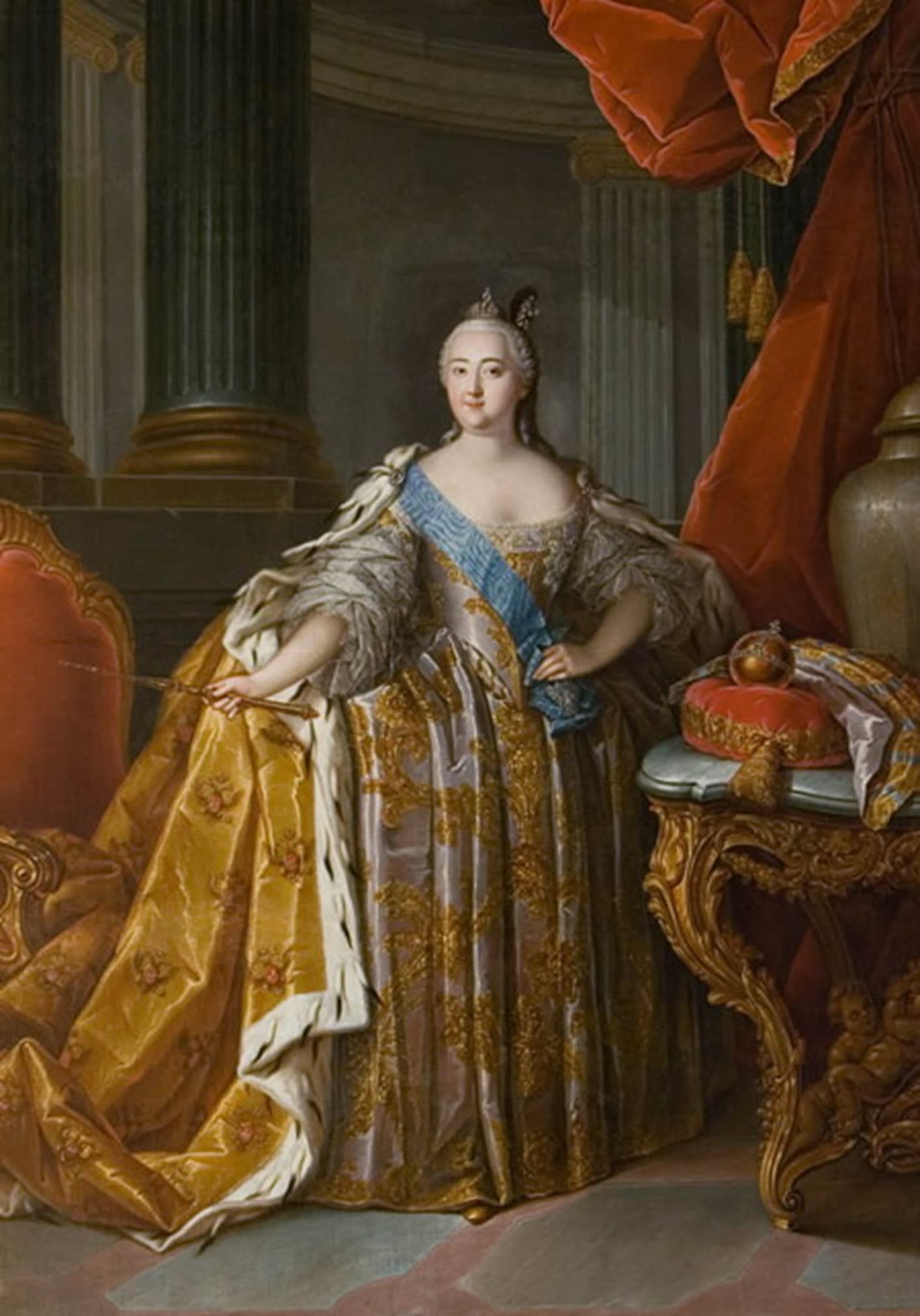
Austria, taking advantage of this moment, concluded a defensive alliance with France, which was the result of many years of diplomatic efforts by the Austrian chancellor Count Kaunitz. Soon Russia also joined this alliance. The Russian Empress Elizabeth Petrovna saw in the strengthening of Prussia a threat to Russia and its interests in the Baltic.
Thus, a coalition of the three strongest continental powers – Austria, France, and Russia formed against Frederick II, which he contemptuously dubbed the “alliance of three old women.” Despite outward bravado, Frederick perfectly understood that his forces were incomparable.


Not waiting for his opponents to gather their forces, Frederick II decided to act preemptively. On August 28, 1756, he suddenly invaded Saxony, which was an ally of Austria and Russia. The invasion had two goals: to use wealthy Saxony as a bridgehead for an offensive against Austria and to replenish his army at the expense of Saxon soldiers. Soon the Saxon army was encircled and capitulated, and its soldiers were forcibly incorporated into the Prussian army.
In April 1757 Frederick II invaded Austrian Bohemia. In the Battle of Prague on May 6 the Prussian army defeated the Austrians, forcing them to retreat and take refuge within the city walls. Frederick began the siege of Prague, hoping for a quick capitulation. However, the Austrian army under Field Marshal Daun approached the city, and the 20,000-strong Prussian force found itself in a difficult position.
On June 18, 1757, the Battle of Kolín took place. For the first time in his career, Frederick suffered a crushing defeat at the hands of Daun. The siege of Prague was lifted, and the Prussian army was forced to retreat into Saxony.

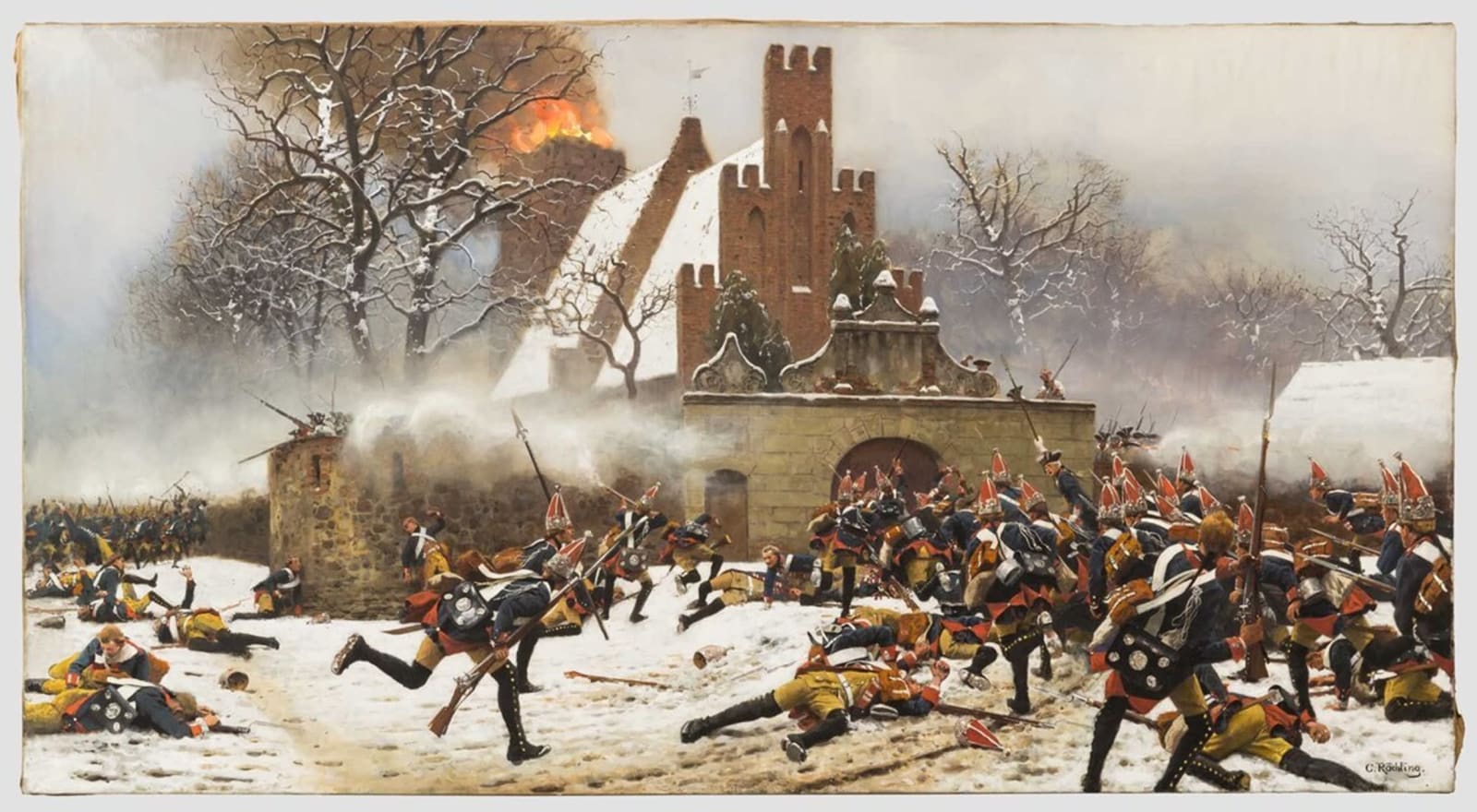
The defeat at Kolín became a turning point. French troops and the forces of the Holy Roman Empire invaded Thuringia, and the Austrians won a number of victories over Prussian generals in Silesia, capturing the key fortresses of Schweidnitz and Breslau. Even the Prussian capital, Berlin, was briefly seized by the Austrian general Hadik.
However, Frederick II did not give up. Redeploying his troops to Silesia, on December 5 he won a brilliant victory at the Battle of Leuthen, driving back the Austrians and restoring his position. The 1757 campaign ended in a “fighting draw.” Frederick, who until then had been considered by European monarchs an insolent upstart, earned a reputation as a brilliant commander capable of standing firm in an unequal struggle.
In the spring of 1757 France entered the war, and its army was considered one of the strongest in Europe. A 70,000-strong French corps under Marshal Louis d’Estrées invaded Hanover, the hereditary possession of the English king, and quickly occupied it.
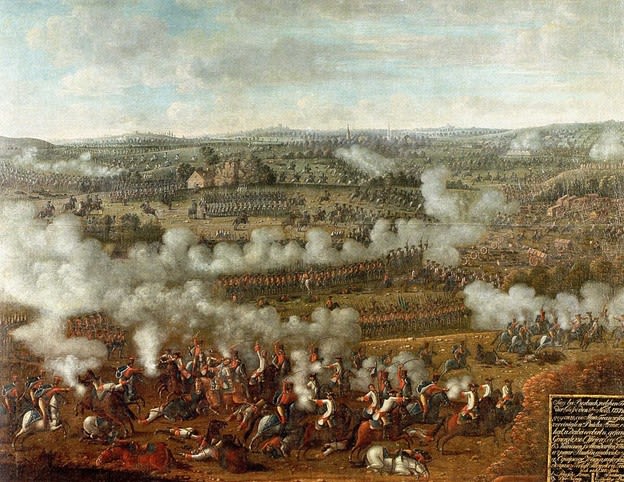
Meanwhile, a second French army, allied with the Imperial forces, threatened Prussia from Saxony. On November 5, 1757, near the village of Rossbach, Frederick II’s army, numbering 22,000 men, dealt a crushing defeat to an enemy force twice its size. The French generals, who confidently believed they had encircled the Prussian army, were routed in a matter of hours. This defeat sparked a wave of indignation and anti-war sentiment in France.
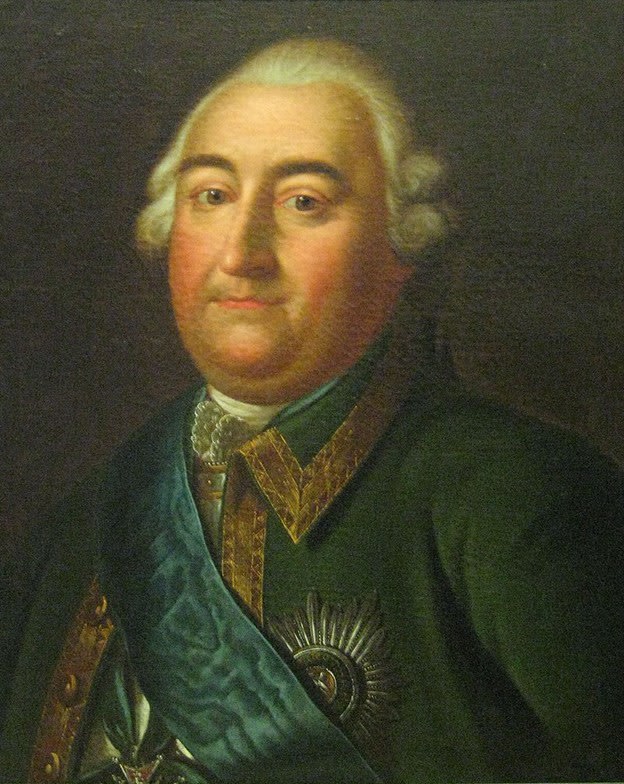
In the summer of 1757 Russia entered the war. A 65,000-strong Russian army under Field Marshal Stepan Apraksin moved into East Prussia. Despite victory at the Battle of Gross-Jägersdorf on August 30, 1757, Apraksin suddenly ordered the army to retreat. Rumors spread that he feared the ailing Empress Elizabeth Petrovna would die and the throne would pass to her nephew Peter III, known for his admiration of Frederick II. For this escapade Apraksin was removed from his post and arrested.
The new commander-in-chief became General Wilhelm Fermor. At the beginning of 1758 he occupied all of East Prussia and its capital Königsberg without resistance. He then moved into Brandenburg and in August besieged the key fortress of Küstrin on the road to Berlin. Frederick II immediately set out to meet him. On August 14, 1758, the bloody Battle of Zorndorf took place. The battle turned into a chaotic slaughter in which both sides suffered huge losses. In the end, the Russian army, despite enormous casualties, held the field, which allowed it to be considered the victor. Frederick II was forced to acknowledge the strength of the Russian army, while Fermor himself withdrew his troops to the Vistula, failing to exploit the victory.
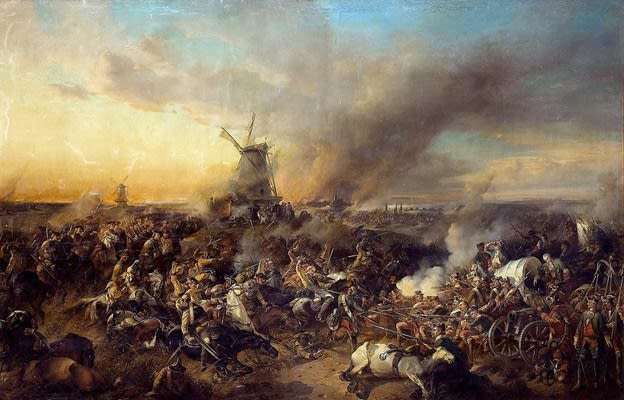
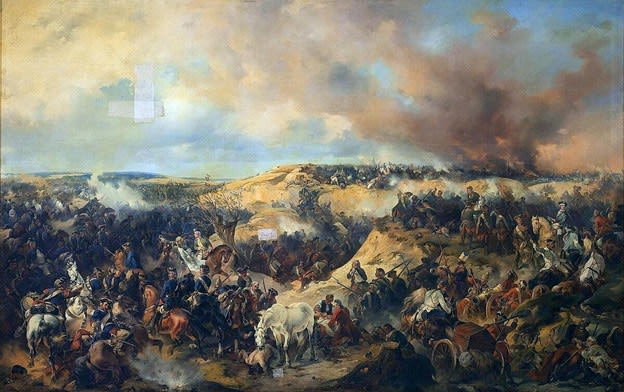
The 1759 campaign proved catastrophic for Prussia. The new commander-in-chief of the Russian army was appointed General-in-Chief Pyotr Saltykov. On July 23, 1759, his army utterly routed the Prussian corps of General Wedell at the Battle of Paltzig, and then joined the Austrians at Frankfurt an der Oder.
On August 12, 1759, the famous Battle of Kunersdorf took place. The Russo-Austrian forces, having numerical superiority, inflicted a crushing defeat on the Prussian army. Of Frederick’s 48,000-strong army, only 3,000 soldiers survived. The king himself was in despair, believing all was lost, and wrote to his minister: “Farewell forever.”

After this victory, the road to Berlin was open. It seemed Prussia was doomed. However, the allies failed to agree on further actions. Disagreements between the Russian and Austrian commands meant they did not organize a pursuit. The Russian troops withdrew to the Vistula, and the Austrians to Bohemia. This saved Prussia from final defeat.
Frederick himself called this unexpected rescue “the miracle of the House of Brandenburg.” Despite this miracle, misfortunes dogged him until the end of the year, culminating in the disgraceful encirclement and surrender of a 15,000-strong Prussian corps at the Battle of Maxen. The heavy defeats of 1759 prompted Frederick to approach England with a proposal for a peace congress, but Russia and Austria refused, hoping to finish off Prussia the following year.
Thus, 1759 ended with the complete rout of the Prussian army, but disagreements within the allies’ camp allowed Frederick to avoid capitulation and prepare for further struggle.
In 1760 Frederick II with difficulty assembled 200,000 soldiers against a 375,000-strong coalition army. As in previous years, the allies could not coordinate their actions, which allowed Frederick to maneuver. On August 15 at the Battle of Liegnitz he unexpectedly attacked the Austrian corps of General Laudon and utterly defeated it. This victory allowed Frederick to break out of encirclement.
However, having barely escaped encirclement, he almost lost his capital. In October the Russo-Austrian forces led by Generals Totleben, Chernyshev, and Lacy seized Berlin. The city’s armories were plundered and a contribution imposed. However, learning of Frederick’s approach, the allies, lacking sufficient forces to hold the city, left it.
Upon receiving news of the fall of Berlin, Frederick moved into Saxony, which by that time had been seized by the Austrians. On November 3, 1760, near the city of Torgau, the last major battle of the war took place. The battle was incredibly fierce, but in the end Frederick won a Pyrrhic victory, losing 40% of his army. These losses were irreplaceable, and in the final years of the war the Prussian army, replenished mainly by prisoners of war, lost its combat effectiveness. Frederick had to abandon offensive actions and switch to the defensive.
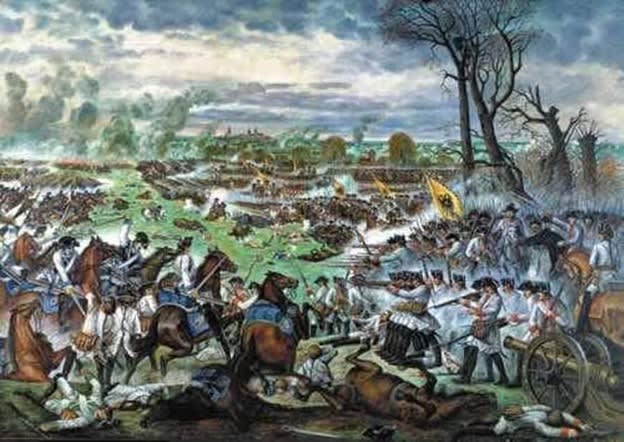
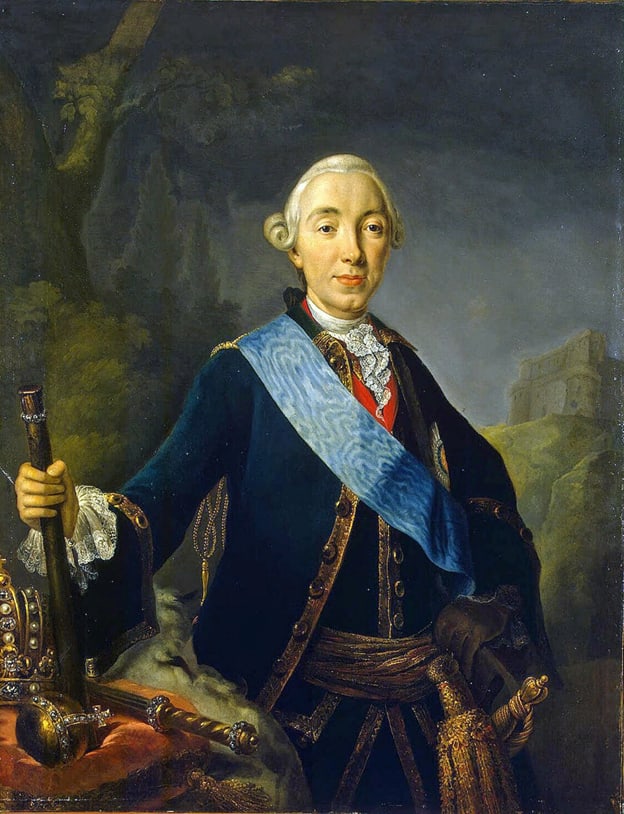
The year 1761 passed without major battles. The Austrians and Russians advanced slowly. The Russian army under Rumyantsev, after a long siege, took the fortress of Kolberg, which opened the way for a direct strike on Berlin in the spring of 1762. By this point no one in Europe, including Frederick himself, doubted that Prussia would be defeated.
It was precisely then, when Frederick’s situation seemed hopeless, that the second “miracle of the House of Brandenburg” occurred: on December 25, 1761, Empress Elizabeth Petrovna died. Her nephew Peter III, a long-time admirer of Frederick II, ascended the Russian throne. He immediately concluded the Treaty of Saint Petersburg with Prussia, returned to it all conquered territories, and even provided troops for the war against the Austrians.
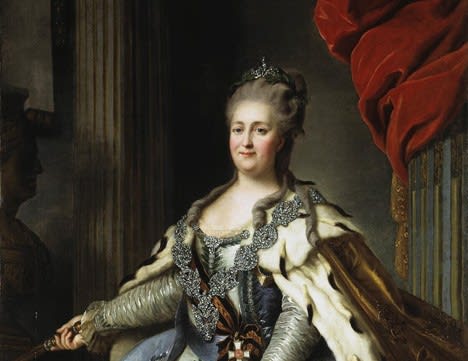
Peter III’s policy provoked indignation among the Russian nobility and guards, which led to his overthrow. The new empress, Catherine II, recalled the troops but did not revoke the peace treaty. For Frederick this was an enormous relief. He managed to win several final victories over the Austrians and the French, and on July 21, 1762, at the Battle of Burkersdorf, the Austrians retreated, not knowing that the Russian troops present on the battlefield would not enter the fight. This was Frederick’s last victory in this war.
The Seven Years’ War was the first truly global conflict, encompassing not only Europe but also the colonies.
North America and Canada: on September 13, 1759, at the Battle of Quebec, British forces defeated the French and captured the city. The following year Montreal fell, and France finally lost Canada.


India: in 1757 the English captured the French Chandernagore in Bengal. The struggle for dominance at sea and on land continued, and in 1761 the English took the capital of French India—Pondicherry. By the end of the war France had in fact lost control over India.
The Philippines and Central America: in 1762 the English captured the Spanish Manila in the Philippines and Havana, the capital of Cuba. This forced Spain to soften its strict trade policy in the colonies. In Central America the English also seized all the French colonies in the Windward Islands.
South America: Spain, having entered the war on the side of France, attacked the Portuguese Colonia del Sacramento. Spanish troops successfully captured it, but under the terms of the peace treaty had to return all conquered territories.
By early 1763 all the warring parties were completely exhausted. The war, which had begun as a conflict for dominance in the colonies and then turned into a European struggle for Prussia’s survival, came to an end.
The first step toward peace was taken by Russia. After the death of Empress Elizabeth Petrovna, her nephew Peter III, a long-time admirer of Frederick II, ascended the throne. He immediately concluded the Treaty of Saint Petersburg with Prussia, returning to it all the captured lands. This act, called “the second miracle of the House of Brandenburg,” saved Frederick from inevitable defeat. Although Peter III was soon overthrown by Catherine II, she did not revoke the peace treaty, thereby effectively consolidating Prussia’s victory.
Following this, on February 10, 1763, the Treaty of Paris was signed between Great Britain and France. Under its terms, France ceded Canada to England, almost all its possessions in India, and a number of islands in the Caribbean Sea. It lost its power in North America. Spain, France’s ally, ceded Florida to England.
On February 15, 1763, the Treaty of Hubertusburg was signed between Prussia, Austria, and Saxony. This treaty confirmed for Prussia Silesia and the County of Glatz, for which the war had begun.
As a result, Prussia not only defended its conquests but also finally entered the ranks of the great European powers. This became the beginning of a process that, a hundred years later, would end with the unification of Germany under its leadership. Great Britain became the world’s dominant colonial power, strengthening its naval and commercial superiority. France, on the contrary, lost most of its colonies and suffered heavy financial and reputational losses.


The Seven Years’ War became one of the bloodiest in the history of the 18th century. Total losses killed and wounded exceeded 1.5 million people. The greatest losses were suffered by Austria 400 thousand soldiers and France 350 thousand. Prussia’s losses amounted to 262.5 thousand people, and Russia’s from 60 to 138 thousand.
Despite the enormous losses, Russia drew valuable lessons from the war. It did not acquire territories but gained invaluable military experience. Almost all the commanders of Catherine II’s era went through this war. In addition, Russia established itself as an important player on the European stage, and no one any longer doubted the strength of its army.
Frederick II himself later analyzed why his small country managed to withstand such a powerful coalition. He identified three main reasons:
Lack of coordination among the allies. Conflicting interests and the absence of unified command constantly hindered Austria, Russia, and France from interacting effectively.
Austria’s duplicity. In Frederick’s view, Austria preferred to wage war with “someone else’s blood,” relying mainly on the armies of its allies.
The death of Elizabeth Petrovna. This event, called a “miracle,” saved Prussia from defeat. Frederick himself believed until the end of his life that without Peter III he would not have survived.
An indirect but extremely important consequence of the war for Great Britain was that the huge national debt, which doubled, forced it to increase tax pressure on the American colonies. This, in turn, became one of the main causes of the American War of Independence.
Thus, the Seven Years’ War changed the political map of the world, led to the strengthening of Prussia and Great Britain, and created the preconditions for future global conflicts, including the American Revolution.


