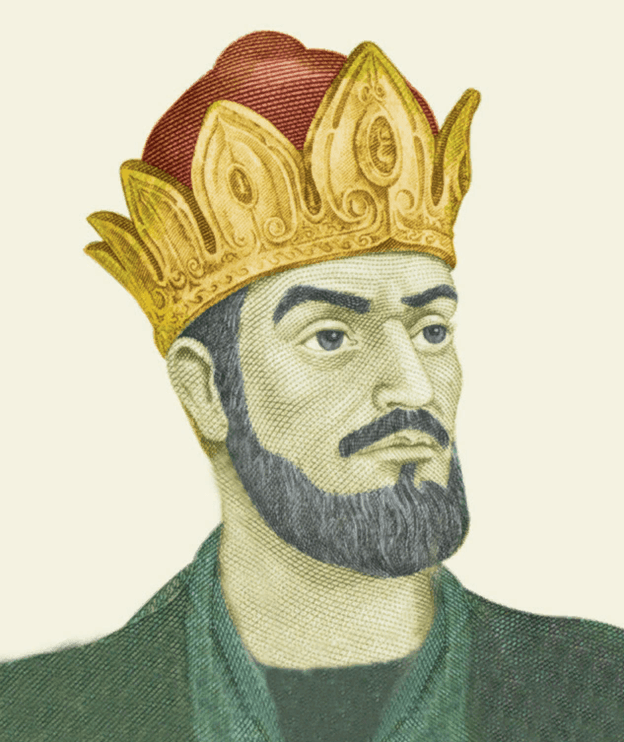
It was from Khwarazm that Tughril’s rapid rise began. In 1028, he launched a daring offensive against the cultural and economic centers of the East — Merv and Nishapur. These cities became the foundation of his future power. Ten years later, in 1038, a historic act took place in Nishapur: Tughril was officially crowned sultan, declaring his claim to dominance in the region. By that time, Bukhara, Balkh, and Ghazni had already rallied beneath his banners, creating a strong barrier against his rivals.
The decisive test awaited the young state in 1040. In the famous Battle of Dandanaqan, Tughril Beg clashed with the enormous army of Sultan Masud of Ghazni. The brilliant tactics of the Seljuks allowed them to crush the Ghaznavids completely, forever changing the map of the East. This triumph opened an era of unprecedented expansion: between 1040 and 1055, Tughril methodically conquered Khwarazm, vast lands of Iran, Azerbaijan, and Iraq. In 1049, his gaze turned westward, and he began the long and difficult conquest of Armenia.


One of the most important milestones in Tughril Beg’s life was his triumphant entry into Baghdad, which took place during the holy month of Ramadan in 447 AH, corresponding to the period from 24 November to 23 December 1055. This event had immense symbolic significance: the secular power of the Seljuks merged with the spiritual authority of the Caliphate. In Baghdad, the khutbah was read in his honor, and coins bearing his name entered circulation.
As a sign of the highest recognition, the Abbasid caliph granted him an unprecedented set of honorific names and titles: Rukn ad-Dawla wa’d-Din as-Sultan al-Mu‘azzam Abu Talib Tughril Beg Yamin Amir al-Mu’minin — “Pillar of the State and the Faith, the Great Sultan, Right Hand of the Commander of the Faithful.” This title effectively legitimized Seljuk power as the main defender of Sunni Islam.
On the western frontiers, Tughril encountered the powerful Byzantine Empire. The first clashes did not bring the Turks quick success: the Byzantines relied on a strong network of fortresses, behind whose massive walls the population could take shelter. A revealing example was the siege of Manzikert in 1054, which ended in failure for Tughril Beg.
However, the sultan showed strategic patience. Over the following twenty years, Turkic detachments carried out systematic and exhausting raids across Anatolia. They destroyed the agricultural lands of the Christians, undermining the economic base of Byzantine defense. This tactic of scorched earth and constant pressure ultimately prepared the ground for the great Seljuk victory at that same Manzikert — but in 1071, under his successor.

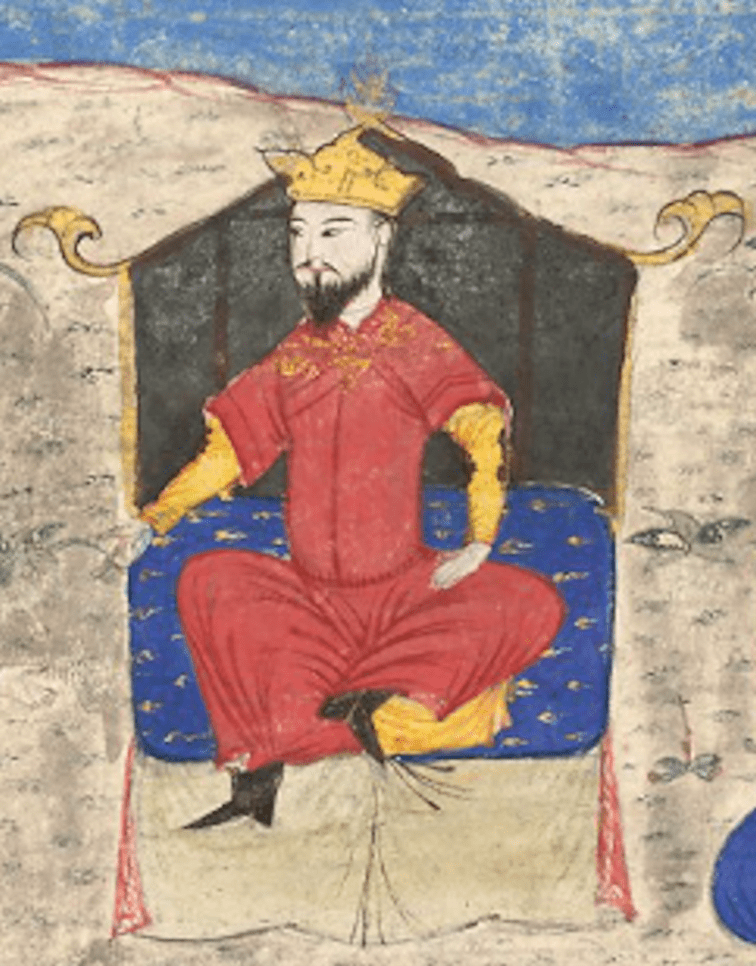
The life of the great founder ended on the territory of modern Iran. Tughril Beg passed away without leaving direct heirs, since he had no children. According to his will, his nephew Suleiman, the son of his loyal brother Chaghri Beg, was to become his successor. However, this decision did not satisfy another nephew — the energetic and ambitious Alp Arslan, also a son of Chaghri Beg.
The struggle for the throne that followed Tughril’s death was brief but decisive. In 1063, Alp Arslan emerged victorious, taking upon himself the burden of governing the empire that his uncle had transformed from a union of nomadic tribes into the greatest state of its time. Tughril Beg remained in history as the architect of a new Islamic statehood, whose will and political instinct shaped the fate of the Middle East for centuries to come.


