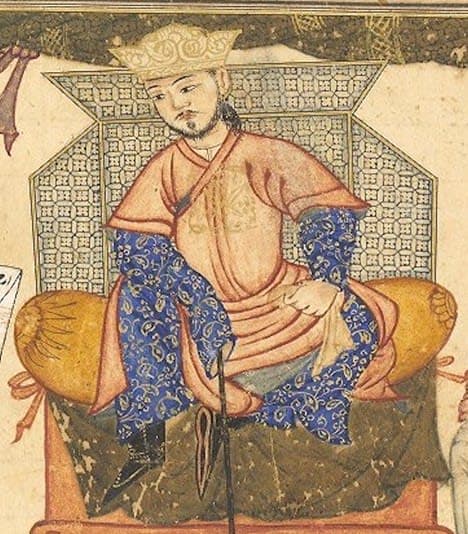

The reign of Malik-Shah I became the true “golden age” of the Seljuk Empire — a time when the state reached the height of its power, territorial expansion, and cultural flourishing. Having received the reins of government from his father, Alp Arslan, the young sultan immediately faced a harsh trial typical of the eastern monarchies of that period. His lawful right to the throne was challenged by his own uncle, Qavurt Beg. Malik-Shah showed the determination and severity of a true monarch: the rebellion was suppressed at its very beginning, and Qavurt Beg was executed, which finally secured the sultan’s sole authority and prevented the fragmentation of the country into hostile appanages.
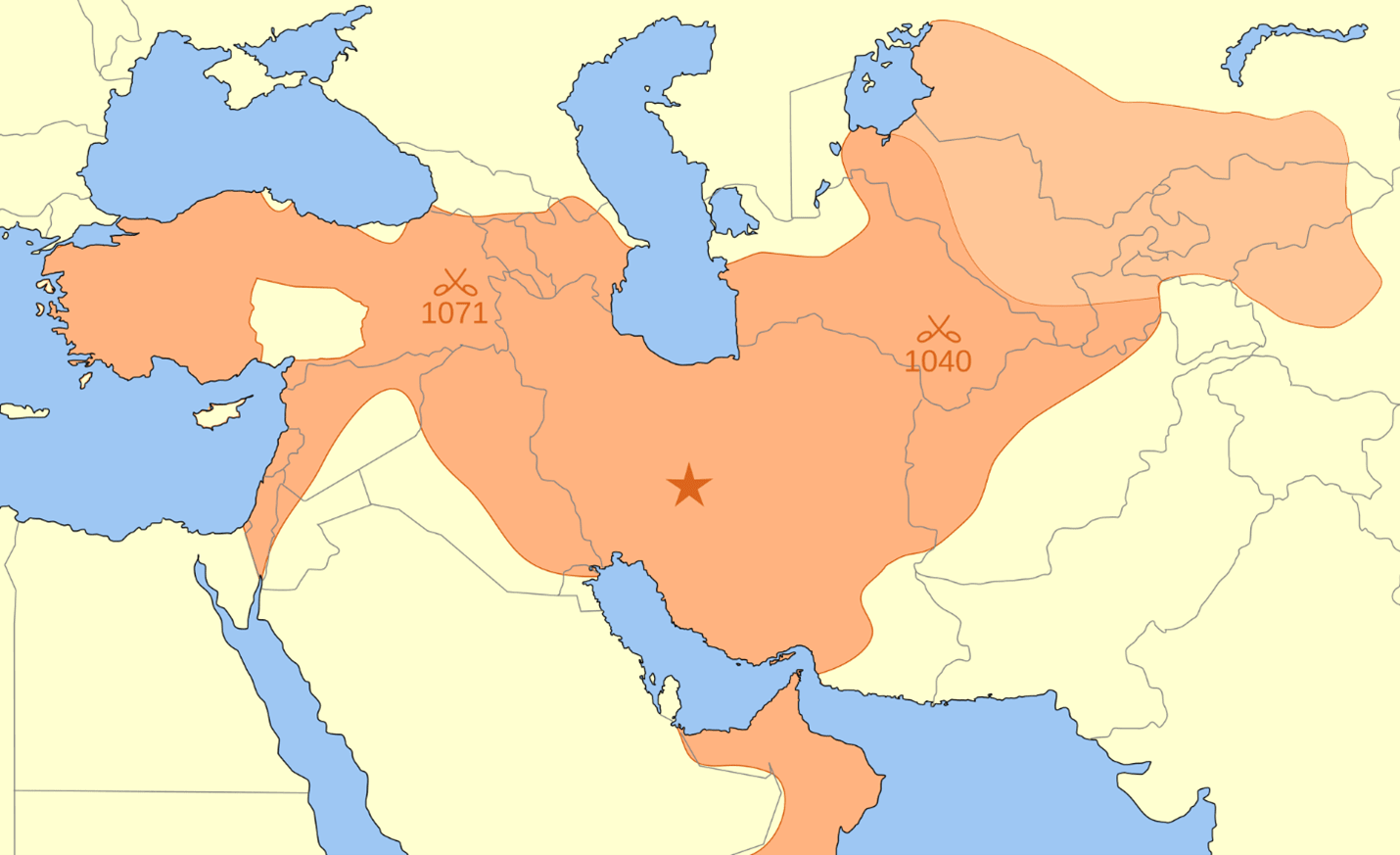
Having secured his rear, Malik-Shah began implementing a vast program of territorial expansion, transforming the Seljuk state into a world superpower. His gaze was directed in every direction. In the west, Northern Syria and significant territories of Palestine fell under the blows of his armies, strengthening Seljuk influence in the Mediterranean. Yet no less important events unfolded on the eastern frontiers.
In 1074, the sultan led a grand campaign against the Karakhanid Khanate, whose ruler was Shams al-Mulk, the lord of Samarkand. In a decisive battle near the city of Karshi, the Seljuk cavalry completely defeated the khan’s forces, opening Malik-Shah’s path to the jewels of the East — Bukhara and Samarkand. These wealthy cities became part of the empire, turning into its most important cultural and economic centers.
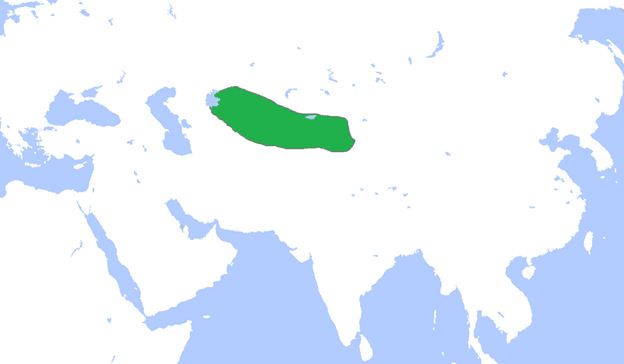
Expansion continued without interruption. In 1079, the sultan sent his armies northward, into the geographically difficult region of Georgia and Armenia, consolidating the influence of the Islamic world there. After a brief period of calm, necessary for consolidating resources, a new powerful military campaign began in 1089. During this offensive, fertile Ferghana was captured, and the borders of the Seljuk Empire stretched to the very frontiers of East Turkestan, making Malik-Shah the ruler of colossal territories from the Aegean Sea to the borders of China.
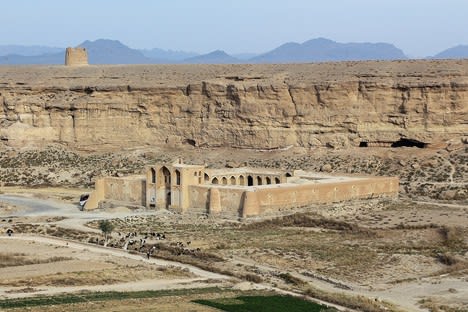
However, Malik-Shah’s true greatness lay not only in the brilliance of his sword, but also in the wisdom of his state-building. The sultan understood that such an enormous territory required order and prosperity. He divided the state into 12 vassal principalities governed by trusted military commanders and aristocrats, while preserving strict centralized control. To connect distant provinces, the sultan launched unprecedented road construction. Caravanserais — forerunners of modern hotels and logistics centers — were built throughout the empire, ensuring the safety of trade routes. Hundreds of majestic mosques, palaces, and madrasas adorned the cities.
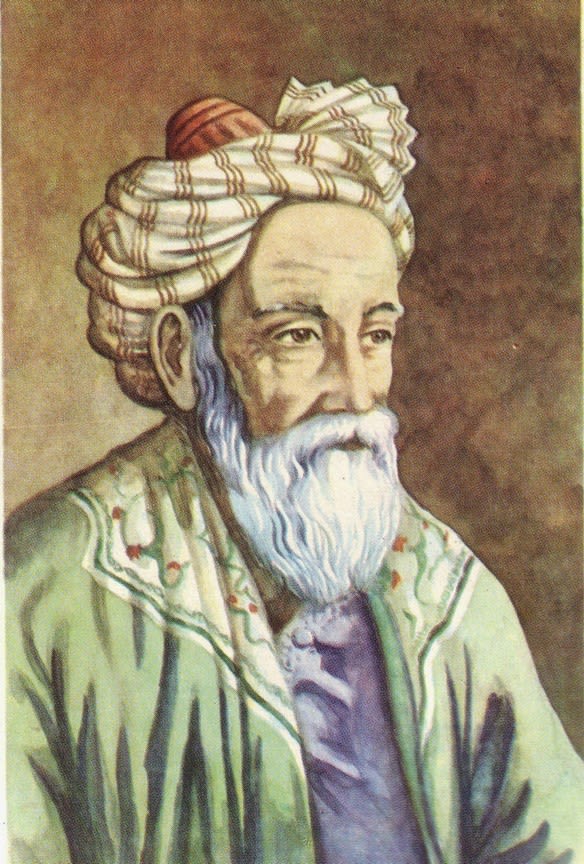
At Malik-Shah’s court, an era of intellectual triumph began. Under the patronage of the sultan and his legendary vizier Nizam al-Mulk — author of the immortal treatise Siyasatnama, or The Book of Government — science and art reached extraordinary heights. During this period, higher schools known as the Nizamiyyas opened in Baghdad and Herat, becoming models of education. The great scholar and poet Omar Khayyam, with the sultan’s support, carried out a calendar reform, creating one of the most accurate chronological systems in history. In those same years lived and worked the great thinker Abu Hamid al-Ghazali, whose writings shaped Islamic philosophy for centuries to come.
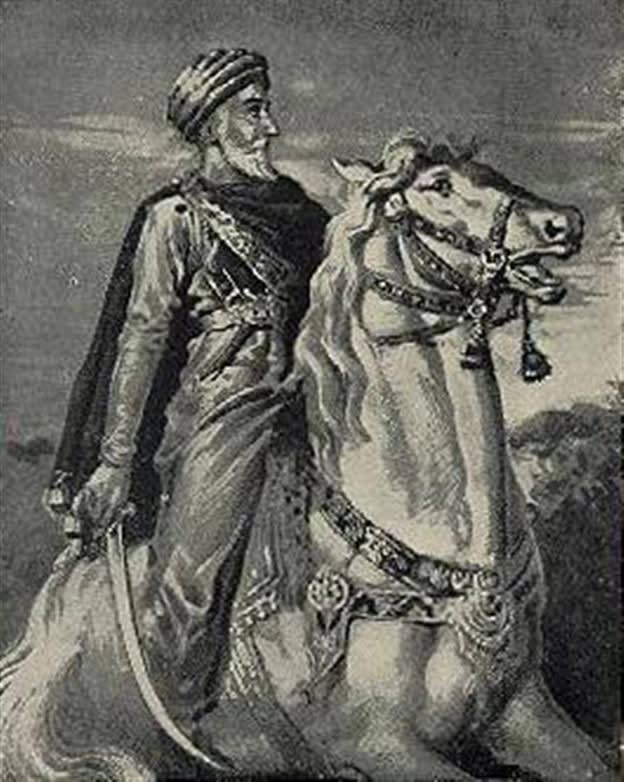
Nevertheless, sharp internal contradictions lay beneath the external splendor. As zealous Sunnis, the Seljuks waged an uncompromising struggle against Shiite influence, especially against the radical Ismaili movement led by Hasan ibn Sabbah. The confrontation with this mysterious and formidable force became the dark shadow of the sultan’s reign. Attempts to capture the impregnable fortress of Alamut ended in failure: the army of Emir Arslan-Tash was unable to break the resistance of the “Old Men of the Mountain.” Another siege, that of the fortress of Daru in Quhistan, led by the ghulam Qizil Sarugh, was suddenly halted because of tragic news.
On 19 November 1092, the era of the great sultan came to an end. Malik-Shah died, and his contemporaries did not rule out the possibility of treacherous poisoning. His body was taken to Merv and buried beside the grave of his father, Alp Arslan. With the death of Malik-Shah I, the period of imperial unity and invincibility ended: a fierce struggle for the throne immediately broke out among his sons, ultimately leading to the decline of this great state.
Yet in historical memory, Malik-Shah forever remained the ideal of an eastern ruler — one who managed to unite the power of a conqueror with the wisdom of an enlightened patron.


