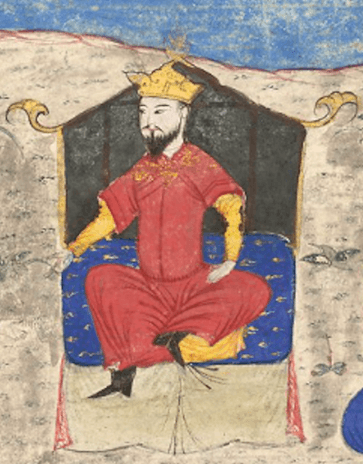
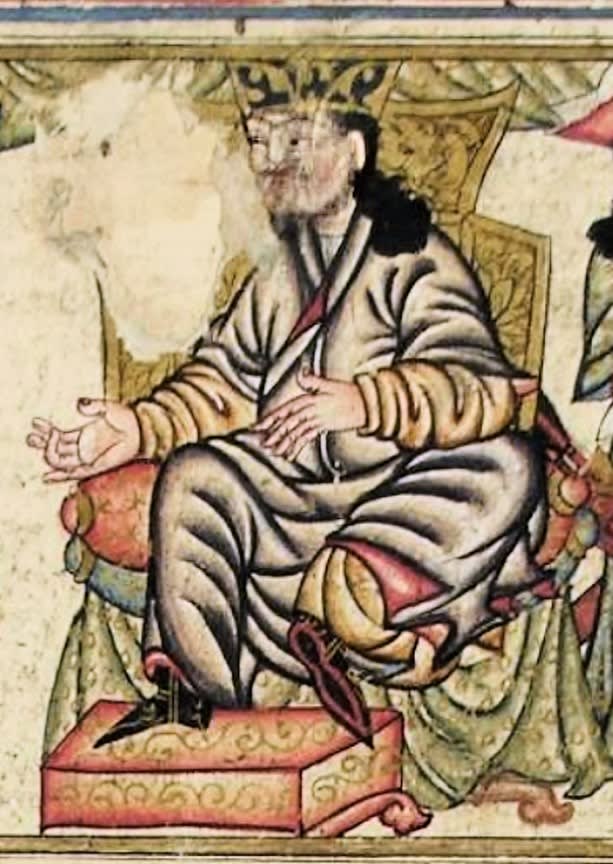
The story of the great Sultan Alp Arslan is an epic narrative about the rise of the mighty Seljuk Empire, in which nomadic valor and high statesmanship were intertwined. His path to the summit of power began in the shadow of great predecessors: as the younger son of Chaghri Beg, the legendary leader of the Oghuz-Turkmen Kınık tribe and ruler of Khorasan, he absorbed the spirit of conquest from an early age. As the nephew of Sultan Tughril himself, the governor of western Iran, Alp Arslan was being prepared for leadership at a turning point for the Islamic world.
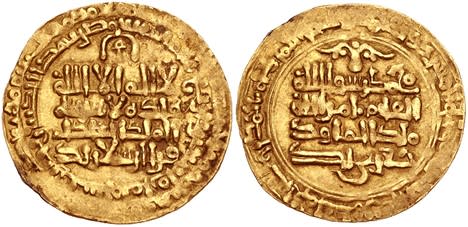
The turning point came in 1063, when the deaths of his father and uncle left a vacuum of power. Malik Alp Arslan showed determination and iron will, managing in the shortest possible time to establish control over the vast possessions of the Seljuk state. The only region that remained outside his direct influence was Kirman in southern Iran, where his elder brother Qavurt Beg had entrenched himself. Yet even he, recognizing the superiority and strength of the new ruler, soon acknowledged vassal dependence, allowing the sultan to focus on global objectives.
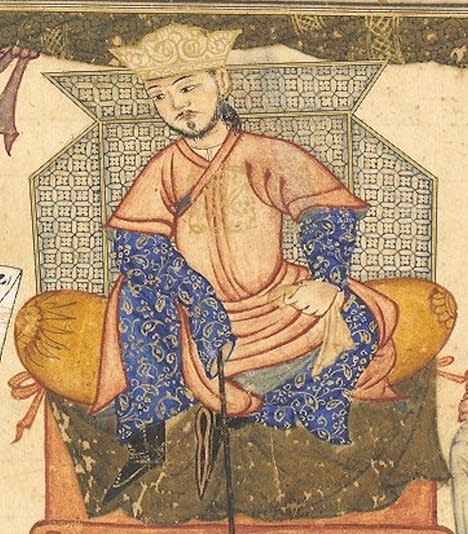
Understanding the particular challenges of governing an enormous territory, Alp Arslan, born outside the traditional centers of the Muslim world, made the strategic decision to entrust internal administration to the outstanding vizier Nizam al-Mulk. This alliance of sword and pen became the foundation of the empire’s stability; later, Nizam al-Mulk would continue his brilliant career under the sultan’s son, Malik-Shah. Having strengthened his authority in Iraq, Alp Arslan showed himself to be a subtle diplomat: unlike his predecessor, he sought to avoid conflicts with the Baghdad Caliphate, building harmonious relations with the spiritual center of Islam.
The sultan’s foreign policy was multi-vector and required constant balancing. In the east, in Central Asia, he followed a policy of “divide and rule.” A fragile peace was maintained with the Afghan Ghaznavid dynasty, due to the difficulty of reaching them in the mountains of India, while against the Karakhanids, who ruled Transoxiana, Alp Arslan applied military power without hesitation, asserting his dominance over the steppe regions.
However, the most difficult and fateful challenges awaited him in the west. The sultan pursued two ambitious goals: the destruction of the Fatimid Caliphate in Egypt, whose Ismaili ideology was rejected by Sunni Baghdad, and the preservation of the loyalty of the Oghuz Turks. The Turkmen warriors demanded holy war and rich plunder, and Alp Arslan directed their energy against Christian lands. In 1064, the world was shaken by the fall of the former Armenian capital of Ani and the fortress of Kars. These victories not only expanded the borders but also gave the Turkmen tribes control over the pastures along the Aras River. Although these expeditions at first had the character of raids, they inflicted irreparable damage on the Byzantine defense system, effectively opening the gates into Anatolia.
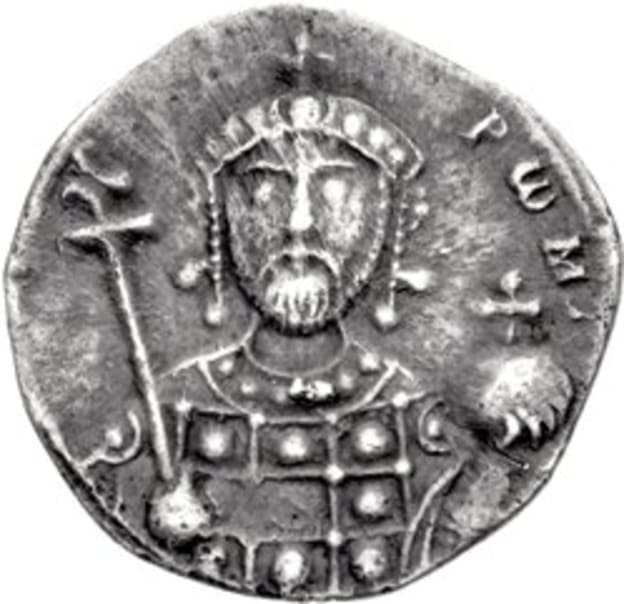
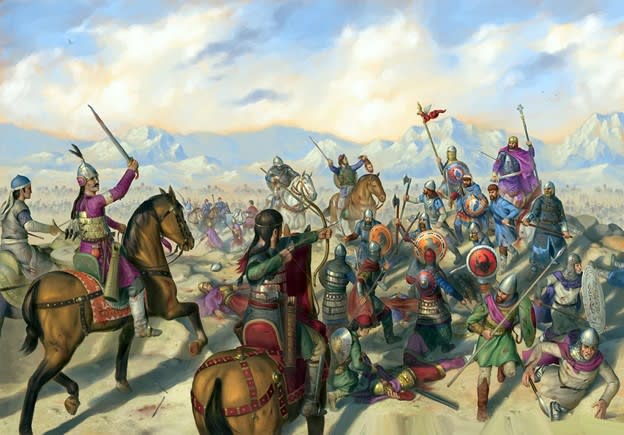
The culmination of Alp Arslan’s reign came in 1071. Believing his borders with Byzantium to be temporarily secure, the sultan, at the appeal of Egyptian rebels, set out on a major campaign against the Fatimids. He was already standing before the walls of Aleppo, preparing for the conquest of Syria, when alarming news arrived: the Byzantine emperor Romanos IV Diogenes had assembled a colossal army and marched into Armenia to strike back. Showing incredible speed, Alp Arslan turned his forces around and met the enemy near Manzikert in August of that same year.
The Battle of Manzikert became a triumph of Seljuk tactics. The Byzantine army, numerically superior but torn apart by internal contradictions and weak morale, could not withstand the assault of the Turkmens loyal to the sultan. By sunset, the Byzantine army had been completely defeated, and Emperor Romanos IV himself, for the first time in history, became the prisoner of a Muslim ruler. Alp Arslan showed the magnanimity of a victor: he did not seek the immediate destruction of Byzantium, contenting himself with border changes, tribute, and alliance. Nevertheless, the consequences of this victory were tectonic — Asia Minor became open to mass Turkic settlement, and in the future every noble family of Anatolia would proudly trace its ancestry to the participants of this battle.
The life of the great conqueror ended suddenly and tragically. At the end of 1072, while campaigning against the Karakhanids, the sultan was mortally wounded by Yusuf al-Khwarazmi — the captured commander of the fortress of Berzem, who managed to approach the ruler during interrogation. Before his death, Alp Arslan managed to determine the fate of the empire, appointing his 13-year-old son Malik-Shah as his successor under the reliable guardianship of the faithful Nizam al-Mulk. Thus ended the era of the “Heroic Lion,” who left behind one of the most powerful states of the medieval East.


