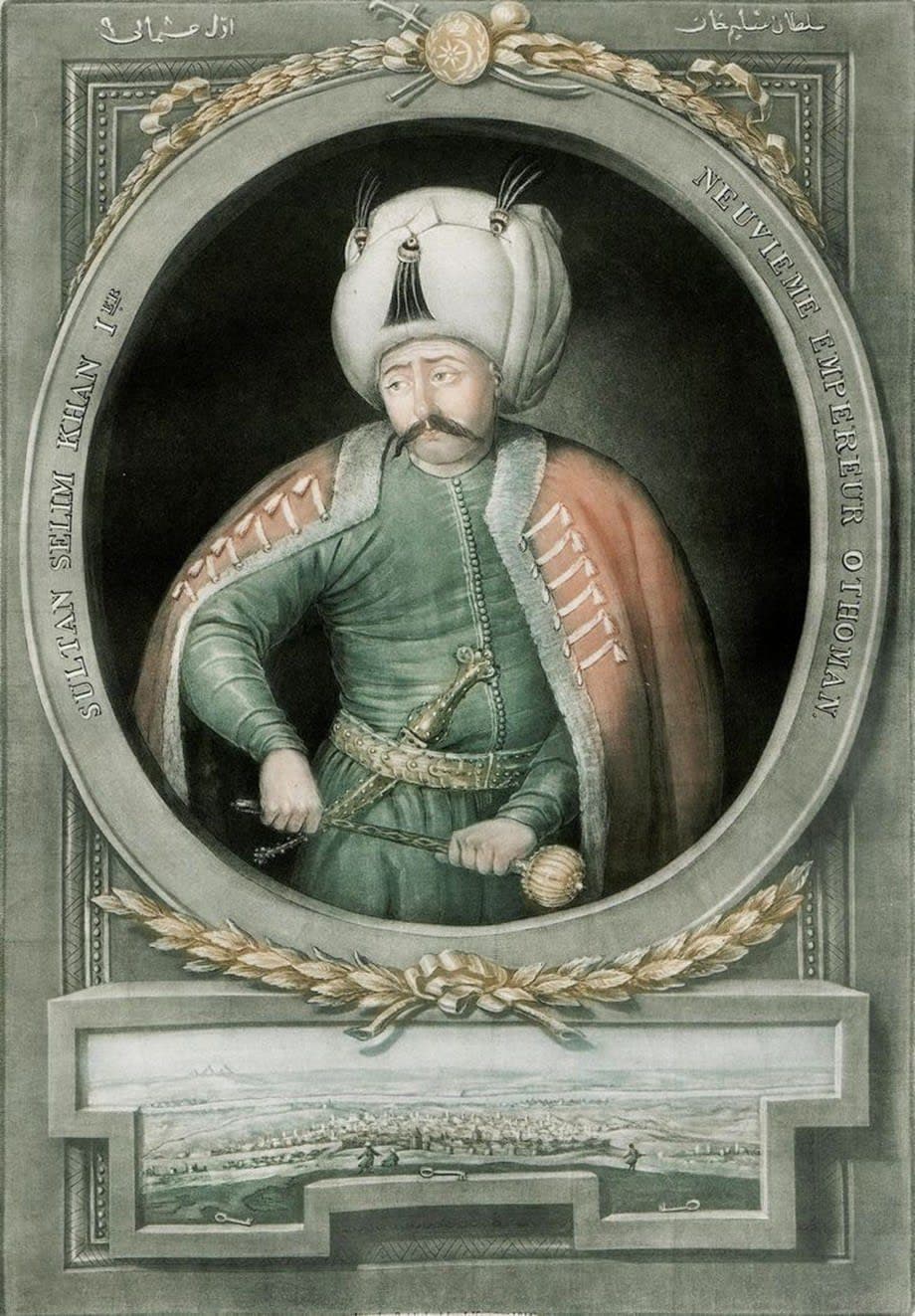
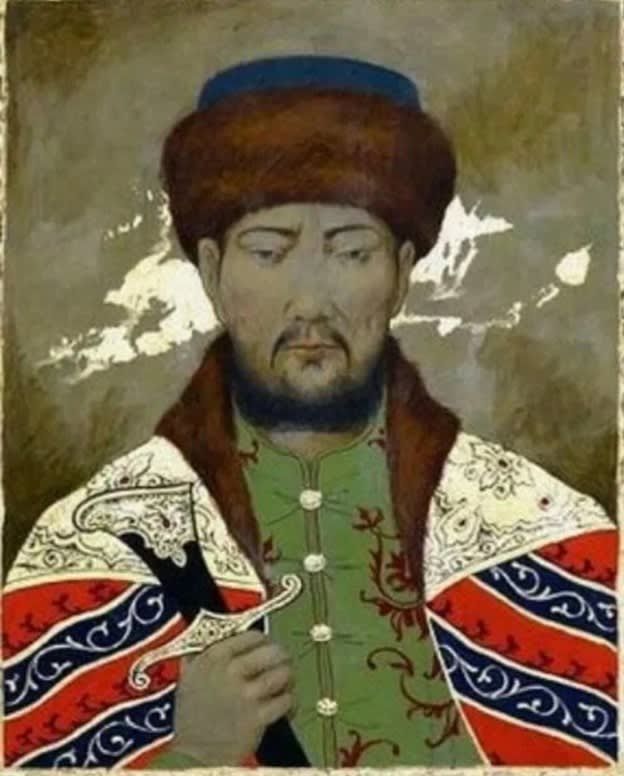
Selim was the son of Sultan Bayezid II and was appointed to govern the sanjak of Trabzon. By tradition, the heir among the şehzades (princes) was the one who reached the capital first after the sultan’s death. This gave an advantage to his brother Ahmed, whose sanjak lay closer to Istanbul. Fearing for his fate, Selim rose in revolt but was defeated and forced to flee to the Crimean Khanate, where he secured the support of Khan Mengli Giray.
Meanwhile, the Janissaries who feared Ahmed put pressure on Bayezid II. In the end, on April 25, 1512, the sultan abdicated in favor of Selim. Selim’s return to Constantinople was triumphant. Upon taking power, he moved with severity and speed, ordering the execution of all his brothers and their sons who might claim the throne. For this pitilessness he earned the epithet “Yavuz,” meaning “the Grim.”
Selim I’s reign focused on the empire’s eastern frontiers. He waged no major wars against European powers, concentrating instead on Muslim rivals.
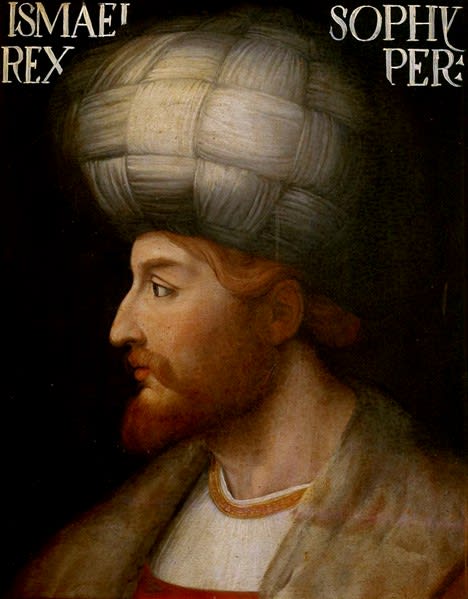
The most powerful of Selim’s eastern foes was the Persian shah Ismail I, ruler of the Safavid state.
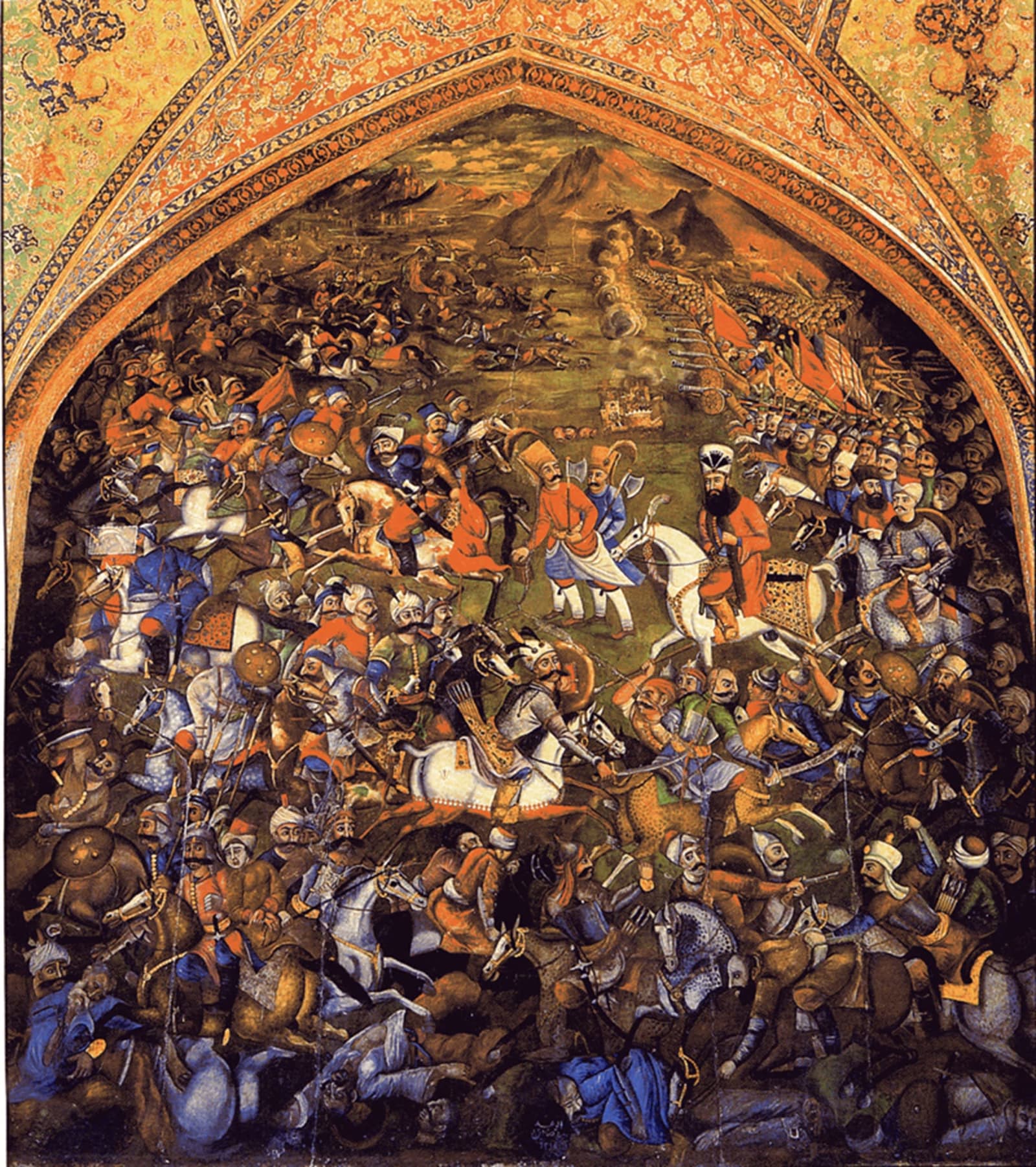
The shah actively supported the Shi‘a population of Anatolia, which stirred unrest within the empire. In response, Selim carried out a brutal massacre of Shi‘ites to weaken their influence. In 1514 Selim led his army eastward. On August 23, 1514, at the decisive Battle of Chaldiran, the Ottoman army—superior in artillery—inflicted a crushing defeat on Shah Ismail’s forces. The victory allowed Selim to seize the Safavid capital Tabriz and to annex a significant part of eastern Anatolia and Mesopotamia to the Ottoman Empire.
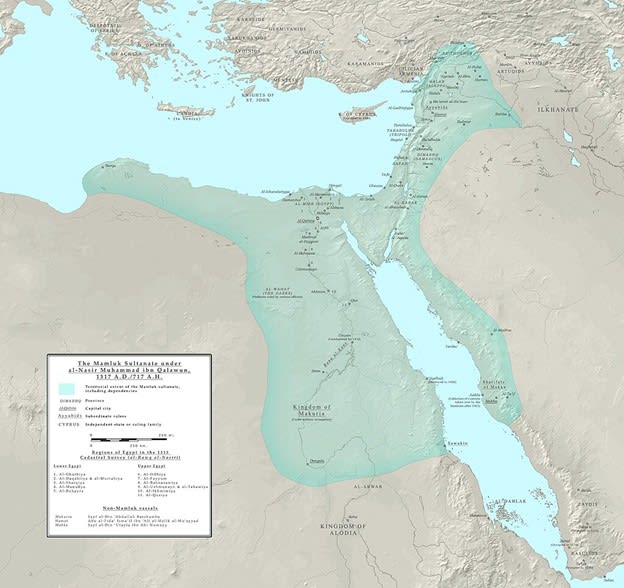
After defeating Persia, Selim turned to the Mamluk Sultanate, which controlled Syria and Egypt. The Mamluks obstructed Ottoman trade routes and supported Selim’s enemies. On August 24, 1516, at the battle on the plain of Marj Dabiq, the Ottoman army again demonstrated its superiority, employing artillery the Mamluks scorned. The Mamluk sultan al-Ghawri was killed and his army routed.

In 1517 Selim captured Cairo, bringing the Mamluk Sultanate to an end. As a result of this conquest, Syria, Palestine, Egypt, and the holy cities of Islam Mecca and Medina entered the Ottoman realm. Selim adopted the title “Servitor of the Two Holy Cities,” which strengthened his position as leader of the Islamic world.
In just four years Selim I doubled the territory of the Ottoman Empire. He laid the groundwork for the further conquests of his son, Suleiman the Magnificent. Under him the empire became the dominant power in the Mediterranean and the Middle East. Selim I also brought the Crimean Khanate into his dominion as a vassal and concluded peace with Hungary.
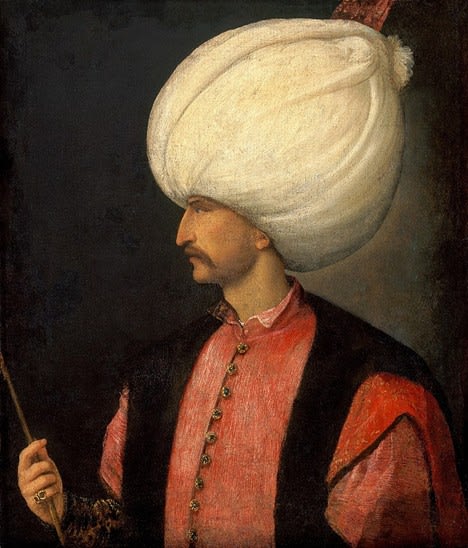
The sultan died in 1520, probably of anthrax or cancer, before he could carry out his planned expeditions to Rhodes and India. He was buried in a mausoleum at the Sultan Selim Mosque in Istanbul. Selim I left his son not only a vast empire but also a powerful army, and he strengthened its political and religious standing. He was among the most successful and stern rulers in Ottoman history.


