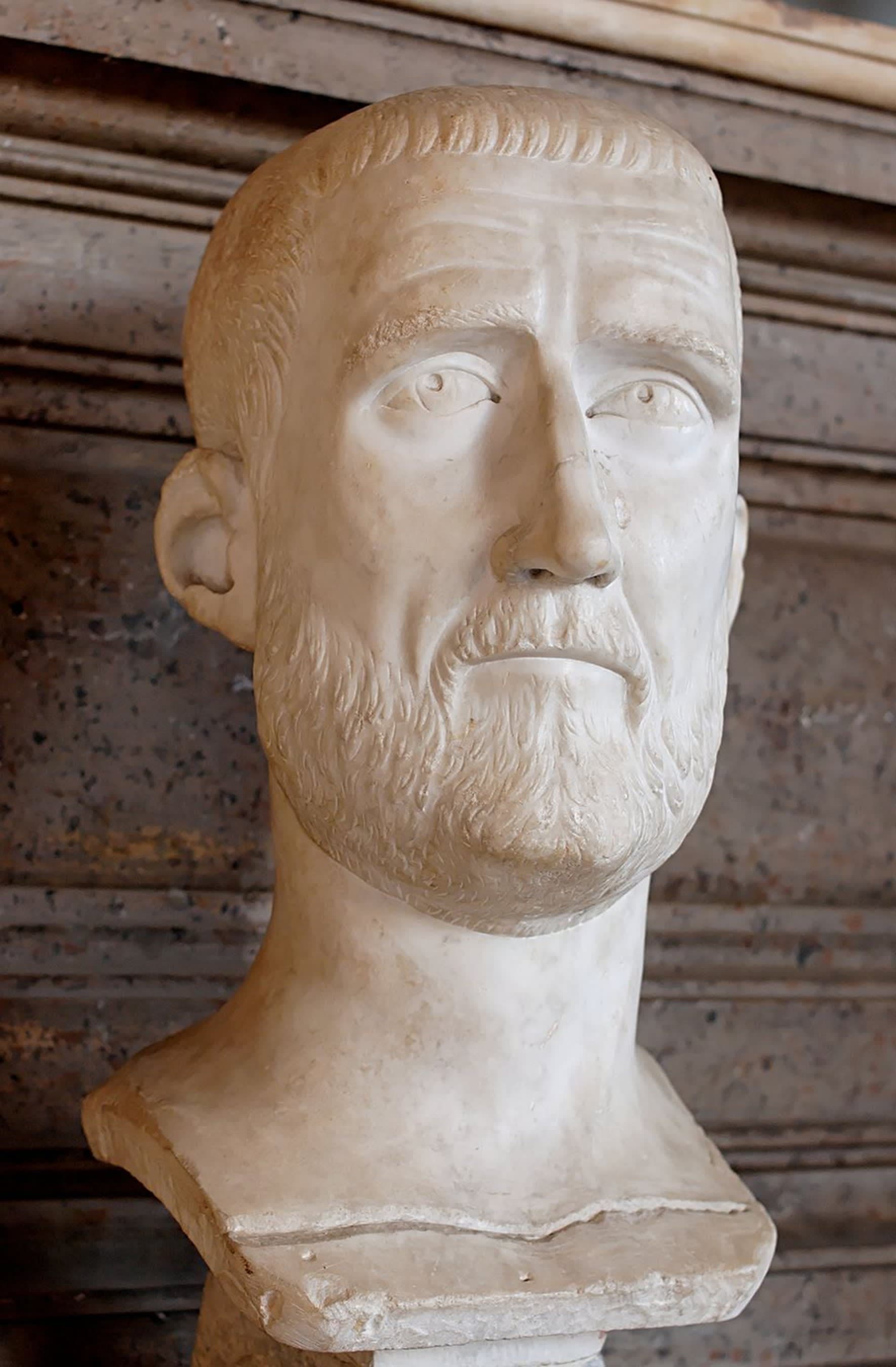
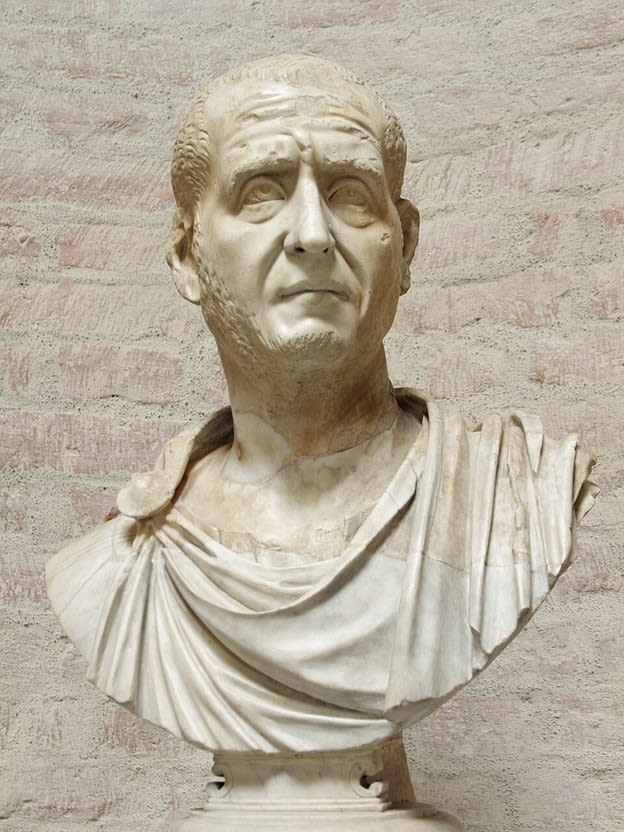
The story of Marcus Aurelius Probus is a majestic and tragic saga of a man who became one of the principal architects of the Roman Empire’s salvation in the turbulent third century. His life, which began in the city of Sirmium on August 19, 232, was from the very beginning surrounded by an aura of uncertainty and legend typical of the age of the “soldier emperors.” The origins of Probus remain a matter of debate: some sources name his father as a simple peasant-gardener named Dalmatius, which could connect him with the future dynasty of Constantius Chlorus; others present a more traditional picture for the period, claiming that his father Maximus was a centurion who rose to the rank of tribune and ended his days in Egypt. Despite his modest inheritance and lack of high-ranking relatives, the young Probus possessed what was valued above all in that era — an unbreakable will and outstanding military talents, which allowed him to begin his service as a common soldier in 249, during the harsh reign of Decius Trajan.
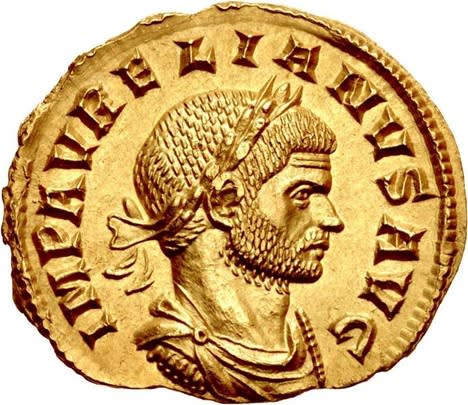
Probus’s military career developed rapidly, passing through the furnace of endless wars against the Goths, Sarmatians, and other enemies of Rome. In the age of Valerian I, while still a very young man, he received the rank of tribune, and legend says this happened because of his exceptional physical strength. Later, he served under Gallienus and Aurelian, commanding legendary legions such as the Third Felix and the Tenth Legion, and taking part in the most significant campaigns of the century. He was credited with exploits in Africa against the Marmaridae and with the liberation of Carthage, although historians sometimes confuse his deeds with the successes of Tenagino Probus. Nevertheless, it was to Marcus Aurelius Probus that Aurelian entrusted the return of Egypt to imperial control after its occupation by the Palmyrene kingdom in 271, a task he completed brilliantly. By the time of Emperor Tacitus’s death in 276, Probus was already commander-in-chief of the eastern troops, a figure so influential that his ascent to the throne became only a matter of time and of his soldiers’ resolve.
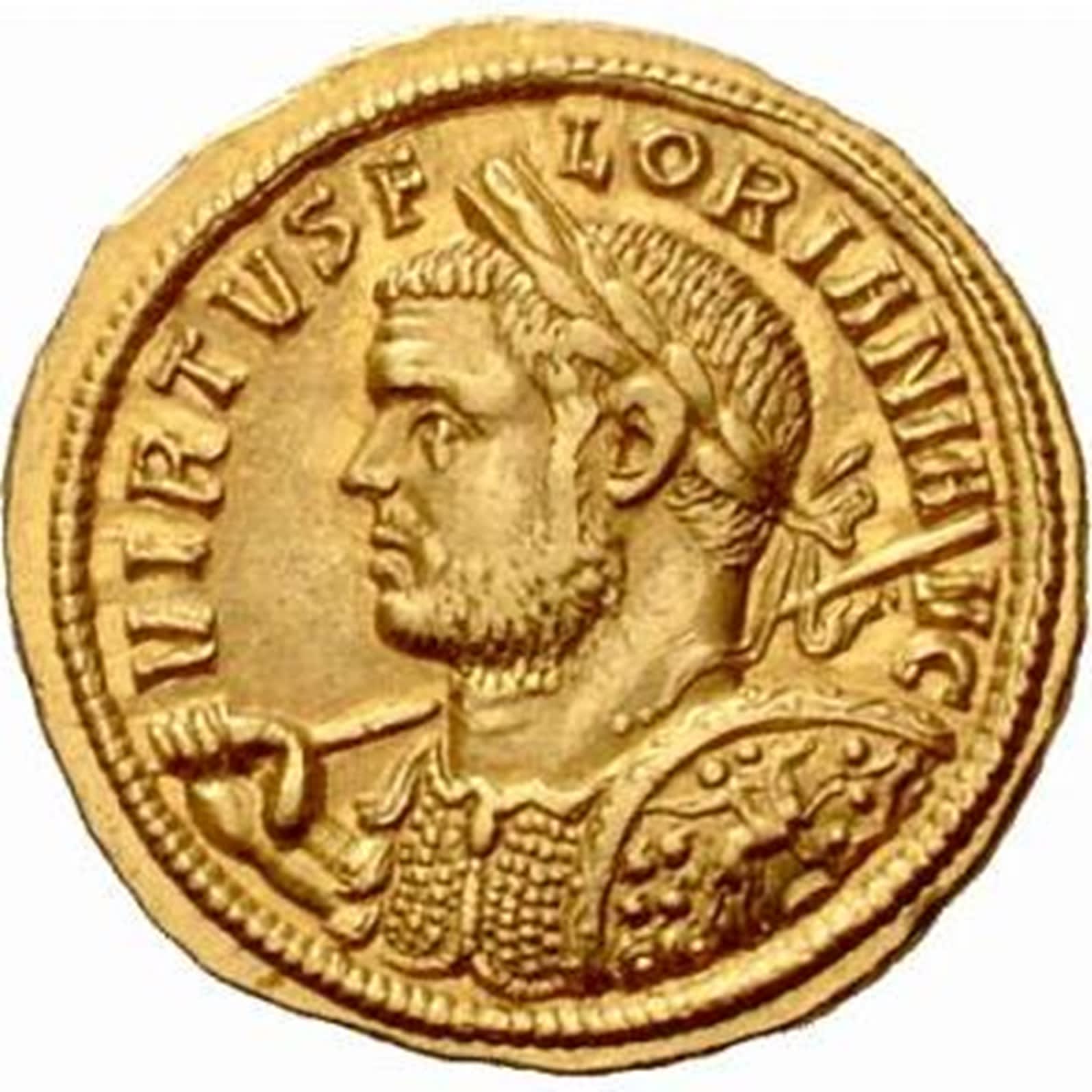
Probus’s accession to power in July 276 was not peaceful: he had to confront the claims of Florian, who had seized power in Rome. Probus, possessing a strategic advantage and the support of the eastern legions, outmaneuvered his rival at Tarsus. Florian’s troops, exhausted by the summer heat and disease, mutinied, killing their leader or forcing him to commit suicide after eighty days of rule. Having become sole ruler, Probus began his reign with an act of severe justice, punishing the murderers of Aurelian and Tacitus, thereby demonstrating that law and order were returning to the empire. His rule became a period of relentless struggle for the integrity of the frontiers: already in 277, he arrived in Gaul to clear it of the hordes of Alemanni, Franks, and Longiones, who had taken advantage of the turmoil to ravage the provinces. The campaign was triumphant — the emperor personally fought in the front ranks, liberated dozens of cities, and, according to the chronicles, destroyed up to 400,000 barbarians, forcing the surviving kings to bow before the greatness of Rome.
However, threats arose everywhere, demanding incredible mobility from Probus. In 278, he was already in Raetia, where at the River Lygis he defeated the Burgundians and Vandals, capturing their leader Igillus. This was followed by the Illyrian campaign against the Sarmatians, which ended with the restoration of peace on the Danube. Probus understood that military victories alone were not enough, and he began to pursue a large-scale policy of settling defeated peoples, such as the Bastarnae, on Roman lands, hoping to turn former enemies into defenders of the frontiers and to restore the devastated economy. But this strategy also had a reverse side: the settled Franks soon rebelled, carrying out a daring naval raid across the entire Mediterranean from Greece to Africa and Sicily. At the same time, a real drama unfolded in Asia Minor — the siege of the city of Cremna, where the audacious brigand Lydius had entrenched himself. The siege was long and difficult, requiring the use of complex engineering equipment and ending only after the death of the bandit leader at the hand of a deserter.
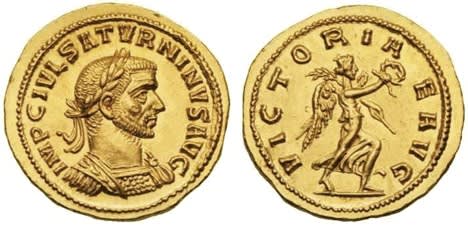
The empire’s internal stability was also constantly tested. Probus had to suppress the revolts of usurpers: Proculus and Bonosus in Gaul and Germany, as well as his former friend Julius Saturninus in Egypt. Each of these rebellions was eliminated with the same relentless energy that the emperor displayed in battles against the barbarians. In 281, he finally arrived in Rome to celebrate a well-deserved triumph over the Germans and the Blemmyes — a Nubian tribe that had previously troubled the borders of Egypt. The celebration was magnificent: the circus was turned into a real forest with wild animals, and hundreds of gladiators fought in the arena. But even in moments of triumph, Probus did not forget the welfare of the state. It was under him that the construction of the great Aurelian Walls was completed and, especially importantly, the centuries-old ban on viticulture in the provinces was lifted. Under his direction, soldiers not only fought but also planted vineyards in Gaul, Pannonia, and Britain, laying the foundations of winemaking in these regions for centuries to come.
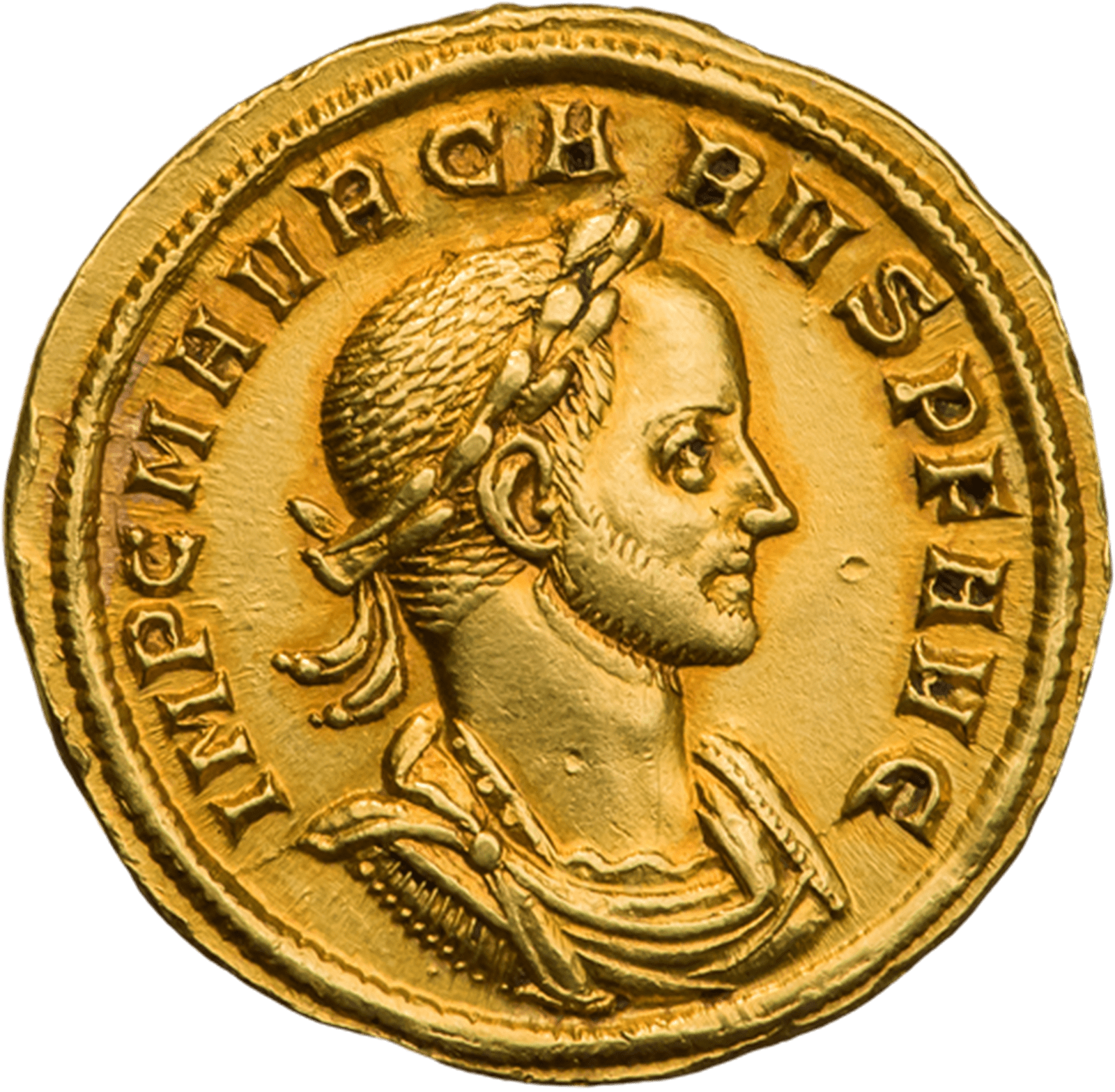
The tragic finale came in 282, when the emperor was in his native Sirmium, preparing a large-scale campaign against Persia. Probus, always striving to use the army with maximum benefit for society, ordered the legionaries to drain local marshes for agricultural needs. Heavy physical labor under the scorching sun aroused fury among soldiers accustomed to the ringing of swords, not the weight of shovels. At the same time, news arrived that the Raetian legions had proclaimed the praetorian prefect Carus emperor. When the troops sent to suppress the rebellion went over to Carus’s side, the remaining detachments in Sirmium mutinied. Probus tried to save himself in a tall iron tower, but he was overtaken and killed by his own warriors in September or October 282. His death was a tremendous loss for Rome; even his enemies recognized his justice and valor. Probus left behind a restored empire, strengthened frontiers, and an entire constellation of outstanding commanders — Diocletian, Maximian, and Constantius Chlorus — who would later continue his work. On his tomb was carved an inscription calling him “the conqueror of all barbarian tribes and tyrants,” and this was only a modest acknowledgment of the achievements of a man who, in six years of rule, accomplished the impossible by tearing Rome from the claws of chaos.


