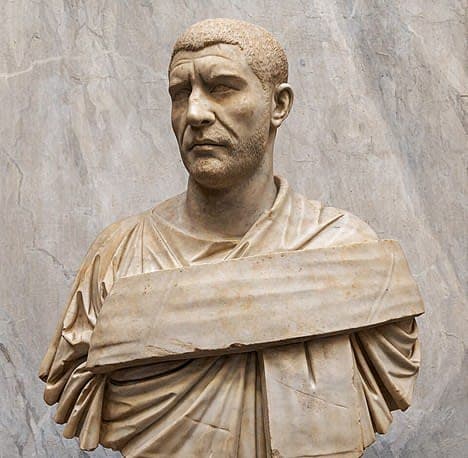
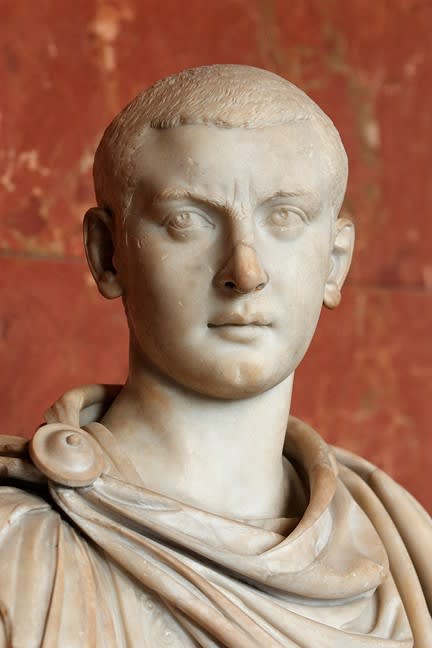
Marcus Julius Philip was born around 204 in the village of Shahba, lost among the sands of Trachonitis, in the Roman province of Arabia, on the territory of modern Syria. His origin was a matter of dispute: Aurelius Victor sharply remarked that Philip’s father, Julius Marinus, was supposedly a “famous chieftain of robbers.” In reality, Marinus was a respectable Roman citizen from the equestrian order. It was this Arab origin that gave the emperor his historical nickname, making him the first ruler of Rome from this region.
Philip owed his rapid rise not only to his personal courage, but also to his influential brother — Gaius Julius Priscus, who served in the Praetorian Guard under the young Gordian III. In 243, at the height of the Persian campaign, after the sudden and mysterious death of the prefect Aquila Timesitheus, Philip took his place. From that moment, the fate of the empire was in his hands.
Philip’s ascent to the summit of power was darkened by the shadow of conspiracy. In 244, Gordian III died under unclear circumstances. Roman sources directly accused Philip of artificially creating a shortage of food and turning the soldiers against the young emperor. Persian chronicles, however, claim that Gordian fell in battle at Misiche. Be that as it may, it was Philip who informed the Senate of his predecessor’s “natural” death and assumed the imperial regalia.
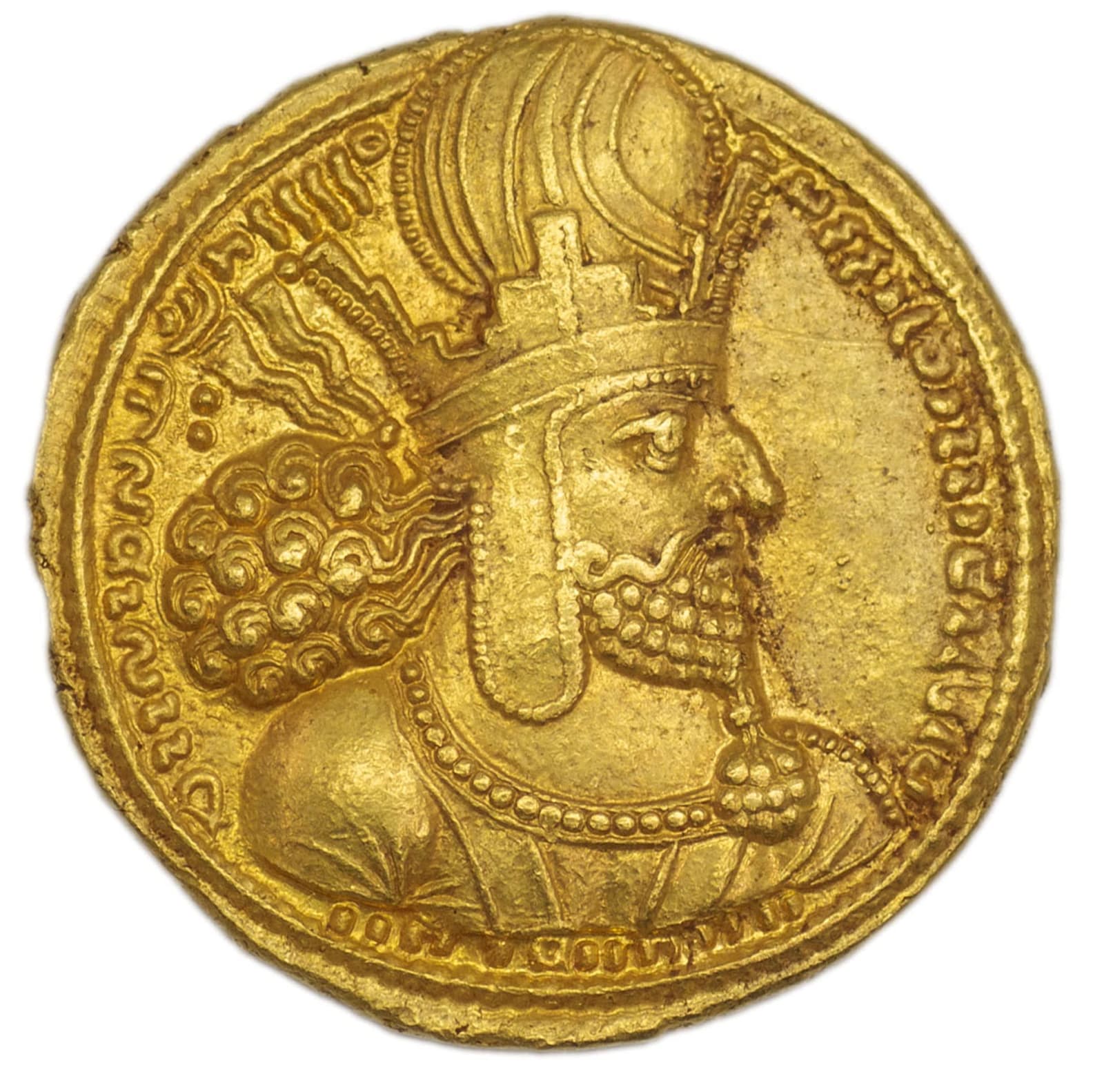
After becoming princeps, Philip faced a catastrophic situation in the East. The Roman army was exhausted, and the emperor had to agree to peace with the Persian king Shapur I. The terms of the treaty were harsh but necessary:
Indemnity: Rome was obliged to pay the Persians the enormous sum of 500,000 gold denarii.
Territories: The empire retained Mesopotamia and Lesser Armenia, but Greater Armenia effectively passed under Sasanian influence.
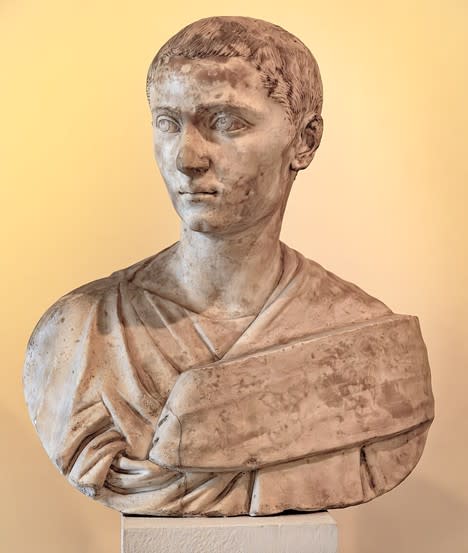
Despite this, Philip displayed considerable talent as a propagandist, issuing coins with the inscription Pax fundata cum Persis — “Peace established with the Persians” — and assuming the title Persicus Maximus, “Persian Greatest.” Before setting out for Rome, he honored the memory of Gordian III by erecting a magnificent cenotaph for him at Circesium, thereby legitimizing his own rule in the eyes of the Senate and the people.
Entering Rome in late summer 244, Philip immediately began strengthening his dynasty. His son, Philip the Younger, was proclaimed Caesar, and his wife, Marcia Otacilia Severa, received the title Augusta. The emperor even deified his father, Julius Marinus — an unprecedented case, considering that Marinus had never ruled Rome.
One of Philip’s most ambitious projects was the transformation of his native village into a brilliant city — Philippopolis. On the site of an obscure settlement arose theaters, baths, stadiums, and the majestic Philippeion, dedicated to the imperial family. The city was built according to all the canons of Roman urban planning, with a clear grid of streets, the cardo and the decumanus.
Yet greatness required money. The enormous payments to the Persians, the construction of Philippopolis, and generous gifts to the soldiers exhausted the treasury. Philip was forced to sharply raise taxes and take an extremely risky step — to stop paying subsidies to the barbarian tribes on the Danube. This decision soon echoed like thunder on the northern frontiers.
In 245–246, the Carpi, deprived of Roman payments, poured across the Danube into Moesia. Philip personally led the army, making Thracian Philippopolis, modern Plovdiv, his headquarters. During a difficult campaign, he inflicted a decisive defeat on the invaders, for which he was awarded the title Carpicus Maximus, “Carpian Greatest.” Soon afterward came successes on the Rhine, bringing him the title Germanicus Maximus, “Germanic Greatest.”
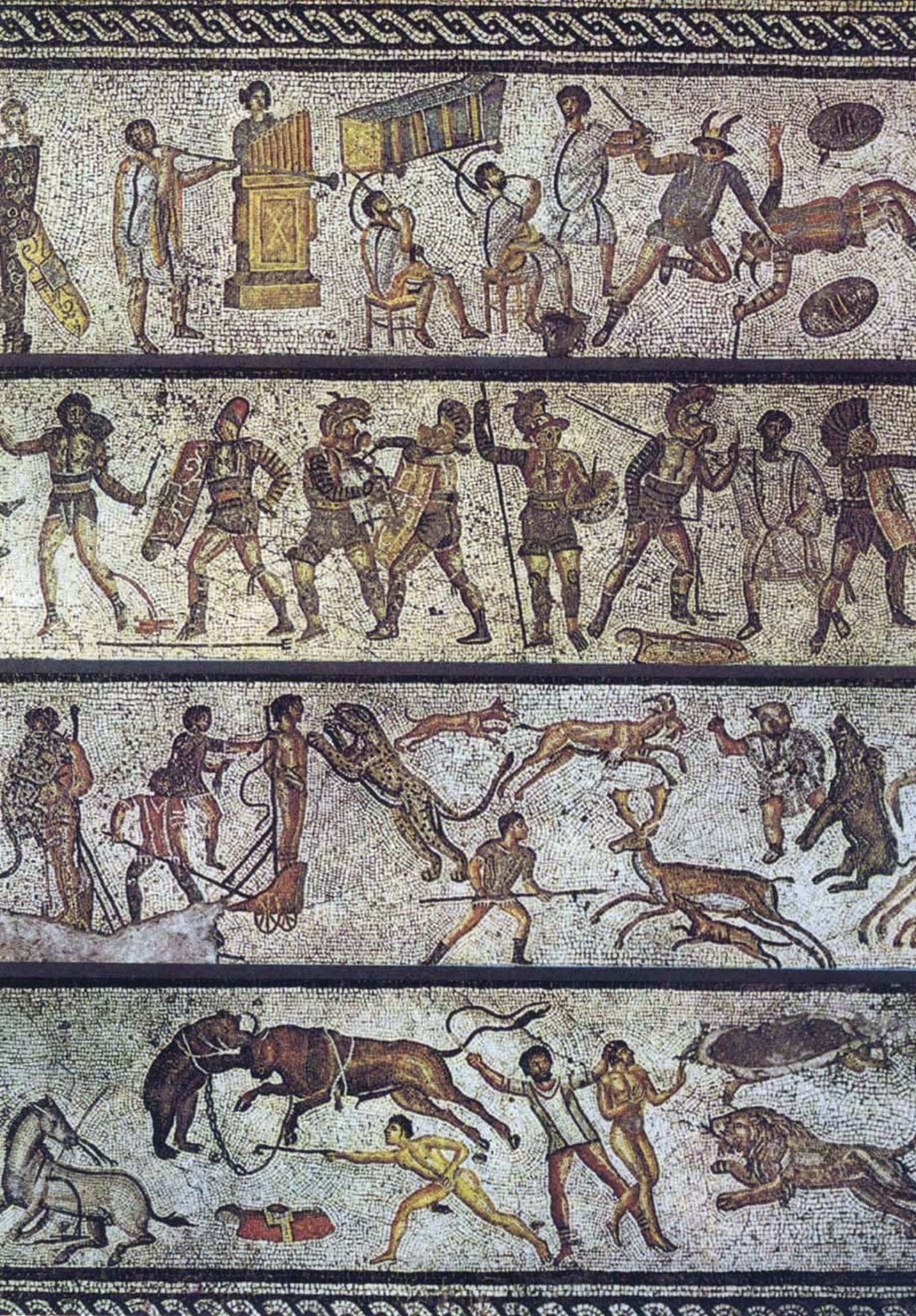
But the main event of his reign was undoubtedly the Secular Games of 248. Rome celebrated its millennium. According to legend, the city had been founded by Romulus on 21 April 753 BC, and Philip decided to mark this anniversary on an unprecedented scale.
The entire city turned into one vast stage. Games were held in the Colosseum on a scale that astonished the imagination:
Exotic animals intended earlier for the triumph of Gordian III took part in the spectacles: hippopotamuses, giraffes, leopards, lions, and even one rare rhinoceros.
More than a thousand gladiators died in the arena in honor of the anniversary.
Special coins bearing the inscription Aeternitas Augustorum — “Eternity of the Emperors” — were distributed to the people.
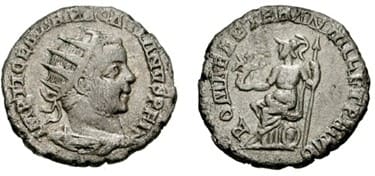
Against the backdrop of the festivities, Philip also tried to restore moral order, issuing laws against castration and male prostitution. His edicts later became an important part of the Code of Justinian. In this same period, his son was raised to the rank of Augustus and co-ruler.
The celebrations did not last long. Soon after the games, the empire was engulfed by a wave of rebellions. The legions in Pannonia and Moesia, dissatisfied with the outcome of the wars against the Carpi, proclaimed Pacatianus emperor. In the East, Jotapian raised his head, outraged by the despotism of the emperor’s brother Priscus and by unbearable taxes. Other claimants also appeared — Silbannacus and Sponsianus.
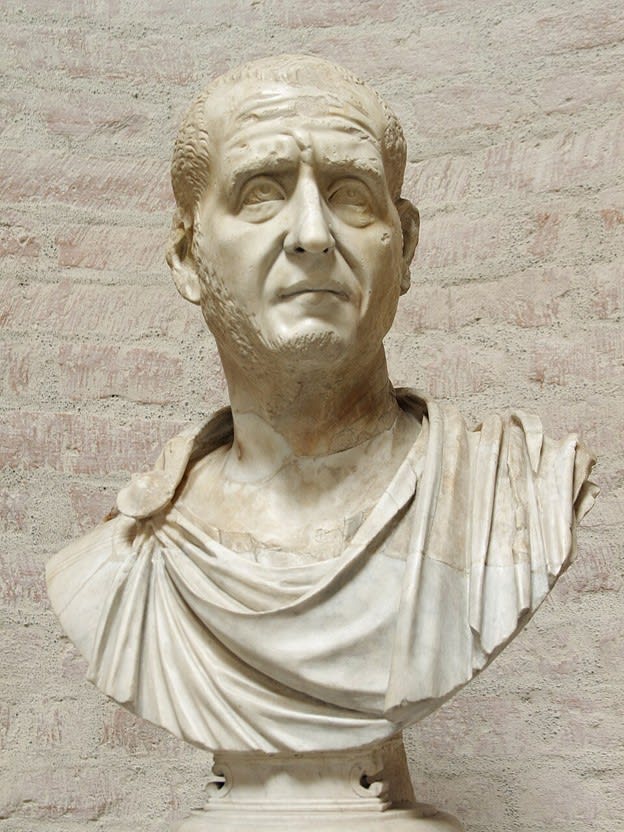
Philip, feeling control slipping away, delivered a speech in the Senate expressing his readiness to abdicate. The silence was broken by the Praetorian prefect Decius Trajan. He persuaded Philip that the usurpers were inexperienced men and would soon fall at the hands of their own soldiers. The prophecy came true, and the grateful Philip sent Decius to the Danube to restore discipline.
This decision proved fatal. Decius not only restored order but became so beloved by the soldiers that in the spring of 249 they proclaimed him emperor. Despite illness, Philip marched out to meet his enemy. The decisive battle took place in the summer of 249 near Verona — according to other accounts, near Macedonian Beroea. Decius’ army won the victory. Philip the Arab fell on the battlefield or was killed by his own men. His eleven-year-old son was executed by the Praetorians in Rome.
Philip the Arab remained in history as one of the most ambiguous figures. Christian authors, beginning with Eusebius of Caesarea, persistently called him the first Christian emperor. It was said that on Easter night a bishop did not allow him to enter the church until he had confessed his sins. There were also stories of correspondence between the emperor and Origen himself.
However, the facts — the minting of pagan symbols on coins and the deification of his father — suggest that Philip remained faithful to the traditional gods. Most likely, the legend of his Christianity arose in contrast to his successor Decius, who launched severe persecutions against the Church.
Philip I the Arab was a capable organizer and soldier who tried to preserve the stability of the empire in an age of change. He gave Rome its greatest celebration, but could not cope with the financial burden or the ambitions of his own commanders. His reign became the last calm before the great storm of the third century.


