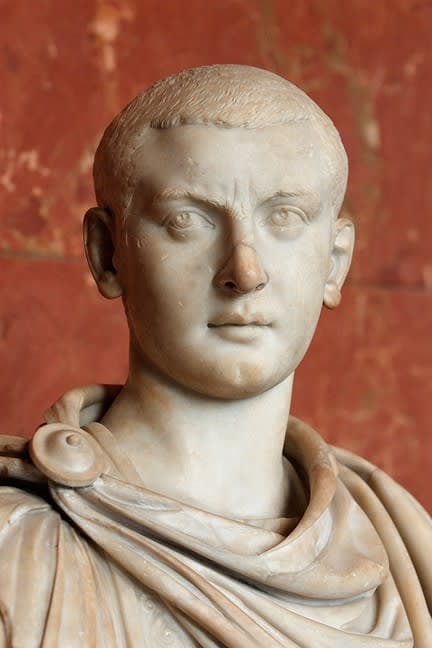
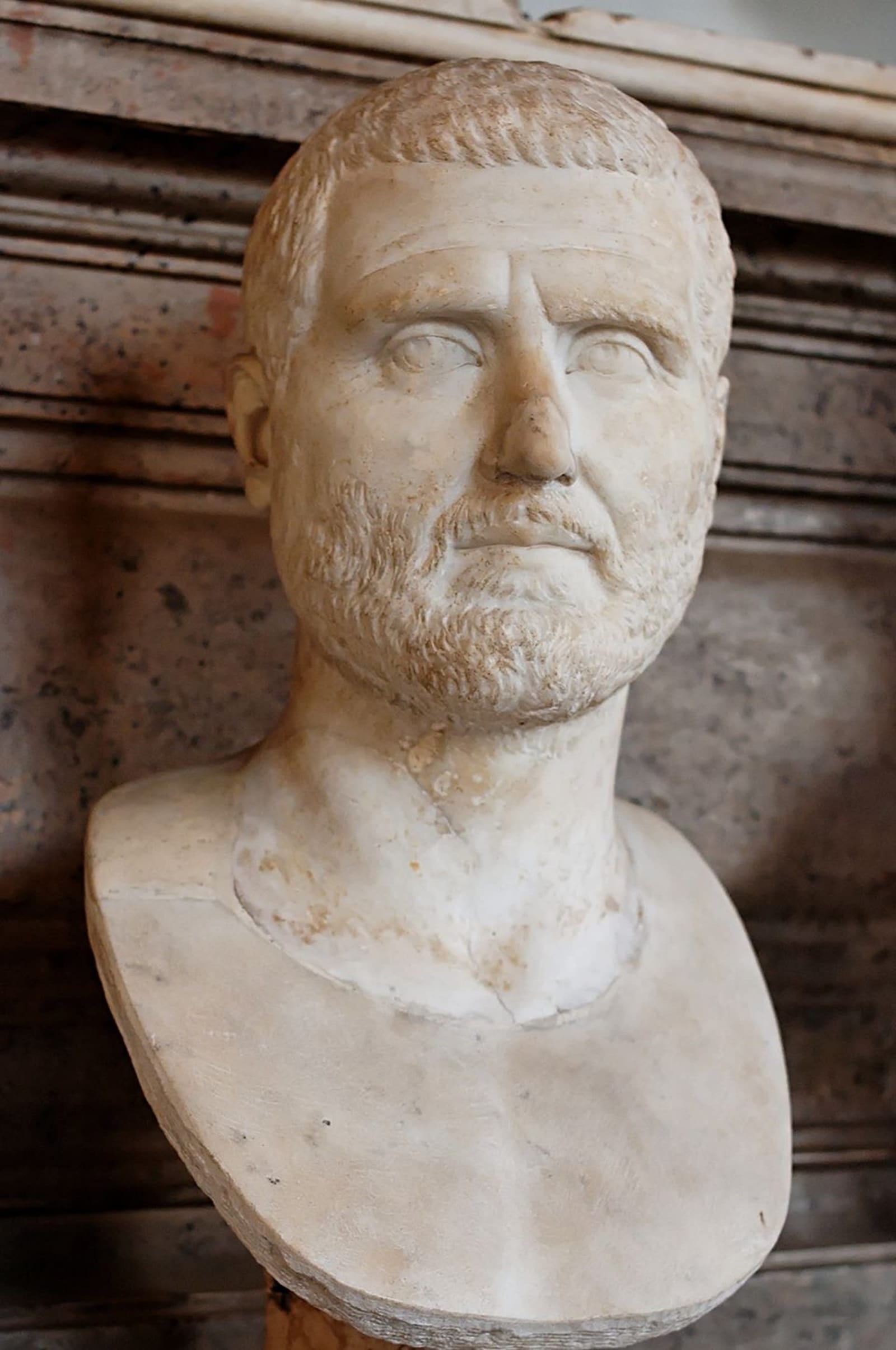
The future ruler of a vast empire was born in the very heart of Rome on 20 January 225, although some sources point to the year 226. The question of his parents still provokes heated debate in academic circles. The Historia Augusta offers two versions: either his father was the senator Junius Balbus and his mother was Maecia Faustina, the daughter of Gordian I, or he was in fact the son of Gordian II. Modern scholarship, however, tends to believe that his mother really was the daughter of Gordian I, while his father was a noble senator, a clarissimus, whose true name has been lost in the centuries. It is known only that the youth’s father died before his family found itself at the center of the bloody events of 238.
Gordian III grew up as a young man of exceptional charm. Ancient biographers describe him as cheerful, educated, and unusually courteous. He possessed that rare appearance which inspired sympathy at first sight: an elongated head, deep thoughtful eyes, full lips, and a distinctive dimple on his chin, which can still be seen today on his busts in the National Museum of Rome. It seemed that nature had given him everything needed to become an ideal ruler — except one thing: time to grow up.
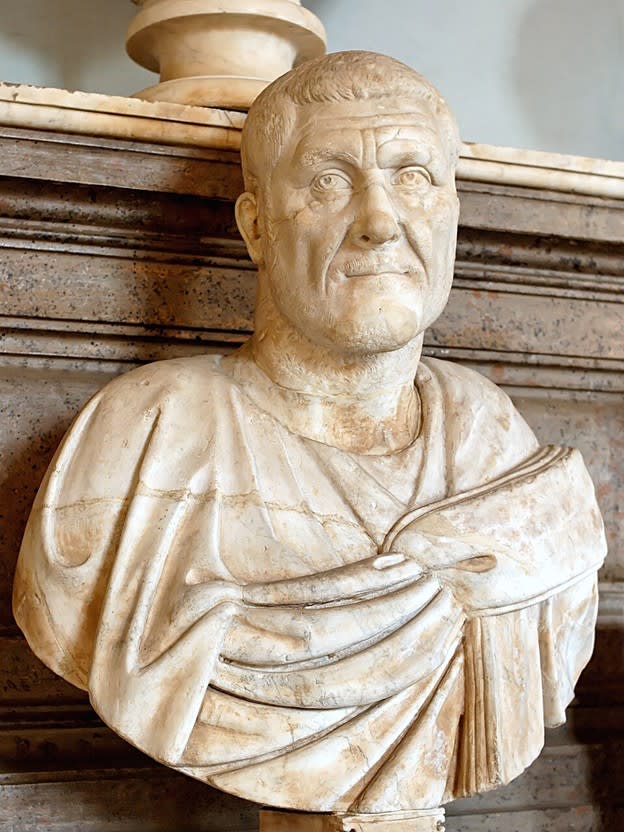
Gordian’s path to power was washed in the blood of his grandfather and uncle. In 235, after the murder of Alexander Severus, the harsh Maximinus Thrax seized the throne. However, in 238 Africa rose up against the tax oppression of the “soldier emperor.” Gordian I and Gordian II were proclaimed Augusti, while the young grandson in Rome was promised the consulship and the title of Caesar. Although the African revolt was quickly crushed by Capelianus, the legate loyal to Maximinus, the spark could no longer be extinguished.
In Rome, the Senate, having declared Maximinus an enemy of the people, found itself at an impasse after the deaths of both Gordians. Two new co-emperors were chosen — Pupienus and Balbinus. But the people of Rome did not accept them. Pupienus was remembered as an excessively harsh prefect, and enraged crowds blocked the Capitol. The people demanded that power belong to the bloodline of the Gordians. To avoid a massacre, Pupienus and Balbinus ordered the thirteen-year-old boy to be found. He was discovered playing at home, lifted onto shoulders, and carried out to the rejoicing crowd. Thus the young Marcus Antonius Gordianus became Caesar and heir to the throne.
The resolution came in the summer of that same year. While Maximinus was unsuccessfully besieging Aquileia and then fell at the hands of his own soldiers, conflict was brewing in Rome between Pupienus, Balbinus, and the Praetorian Guard. In the middle of the summer, the Praetorians, dissatisfied with the Senate’s appointees, burst into the palace, brutally murdered the co-rulers, and proclaimed the thirteen-year-old Gordian III sole emperor.
At first, the administration of the underage emperor was under the close guardianship of the Senate. Gordian’s domestic policy became a continuation of the course of the Severan dynasty. The memory of his murdered relatives was honored with almost religious devotion, and he himself took the title “Pius” — the pious — which from then on constantly adorned his coins. One of the first and highly symbolic acts of the new government was the disbanding of the Third Augusta Legion — the very legion that had defeated the emperor’s grandfather and uncle in Africa.
In 240, the empire was shaken once again: the proconsul Sabinianus raised a revolt in Africa, but without the support of the legions, the uprising was quickly suppressed by forces from neighboring Mauretania. Far more dangerous was the situation on the Danube, where the Goths and Carpi were ravaging the frontier provinces. The governor of Lower Moesia, Tullius Menophilus, had to conduct a delicate diplomatic game, paying tribute to the Goths in exchange for peace while simultaneously strengthening the defensive line at Viminacium.
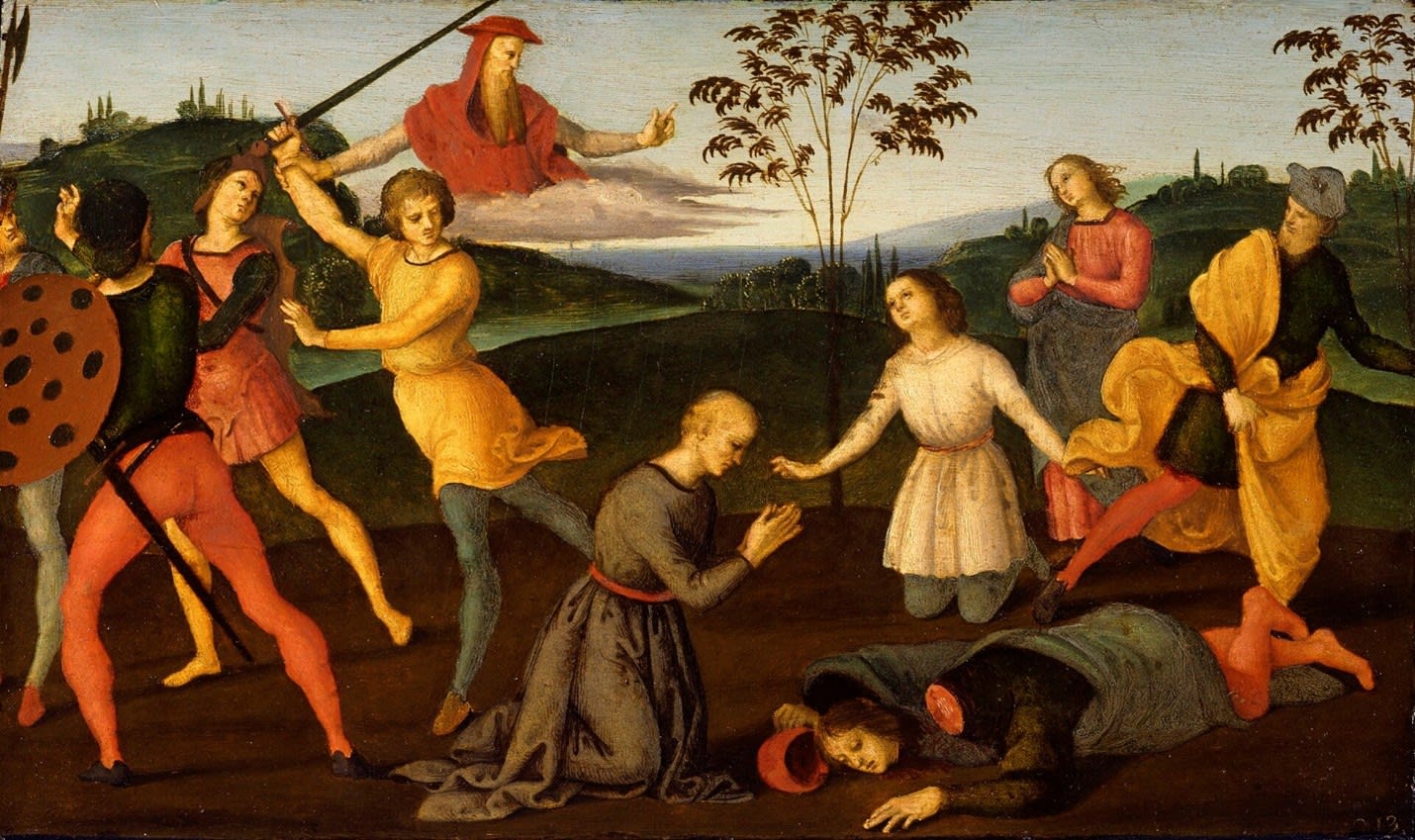
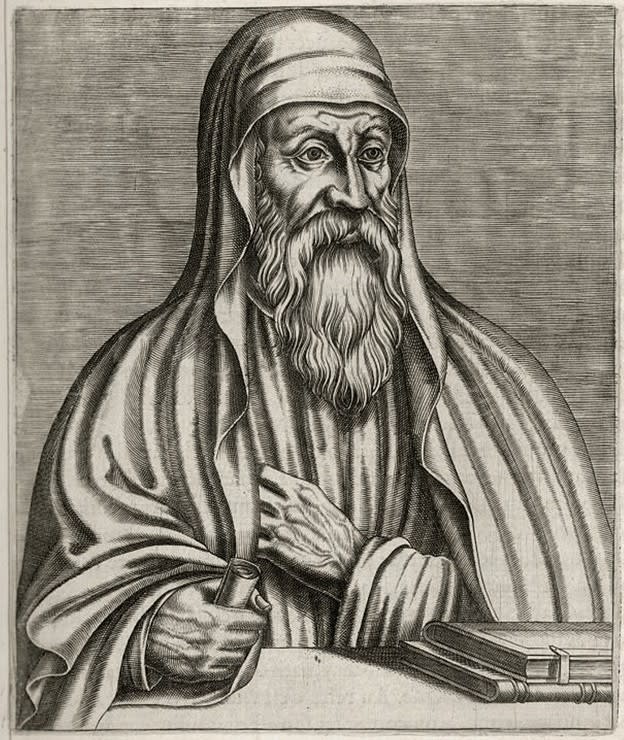
The turning point in Gordian’s life came in 241, when Gaius Furius Sabinius Aquila Timesitheus was appointed Praetorian prefect. This experienced administrator quickly became the “brain” of the empire and effectively the second man in the state. Timesitheus not only stabilized the administration but also became related to the emperor: in the summer of 241, Gordian III married his daughter, Furia Sabinia Tranquillina. This marriage was celebrated on coins as a union blessed by Venus Victrix. During this period, Gordian’s court became a refuge for intellectuals: the emperor patronized the great philosopher Plotinus and showed an unusual degree of tolerance toward Christians for that time, allowing Origen to continue his activity.
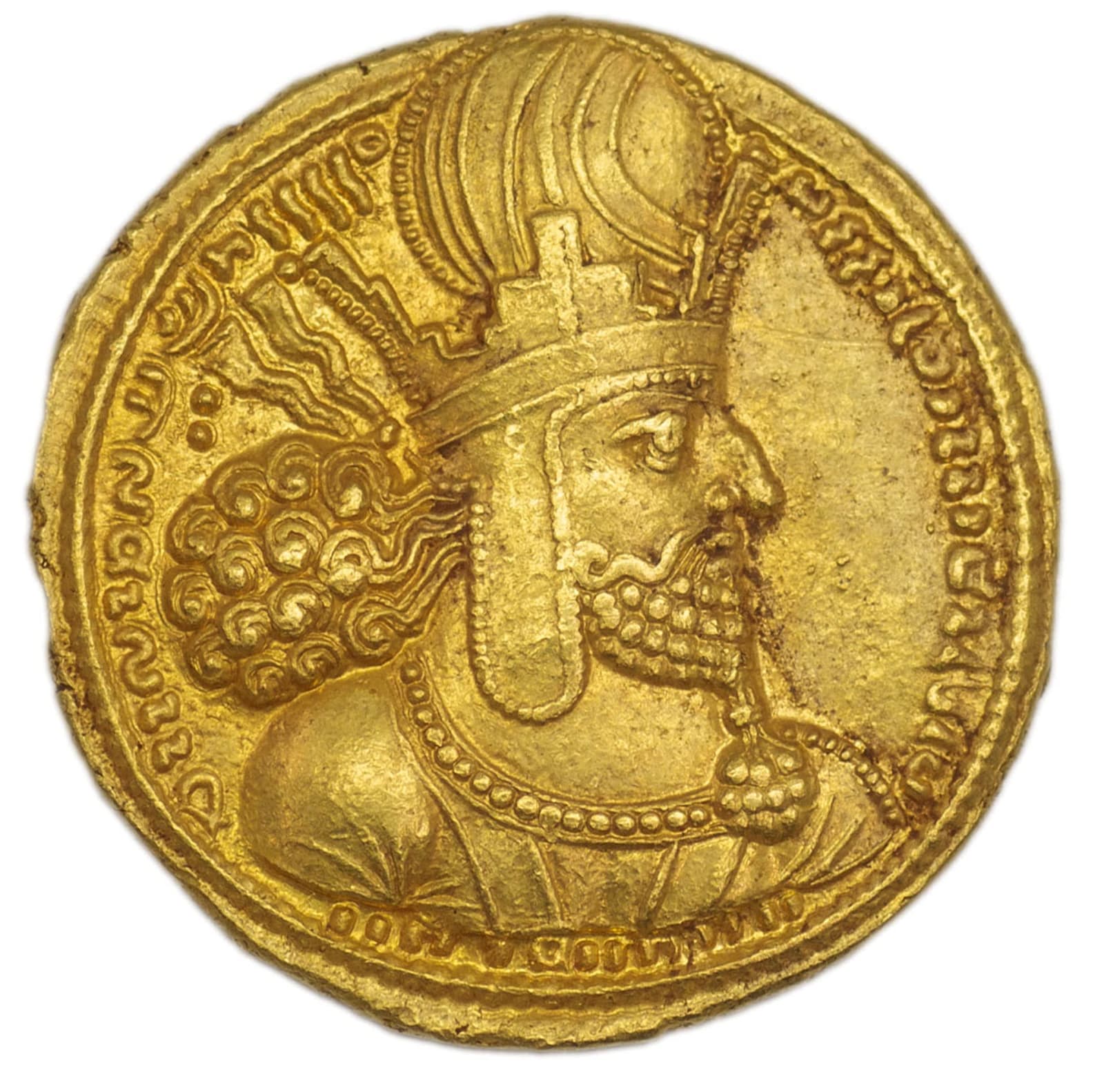
Gordian’s greatest test awaited him in the East. The Sasanian Empire, under the ambitious Shapur I, went on the offensive. Carrhae and Nisibis fell, Dura-Europos was taken, and the jewel of the East itself — Antioch — came under threat. In 242, Gordian III solemnly opened the gates of the Temple of Janus, the symbol of the beginning of war, and personally led the campaign.
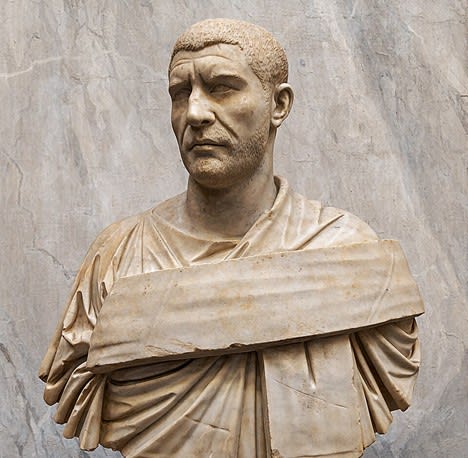
Under the wise leadership of Timesitheus, the Roman army, whose ranks even included Gothic mercenaries, moved across the Euphrates. The campaign began brilliantly: the Romans recaptured the seized cities and in 243 inflicted a crushing defeat on the Persians at the Battle of Resaena. The road to the Persian capital, Ctesiphon, lay open. Yet at that very moment triumph turned into tragedy. Timesitheus suddenly died of illness, and his place was taken by Marcus Julius Philip, later known as Philip the Arab.
The sources speak differently about the emperor’s final days. According to the Persian inscriptions at the Kaaba of Zoroaster, in early 244 the armies met in the Battle of Misiche, near modern Fallujah. Shapur I claimed that the Romans were completely defeated and that Gordian III himself died in battle.
Roman tradition, however, blamed everything on Philip the Arab. It was claimed that Philip deliberately delayed food supplies, causing famine in the army, and turned the soldiers against the youth by convincing them that the empire needed a more mature leader. Driven to despair, Gordian allegedly offered Philip a share in power, or even offered to spare his life in exchange for the title of Caesar, but on the prefect’s orders the emperor was killed on 25 February 244.
On the bank of the Euphrates, at a place called Circesium, the soldiers erected a magnificent cenotaph to their fallen leader, while his body was sent to Rome for a proper burial and deification.
Gordian III remained in Roman memory as one of the most beloved emperors. Despite his youth, his reign was marked by an attempt to restore legality in the provinces and protect the population from the abuses of officials and soldiers, as shown by manuscripts from Aphrodisias and Scaptopara. He became a symbol of unity in an age when the empire was beginning to crack at the seams. His death marked the end of a short period of stability, after which the deeper shadow of “military anarchy” followed. After his death, Gordian was officially numbered among the gods, forever remaining in history as an eternally young ruler who never had time to realize his full potential.


