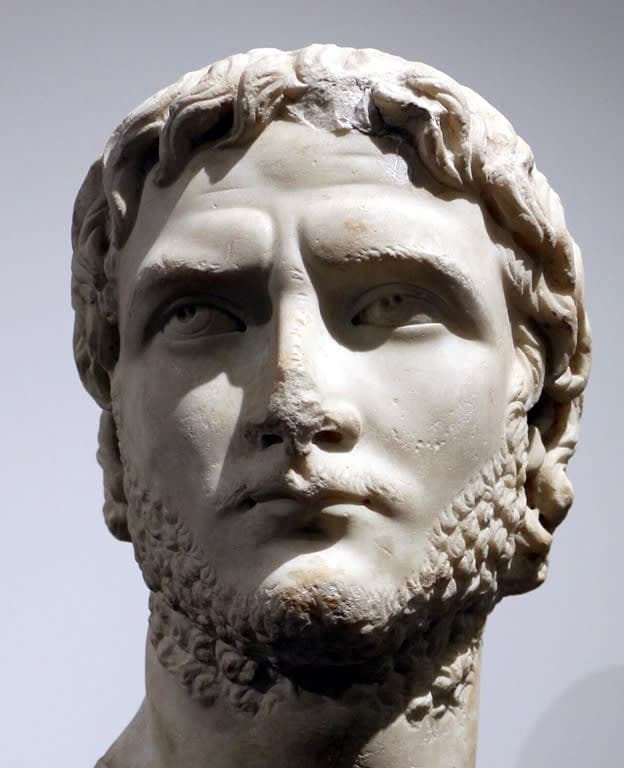
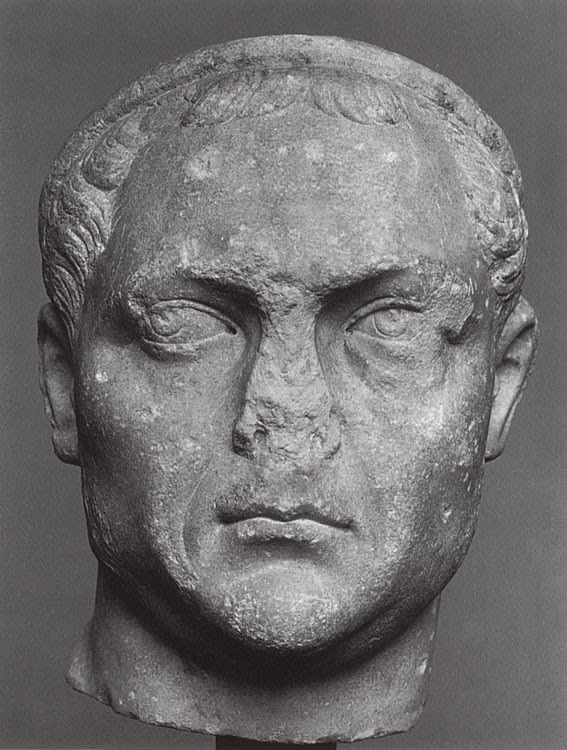
The exact date of Gallienus’s birth remains a matter of debate among historians. According to Byzantine chronicles, he was born around 218, although modern researchers such as Jona Lendering tend to place this event in 213. His birthplace was most likely ancient Etruria, possibly the city of Falerii, where the family of his mother, Egnatia Mariniana, had deep roots. His father, Publius Licinius Valerianus, was an influential senator and consular, which ensured the young Gallienus a brilliant education: he had perfect command of Latin and Greek, and was fond of rhetoric and philosophy. Before his accession to the throne, he had already passed through the initial stages of the cursus honorum, probably holding the offices of quaestor and aedile, and he had undoubtedly been hardened in the military campaigns of Gordian III and Decius Trajan.
The turning point came in 253, when Valerian was proclaimed emperor. The Senate, wishing to secure the continuity of power, immediately declared Gallienus Caesar, and soon afterward his father raised him to the rank of Augustus. Thus began their joint rule, an attempt to stabilize the vast state through the division of responsibilities. Gallienus proclaimed his wife Cornelia Salonina Augusta and soon took charge of the defense of the most dangerous sector — the Rhine frontier.

The first years of joint rule, from 253 to 259, passed for Gallienus in continuous battles. While Valerian tried to contain the Persian advance in the East, his son became the “shield of the West.” In 255, he celebrated a victory over the Germans, taking the title “Germanicus Maximus,” and later fought against the Carpi in Dacia. To secure the future of the dynasty, Valerian successively appointed his grandsons as Caesars — first Valerian II, and after his untimely death in 257 or 258, Saloninus.
In 257, the threat became total: the Franks and Alemanni broke through the Rhine limes, ravaging Gaul and reaching even Spain and North Africa. Gallienus had to rush from one front to another. In 258, he inflicted a crushing defeat on the Alemanni near Mediolanum, preventing their invasion into the very heart of Italy. To secure the borders through diplomacy, he even entered into a second, political marriage with the daughter of a Marcomannic chieftain. However, the price was high: during this same period, Rome permanently lost the Agri Decumates — the strategic salient between the Rhine and the Danube.
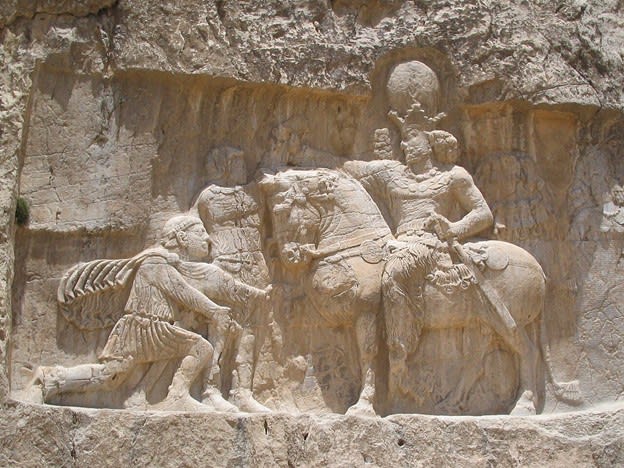
The year 260 became a black date in Roman history. Valerian was defeated by the Persian king Shapur I and taken prisoner, where he spent the rest of his days in humiliation. Gallienus became sole ruler, but his position seemed hopeless. He made the shocking decision not to ransom his father, believing that the resources of the state were more important than the life of one man. Meanwhile, the Persians were capturing Antioch and Caesarea, and the empire was overwhelmed by a wave of usurpations known as the “time of the Thirty Tyrants.”
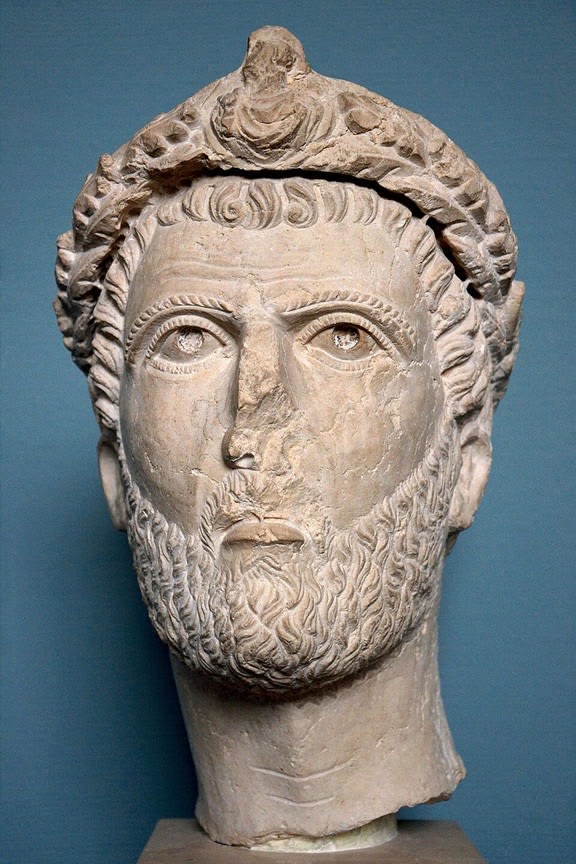
One province after another proclaimed its own emperors. In Pannonia, Ingenuus and Regalianus rebelled; in the East, the prefect Ballista and the general Macrianus proclaimed Macrianus’s sons — Macrianus the Younger and Quietus — Augusti. Gallienus managed to suppress the rebellions on the Danube, but Gaul was lost: the commander Postumus killed the young Saloninus and his guardian Silvanus, founding the independent Gallic Empire, which included Britain and Spain. In this situation, Gallienus showed remarkable flexibility: he recognized the king of Palmyra, Odaenathus, as his co-ruler in the East, entrusting him with the war against the Persians. Odaenathus performed brilliantly, recapturing the seized cities and reaching Ctesiphon itself.
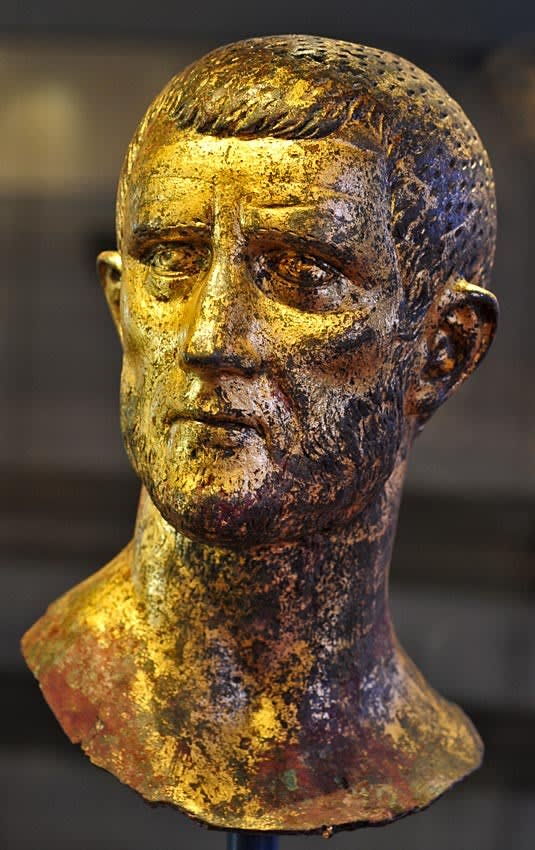
Despite the chaos of war, Gallienus remained an intellectual. During a period of relative calm between 262 and 265, he initiated a cultural movement that would later be called the “Gallienic Renaissance.” The emperor was friends with the great philosopher Plotinus and even planned to found Platonopolis in Campania — an ideal city according to the precepts of Plato. In 264, he visited Athens, became an archon, and was initiated into the Eleusinian Mysteries. His patronage of the arts changed the style of sculpture, making imperial portraits more spiritualized and “divine.”
However, Gallienus’s main achievement was his radical reform of the army. Realizing the inefficiency of cumbersome legions, he created the Cavalry Corps — a mobile reserve of heavily armed horsemen based in Mediolanum. This cavalry could be rapidly transferred to any sector of the front. In addition, in 262 Gallienus issued an edict forbidding senators from holding military commands, handing command over to professionals from the equestrian order. This decision permanently changed the structure of Roman power, making the army independent of the aristocracy.
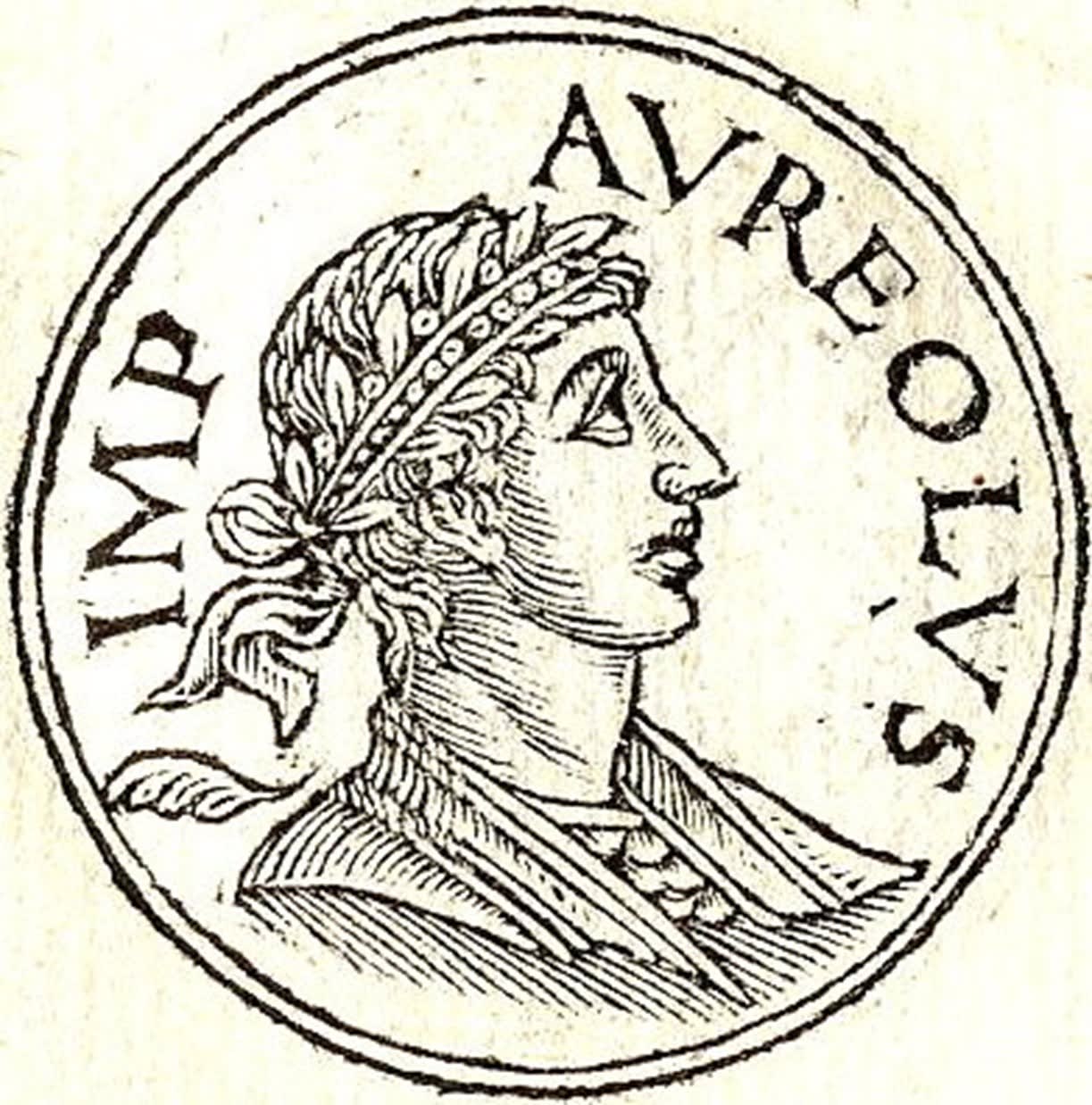
The end of Gallienus’s reign was as turbulent as its beginning. In 267, a colossal invasion by the Goths and Heruli began. A huge barbarian fleet plundered Corinth and Sparta and burned the Temple of Artemis at Ephesus. Gallienus personally led the army and dealt the enemy a crushing blow at Naissus, destroying up to fifty thousand foes. However, at that very moment, in northern Italy, the commander of his own cavalry corps, Aureolus, rebelled.
Gallienus immediately moved to suppress the rebel. In the summer of 268, he defeated Aureolus’s troops at the River Adda and besieged him in Mediolanum. But within the imperial headquarters a conspiracy had already matured. The generals Marcianus, Heraclianus, and Cecropius, fearing change or pursuing their own aims, decided to eliminate the emperor. Future great rulers — Claudius II and Aurelian — also took part in the conspiracy.
One night, the conspirators raised a false alarm, reporting that Aureolus was attempting a breakout. Gallienus, without waiting for his guards, mounted his horse and rushed out of his tent, where he was killed by assassins sent against him. His life ended at the age of fifty.
In the memory of the senatorial aristocracy, Gallienus remained a “depraved tyrant,” indulging in pleasures while the empire was collapsing. The Historia Augusta portrays him as a caricatured Epicurean who built fortifications out of fruit. However, the real results of his reign say otherwise. Gallienus managed to preserve the core of the empire at its most critical moment, reorganized the army, and prepared the ground for the future victories of his successors.
Although after his death he was condemned to damnatio memoriae in Rome, the army, which respected its commander, forced the Senate to deify him. Gallienus became a bridge between classical Rome and a new era. His military reforms and cultural aspirations proved that even in the fire of crisis, the Roman Empire was capable of producing rulers who combined the sword of a warrior with the mind of a philosopher.


