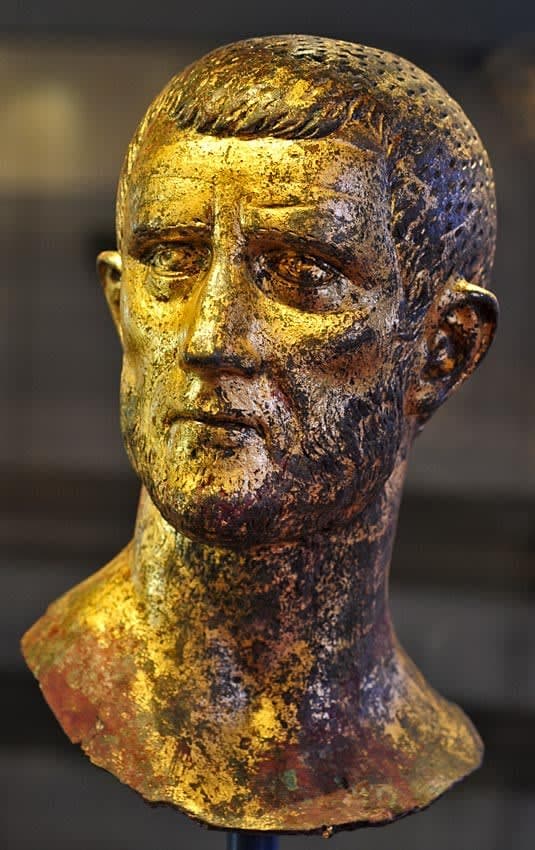
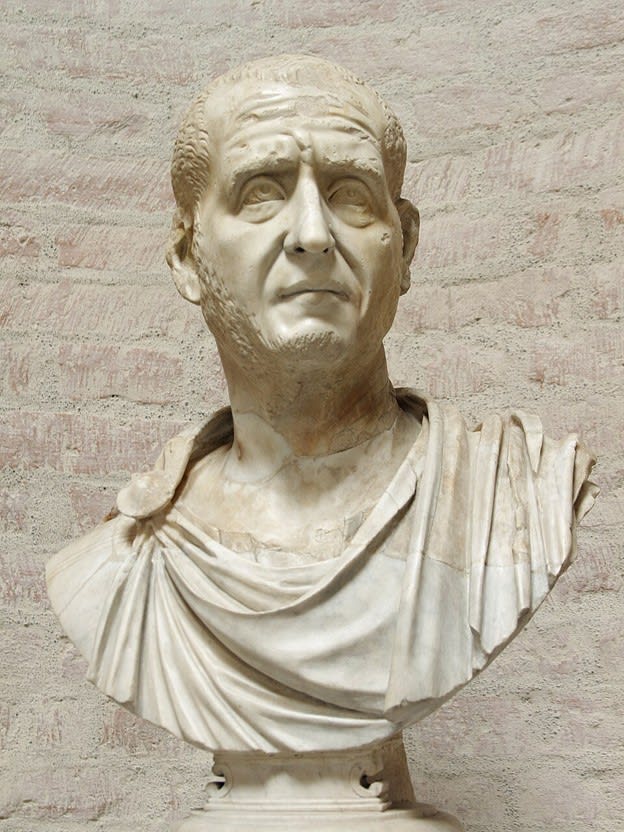
The mystery of the future emperor’s birth still provokes debate. Traditionally, Marcus Aurelius Claudius is believed to have been born on May 10, 213 or 214, although the Byzantine historian John Malalas, by giving his age at death as 56, indirectly confirms these dates. There are also versions suggesting a later birth in 219 or 220, but they have fewer supporters. His birthplace is said to have been Dalmatia or Illyricum, and possibly the region of Dardania in Upper Moesia. His roots were most likely barbarian, although his family may have belonged to the Romanized equestrian class. Legends about his kinship with the Trojan king Ilus or Emperor Gordian II are merely products of the imagination of later authors who tried to connect his name with great ancestors.
Claudius’s military career began long before his triumph. In the era of Decius Trajan, from 249 to 251, he already held the post of military tribune and, according to the sources, took part in the defense of Thermopylae, although historians see this episode as an anachronism. Under Emperor Valerian I, he allegedly commanded the nonexistent Fifth Martian Legion and became dux of Illyricum, concentrating in his hands command over troops in Thrace, both Moesias, Dalmatia, and Pannonia. Despite doubts about the authenticity of the imperial letters quoted in the Historia Augusta, it is clear that Claudius was an experienced commander, hardened in battle under Gallienus, suppressing the revolt of Ingenuus and fighting the Gallic usurper Postumus.
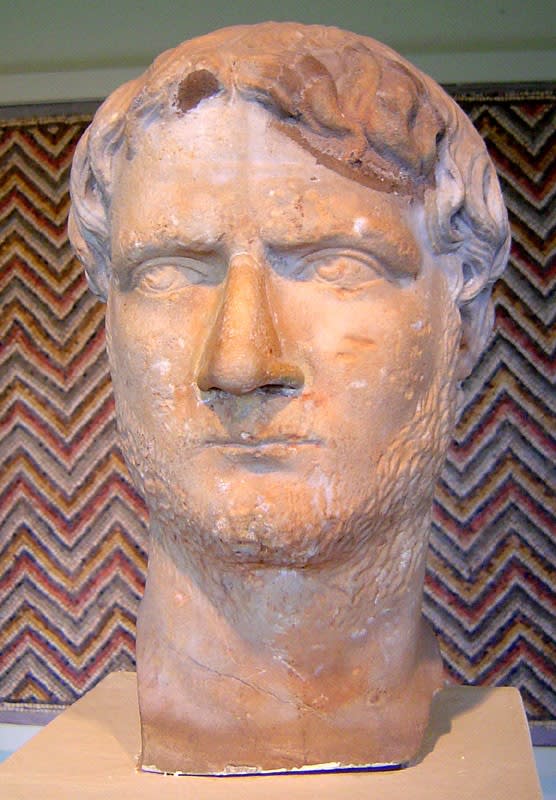
By 268, the Roman Empire was in a critical condition. While the Goths and Heruli were ravaging Greece and the Balkans, Emperor Gallienus was forced to split his attention between external enemies and the rebellion of his own commander Aureolus in northern Italy. After his victory over the barbarians in the valley of the Nessos, Gallienus besieged Aureolus in Mediolanum, modern Milan. It was here, in the shadow of the besieged city, that a conspiracy of senior officers took shape. The praetorian prefect Aurelius Heraclianus, conspiring with Marcianus and Claudius, organized the emperor’s murder. The fatal blow was struck by Cecropius, commander of the Dalmatian cavalry.
The question of Claudius’s involvement in this crime remains open. While the Greek historians Zosimus and John Zonaras directly identify him as an accomplice, the Latin tradition, seeking to whitewash Constantine’s ancestor, presents a different picture. In their version, Claudius was in Ticinum, and the dying Gallienus himself appointed him as his successor by sending him the imperial insignia. In any case, Claudius was proclaimed emperor in the summer or autumn of 268. The Senate, which hated Gallienus, hastened to approve the army’s choice, although Claudius had to make considerable efforts to stop the mass killings of supporters of the former regime in Rome. Showing political wisdom, the new emperor insisted on the deification of Gallienus in order to legitimize his own power and calm the legions loyal to the fallen Caesar, paying each soldier 20 gold coins.
Claudius’s first test was the liquidation of Aureolus’s rebellion. Aureolus was killed by his own soldiers after the emperor rejected his attempts to negotiate. But there was no time to rest: hordes of Alemanni and Juthungi poured across the Alps into Italy. According to the exaggerated estimates of Paul the Deacon, their number reached 300,000 men. At the beginning of 269, near Lake Benacus, modern Lake Garda, Claudius inflicted a crushing defeat on the enemy and assumed the title “Germanicus Maximus.”
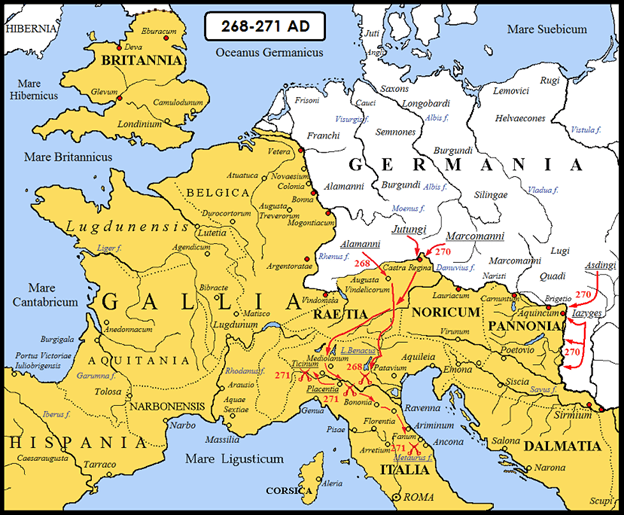
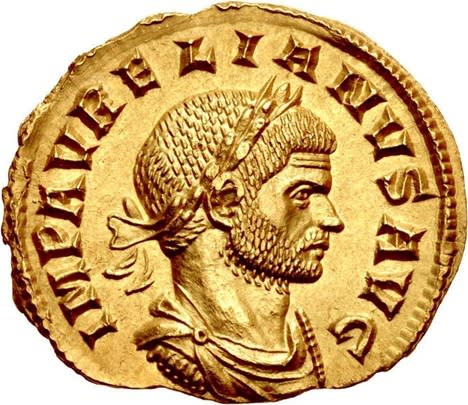
But the main threat awaited in the East. An unprecedented invasion of Goths, Heruli, Gepids, and Peucini crashed down upon the Balkan provinces. A huge barbarian fleet passed through the straits and laid siege to Thessalonica. Claudius, recognizing the scale of the danger, advanced to meet the enemy. The decisive clash took place near the city of Naissus, modern Niš in Serbia, in 269. In this bloody battle, Claudius’s military talent and the valor of the Dalmatian cavalry under the command of the future emperor Aurelian brought Rome victory. Up to 50,000 Goths were destroyed. It was for this triumph that the emperor received his most famous nickname — “Gothicus.” The remnants of the barbarian hordes were driven into the Haemus Mountains, where hunger and an outbreak of plague completed their defeat. Thousands of captives were enrolled into the army or settled on empty lands as coloni.
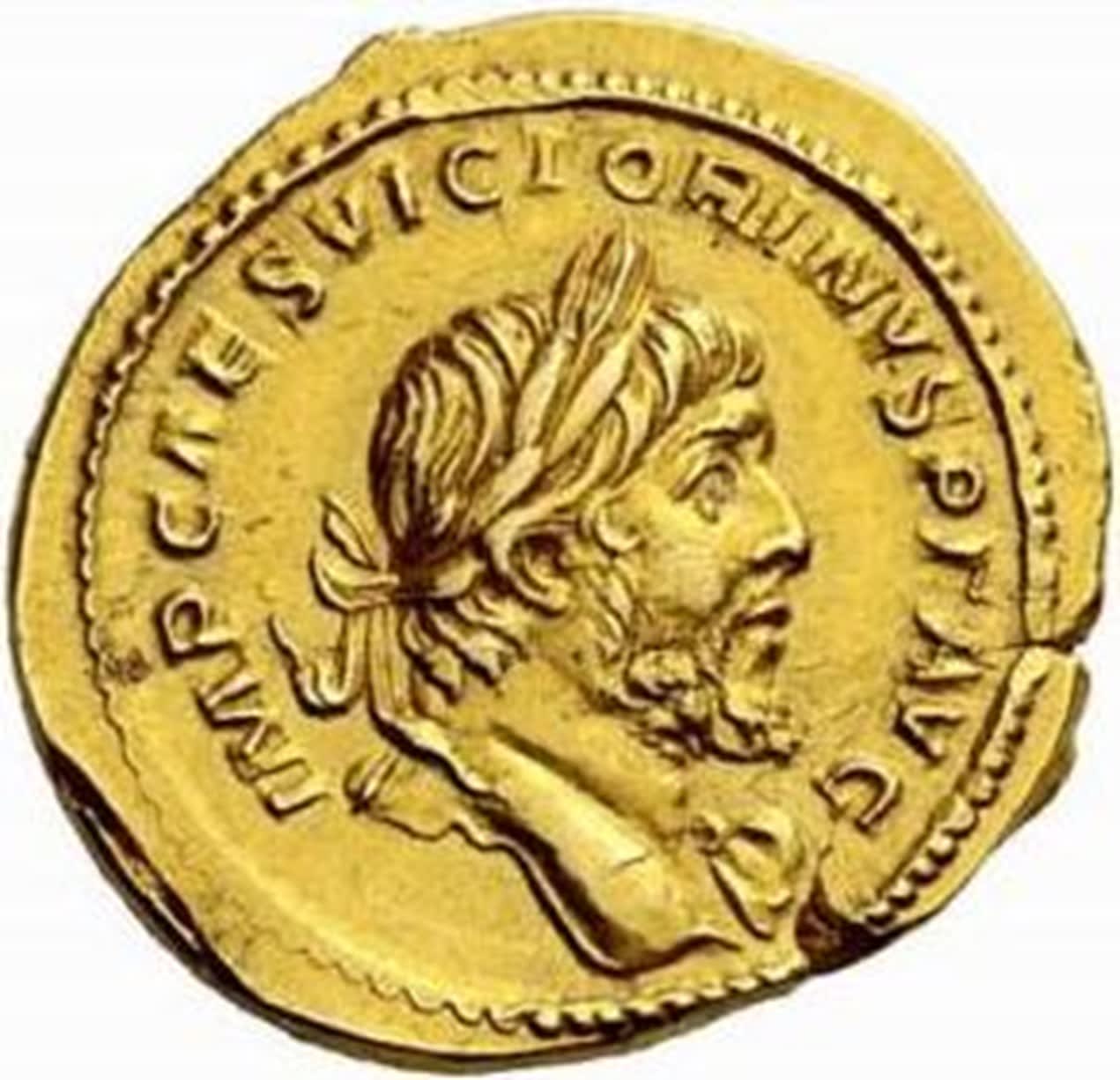
While Claudius was fighting on the Danube, the outskirts of the empire lived their own lives. In the Gallic Empire, after the death of Postumus, a rapid succession of rulers began — Laelianus, Marius, and Victorinus. Although Spain and part of Narbonese Gaul voluntarily returned to Roman authority, Claudius was unable or unwilling to help the city of Augustodunum, which had rebelled against Victorinus and fell after a seven-month siege. Perhaps the emperor simply had no free resources, being completely absorbed by the Gothic war.
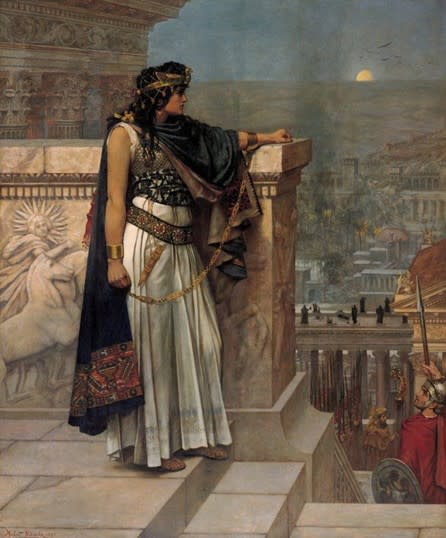
In the East, the situation was even more complicated. The Palmyrene kingdom, led by the energetic queen Zenobia, formally recognized Claudius, but in practice expanded its possessions. Syria, Arabia, and finally Egypt came under Palmyrene control. The Roman prefect Tenagino Probus tried to resist, but was killed in battle near Mount Babylon close to Memphis. Claudius was forced temporarily to tolerate the loss of control over the grain supply, understanding that he could not wage war on two fronts.
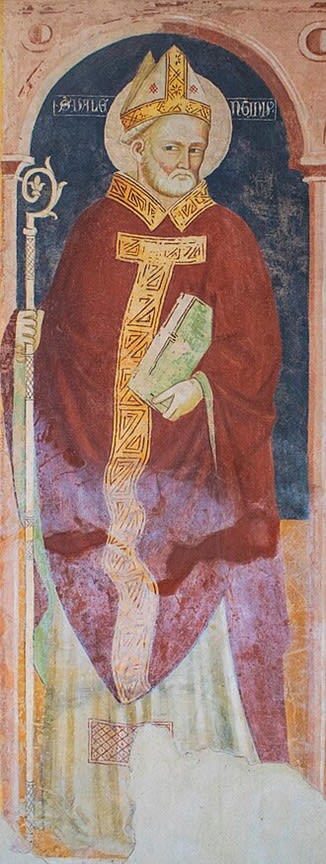
In his relations with the Senate, Claudius followed a policy of cooperation, as shown by coins bearing the inscription “Genius of the Senate.” He did not revoke Gallienus’s decrees banning senators from serving in the army, but he filled the administration with men from the Balkan provinces — professional soldiers who would become Rome’s support for the next century. In the religious sphere, Claudius remained an adherent of the traditional pantheon, especially venerating Vulcan and the Unconquered Sun. It is notable that church tradition places the martyrdom of Saint Valentine in his reign; Valentine was allegedly beheaded for his faith in Christ by the emperor’s personal order.

The end of Claudius’s reign was as swift as its beginning. In 270, while continuing the clearing of the Balkans from the remnants of the Goths, the emperor encountered an enemy against whom his legions were powerless — an epidemic of plague. The disease swept through both armies. Claudius II died in Sirmium in August or September 270. There is a heroic legend, recorded by Aurelius Victor, according to which the emperor voluntarily sacrificed himself in a devotio after learning from the Sibylline Books that the first person of the state had to die for victory. However, historians tend to see this only as a beautiful myth created later to heroicize his image.
After Claudius’s death, power was seized for a short time by his brother Quintillus, but he soon took his own life, giving way to Aurelian. The memory of Claudius Gothicus remained unstained: the Senate erected a golden statue in his honor on the Capitoline Hill and a silver one by the rostra. He was revered as the savior of the state, and the proclaimed kinship with the dynasty of Constantine secured him an exceptional place in official historiography. Even if many facts of his biography were distorted by later historians, the main point cannot be denied: in the two years of his reign, Claudius II Gothicus managed to halt the fall of Rome, laying the foundation for the great restoration of the empire that his successors would complete.


