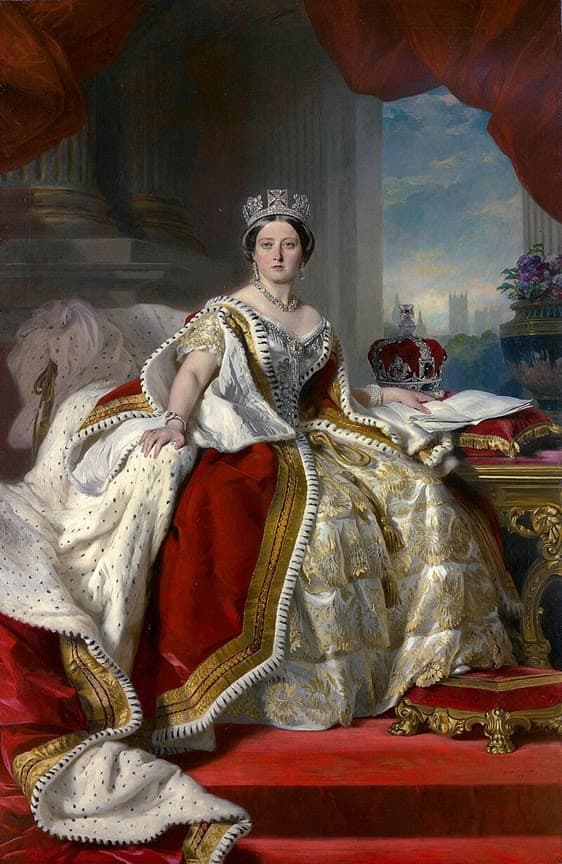

Alexandrina Victoria was born on 24 May 1819 in London, at Kensington Palace. Her father, Edward Augustus, Duke of Kent, was the fourth son of King George III. It was one of the most anxious periods in the history of the British monarchy. Until 1817 the king’s only legitimate grandchild was his niece, Princess Charlotte of Wales. Her sudden death shocked the court, as it meant that after the current generation there would be no heirs. To save the dynasty, George III’s unmarried sons had to seek wives in haste. In 1818 the Duke of Kent married Princess Victoria of Saxe-Coburg-Saalfeld, a German princess who already had two children from her first marriage.

The newborn princess was christened on 24 June 1819. She was named after her godfather, Emperor Alexander I of Russia, and after her mother. Fifth in line to the throne, neither she nor her parents could have imagined that she was destined to become queen. But death dogged her relatives: first her father died when she was only eight months old, then George III himself passed away. Her father’s two elder brothers Prince Regent George IV and the Duke of York left no offspring. As a result, after their deaths the third brother, William IV, ascended the throne in 1830. He too had no surviving children, and the young Victoria, not yet eleven years old, suddenly became the presumed heir.
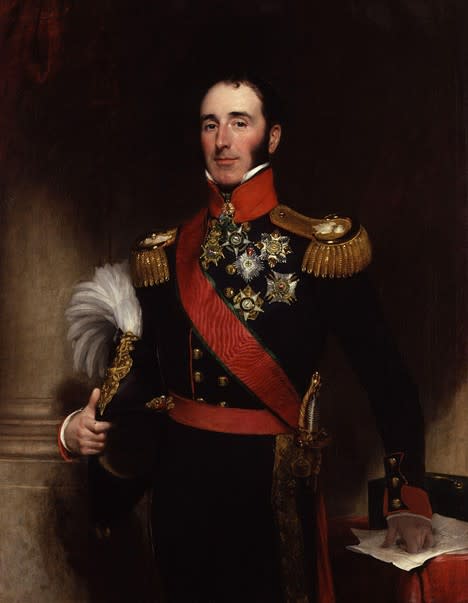
Victoria’s childhood, as she later recalled, was “rather melancholy.” She was brought up in complete isolation from the outside world under the so-called “Kensington System.” This set of strict rules was devised by her mother and the ambitious comptroller Sir John Conroy, rumored to be her lover. The system was intended to make Victoria entirely dependent on them, preventing her from communicating with people they deemed undesirable, including most of her paternal relatives. Victoria slept in the same room as her mother, was educated at home, and played with her spaniel Dash and with dolls. She was taught French, German, Italian, and Latin, though at home she spoke only English.
King William IV did not trust the duchess and Conroy. He was irritated by their public tours of the country, which presented Victoria as a rival to the king rather than as the heir. The princess herself disliked these tours; they exhausted her and often made her ill. In 1835 she fell seriously ill, and during this time Conroy and her mother tried to force her to sign a document appointing him her private secretary. Victoria refused. This episode further cemented her dislike of Conroy, and when she came to the throne, she forbade him to appear at court.
Even before reaching her majority Victoria became the object of marriage schemes. Her uncle Leopold by then King of the Belgians dreamed of uniting the British and Saxe-Coburg-Gotha dynasties. He arranged for Victoria to meet her cousin, Albert of Saxe-Coburg and Gotha. King William IV, however, proposed another candidate, a prince from the Netherlands. Victoria did not wish to be married off for convenience, but, as she wrote in her diary, she immediately liked Albert: “He is extremely handsome… his beauty, his sweetness and gentleness how can I ever be truly grateful for such a Husband!” Even so, at seventeen she was in no hurry to marry, and no engagement was announced.
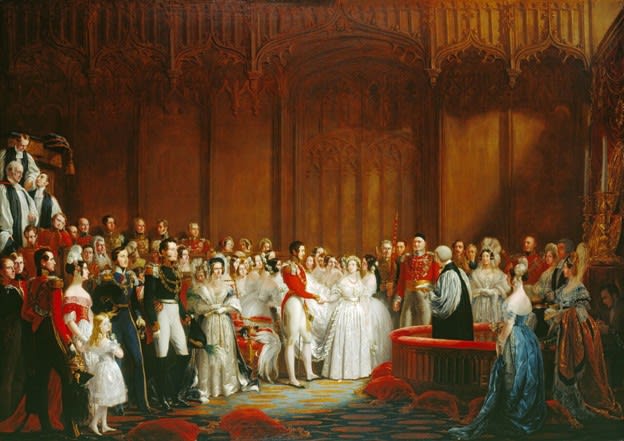
Everything changed on 24 May 1837, when Victoria turned eighteen and no longer required a regent. Less than a month later, on 20 June, William IV died. Queen Victoria ascended the throne. In the documents prepared on the first day of her reign her name appeared as Alexandrina Victoria, but at her request the first name was dropped. Finally, in October 1839, Albert visited again. Five days after his arrival Victoria, who by etiquette had to take the initiative, asked him to marry her. Their wedding took place on 10 February 1840 in the chapel of St James’s Palace. Victoria was overjoyed, as she wrote rapturously in her diary. Albert, for his part, became her chief adviser and steadfast support.
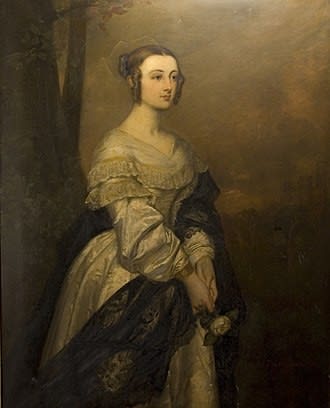
At the beginning of her reign Victoria enjoyed popular affection, but her reputation was shaken by the so-called “Hastings affair.” When the belly of one of her mother’s ladies-in-waiting, Lady Flora Hastings, suddenly enlarged, Victoria believed the rumors of an illegitimate pregnancy and accused her. It turned out that Lady Flora was a virgin and that the cause was a liver tumor, from which she soon died. The scandal reached the press, and Victoria was publicly booed.
Her popularity rose again after an assassination attempt when the 18-year-old Edward Oxford tried to shoot the queen. He missed, but his arrest and trial aroused a wave of sympathy for the monarch. A year after the wedding, on 21 November 1840, her first daughter was born, also named Victoria. The queen herself disliked being pregnant and had an aversion to breastfeeding. Nevertheless, over the next seventeen years she bore eight more children: Edward, Alice, Alfred, Helena, Louise, Arthur, Leopold, and Beatrice. During her last confinement she used chloroform, becoming the first royal personage to receive anesthesia.

Since 1714 the British monarch had also been sovereign of Hanover. But under Salic law, women could not inherit the Hanoverian throne. When Victoria ascended the throne, Hanover passed to her uncle, Ernest Augustus I.
In politics Victoria initially relied on her Whig prime minister, Lord Melbourne, who became a father figure to her. But in the 1841 election the Whigs lost, and the Tory Robert Peel became prime minister. On Melbourne’s advice Victoria refused to change her ladies of the bedchamber, and Peel resigned, allowing Melbourne to return to office. Later Peel did in fact become prime minister.
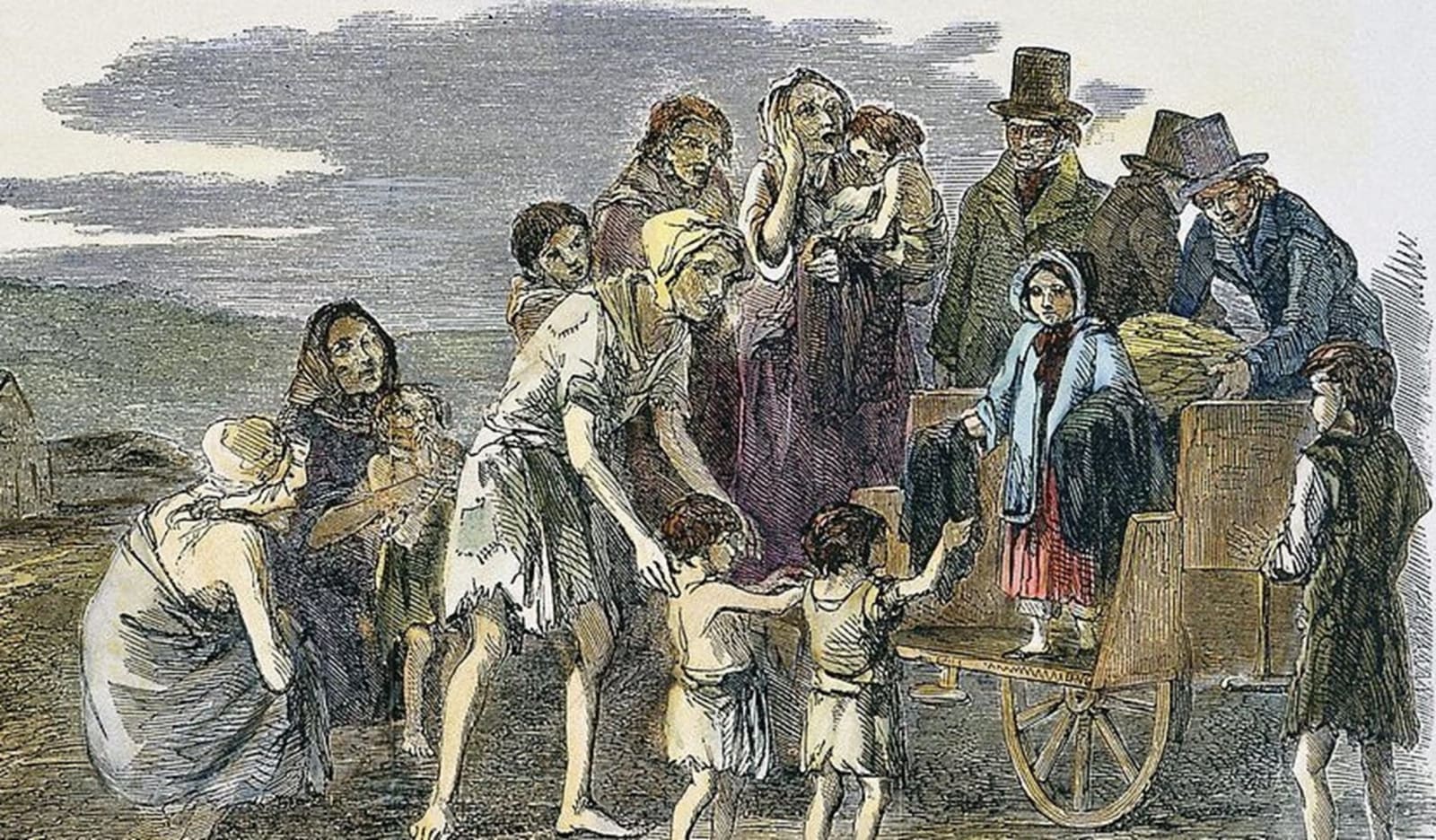
In 1845 Ireland was struck by the Great Famine, which claimed more than a million lives. Victoria personally donated £2,000, but in Ireland she was nevertheless dubbed the “Famine Queen.”

In international relations the queen sought to improve ties with France, leading to several historic visits. In 1843 and 1845 she and Albert were guests of King Louis-Philippe I, becoming the first English monarchs to visit a French king since Henry VIII.

In 1848, when a wave of revolutions swept Europe, Victoria and her family moved from London to the safer residence of Osborne House on the Isle of Wight. Despite rising republican sentiment, Britain avoided major unrest.
In the early 1850s Victoria often clashed with her foreign secretary, Lord Palmerston, who made important decisions without informing her. In the end he was dismissed. In 1853 Britain entered the Crimean War, and in 1855 the queen and Prince Albert paid a return visit to their closest ally, Emperor Napoleon III.

The queen’s life was divided into “before” and “after” 14 December 1861. In March 1861 her mother died; having learned of her mother’s love, the queen had managed to reconcile with her. To support his wife, Prince Albert took over some of her duties despite his failing health. In late November he went to Cambridge to deal with an affair involving their son, the Prince of Wales. By early December Albert’s condition had worsened sharply, and on 14 December he died of typhoid fever. Victoria was utterly devastated. She blamed her son for his father’s death and fell into a profound mourning that lasted the rest of her life. In the following years she seldom appeared in public, living in seclusion at Windsor Castle, Osborne House, and Balmoral Castle in Scotland.
Her isolation led to a decline in the monarchy’s popularity and a rise in republican feeling. In the 1860s the queen grew close to her Scottish servant John Brown. Their intimate friendship prompted rumors of an affair and even of a secret marriage, earning the queen the new nickname “Mrs. Brown.”

Despite her seclusion Victoria continued to perform her duties. In 1866 she took part in the State Opening of Parliament for the first time since her husband’s death. In 1868 Benjamin Disraeli became prime minister and managed to charm the queen with his flattery. Her relations with his rival, William Gladstone, were far more strained.
In 1871 the republican movement reached its peak, but the situation changed when the Prince of Wales fell ill with typhoid fever. The nation worried for him, and his recovery prompted general rejoicing. On 27 February 1872 mother and son rode in an open carriage through London. Two days later another attempt was made on Victoria’s life, when a youth fired an unloaded pistol at her as she rode in a carriage. The incident only strengthened her popularity.
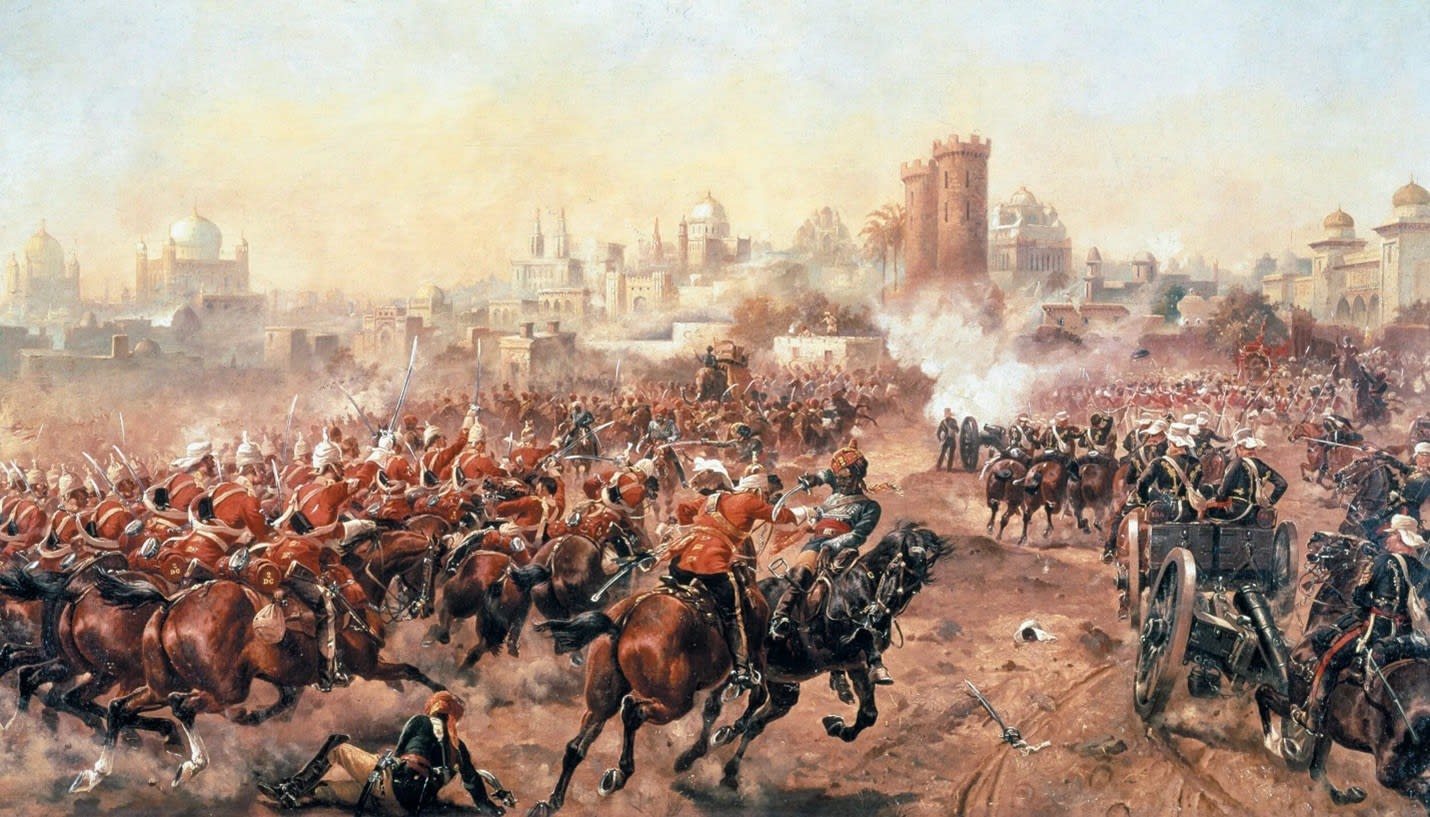
After the Indian Rebellion of 1857, when the East India Company ceased to exist, India passed under the direct rule of the British Empire. Queen Victoria showed a restraint rare for the time, condemning the cruelty on both sides. She insisted that the official proclamation of the transfer of power “breathe a spirit of magnanimity,” guaranteeing the local population freedom of religion and respect for their customs.
After the 1874 election Benjamin Disraeli her favorite returned to power. It was he who in 1876 carried through Parliament the Royal Titles Act, by which from 1 May 1876 Victoria assumed the new title Empress of India. This was solemnly proclaimed at the Delhi Durbar on 1 January 1877, further enhancing her authority as head of a vast empire.
During this period Victoria supported Disraeli’s expansionist policy, believing that the empire’s growth brought civilization and protected peoples from aggression. To her dismay, however, Disraeli lost the next election in 1880, and William Gladstone whose relations with her were strained became prime minister again.
Despite her advanced age and failing health, Victoria retained firmness of spirit. In 1882 another attempt was made on her life, when the poet Roderick Maclean fired at her while she was in a carriage. The queen was outraged that he was found insane, but she welcomed the wave of public support that followed the incident.
In 1883 she fell down a staircase, leaving her lame for the rest of her life. Soon afterward her faithful servant John Brown died. Victoria was so stricken with grief that she wished to publish a laudatory biography of him, but her secretary dissuaded her, fearing it would fuel rumors of their romance. Nevertheless, she dedicated to him her book More Leaves from the Journal of a Life in the Highlands. A year later she lost her youngest son, Leopold, whom she called “the dearest of my dear sons.”
In 1887 Britain celebrated Victoria’s Golden Jubilee. She marked the fiftieth anniversary of her accession with a banquet to which she invited fifty kings and princes. Her popularity reached unprecedented heights. At the same time, she engaged an Indian servant, Abdul Karim, who became her language teacher and secretary. Her family and household were outraged by his influence, but Victoria deemed their complaints racist and trusted him completely.

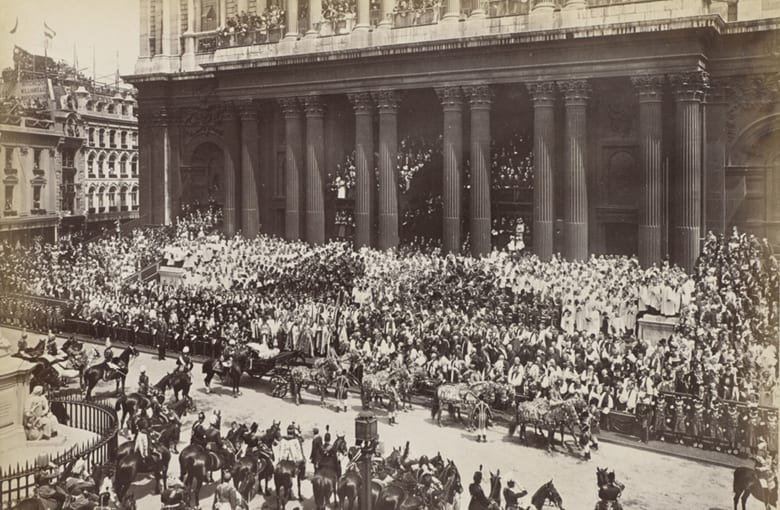
In 1897 Victoria celebrated her Diamond Jubilee, becoming the longest-reigning monarch in British history up to that time (a record later surpassed by Elizabeth II). The celebration became a true festival of the British Empire. Troops from all its dominions took part in the parade, and the 78-year-old queen rode solemnly in an open carriage. The event symbolized her status as the benevolent and majestic “matriarch” of a vast empire.
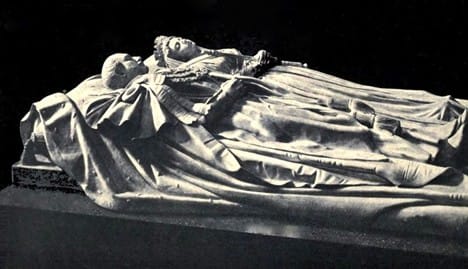
Victoria died on 22 January 1901 at the age of eighty-one at Osborne House. At her side were her son and heir, Edward VII, her eldest grandson, German Emperor Wilhelm II, and her beloved Pomeranian named Turi. According to her instructions, the funeral was military, and the coffin was covered not in black but in white. She was buried beside Albert in the mausoleum at Frogmore.

Victoria’s reign lasted 63 years, 7 months, and 2 days. She was the last member of the Hanoverian dynasty. Her son, Edward VII, founded the new Saxe-Coburg and Gotha dynasty.
Victoria left a rich legacy. Her detailed journals, totaling 122 volumes, offer a unique insight into the queen’s life and thoughts. She became the “grandmother of Europe,” as her forty-two grandchildren married into many of the continent’s royal houses, including those of Spain, Russia, and Germany. She also passed on hemophilia to her descendants, identified in her youngest son, Leopold, and in two of her daughters who were carriers.
The Victorian era marked a gradual transition from a political to a constitutional monarchy, in which the monarch’s role became more symbolic and moral than political. Unlike her predecessors, Victoria restored the prestige of the monarchy, making it a model of family values.


