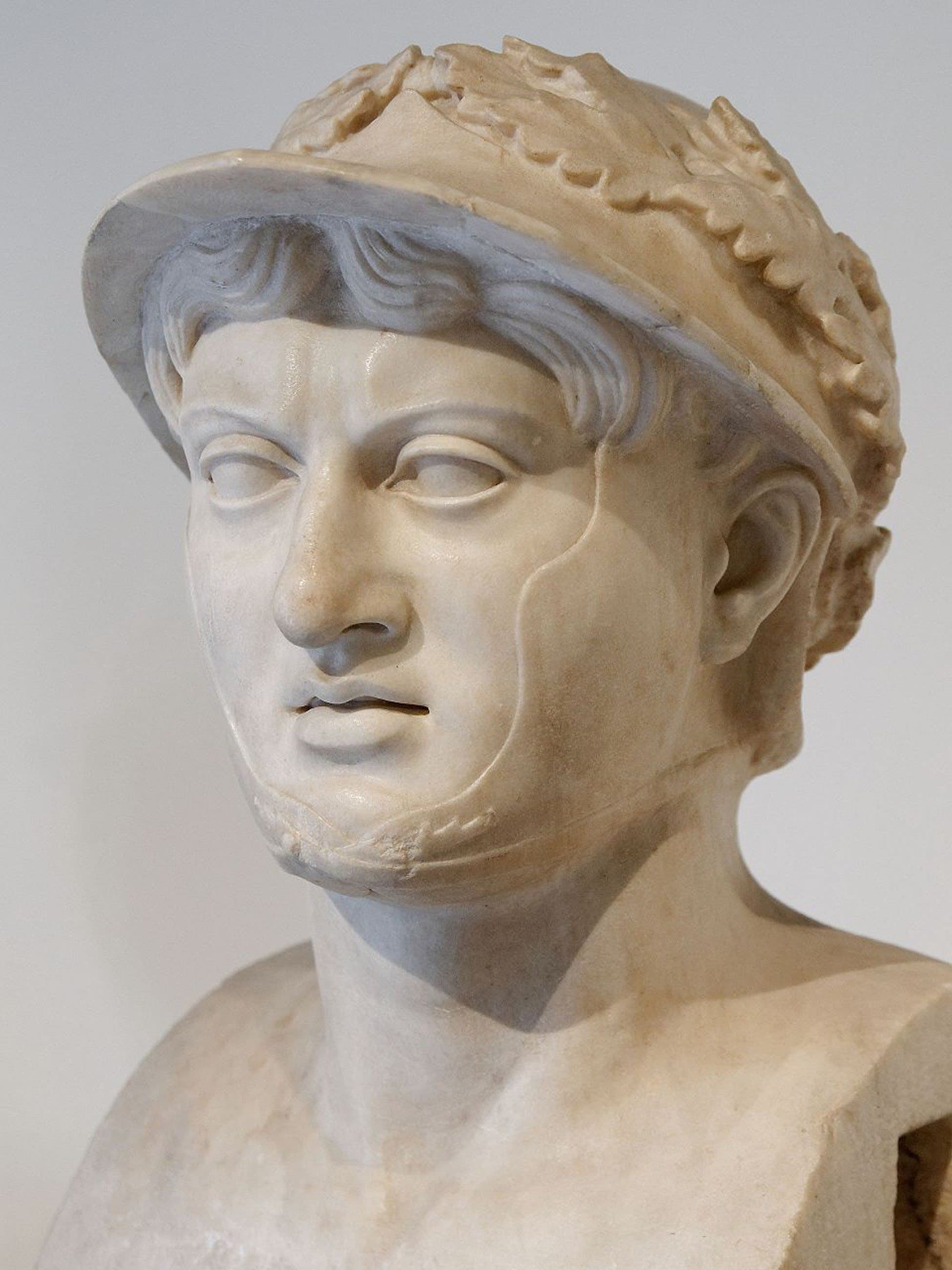
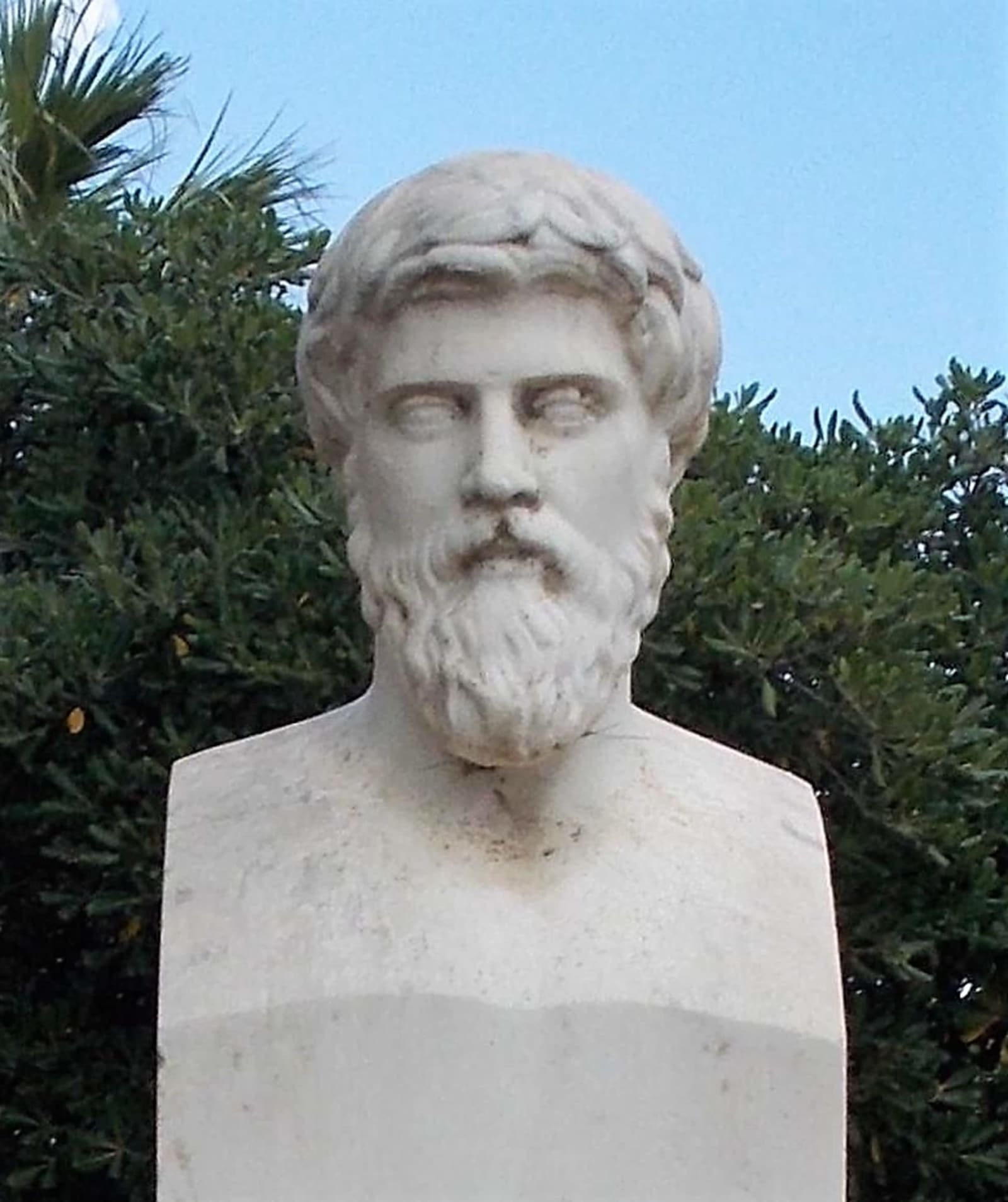
The drama of Pyrrhus’s life began literally from the cradle. At the end of 317 BC, Epirus was swept by a wave of rebellion. His father, King Aeacides, was overthrown, and his supporters were subjected to brutal reprisals. The two-year-old Pyrrhus was saved by loyal friends of the family — Androcleides and Angelus. Plutarch describes their flight like a true adventure story: pursued by enemies, they found themselves before a raging river on the border of Epirus. The roar of the current was so loud that the people on the opposite bank could not hear their cries. Then the fugitives wrote a plea for help on a piece of bark, wrapped it around a stone, and threw it across the river. The locals, understanding the danger, built a raft and rescued the future king. The first man to take the child into his arms was named Achilles — a symbolic name for someone who would later consider himself heir to the hero of the Iliad.
Pyrrhus found refuge with Glaucias, king of the Taulantians, who refused to hand the boy over to his enemies despite enormous bribes. In 307 BC, when Pyrrhus was twelve, Glaucias restored him by force to the Epirote throne after the death of the cruel tyrant Alcetas. However, in 302 BC, while Pyrrhus was in Illyria at the wedding of friends, another coup took place in Epirus. The treasury was plundered, and Neoptolemus II seized the throne.

Finding himself in exile, the young Pyrrhus joined the greatest commanders of the time — Antigonus Monophthalmus and his son Demetrius Poliorcetes. It was under their command that Pyrrhus received his baptism of fire in 301 BC at the grand Battle of Ipsus. Although his side was defeated, the young Pyrrhus displayed such courage that all the monarchs of the Hellenistic world took notice of him.


After the battle, Pyrrhus for a time governed Demetrius’s Greek garrisons, but in 299 BC, as a pledge of peace, he was sent as a hostage to Egypt, to Ptolemy I. There he quickly charmed the royal court with his intelligence and courage. Ptolemy, recognizing him as a valuable ally, gave him his stepdaughter Antigone in marriage. In 296 BC, after receiving money and troops from Egypt, Pyrrhus returned to Epirus. At first he agreed to co-rule with Neoptolemus, but already in 295 BC, after uncovering a conspiracy, he killed his rival at a feast and became sole ruler.

Having become full king, Pyrrhus began expanding his possessions. After Antigone’s death, he entered into political marriages with the daughters of the kings of the Paeonians and Illyrians, and also married Lanassa, daughter of the Sicilian tyrant Agathocles, receiving the island of Corcyra as her dowry.
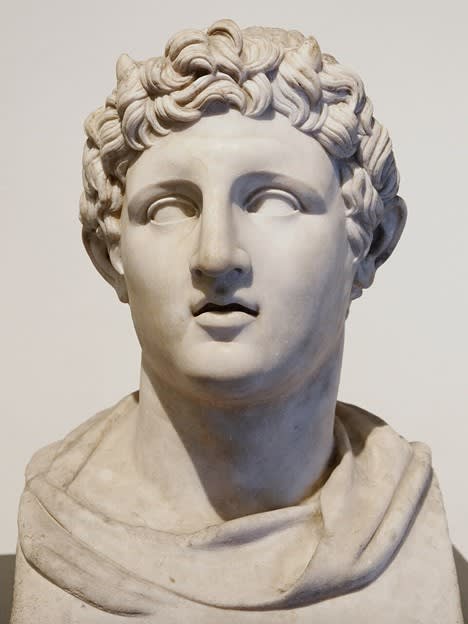
Soon the paths of Pyrrhus and his former mentor Demetrius diverged. In 294 BC, Demetrius became king of Macedonia, and a prolonged struggle began between them. In 289 BC, a famous clash took place in Aetolia: Pyrrhus met Demetrius’s general Pantauchus in single combat. The Epirote king inflicted two serious wounds on his opponent and threw him to the ground, inspiring admiration even among the Macedonian warriors. They began to compare Pyrrhus with Alexander the Great, seeing in him the same spark of genius and courage.
In 288 BC, the coalition of Seleucus, Ptolemy, and Lysimachus called on Pyrrhus to strike the decisive blow against Demetrius. The Macedonian army, exhausted by Demetrius’s luxury and despotism, went over to Pyrrhus en masse. He was proclaimed king of Macedonia. However, the triumph was short-lived: Lysimachus, who had stronger connections among the Macedonian nobility, drove Pyrrhus back into Epirus in 285 BC, appealing to the idea that Macedonians should not submit to a “foreign Molossian.”
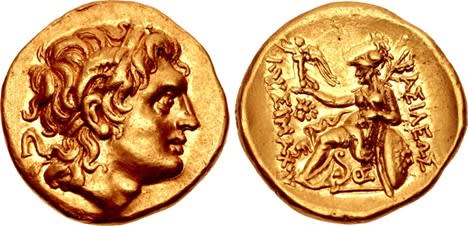
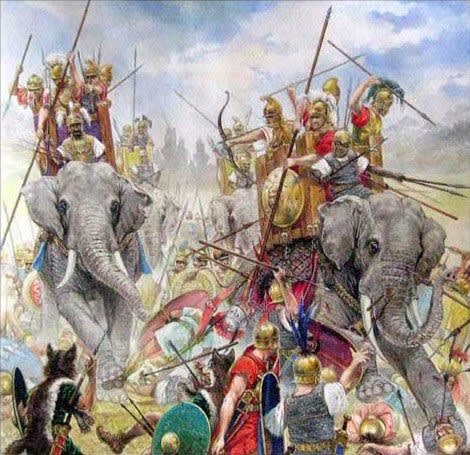
In 281 BC, envoys from Tarentum came to Pyrrhus. Tarentum was a wealthy Greek city in southern Italy, exhausted by the pressure of Rome’s growing power. For Pyrrhus, this was a chance to realize his dream of a western empire like the one Alexander had created in the East. Receiving support from Ptolemy Ceraunus and other Diadochi — who were glad to send the dangerous warrior far away — Pyrrhus crossed into Italy with an army of 25,000 men and 20 war elephants.
In 280 BC, at the Battle of Heraclea, the Romans encountered the phalanx and the “Lucanian oxen,” as they called the elephants, for the first time. Pyrrhus won the victory, but he was struck by the endurance of the Roman legionaries. In 279 BC, the Battle of Asculum took place. Pyrrhus won again, but the losses were so heavy that he uttered his famous phrase: “One more such victory, and I shall be left without an army.” It was then that the concept of a “Pyrrhic victory” entered history.

Seeing no possibility of quickly ending the war in Italy, Pyrrhus accepted an offer from Syracuse and went to Sicily to fight Carthage. In 278–276 BC, he swept across the island like a whirlwind, capturing almost all the Carthaginian fortresses, including the impregnable Eryx. He was already planning a campaign against Africa, but his harsh character and heavy taxes turned the Greek cities of Sicily against him. Leaving the island, Pyrrhus prophetically remarked: “What a glorious battlefield we are leaving to the Romans and Carthaginians.”
Returning to Italy in 275 BC, Pyrrhus fought his final battle against the Romans at Beneventum. The battle produced no clear victor, but the exhausted Pyrrhus decided to return to Epirus.

Pyrrhus spent the final years of his life fighting for supremacy in Greece. He drove Antigonus Gonatas out of Macedonia, besieged Sparta, and finally became involved in street fighting in Argos in 272 BC. It was there that the great warrior met his death. According to the official version, during a night battle in a narrow alley, an elderly woman threw a roof tile from above, striking Pyrrhus on his unprotected neck and stunning him, after which an enemy soldier cut off his head.
However, many ancient authors, such as Pausanias, questioned the official version, considering it a falsification by the court historians of Antigonus Gonatas. They claimed that Pyrrhus had never lost wars and had not been defeated in honorable combat. Even his enemies admitted that in military talent Pyrrhus was second only to Alexander the Great — and in Hannibal’s opinion, he stood second or even first.
Pyrrhus was not simply a “mercenary king.” He transformed Epirus into a developed Hellenistic power, built cities, and was a master of strategy. His battles with Rome became the first historical proof that the Macedonian phalanx could be defeated only by a legionary system superior in maneuverability, foreshadowing the decline of Hellenism and the dawn of Roman domination.


