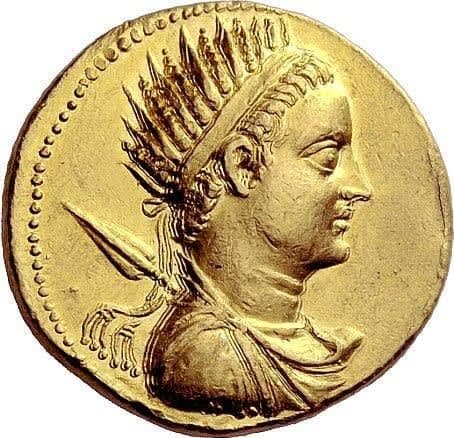

Ptolemy V, the future “Manifest God,” entered history at one of its darkest moments. He was born on October 9, 209 BCE and, only a few months later, was proclaimed co-ruler with his father, Ptolemy IV Philopator. Yet the prince’s childhood was short: in November 203 BCE Philopator died, leaving his five-year-old son in the hands of a rapacious palace clique.
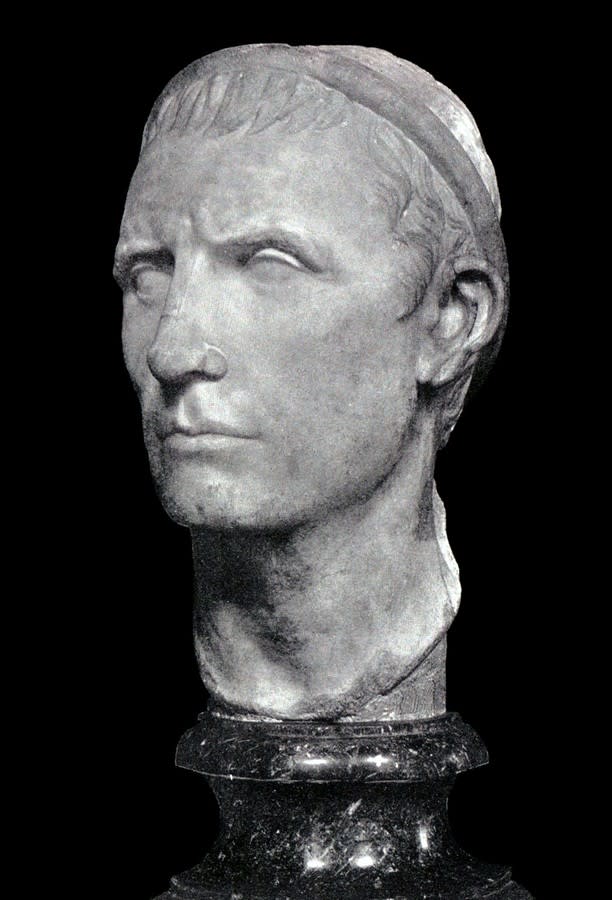
The backstage puppet-masters of Egypt became Sosibius and Agathocles. Their first task was to eliminate the king’s mother, Arsinoe III, who was loved by the people and could have become the legitimate regent. The conspirators acted methodically: through Agathocles’ friend Philammon they arranged the queen’s secret murder even before the news of her husband’s death became official. Having seized control of the body and the will of the little Ptolemy V, they presented a forged will, making themselves guardians of the crown, while the child was placed under the care of Oenanthe and Agathocleia — Agathocles’ mother and sister.
Agathocles’ power was short-lived. His arrogance, lust, and depravity aroused the boiling hatred of the Alexandrians. In 202 BCE the cup of patience overflowed. The strategos Tlepolemus, who commanded the defenses at Pelusium, raised a revolt. When the army and the people surrounded the palace, Agathocles’ fate was sealed.
The little king was brought out onto the hippodrome, where Sosibius the Younger, the son of the old intriguer, asked the terrified child whether he handed over his mother’s murderers to be torn apart. No sooner had the boy nodded than the crowd turned into an uncontrollable elemental force. Agathocles was stabbed on the spot, and his sisters and his mother Oenanthe were dragged naked into the streets. The enraged Egyptians bit them, stabbed them with spears, and literally tore them to pieces. Philammon, who had just returned from Cyrenaica, also fell victim to popular vengeance: he and his entire family were beaten to death with stones and clubs right in their home.
Tlepolemus came to power, but he proved a brilliant warrior and a worthless ruler. While he squandered the state treasury on feasts, ball games, and lavish handouts to mercenaries, Egypt’s external enemies concluded a secret alliance. Antiochus III the Great and Philip V of Macedon agreed to divide the possessions of the “orphan boy.”

Blows came from all sides. Philip V seized Samos and Caria, driving Egyptian garrisons out of the Aegean Sea. Antiochus III invaded Coele-Syria once again. The city of Gaza showed legendary loyalty to the Ptolemies, withstanding a long and bloody siege in 201 BCE, but in the end it fell under the Seleucid onslaught.

At this critical moment envoys from Rome arrived in Alexandria, including Marcus Aemilius Lepidus. Rome had just crushed Hannibal and was now trying on the role of world arbiter. A legend later arose that Lepidus became the “guardian of the king” (Tutor Regis), and although this was probably Roman exaggeration, Egypt effectively acknowledged the patronage of the Senate in hopes of protection against Antiochus.
In 201 BCE the Acarnanian Aristomenes became regent and entrusted the army to the Aetolian Scopas. At first Scopas was successful: in winter he restored control over Jerusalem and southern Palestine. However, in the spring of 200 BCE a decisive clash occurred at the sources of the Jordan — the Battle of Panium.
Antiochus III utterly defeated the Egyptian army. This defeat put a final end to the century-long dispute over Coele-Syria. Palestine was lost to the Ptolemaic dynasty forever. Scopas, fleeing to Alexandria, attempted to stage a coup, but was exposed by Aristomenes and poisoned.
In October 197 BCE, when Ptolemy V was only twelve years old, Aristomenes decided it was time to declare him of age. A splendid ceremony took place — the anacleteria. The king received the name Theos Epiphanes (“Manifest God”).
After the Greek celebration came the Egyptian coronation at Memphis. It was in this period (March 196 BCE) that the famous decree was issued, carved on the Rosetta Stone. To appease the priests and the population amid unceasing rebellions, the king made unprecedented concessions: he forgave debts to the treasury, abolished a number of taxes, released prisoners, and guaranteed amnesty to rebels.


The war with Antiochus ended not in battle but in a marriage alliance. In the winter of 193–192 BCE, at Raphia, the sixteen-year-old Ptolemy V married Antiochus’s daughter Cleopatra I, known as Cleopatra Syra.

This marriage gave rise to one of the longest diplomatic disputes in history. The Egyptian court claimed that Coele-Syria had been promised as Cleopatra’s dowry. Antiochus IV later fiercely denied this. Most likely Antiochus III the Great merely promised to remit the revenues of the province to his daughter, who had become queen of Egypt, but he had no intention of surrendering the strategic territory.

Throughout Epiphanes’ reign Egypt was torn by civil war. In Upper Egypt its own pharaohs ruled — Ankhmakhis and Hermakhis, supported by Ethiopians. In Lower Egypt the Delta teemed with rebels.
In 197 BCE Ptolemy V personally directed the siege of Lycopolis. The Nile flooded so greatly that the king had to spend enormous sums building dikes in order to inundate the city and take it by storm. The brutality of the reprisals against the leaders of the revolt shocked contemporaries. In 184–183 BCE Polycrates of Argos managed to suppress the revolt in Lower Egypt completely. Local leaders surrendered on terms of amnesty confirmed by the king’s oath. However, Ptolemy, displaying Macedonian ferocity, broke his word: he tied the captured leaders to his chariot and dragged them naked through the streets of Sais until they died.
The last years of Ptolemy’s reign were marked by rivalry with Pergamum. Seeking to preserve the greatness of the Library of Alexandria, the king banned the export of papyrus. This forced King Eumenes II to seek a substitute, which led to the refinement of the processing of hides and the emergence of parchment (named after the city of Pergamum).
Ptolemy V’s life ended as abruptly as it had begun. In 181 (or 180) BCE, the twenty-eight-year-old king was discussing plans for a new war with the Seleucids to recover Coele-Syria. When he carelessly dropped the remark that his wealth lay in his friends (hinting at the purses of the grandees), the frightened aristocracy decided to act first. Ptolemy Epiphanes was poisoned by conspirators.


