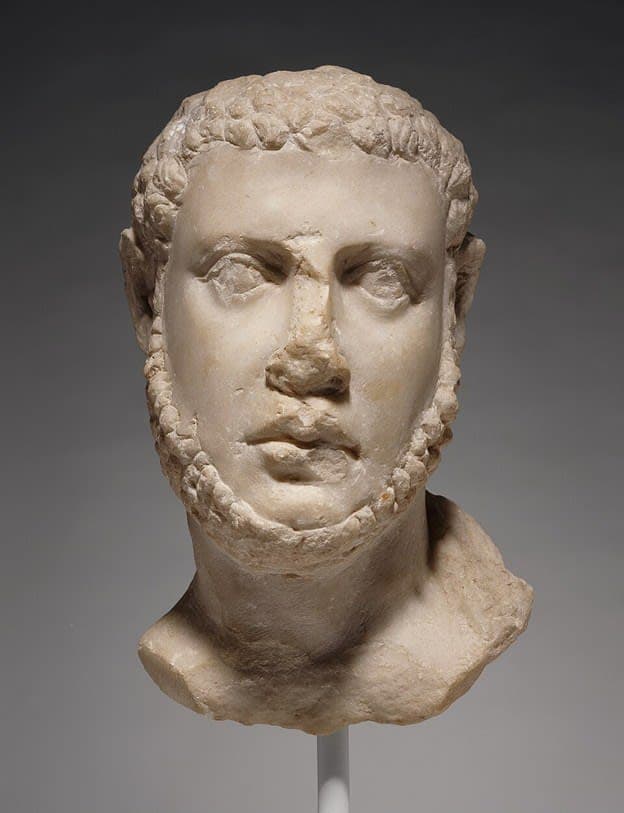
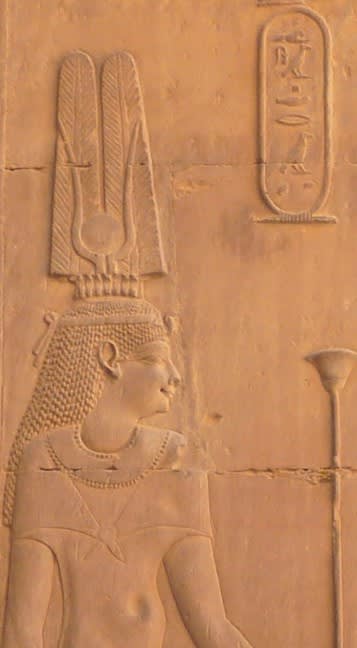
In 116 BC Egypt was plunged into mourning and uncertainty, for Ptolemy VIII Euergetes had died. His will was unusual even by the standards of the Lagids: the throne was to be inherited by his widow Cleopatra III together with whichever of his sons she herself chose. Driven by a thirst for absolute power, the queen placed her bet on the younger son — Alexander, believing he would be a more obedient instrument in her hands.

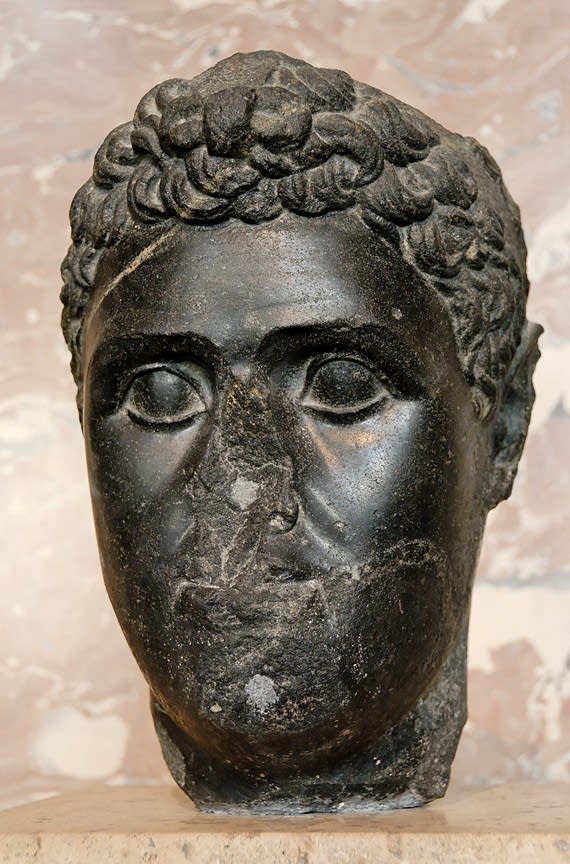
However, the Alexandrian mob, which always had its own opinion on succession, resolutely opposed this. Cleopatra had to yield to popular anger and summon her elder son, the twenty-five-year-old Ptolemy IX, from Cyprus. He ascended the throne under the majestic name Ptolemy Philometor Soter (“Mother-loving Savior”). The irony of this name did not escape contemporaries: the historian Pausanias caustically remarked that it would be hard to find another king so sincerely hated by his mother as he was. His nickname Lathyros (or Lathyrus) was probably another Alexandrian witticism, the meaning of which is now lost but which clearly did not add grandeur to the monarch.
The first years of Lathyros’ reign passed under the complete control of Cleopatra III. She even arranged his personal life, forcibly separating him from his beloved sister-wife Cleopatra IV and compelling him to marry another sister — Cleopatra Selene. In 115 BC mother and son undertook a ceremonial journey through Upper Egypt as far as Elephantine to demonstrate the unity of power, but behind this façade catastrophe was brewing.

The rejected Cleopatra IV did not reconcile herself to her fate. She went to Cyprus, raised an army there, and offered her hand and forces to the claimant to the Syrian throne, Antiochus Cyzicenus. This turned the Seleucid dynastic conflict into a bloody “war of sisters”: Cleopatra IV confronted her elder sister Tryphaena, wife of Antiochus Grypus. In 112 BC Tryphaena ordered her sister to be killed inside the temple of Apollo, cutting off the hands with which she clung to the altar. A year later Cyzicenus took revenge by sacrificing Tryphaena to the spirit of his murdered wife. The Egyptian court watched this madness, understanding that the next clash would occur on the banks of the Nile.
In 107 BC Cleopatra III decided on a coup. The pretext was that Lathyros had sent 6,000 troops to aid a Syrian ally without her knowledge. The queen staged a spectacle: she brought wounded eunuchs before the people, claiming that her son had tried to kill her. The Alexandrians, easily swayed by emotion, expelled Lathyros. He fled to Cyprus, leaving his wife and children in his mother’s hands.
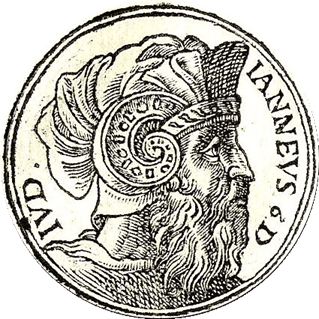
Cleopatra summoned her younger son Alexander I, but Lathyros had no intention of surrendering. From Cyprus he turned the island into a powerful base. When turmoil broke out in Syria and Palestine, Lathyros intervened, besieging Ptolemais at the request of local inhabitants. This led to his clash with the Jewish king Alexander Jannaeus. In the Battle of Asophon near the Jordan River, Lathyros won a brilliant tactical victory despite the numerical superiority of the Jews.
Historians Nicolaus of Damascus and Strabo describe a horrifying episode of this campaign: to demoralize the fleeing enemy, Lathyros ordered his soldiers to slaughter women and children in captured villages and throw their body parts into boiling cauldrons, creating the false impression that his army consisted of cannibals.
Cleopatra III, fearing that her son would return to Egypt through Palestine, personally led an army and fleet. Around 102 BC the war ended essentially inconclusively: Lathyros returned to Cyprus, and Cleopatra to Alexandria. Soon afterward, in 101 BC, the queen died. Rumors circulated that Alexander I had ordered her killed, unable to endure her domination.
In 88 BC Alexander I, having lost the support of the army and people, was killed, and Lathyros triumphantly returned to the Egyptian throne. By this time he was already a mature man of about fifty-four years. His co-ruler became his daughter Berenice III.
The second period of his reign (88–81 BC) was overshadowed by a powerful national uprising in Upper Egypt. The center of the revolt was ancient Thebes. It took Lathyros three years to suppress the resistance. The reprisals were merciless: the great city was so thoroughly destroyed that, according to Pausanias, nothing remained of its former splendor.
Despite wars, Lathyros left a significant mark on Egypt’s architecture. He actively built and adorned temples, striving to emphasize his role as a true pharaoh:
Dendera: foundation and crypts of the famous temple of Hathor were laid.
Edfu: completion of work on the surrounding complex, including the grand forecourt with thirty columns.
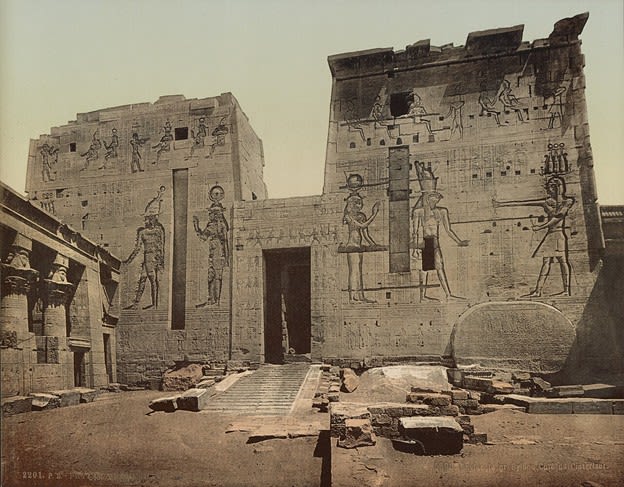
Philae and Medinet Habu: new inscriptions and reconstruction of pylons.
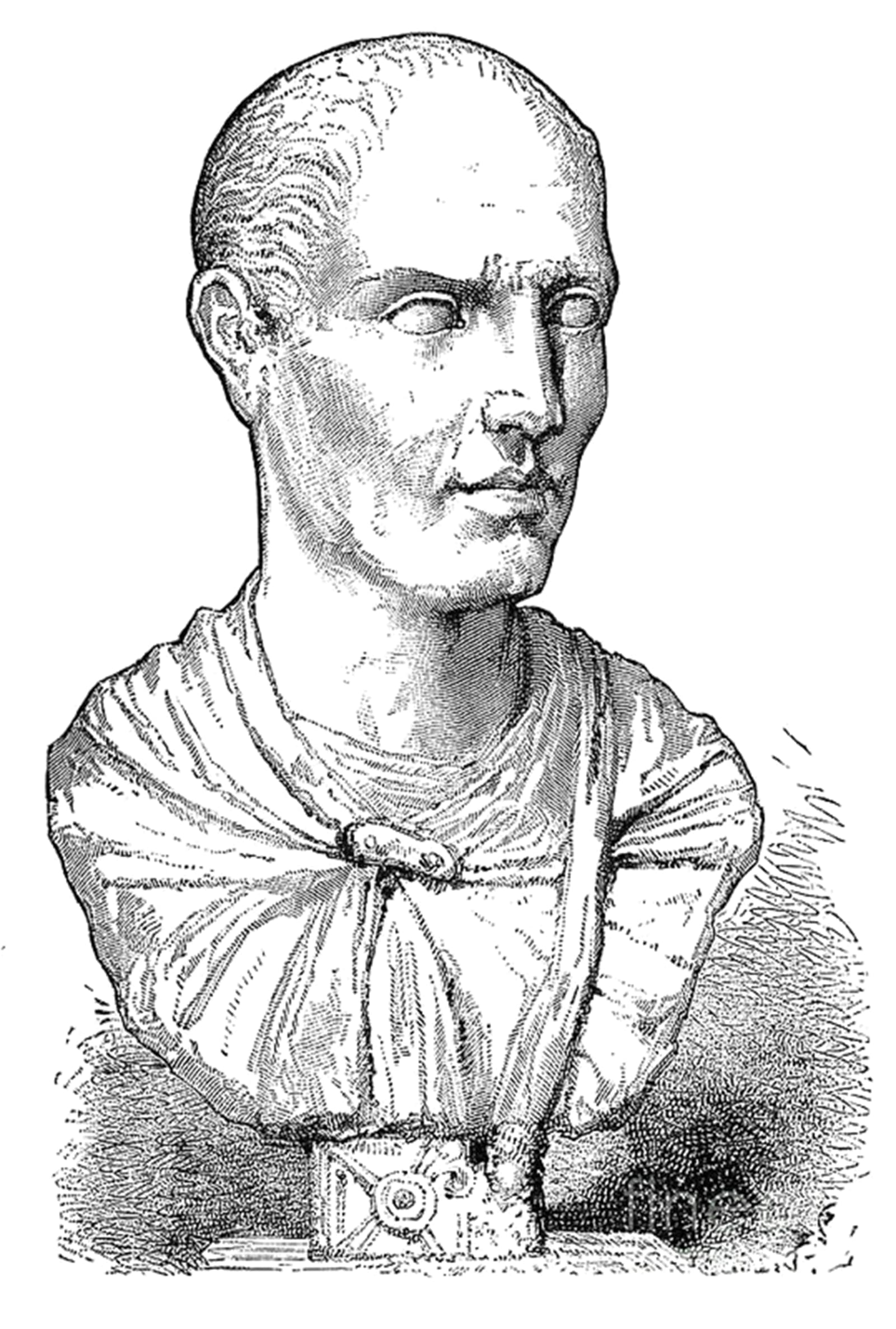
In world politics Lathyros proved a cautious diplomat. When in 87–86 BC the Roman Lucius Lucullus came to him requesting assistance against Mithridates of Pontus, the king granted him a royal reception but refused aid, unwilling to quarrel with either Rome or Pontus. At the same time he generously helped Athens recover after the devastation inflicted by Sulla, for which the Athenians honored him with statues.
Ptolemy IX Soter II died in 81 (or 80) BC at about the age of sixty-two. His character represented a strange mixture of gentleness in family matters and chilling cruelty on the battlefield. He was the last of the Ptolemies who managed, for a time, to restore the former unity of Egypt and Cyprus before the shadow of Rome finally engulfed the Nile Valley.


