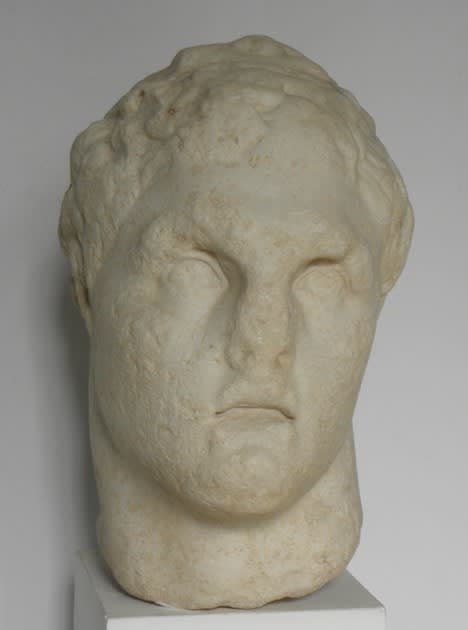
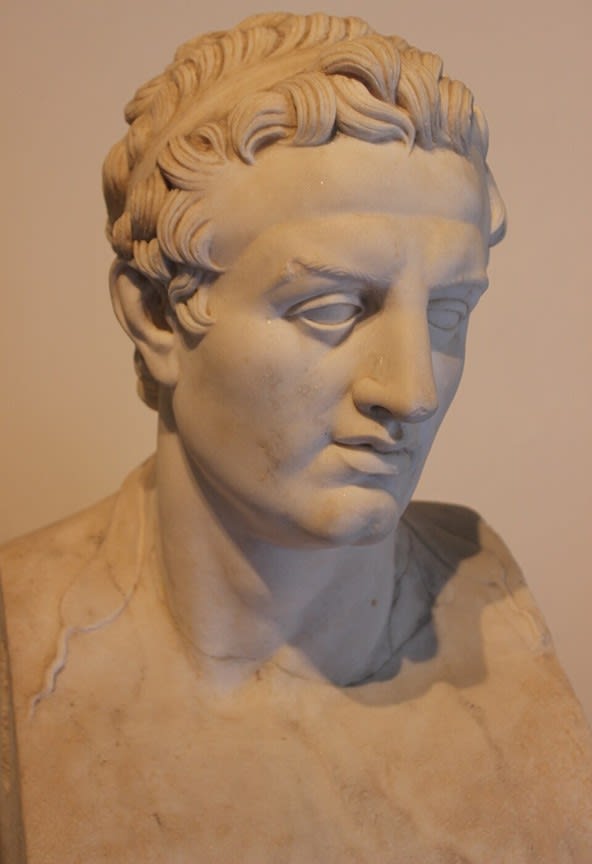
The story of Ptolemy IV begins at a turning point for Egypt. Although debates over the exact date of his birth have not subsided, 242 BCE seems most likely — the time when his father, the great Ptolemy III Euergetes, returned from his triumphant campaign in Asia to his young wife, Berenice II of Cyrene. The education of the future monarch was entrusted to one of the greatest minds of antiquity — Eratosthenes — which undoubtedly developed in the young man a refined taste for the sciences and literature, though it did not instill in him his grandfather’s steely will.
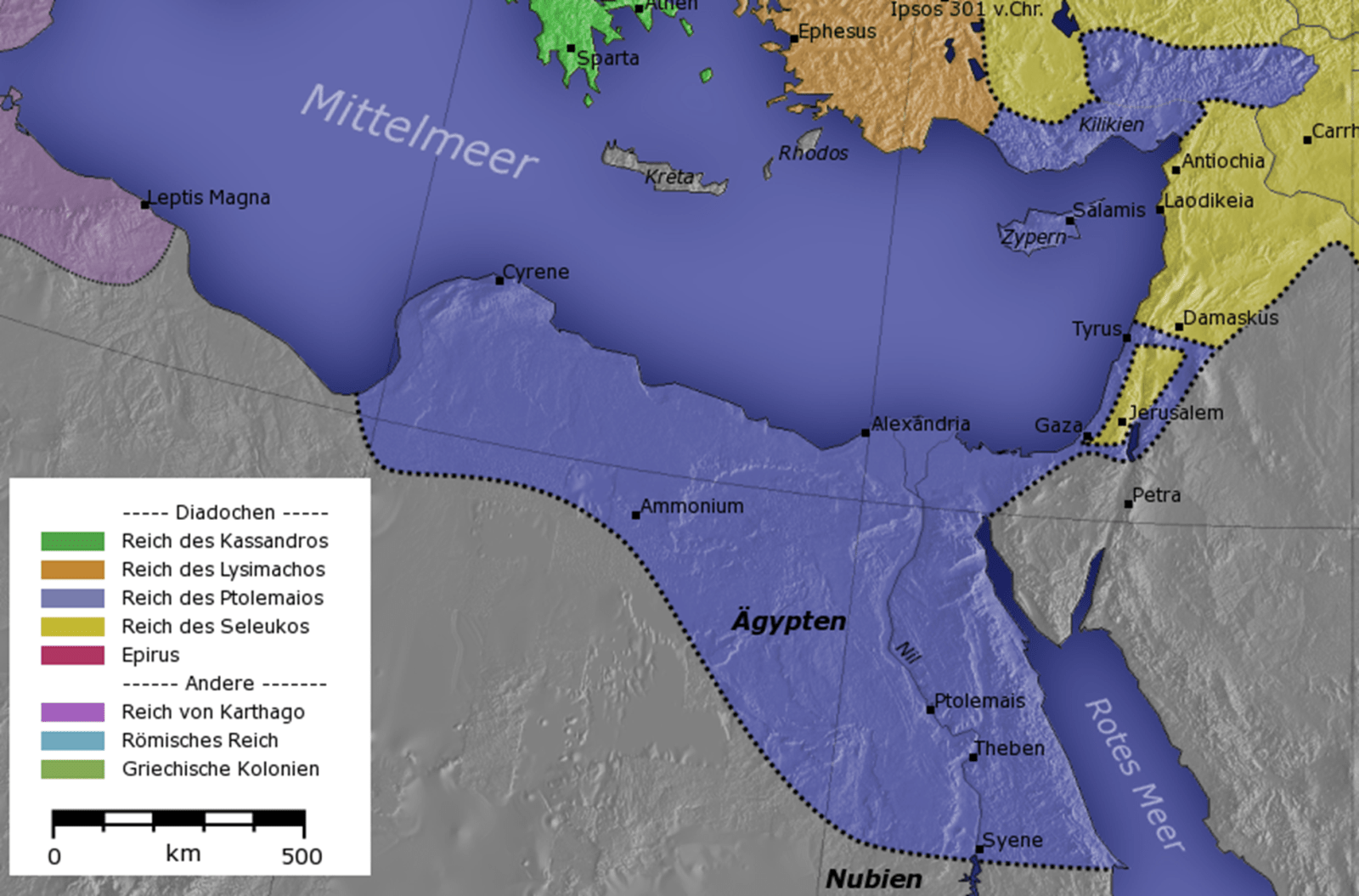
Ptolemy IV received his father’s inheritance at the zenith of its power. It was a colossal maritime and land empire whose reach extended to the farthest corners of the oikoumene. Under Alexandria’s rule were not only Egypt, but also Coele-Syria, Cyprus, Cyrenaica, parts of Thrace, and countless islands of the Aegean Sea. The Egyptian fleet dictated its will from Pamphylia to the Hellespont, forcing the rulers of Syria and Macedonia to glance southward with apprehension. As the historian Polybius later noted, Egypt’s borders were securely shielded by these overseas possessions, and it seemed that nothing threatened the power of the house of the Lagids.

Yet behind the outward splendor lay internal decay. Ascending the throne, Ptolemy IV proved a dual-natured figure: like his grandfather Philadelphus, he adored art and aesthetic pleasures, but his vices assumed far more grotesque forms. The young king craved carefree living and was ready to entrust the government to anyone at all, so long as he was freed from the burdens of power and supplied with the means for endless feasts.
That “someone” was Sosibius — a man whom contemporaries called “a crafty and experienced old scoundrel.” Sosibius understood that to wield absolute power he needed to clear the path by removing everyone who had influence over the king. A chain of bloody palace intrigues began. At the advice of his minister, Ptolemy IV, absorbed in idleness and drunkenness, agreed to the murder of his closest relatives.
Lysimachus, the king’s uncle, was eliminated first. The king’s younger brother, Magas, was scalded alive with boiling water in his own bath. The king’s mother, the legendary Berenice II of Cyrene, died by poison. Thus Sosibius raised Philopator’s throne upon the bones of his own family and became the de facto ruler of Egypt.
Another victim of Sosibius’s regime was the exiled Spartan king Cleomenes III. The Spartan’s hopes for Egyptian help in regaining Sparta collapsed with the accession of the new monarch, who cared only for harp-girls and lovers. Sosibius, fearing Cleomenes’ authority among the mercenaries, placed him under arrest. At the beginning of 219 BCE Cleomenes made a desperate attempt to raise an uprising in Alexandria, calling on the inhabitants to freedom, but the city remained deaf to the Spartan’s cry. Cleomenes and his friends took their own lives, and Sosibius completed the matter by executing their mothers and children.

Soon a trio of favorites joined Sosibius, finally seizing the king’s will: the depraved beauty Agathocles, his sister the hetaera Agathocleia, who became the monarch’s mistress, and their mother Oenanthe. The court turned into a place of endless orgies to the sound of tympana. While Agathocles governed the state and the women traded in posts of prefects and commanders, Ptolemy IV played the strings, forgetting the greatness of his station. Egypt’s prestige fell rapidly: Illyrian pirates began to plunder the Cyclades with impunity, and the Greek poleis ceased to see Alexandria as a protector.
Egypt’s decline did not go unnoticed. The young and energetic king of Syria, Antiochus III, later surnamed the Great, decided that the time had come to recover Coele-Syria. Hermias, his minister, assured him that a war against the “carefree king” would be an easy stroll.
Yet the Egyptian machinery of power built by his ancestors still possessed inertia. The Aetolian Theodotus, who commanded Egyptian forces in Coele-Syria, managed to organize the defense and repel the first Seleucid attacks. Antiochus was forced to withdraw temporarily to suppress the rebellions of the satraps Molon and Alexander in the heart of his empire. Egypt received a two-year respite, which, however, it spent not on strengthening the army but on court intrigues.
The situation exploded in the spring of 219 BCE. Antiochus III returned, and his first target was Seleucia Pieria — the mighty fortress at the mouth of the Orontes, the symbol of Egyptian domination over Syria. Despite the impregnability of its walls, Antiochus managed to bribe junior officers of the garrison. The city, which had been under Lagid rule for a quarter of a century, fell.
This was followed by an even heavier blow: Theodotus, the valiant defender of Coele-Syria, learning that Sosibius was preparing to remove him, decided to change sides. He surrendered to Antiochus the key ports of Tyre and Ptolemais. The Egyptian front collapsed. The Seleucid army poured into Palestine, taking one city after another, while the new Egyptian commander Nicolaus tried to hold Sidon and Dor.
Panic seized the Alexandrian court, but Sosibius revealed his true nature as a political predator. He understood that Antiochus had to be stopped not by the sword, but by deception. Egypt began endless negotiations, suggesting to Antiochus that Ptolemy was ready to accept any terms. While envoys dragged out time and Antiochus, lulled by promises, went into winter quarters at Seleucia, work boiled in Alexandria.
Sosibius hired the best Greek military specialists. They completely reorganized the army, introducing a revolutionary innovation: for the first time in the dynasty’s history, ethnic Egyptians were recruited into the phalanx. Twenty thousand native Egyptians were armed with Macedonian sarissas and drilled alongside Greek mercenaries. It was a risky decision that changed Egypt’s fate forever.
In the spring of 218 BCE negotiations collapsed. Antiochus III renewed the offensive. Near the shores of Berytus a major battle took place: Seleucid forces drove Nicolaus from fortified positions at the coastal pass, and the Egyptian fleet of Admiral Perigenes was forced to retreat to Sidon.
Antiochus moved inland. He took Scythopolis, crossed the mountain ranges, and by stratagem captured Atabyrion. Then Gadara and other cities of the Decapolis fell. The defenders of Philadelphia (Rabbath-Ammon) showed particular courage: Antiochus was able to take the city only after a prisoner pointed out an underground passage to the water source. Destroying the aqueduct, the Syrians forced the garrison to surrender. By winter Antiochus held almost all of Coele-Syria and Philistia, including Gaza. He believed victory was already in his hands, not knowing that from Alexandria a new, previously unseen power had already advanced.
On June 13, 217 BCE, the army of Ptolemy IV, numbering 70,000 infantry and 5,000 cavalry, marched out into the desert. With the king went Sosibius and his sister-wife Arsinoe. On June 22, near the city of Raphia, two colossal forces of antiquity collided.
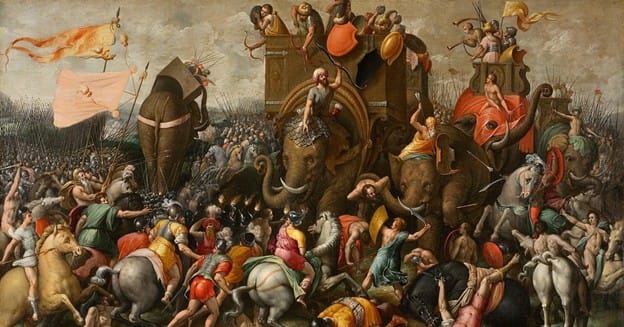
The battle began with a duel of elephants. Ptolemy’s African forest elephants, being smaller than Antiochus’s Indian giants, fled in terror, trampling their own ranks. Antiochus personally led the cavalry attack on the right flank and put the Egyptian left wing to flight. Ptolemy IV, narrowly avoiding capture, found himself in the rear of his own troops. It seemed Egypt had lost.
But in the center of the field the Egyptian phalanx came into action. While Antiochus became absorbed in pursuing the fugitives, Egyptian peasants trained by Sosibius stood unshaken. Ptolemy and Arsinoe rode along the lines, inspiring the soldiers. A decisive phalanx удар overturned the Seleucid ranks. Antiochus returned from the pursuit too late, and his army was already fleeing. The Seleucids lost more than 10,000 men; Egypt about 2,000. Raphia became Ptolemy IV’s greatest victory, achieved with the blood of native Egyptians.

After the victory, Ptolemy IV showed a moderation surprising for a conqueror. He did not pursue Antiochus and did not demand indemnities, merely restoring the captured cities of Coele-Syria. The desire for a peaceful and depraved life overcame in him the ambitions of a commander. Ptolemy spent three months traveling through Syria and Phoenicia, receiving flattery and wreaths from local communities that had always gravitated toward the house of the Lagids.
Having concluded peace, Ptolemy hurried back to Alexandria, to Agathocles and Agathocleia. Yet this triumph carried within it the seeds of future misfortunes: Egyptian soldiers, having realized their power on the field at Raphia, no longer wished to remain rightless subjects of a foreign dynasty.
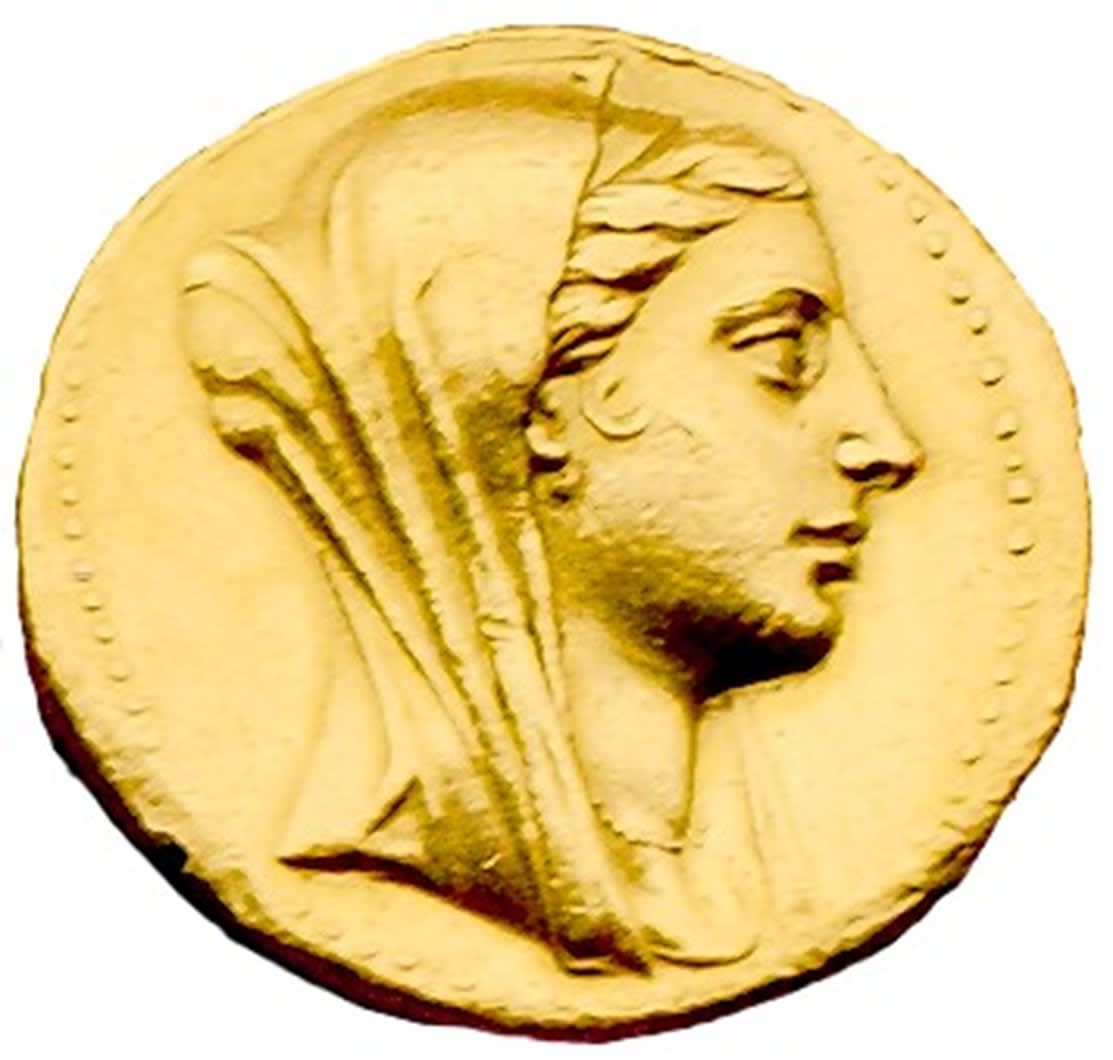
In October 217 BCE Ptolemy IV returned to Alexandria in the aura of a victor. To consolidate успех and follow the ancient traditions of the pharaohs, he married his sister Arsinoe III. Together they were proclaimed the “Philopator Gods” — Loving the Father. This title was likely an attempt to cling to the glory of his late father, Ptolemy Euergetes, whose popularity among the people was still fresh.
However, the marriage was only a formality. The palace remained under the power of the favorites — Agathocles and Agathocleia. Philopator surrounded himself with jesters, musicians, and philosophers, preferring disputations about false opinions to the harsh reality of governance. An anecdote is known about the philosopher Sphaerus of the Bosporus, whom the king played a prank on by serving wax pomegranates at table: when the sage reached for the fruit, Ptolemy laughed and exposed him for a “false impression.” The king considered himself a poet and composed an erotic play, Adonis, to which his favorite Agathocles obsequiously wrote a commentary.
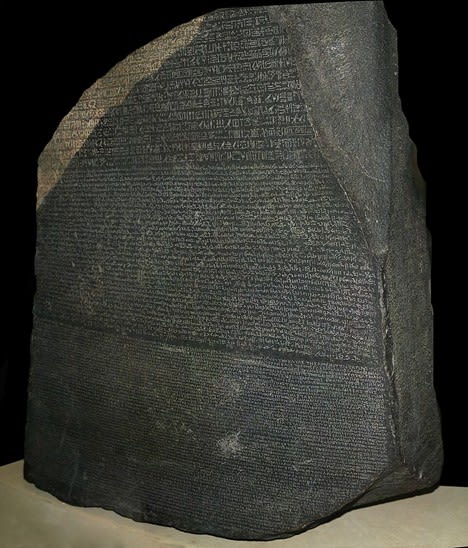
In November 217 BCE a congress of priests gathered at Memphis to закрепить the results of the victory at Raphia. The outcome was the Memphis Decree — a stele written in three languages. Unlike earlier edicts, this text was thoroughly imbued with Egyptian дух: Ptolemy was portrayed as Horus, thrusting a spear through the enemy.

This was an important political shift — the “Egyptianization” of the dynasty. The king returned idols once taken away by the Persians and instituted festivals in honor of Raphia. But behind this façade lay a bitter irony: the very Egyptian soldiers whom the king glorified in the decree would soon become his main enemies.
Lacking talent for land warfare, Ptolemy IV directed the country’s resources into building ships of невероятных size, which amazed the imagination but were almost useless in practice.
The king’s special passion became the mysteries of Dionysus. Ptolemy IV believed that the god of winemaking and ecstasy was his direct ancestor. He ordered an ivy leaf tattooed on his body and commanded all organizers of Dionysian rites to appear in Alexandria for registration, revealing their secret sacred “logoi.” Among the people he was called “the Gallus” — the name of fanatic priests — emphasizing his склонность to religious frenzy and oblivion of state duty.
The triumph at Raphia turned into catastrophe for the Ptolemies. Egyptian peasants, having learned to defeat Macedonians with sarissas in hand, realized they were no longer obliged to obey foreigners. Uprisings flared across the country. It was an exhausting guerrilla war. Rebels hid in the thickets of the Delta, attacked officials, and even blockaded temples. The construction of the great temple at Edfu, which had proceeded for decades, was interrupted in the 16th year of the king’s reign (207 BCE), when rebel detachments occupied the inner rooms of the sanctuary. Prophecies appeared (for example, the “Oracle of the Potter”) foretelling the coming of a “man from Herakleopolis” who would expel the “Greeks-Ionians” and restore the Law of Isis.
While Egypt sank into chaos, the world around it changed forever. The Second Punic War was underway. Ptolemy IV tried to maintain strict neutrality, unwilling to quarrel with either Carthage or the rising power of Rome. When famine threatened the Romans in 210 BCE, they sent envoys to Alexandria for grain, for Egypt was the only granary untouched by war.

At this time in Asia Minor, Antiochus III finally dealt with the rebellious Achaeus. The Egyptian agent, the Cretan Bolis, instead of saving Achaeus, betrayed him to the Syrian king. Ptolemy watched indifferently as his former allies in Greece (Athens) humbly begged him for money, while Egypt’s influence on the islands melted under the blows of Macedonian pirates.
The death of Ptolemy IV Philopator was as inglorious as his life. He died on November 28, 204 (or 203) BCE at about forty years of age, finally exhausted by drunkenness and disease. Sosibius and Agathocles concealed the king’s death for several weeks in order to have time to plunder the treasury and strengthen their power. His wife Arsinoe III, living in the palace as a captive, was killed by the conspirators. Egypt passed into the hands of the five-year-old heir Ptolemy V, becoming prey to rapacious favorites within and ambitious kings without. The “golden age” of the Ptolemies had ended; ahead lay an era of great upheavals and the inexorable rise of Rome.


