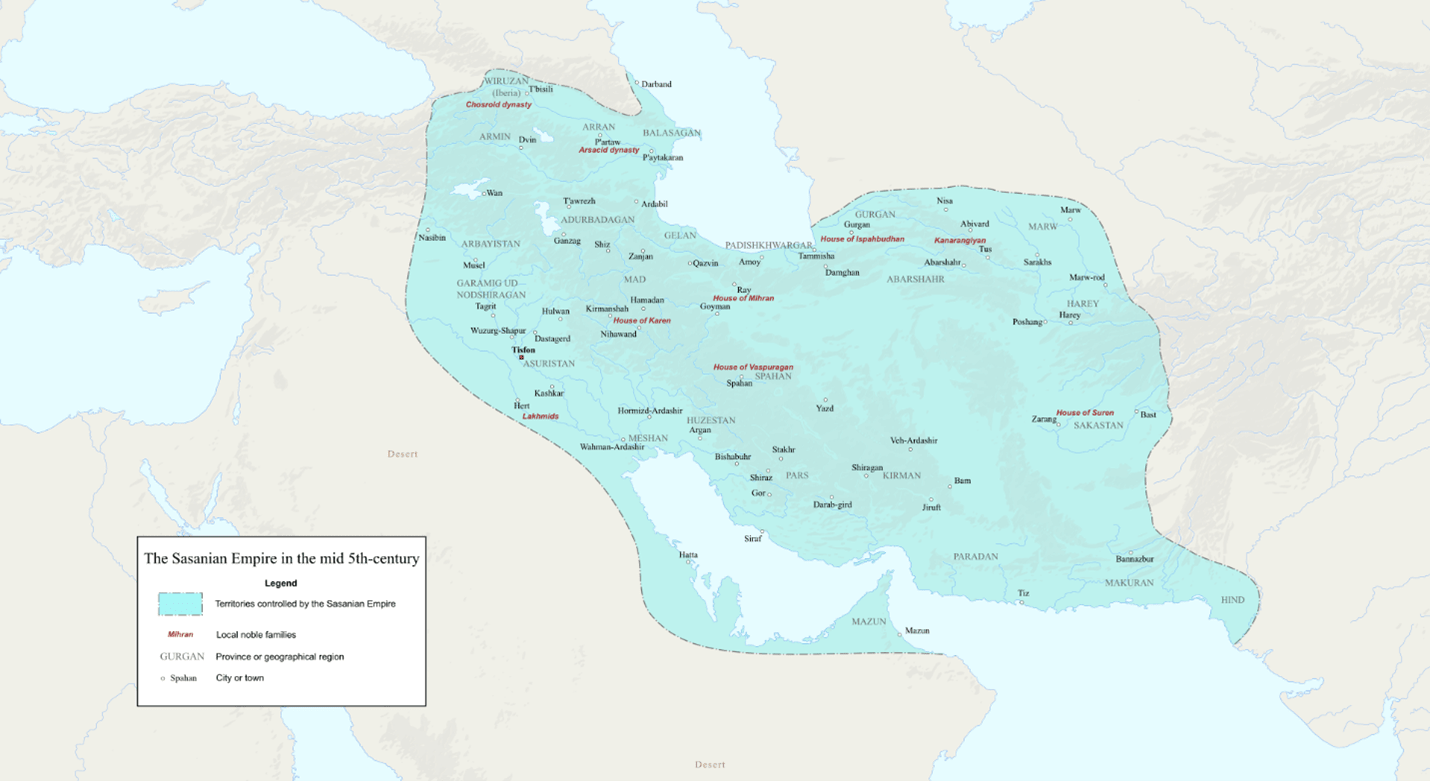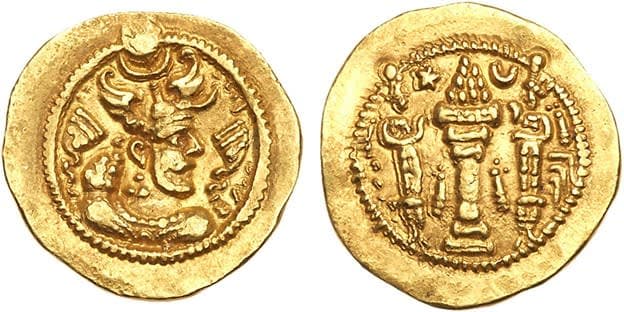
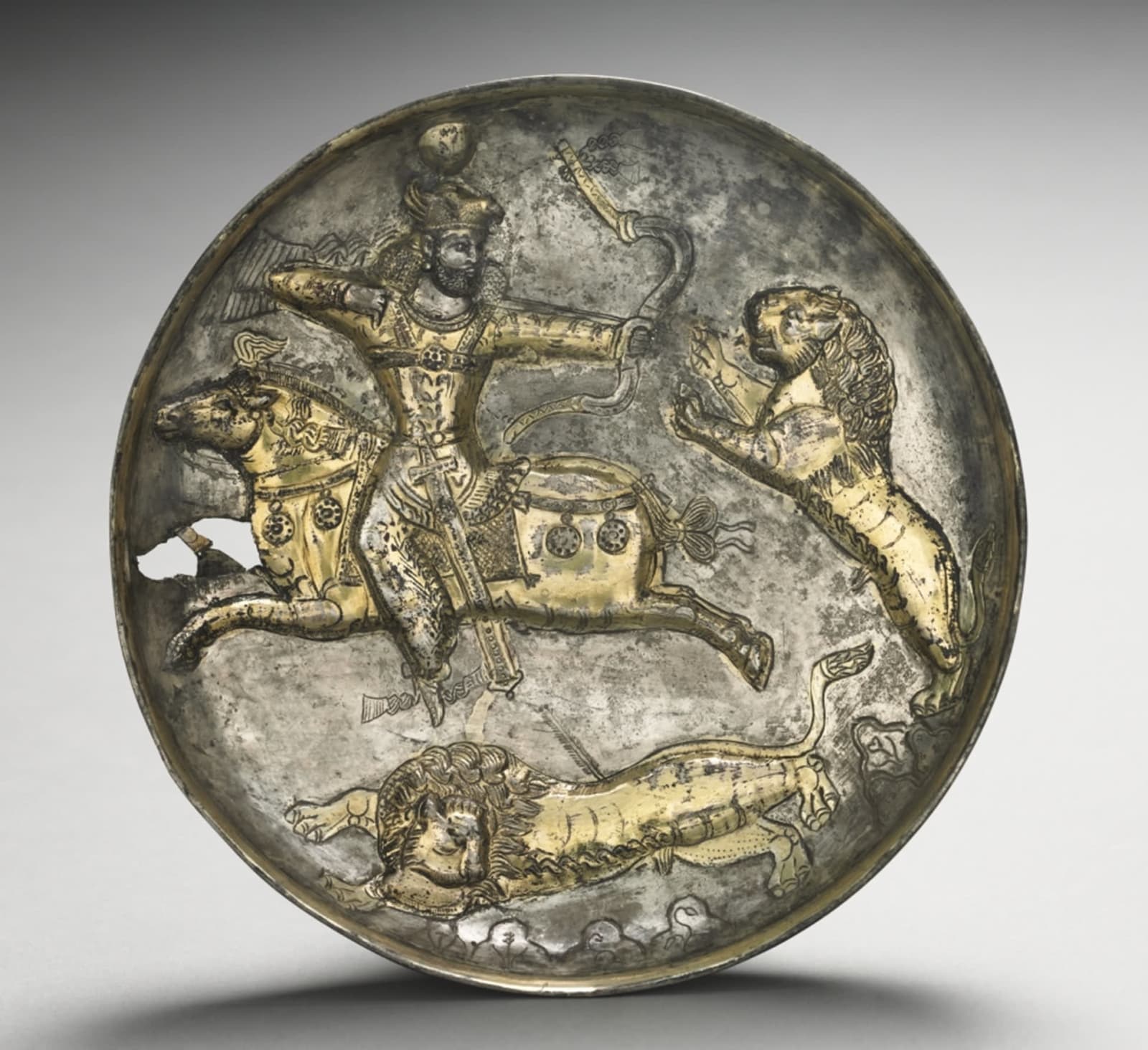
After the death of the shahanshah Yazdegerd II, a civil war for the throne began between his sons, Hormizd III and Peroz. Seeking power, Peroz took a step that had far-reaching consequences for the Sasanian Empire: he turned for help to the Hephthalites, powerful nomadic tribes who sought to place their protégé on the Iranian throne. With their support and the help of part of the nobility, Peroz won, and his brother Hormizd was killed.
Ascending the throne, Peroz faced enormous difficulties. For seven years the country was tormented by a most severe drought, which led to famine and devastation. Despite this, the government showed wisdom: certain taxes were abolished, state granaries were opened, and large landowners were forced to share their reserves. After the end of the drought a large-scale program was launched to restore old cities and build new ones, although for this it was even necessary to borrow money from the Byzantine Empire.
The reign of Peroz began with persecutions of Christians. The Armenian historian Sebeos noted that “all improvement, order, and tolerance toward the Christian teaching ceased.” The shah’s anger was provoked by Catholicos Baboy, a former Zoroastrian. For disobedience he was thrown into prison, and Peroz began persecutions, which, however, ceased after the conclusion of a peace treaty with Byzantium.
Peroz’s attitude toward Christians was complex. On the one hand, he persecuted certain groups, for example the Monophysites, and even executed Catholicos Baboy at the end of his reign, when an uprising broke out in the Transcaucasus. On the other hand, he patronized the Nestorians, seeing in them allies against Byzantium, which had rejected their doctrine. He appointed the bishop of Nisibin, Bar Sauma, head of the border troops, which would have been impossible if he had been hostile to all Christians. Thus, Peroz used the dogmatic quarrels of the Christians to strengthen his power, and from then on Nestorianism became the leading current of Christianity in Iran and Central Asia.
The reign of Peroz was also marked by persecutions of the Jews. After two Jews killed Zoroastrian priests in Isfahan, Peroz ordered half the Jewish population of the city to be killed, and the children to be converted to Zoroastrianism. The scale of these repressions was unprecedented.
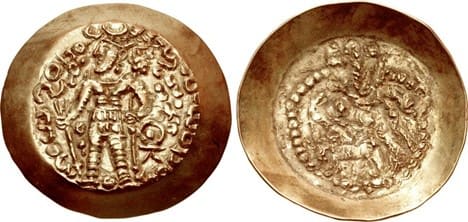
Most of the reign of Peroz was devoted to wars with the nomads. He finally resolved the “Kidarite question” by taking their capital in 468. However, after this Iran found itself face to face with an even more formidable enemy in the Hephthalites.
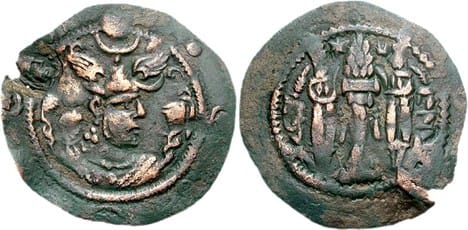
The war with them was extremely difficult. According to one legend, the Hephthalite king Akhshunvar lured Peroz’s army into a mountain gorge, where the Persians fell into a trap. To avoid complete annihilation, Peroz was forced to accept humiliating terms: to recognize the overlordship of the Hephthalites, to give them the city of Talakan, and to pay a huge ransom, for which he had to impose new taxes on the population. As a pledge he even gave his son Kavad.
Peroz also faced uprisings in the Transcaucasus, where in 481–484 the peoples of Iberia, Armenia, and Albania rose up against Persian rule. The rebels, led by the Iberian king Vakhtang Gorgasali and the Armenian Vahan Mamikonian, achieved certain successes, but were ultimately defeated.
Despite all his failures, Peroz did not abandon attempts to take revenge on the Hephthalites. In 483 he once again set out on campaign. According to tradition, so as not to violate the oath given to Akhshunvar, he ordered the boundary stone to be removed and dragged before him. The Hephthalites, knowing this, dug a huge camouflaged trench. The Persian cavalry, rushing to the attack, fell into the trap and was completely destroyed. Peroz died in the battle together with many of his sons; their bodies were never found.
This catastrophe was unprecedented in the history of the Sasanian Empire. The mighty state that had fought Rome for centuries became a tributary of nomads. The wars and enormous taxes ruined the country. The reign of Peroz, lasting, according to various sources, from 24 to 27 years, became one of the most difficult and tragic periods in the history of the Sasanians, but at the same time showed their ability to survive under conditions of the most severe crisis.