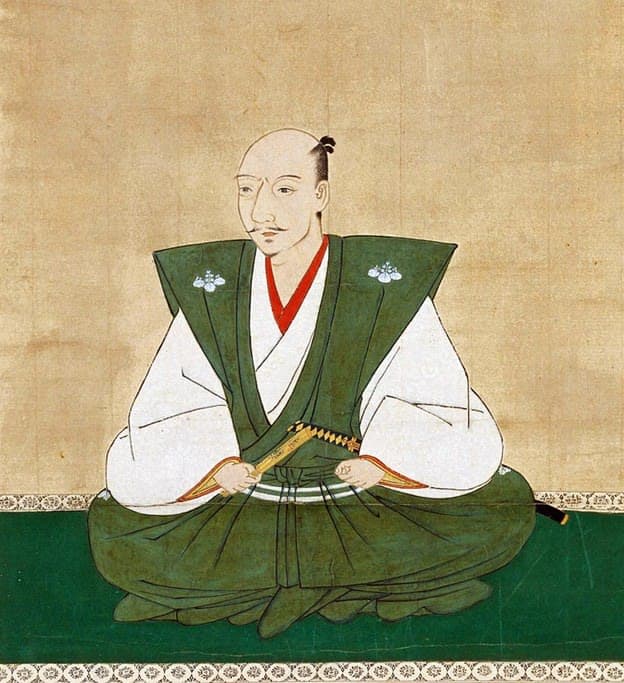
Oda Nobunaga was born in 1534 into the family of Oda Nobuhide, an influential daimyo (military leader) of the Owari province. Although Nobunaga was the third son, he was considered the legitimate heir because he was born to Nobuhide’s first wife. From the age of two, he was appointed as the head of Nagoya Castle.
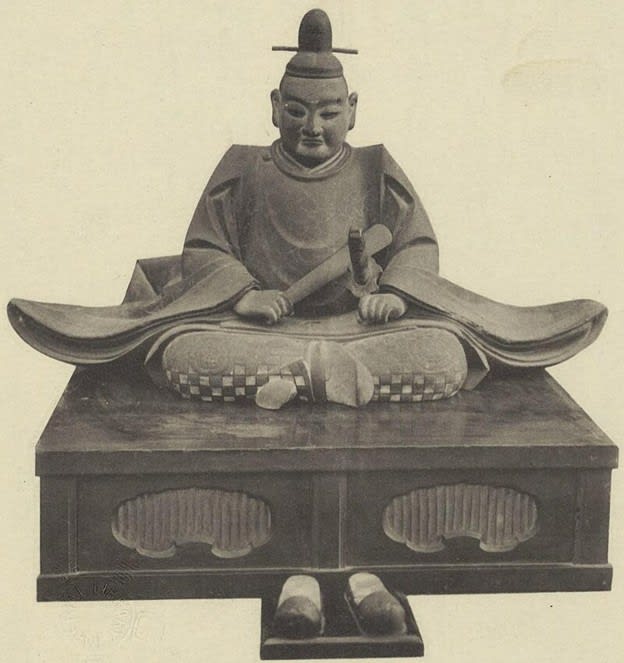
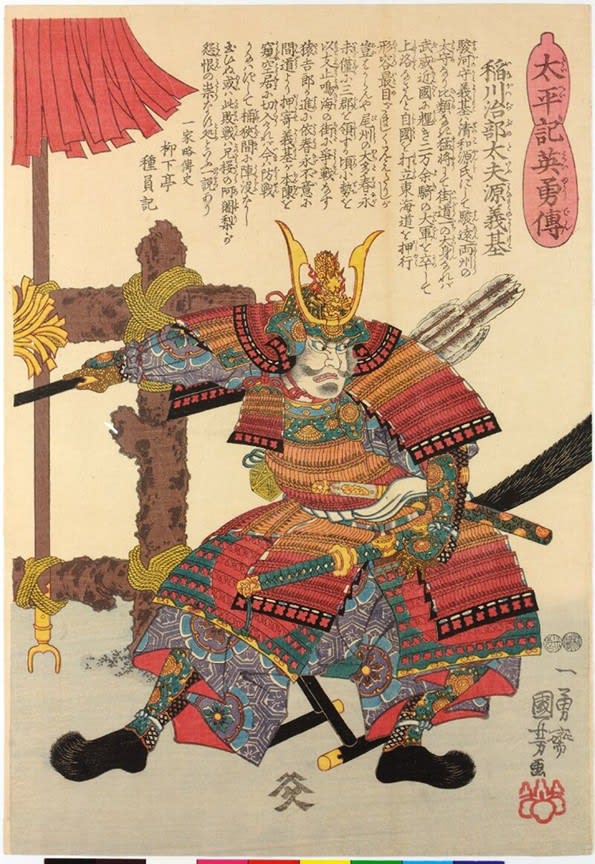
From childhood, Nobunaga was known for his eccentric behavior and fascination with unusual things, earning him the nickname “The Fool of Owari.” His reputation was solidified when, during his father’s funeral in 1551, he committed an outrageous act by throwing ceremonial incense at the altar.
After Nobuhide’s death, Nobunaga inherited leadership of the clan, but many elders and vassals, disapproving of his scandalous behavior, sided with his younger brother, Oda Nobuyuki. However, several influential samurai, such as Mori Yoshinari and Shibata Katsuie, remained loyal to Nobunaga.
Open conflict over power began in 1556. Nobuyuki, taking advantage of the death of Nobunaga’s father-in-law and ally, Saitō Dōsan, attacked his brother but was defeated at the Battle of Inō. At his mother’s request, Nobunaga spared Nobuyuki, but when he attempted another uprising, Nobunaga lured him into a trap and killed him. By 1559, he had eliminated all his opponents and united the Owari province under his rule.
In May 1560, Nobunaga’s united forces faced a deadly threat. The army of the powerful daimyo Imagawa Yoshimoto invaded his lands, vastly outnumbering Nobunaga’s troops. In the face of this danger, Nobunaga remained calm. Upon receiving intelligence that Yoshimoto had stopped to rest at Okehazama Hill, Nobunaga swiftly gathered his soldiers and, taking advantage of a sudden downpour, bypassed the enemy’s main army and attacked his headquarters. Taken by surprise, Yoshimoto’s troops fled, and Yoshimoto himself was killed by Nobunaga’s guards. This brilliant and unexpected victory brought Nobunaga fame and respect.

After Yoshimoto’s defeat, the Imagawa clan weakened, and the province of Mikawa, ruled by Tokugawa Ieyasu, broke away. In 1562, Ieyasu formed an alliance with Nobunaga, allowing him to focus on conquering the province of Mino, which belonged to the Saitō clan.
The war for Mino was difficult. Nobunaga fought for the lands bequeathed to him by his slain father-in-law, Saitō Dōsan. After the death of Dōsan’s son, Saitō Yoshitatsu, and the internal split within the Saitō clan, the situation turned in Nobunaga’s favor. In 1564, he formed an important alliance with Azai Nagamasa by marrying off his sister to him. In 1567, Nobunaga captured the enemy’s main stronghold, Inabayama Castle, renamed it Gifu, and made it his residence. From that moment, he used a seal bearing the inscription “Tenka Fubu” (“Bringing the Realm Under Military Rule”), which became the motto of his policy of unifying Japan.
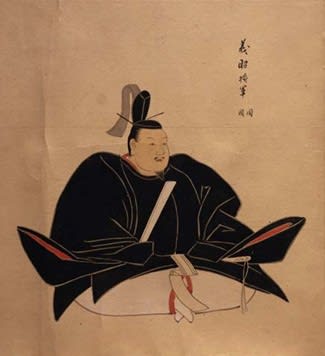
In 1568, a crisis erupted in the capital, Kyoto, following the assassination of the shogun. Nobunaga seized the opportunity and marched on Kyoto under the pretext of supporting a shogunal claimant, Ashikaga Yoshiaki. He quickly captured the city, expelled the conspirators, and installed Yoshiaki as the 15th shogun. Nobunaga refused the offered position of deputy shogun, unwilling to be constrained by the traditional system of authority. He returned to Gifu, but his influence spread across the entire Kinai region surrounding the capital.
However, relations with the new shogun soon deteriorated. In 1569, Nobunaga limited Yoshiaki’s powers with sixteen “Palace Articles.” In response, Yoshiaki secretly created an “Anti-Nobunaga Coalition,” which included powerful clans such as Asakura, Azai, Takeda, Mōri, and Miyoshi, as well as the influential Buddhist monasteries Enryaku-ji and Ishiyama Hongan-ji.
Despite the overwhelming number of enemies, Nobunaga acted decisively. In 1570, at the Battle of Anegawa, he and his ally Tokugawa Ieyasu crushed the armies of the Azai and Asakura clans. Facing threats from the warrior monks of Enryaku-ji and Hongan-ji, Nobunaga agreed to a temporary truce. However, in June 1571, he suddenly attacked the Enryaku-ji monastery and burned it to the ground, mercilessly slaughtering about three thousand people inside.

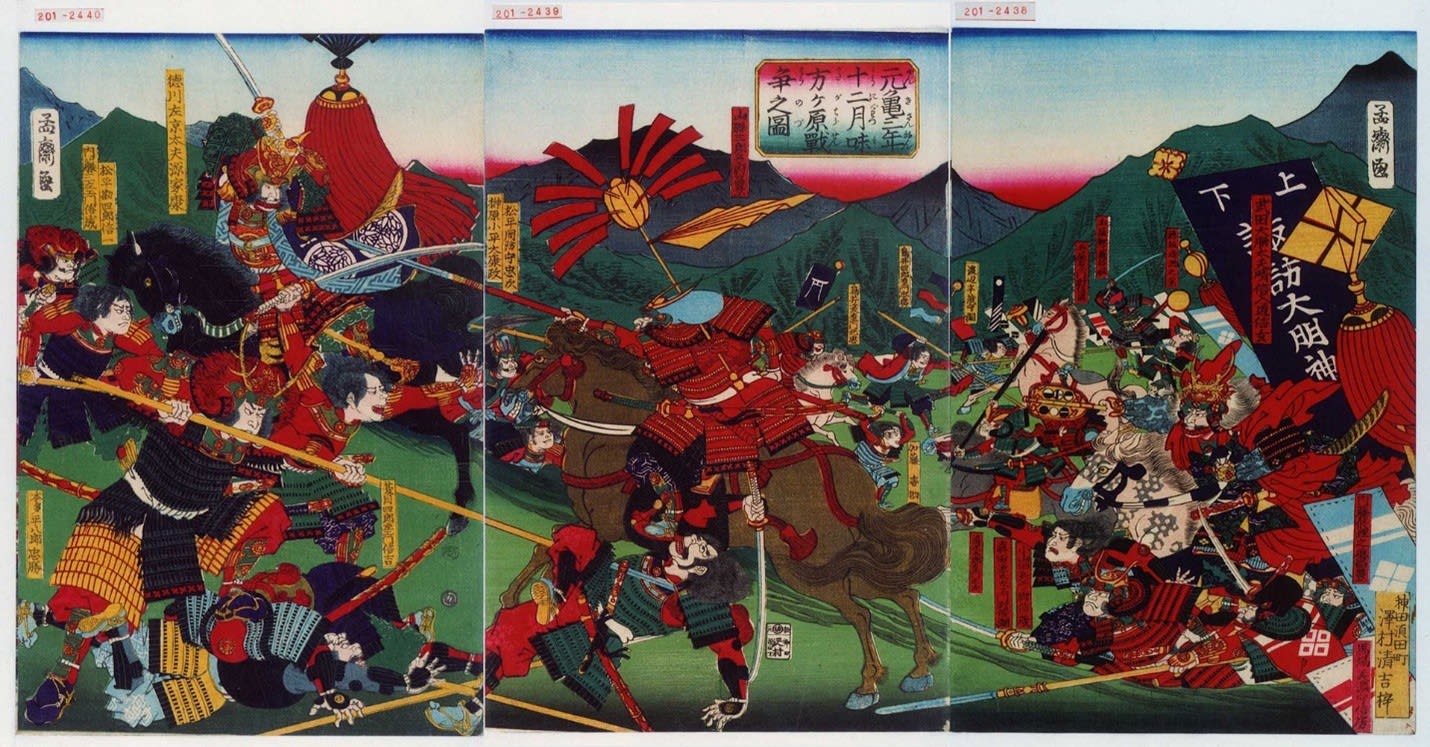
Sensing danger, shogun Yoshiaki sought help from Takeda Shingen, who invaded the lands of Nobunaga and Tokugawa. In January 1573, Shingen’s troops defeated their allies at the Battle of Mikatagahara. Nobunaga was in a perilous position, but in April 1573, Shingen suddenly died of illness, and his army retreated.
Shingen’s death became a turning point. Nobunaga swiftly crushed his remaining enemies. In August 1573, he invaded the shogun’s domains, seized Yoshiaki’s castles, and expelled him from Kyoto. This marked the end of the Muromachi shogunate. Nobunaga then annihilated the Asakura and Azai clans.
In 1574, he brutally suppressed a revolt of monks in Nagashima by surrounding and burning their fortifications with about 20,000 defenders inside. In May 1575, at the Battle of Nagashino, he defeated the army of the new Takeda leader, Katsuyori, using firearms. This was the first victory in Japanese history achieved through the effective use of arquebuses.


In 1576, Nobunaga built a new castle in Azuchi, modeled after European fortresses, symbolizing his “new authority.” Around this time, the former shogun Yoshiaki organized a “Second Anti-Nobunaga Coalition,” but despite temporary setbacks, Nobunaga’s forces, led by generals such as Toyotomi Hideyoshi and Akechi Mitsuhide, systematically defeated all opposition. The death of Uesugi Kenshin in 1578 further weakened the coalition. By 1582, Nobunaga had destroyed the Takeda clan and invaded the Iga province, the main center of the ninja.
At the height of his campaign against the Mōri clan, on the night of June 2, 1582, Nobunaga stopped at the Honnō-ji temple in Kyoto. His general, Akechi Mitsuhide, who was supposed to bring reinforcements, suddenly surrounded the temple. Betrayed by his own commander and protected only by a small retinue, Nobunaga was unable to resist the attack and was forced to commit seppuku (ritual suicide).


The reasons for Akechi Mitsuhide’s betrayal remain debated. The most likely explanation lies in personal motives, as Nobunaga, despotic and disdainful of tradition, had humiliated and mistreated Mitsuhide. Other theories suggest that the conspiracy may have involved Nobunaga’s enemies such as the emperor, the former shogun Yoshiaki, or even his future successors Toyotomi Hideyoshi and Tokugawa Ieyasu.
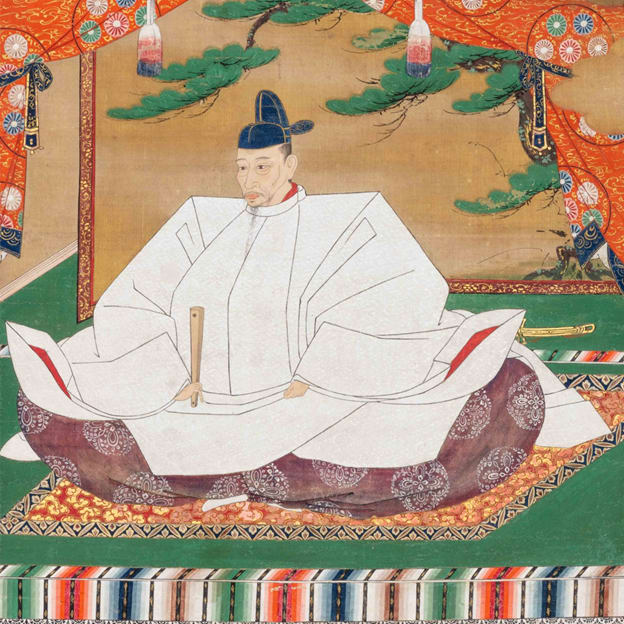
After Nobunaga’s death, Akechi declared himself shogun, but his rule lasted only two weeks. Upon hearing the news, Toyotomi Hideyoshi immediately marched on Kyoto, defeated Akechi’s forces at the Battle of Yamazaki, and had him killed.
Thus ended the life of the great unifier who laid the foundations of a new Japan but did not live to complete his mission.


