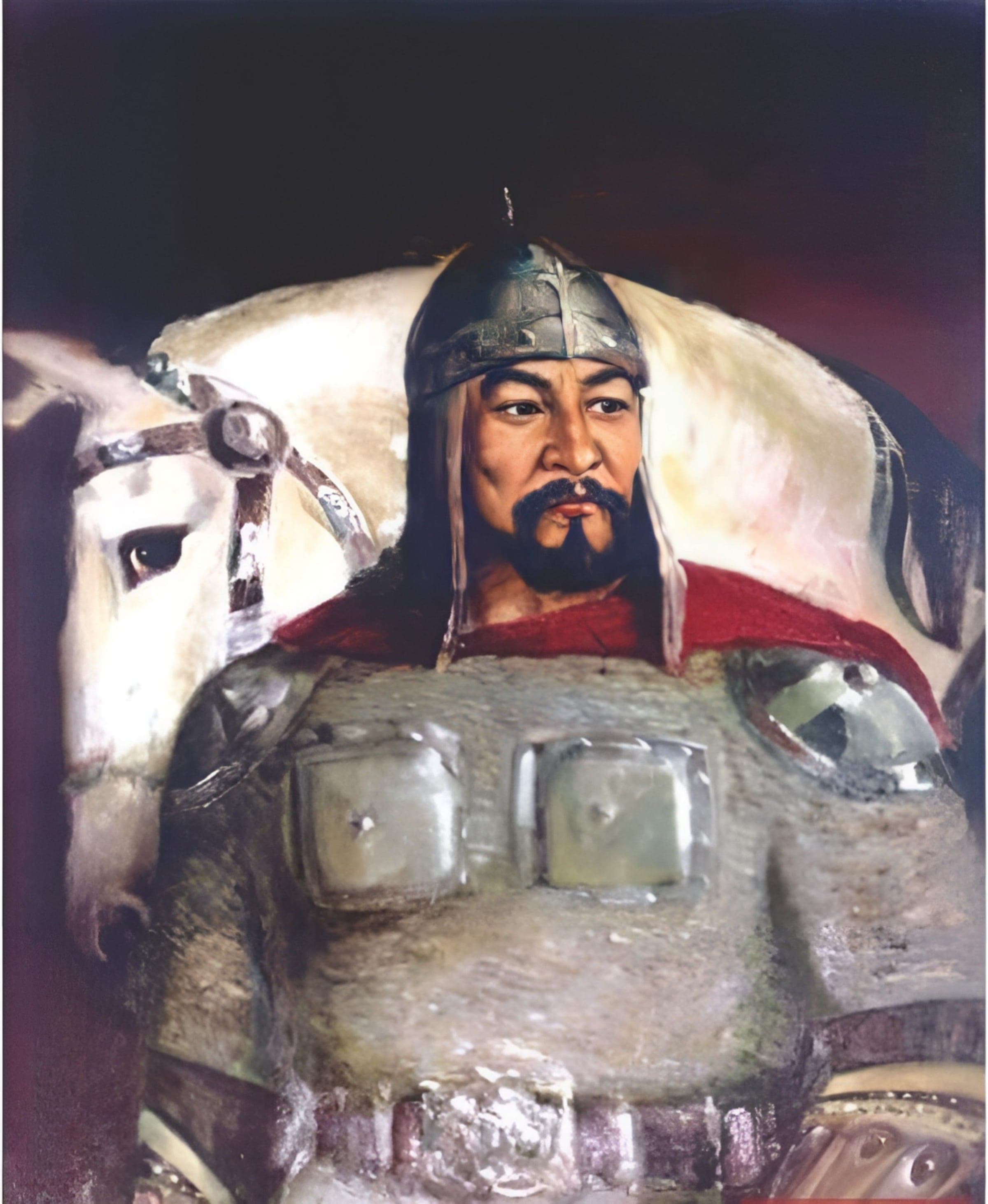
“right” and “left” wings of the Kyrgyz living on the territory of present-day Kyrgyzstan. He understood that his people’s future depended on unity, strength, and independence, and he pursued a foreign policy aimed at tightening bonds with kindred tribes. In 1508 he was proclaimed khan of the Kyrgyz.
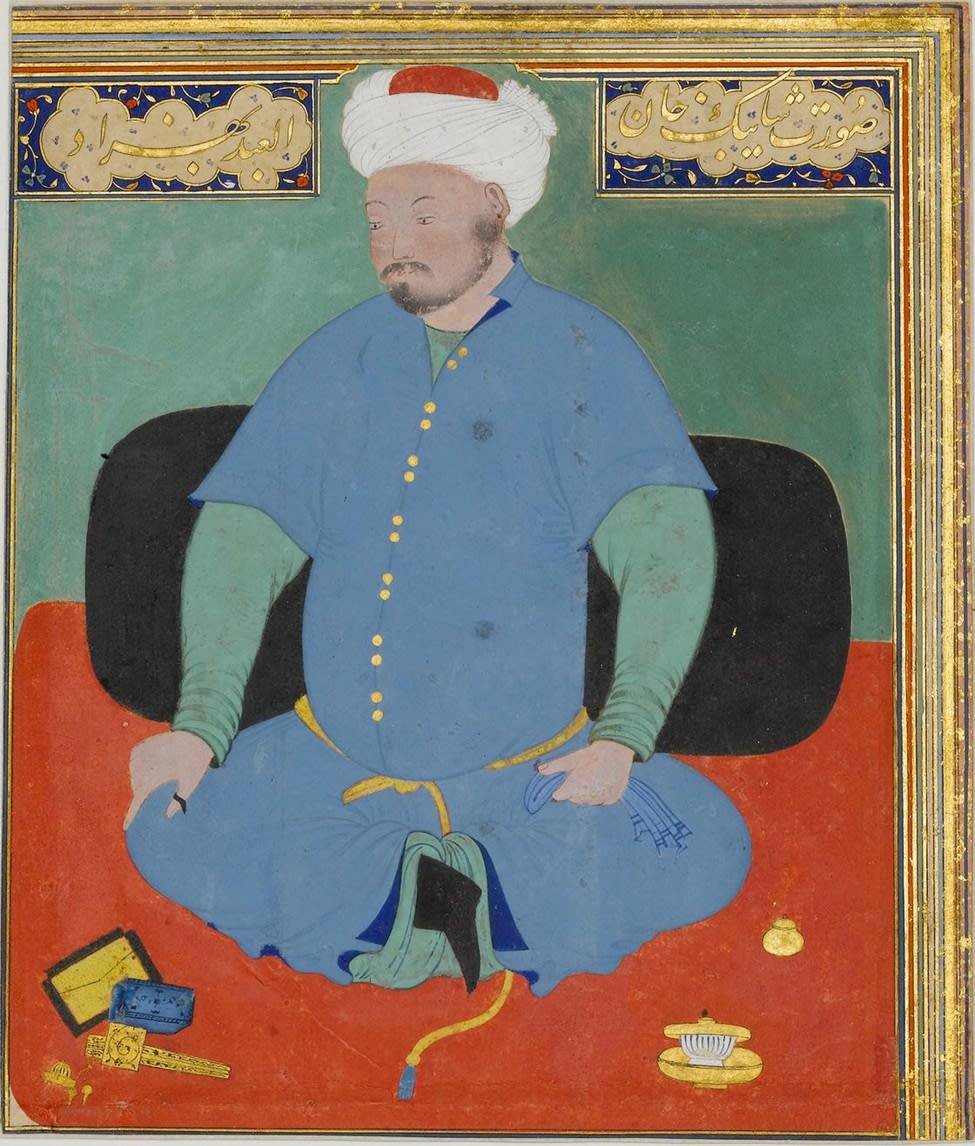
At the start of the 16th century Central Asia’s political landscape was highly unstable. After the death of Shaybani Khan, his empire fragmented into several smaller realms, including the Bukhara and Khiva khanates. This feudal division weakened the states and amplified threats from neighbors. At the same time Kyrgyz society was rapidly feudalizing, with the role of the clan aristocracy the biys growing. Conscious of their own strength, the Kyrgyz chose to break with the tradition that power could pass only to descendants of Chinggis Khan and elected Muhammad as their ruler.
Muhammad Kyrgyz began by fighting to free the Kyrgyz completely from Moghulistan’s authority. Skillfully exploiting rivalries among the Moghul rulers, he supported one claimant to the throne Sultan Saʿid. Thanks in part to Kyrgyz military aid, in 1514 Sultan Saʿid captured Kashgar, Yarkand, and Hotan, extending his rule over all of Eastern Turkestan.
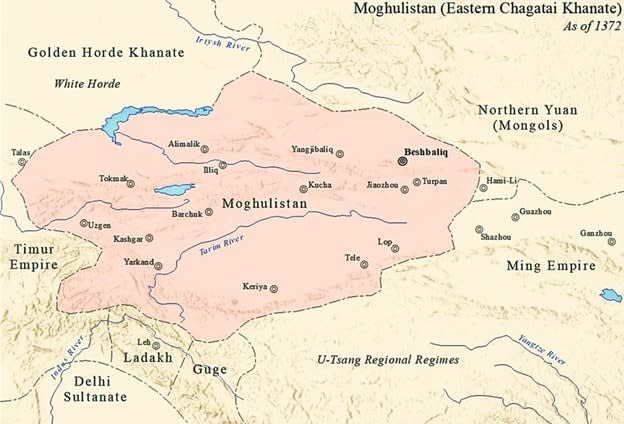

Sultan Saʿid proved a treacherous ally. Enamored of the rich Kyrgyz pastures, he broke the alliance. In 1517, accusing the Kyrgyz of irreverence toward Islam and of plunder, he invaded their lands with a large army. Caught off guard, Muhammad hastily gathered his forces and met his former ally on the shores of Issyk-Kul at Barskoon. Despite stubborn resistance, the Kyrgyz were defeated; Muhammad himself was seized and thrown into the dungeon at Kashgar.

Sultan Saʿid hoped that Muhammad’s captivity would let him impose full control over Kyrgyzstan. But his appointees could not hold power as Kyrgyz resistance continued. Realizing he needed Muhammad to pacify the people, in 1522 he released him and named him his governor in Kyrgyzstan, sending his own son Rashid along to act as the real authority.
At first things went according to plan and the Kyrgyz tribes acknowledged Muhammad’s authority. In practice, however, he had no intention of obeying the Moghuls. He secretly sought an alliance with the Kazakhs and Uzbeks to expel Rashid and restore full independence. In 1524 he concluded a pact with the Kazakh sultan Tahir, but at the decisive moment Tahir failed to support him. The Moghul khan uncovered the plot. Muhammad was seized again and sent to Kashgar, where he remained imprisoned until Sultan Saʿid’s death in 1533.
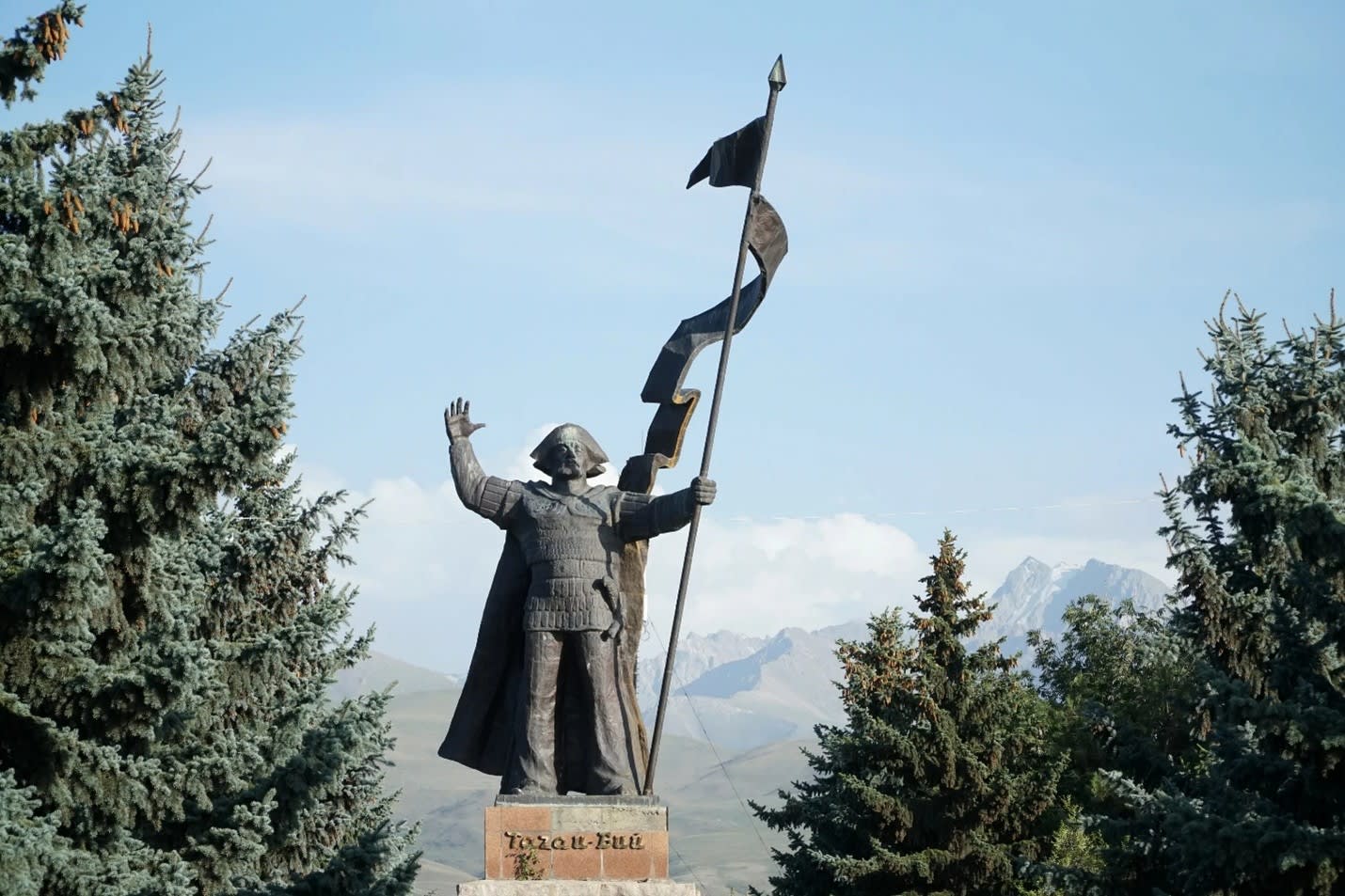
After Muhammad’s second capture, the Kyrgyz refused entirely to recognize Moghul power. They forged a solid military-political alliance with the Semirechye Kazakhs. In 1526 their combined forces drove Rashid out of Kyrgyzstan. A relief army sent to him by the Moghuls, confronted by the united enemy, dared not engage and withdrew driving off vast herds as it retreated, a campaign the people dubbed “the mutton raid.”
Sultan Saʿid never managed to subdue the Kyrgyz, and after his death rule passed to his son Rashid, who, mindful of his humiliation, continued devastating raids into Kyrgyz lands. In 1537 a major battle cost heavy casualties to both the Kyrgyz-Kazakh side and the Moghuls; the Kazakh khan fell in the fighting. Even that did not break their resolve. Rashid Khan’s son, ʿAbd al-Latif, mounted new campaigns but was killed by a Kyrgyz warrior.
Soon, however, internal disagreements arose between the Kyrgyz and Kazakhs, leading to the breakup of their alliance. Rashid Khan seized the moment and defeated both sides in a battle in which Haqq-Nazar Khan was killed. The Kazakh tribes withdrew, but the Kyrgyz remained in the Tien Shan and kept up the struggle. Despite the Moghuls’ heavy pressure, they preserved their independence proving that a people’s strength lies not only in numbers, but in the steadfastness of their spirit.


