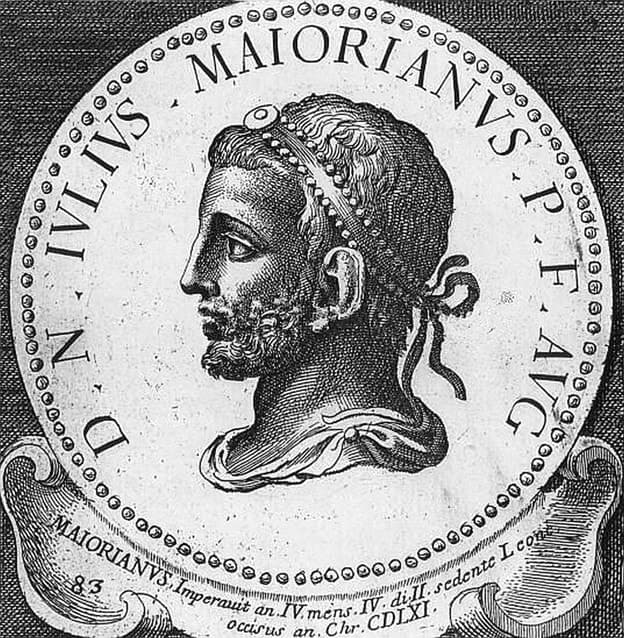
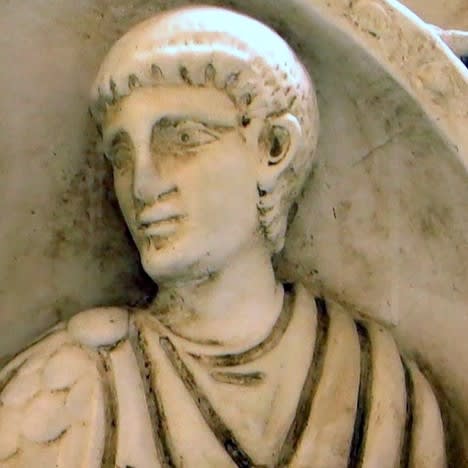
Majorian belonged to a hereditary military aristocracy whose roots lay in Gaul. The exact date of his birth has been lost to history, but historians generally believe that he was born shortly before 420.
Majorian’s mother was the daughter of a magister militum who, in 379, commanded troops on the Illyrian frontier under Emperor Theodosius I and successfully held back the tribes beyond the Danube.
His father, whose name has not been preserved by history, is believed to have served as a numerarius, or financial official, under Flavius Aetius.
He was known for his integrity and loyalty. Despite attractive offers to take up a high-ranking position at the imperial court, he preferred to remain in Aetius’s headquarters and preserve his impeccable reputation.
It was in this atmosphere that the character of the future emperor was formed.
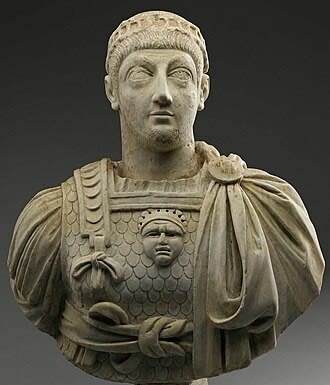
Majorian’s path toward supreme power began on the battlefields of Gaul.
Under the command of Flavius Aetius, the “last of the Romans,” he underwent a harsh military education.
There he formed friendships with men who would later play decisive roles in his fate: the Suevic-born Ricimer and the Gallo-Roman Aegidius.
Majorian quickly earned a reputation as a brilliant officer.
In 447–448, he distinguished himself in campaigns against the Franks of Chlodio.
The chronicles preserve an account of the battle near Vicus Helena, where Majorian, leading the cavalry, heroically held a bridge while Aetius blocked the routes leading to the battlefield.
His courage was noticed not only by the soldiers but also by the imperial court.
By 450, Emperor Valentinian III, who had no sons, was seriously considering Majorian as a husband for his younger daughter Placidia.
Such a marriage would have made Majorian the official heir to the throne and strengthened the emperor’s position against the all-powerful Aetius.
The general, however, had plans of his own. He intended his son Gaudentius to marry Placidia and therefore regarded Majorian as a threat.
As a result of court intrigues, intensified by the jealousy of Aetius’s wife Pelagia, Majorian was removed from military headquarters and sent into honorable exile at his country estate.
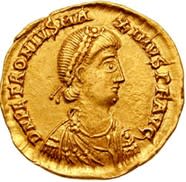
Only in 454, after Valentinian III personally killed Aetius, was Majorian recalled from exile.
The emperor needed an authoritative commander capable of preserving the loyalty of troops who had been devoted to the fallen general.
Peace, however, did not last long.
In 455, Valentinian himself was murdered by conspirators.
A bitter struggle for the throne followed.
Majorian’s candidacy was actively supported by the widowed empress Licinia Eudoxia and by his former comrade-in-arms Ricimer.
Power, however, was seized by the senator Petronius Maximus, who had been involved in the assassination of Valentinian.
Maximus appointed Majorian Count of the Domestics, effectively commander of the imperial guard.
His reign lasted only a few weeks and ended with the catastrophic Vandal Sack of Rome in May 455.
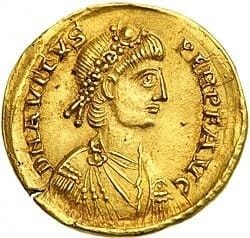
After the death of Maximus and the brief reign of Avitus, who had been supported by the Visigoths, Italy effectively came under the joint influence of Majorian and Ricimer.
In October 456, they defeated Avitus’s forces near Placentia.
Finally, on 28 February 457, Majorian was appointed Master of the Horse — Magister Equitum.
On 1 April 457, at a military camp called “at the Little Columns” — ad Columellas — near Ravenna, Majorian was proclaimed emperor.
Although he claimed that he had been reluctant to accept the burden of supreme power and had done so only out of a sense of duty, he immediately began an energetic program of reforms.
Majorian understood that the empire was dying not only because of external enemies but also because of internal decay.
His policies were aimed at reconciling the different social groups of the empire and preserving its cultural heritage.
Unlike his predecessor Avitus, Majorian attempted to balance the interests of the Italian and Gallic aristocracies.
He granted amnesty to Gallic senators who had initially refused to recognize his authority and actively involved them in the administration of the state.
His openness and his refusal to rely on informers gave him a reputation as a just ruler.
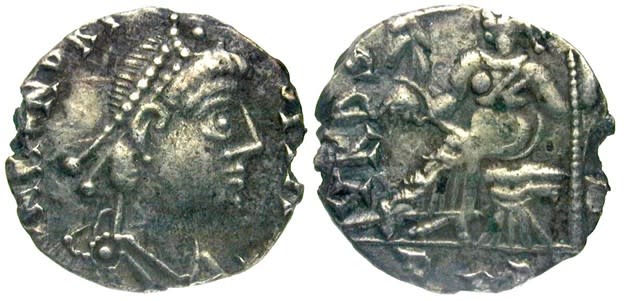
One of Majorian’s most famous laws was the novella De aedificiis publicis, issued on 11 July 459.
The emperor was horrified that the inhabitants of Rome were using ancient monuments as quarries for building materials.
He therefore introduced severe punishments.
Officials who permitted the demolition of public buildings faced an enormous fine of 50 pounds of gold, while their subordinates could be punished with flogging and the amputation of their hands.
Majorian sought to preserve the “splendor of the cities” even during the empire’s deepest crisis.
The greatest external threat remained the Vandal Kingdom in Africa.
Genseric terrorized the Italian coastline, and Majorian understood that without the recovery of Africa, the empire was doomed to hunger and economic ruin.
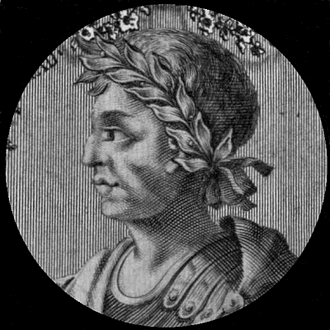
Between 458 and 460, the emperor personally directed preparations for a massive military expedition.
He assembled a powerful army composed of Romans and allied Germanic peoples, repelled a Vandal raid in Campania near the Liris River, and marched into Spain, intending to cross from there to Carthage.
In 460, he arrived at Caesaraugusta, modern Zaragoza.
Genseric, however, fully aware of the danger, resorted to deception and bribery.
The Roman fleet stationed at New Carthage was treacherously burned or captured by the Vandals.
The destruction of the fleet made the expedition impossible.
This failure damaged Majorian’s authority and gave Ricimer, who had by then begun to fear the emperor’s growing influence and independence, an opportunity to act decisively.
On 2 August 461, while Majorian was returning from Gaul to Italy with only a small escort, he was intercepted by Ricimer’s troops at Dertona.
The emperor who had attempted to save the state was stripped of the insignia of imperial power, tortured, and beaten.
Five days later, on 7 August 461, on the banks of the Iria River, Majorian was beheaded.
Majorian’s death marked the end of one of the last great hopes of the Western Roman Empire.
Ricimer spread the claim that the emperor had died of dysentery, but contemporaries and later generations knew the truth.
The rulers who followed would increasingly become puppets in the hands of powerful barbarian military commanders.
Historians across the centuries have generally expressed great admiration for Majorian’s character.
Procopius of Caesarea described him as a man who surpassed his predecessors in virtue, tireless in labor and fearless in battle.
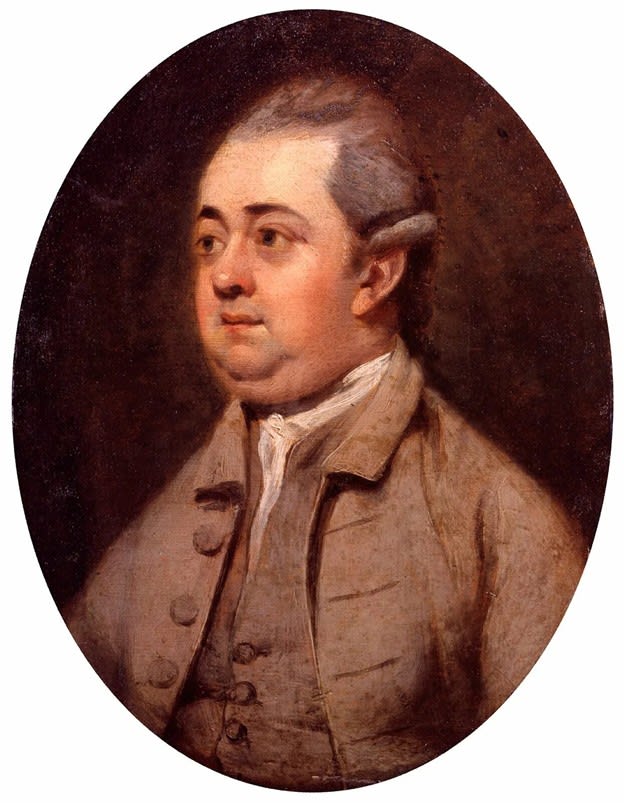
The great historian Edward Gibbon wrote of him:
“In the successor of Avitus, we are pleased to discover one of those noble and heroic characters which sometimes arise in a degenerate age to vindicate the honour of the human species.”


