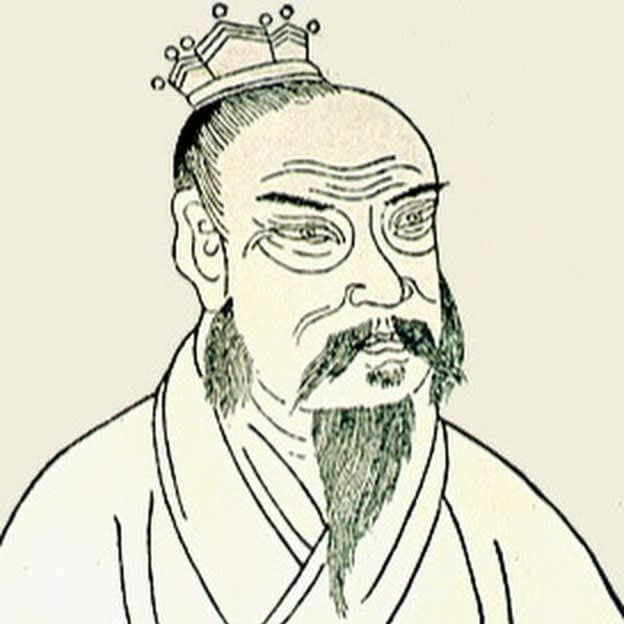
Liu Bang was born to a peasant family in Fengxian County. In his youth he served as a low-ranking official, known for his careless attitude toward his duties and a fondness for drink. His life changed sharply when a high official surnamed Lü saw leadership potential in him and married his daughter to Liu—she would become the future Empress Lü (Lü-hou).
In 209 BCE, after the death of Emperor Qin Shi Huang, a mass uprising broke out in the Qin Empire under Chen She (Chen Sheng). At the time, Liu Bang was in hiding from the authorities after releasing a group of convicts sentenced to penal labor; he joined the rebellion.
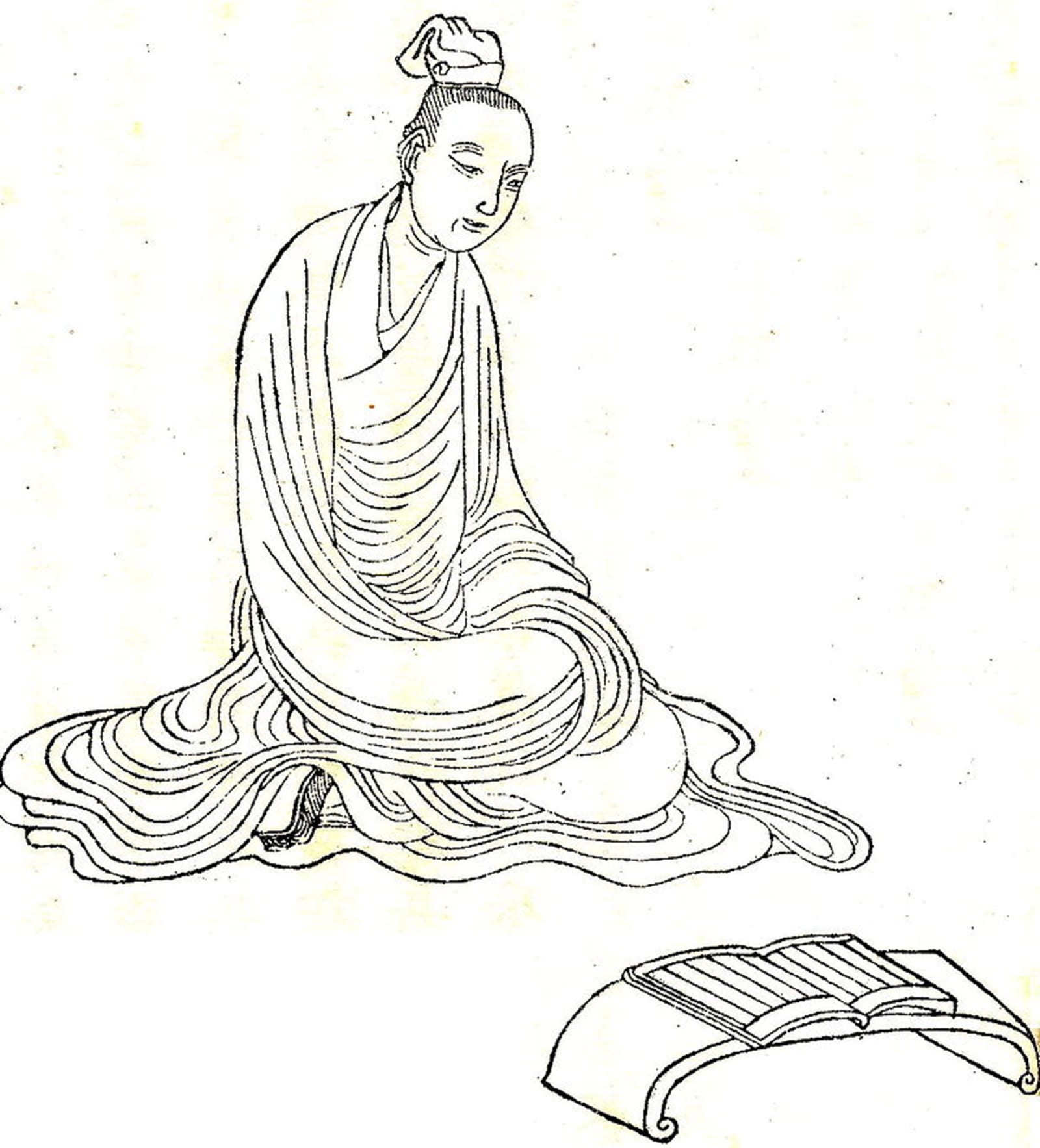
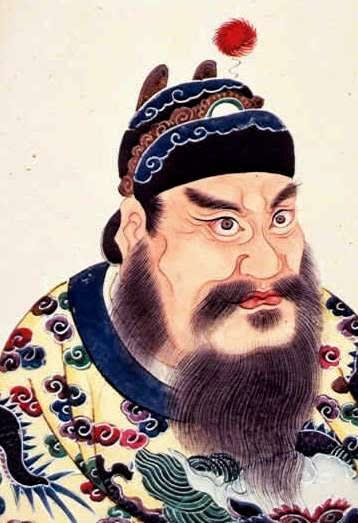
With the backing of his brother-in-law Fan Kuai and the official Xiao He, he was appointed head of Pei County and given the title “Duke of Pei” (Pei-gong). With the support of his chief adviser Zhang Liang and by skillfully employing a humane policy, he took one city after another and in 207 BCE entered the Qin capital, Xianyang, where he accepted the surrender of the last Qin ruler, Ziying.
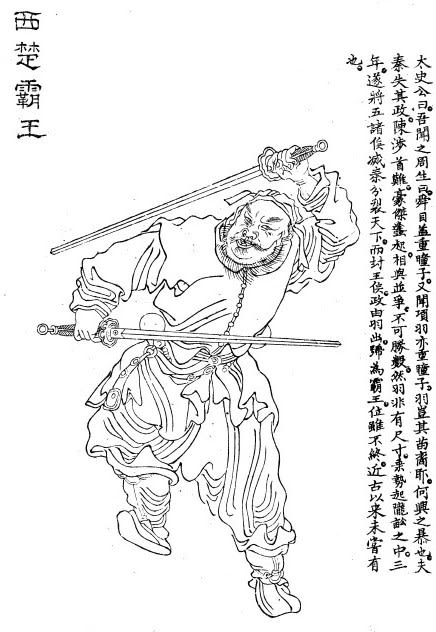
After entering the capital, Liu Bang confronted his chief rival, the general Xiang Yu, who commanded far greater military forces. Xiang Yu, taking Xianyang after Liu Bang, executed the emperor, sacked the city, and destroyed it. He divided China into eighteen feudal kingdoms and assigned Liu Bang to rule Sichuan and southern Shaanxi, depriving him of the central lands he had been promised. In response, Liu Bang took up arms.
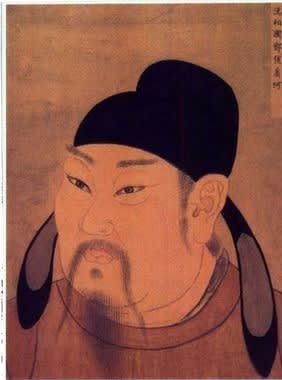
Although Xiang Yu won set-piece battles, he could not finish off Liu Bang, as he had to fight on two fronts while Liu Bang’s following steadily grew.
Unlike Xiang Yu, who relied on his personal strength, Liu Bang relied on talented advisers: the strategist Zhang Liang, the administrator Xiao He, and the general Han Xin.
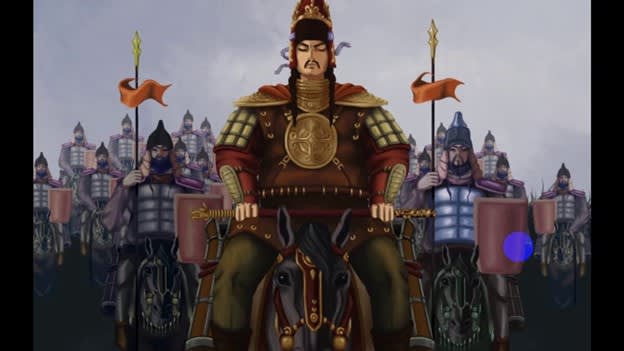
In the end, the decisive Battle of Gaixia in 203 BCE brought Liu Bang victory. His forces encircled Xiang Yu’s army and sang the folk songs of Chu, Xiang Yu’s homeland, to demoralize his troops. Believing himself betrayed, Xiang Yu abandoned his army and took his own life, sealing Liu Bang’s final triumph.
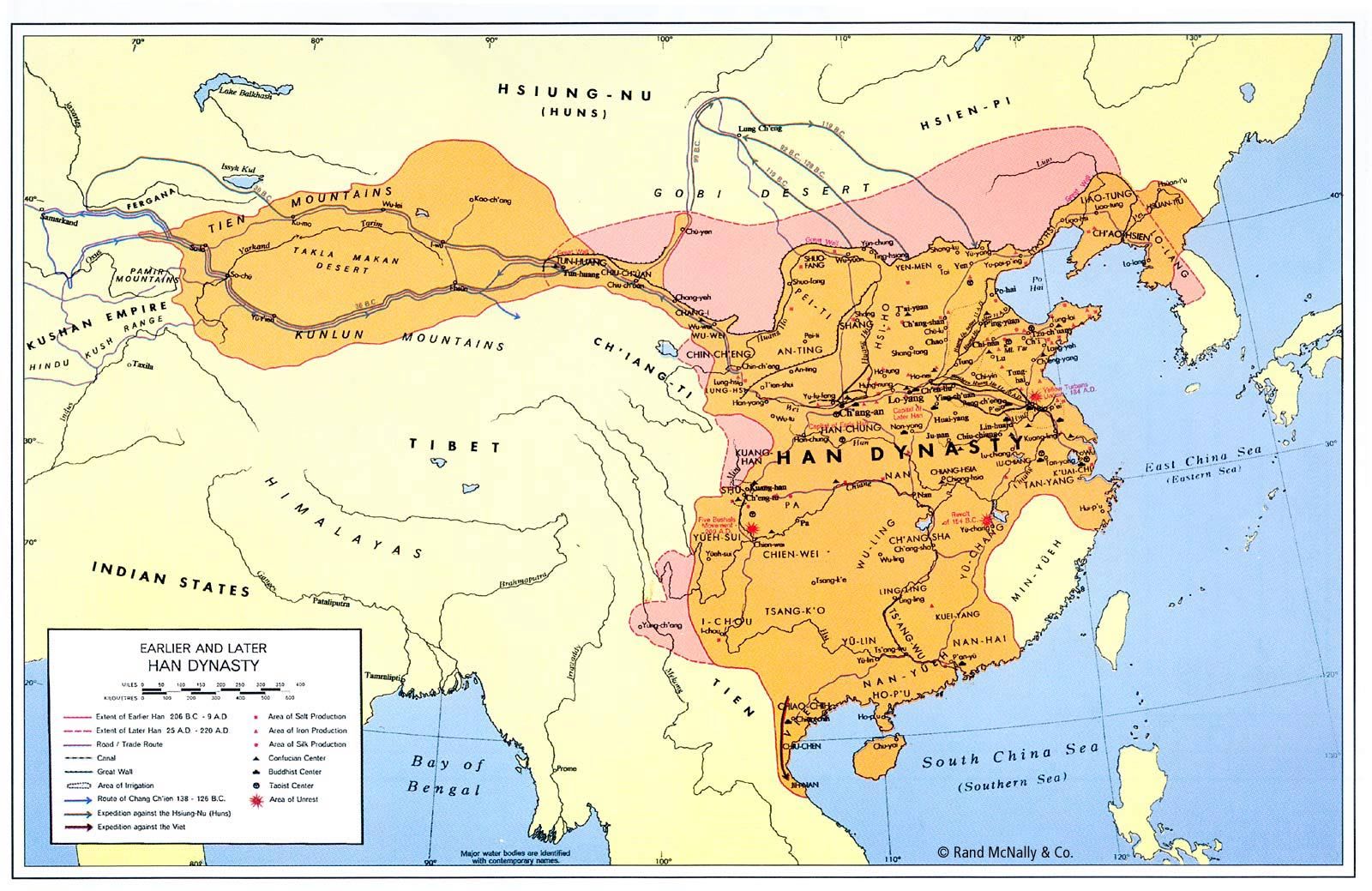
In 202 BCE Liu Bang proclaimed himself Emperor Gaozu and founded the Han dynasty. He moved the capital to Chang’an. In the early years of his reign he enacted important reforms to restore a war-ravaged economy: he reduced taxes on peasants and freed people who had sold themselves into bondage. Yet he also grew suspicious of former comrades who had helped him to power. In 196 BCE he ordered the executions of Han Xin and Peng Yue, both instrumental in his victory.
In 200 BCE he faced a major threat from the Xiongnu under their chanyu, Modu. Despite numerical superiority, Liu Bang was surrounded at the Battle of Baideng and was forced in 198 BCE to conclude a “peace and kinship” treaty: Han would pay tribute to the Xiongnu and send imperial princesses in marriage to the chanyu.
Liu Bang died in 195 BCE, passing the throne to his eldest son, Liu Ying (Emperor Hui). Real power, however, fell to the Empress Dowager Lü (Lü Zhi), who ruled in the name of underage emperors until her death in 180 BCE. Liu Bang’s reign inaugurated one of the longest and most influential dynasties in Chinese history. By instituting humane reforms, easing the harsh Qin legal code, and restoring the standing of Confucianism, he laid the foundations for the later flourishing of Chinese civilization.