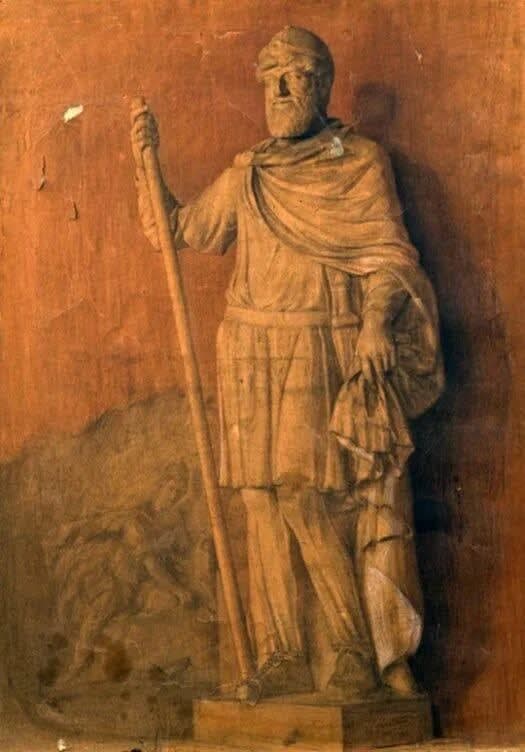
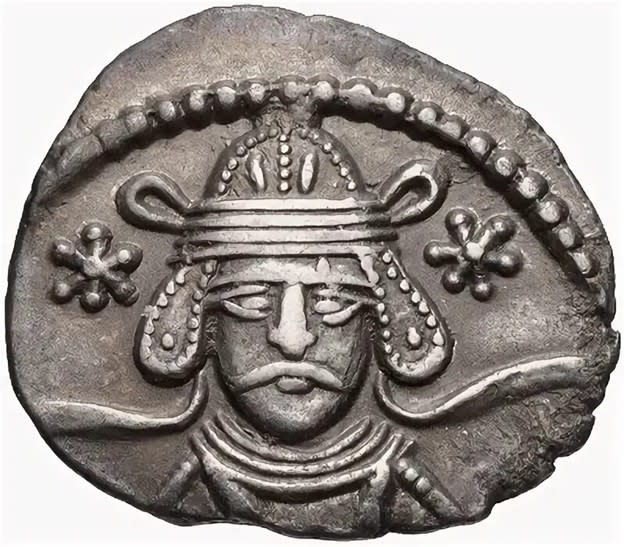
Tiridates was born into the family of Vonones II, ruler of Media Atropatene and later of the entire Parthian Empire. He was the youngest of three Arsacid brothers: the eldest, Pacorus, inherited Media, while the middle brother, Vologases I, ascended the Parthian throne. The name "Tiridates" (Armenian: Trdat) carried profound religious significance, meaning "given by Tir." In the Zoroastrian tradition, Tir was a yazata, a divine being and patron of science and the arts, whom the Greeks, through cultural interpretation, identified with the radiant Apollo.
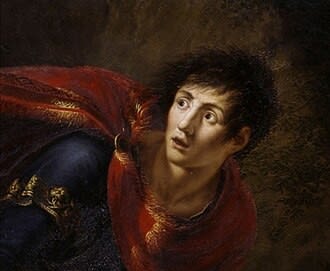
The middle of the 1st century AD was a period of chaos for Armenia. In AD 51, the Iberian usurper Rhadamistus seized power, treacherously murdering his uncle, the legitimate king Mithridates. The Roman procurator of Cappadocia, Julius Paelignus, demonstrated astonishing political unscrupulousness by recognizing the usurper, bringing the region to the brink of catastrophe.
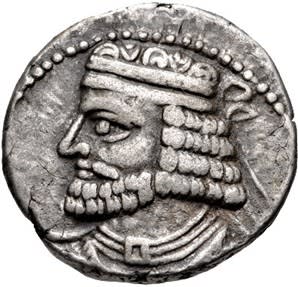
At this critical moment, Vologases I, who sought to restore the greatness of Parthia, decided to put an end to Iberian interference. In AD 52, Parthian forces entered Armenia, occupying its ancient capitals — Artaxata and Tigranocerta. Tiridates was proclaimed king, but a harsh winter and an uprising within Parthia forced the brothers to withdraw temporarily. This allowed Rhadamistus to return and launch a campaign of bloody repression. The legend of his wife Zenobia, who was wounded by her husband and thrown into the Araxes River, only to be rescued by shepherds and welcomed by Tiridates with royal honors, became one of the most moving stories of this turbulent era. By AD 55, Rhadamistus had completely lost support, and the Armenian nobility once again invited Tiridates to take the throne.
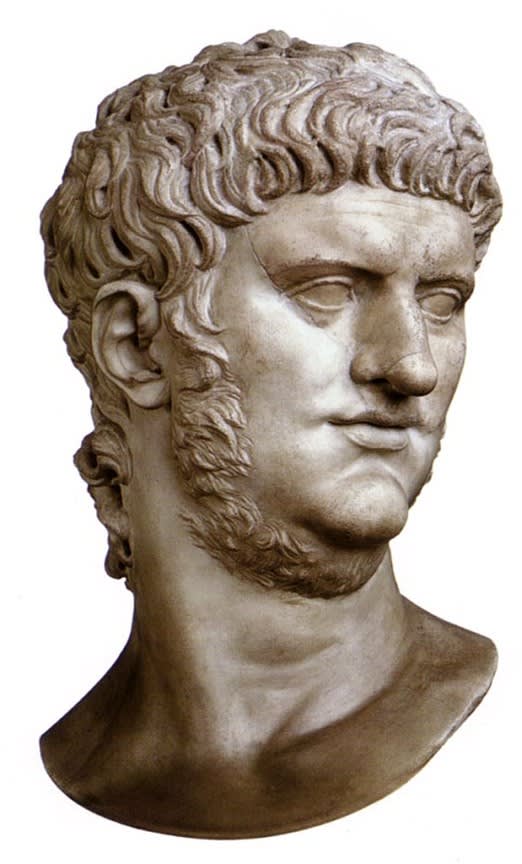
Rome, ruled by the young Emperor Nero, could not tolerate the growing influence of Parthia. The brilliant military strategist Gnaeus Domitius Corbulo was dispatched to the East. In the spring of AD 58, a full-scale war broke out. Corbulo employed a scorched-earth strategy: Artaxata was burned to the ground, and Tigranocerta fell under the assault of the Roman legions. Tiridates I was forced to adopt guerrilla warfare, launching rapid cavalry raids against the enemy.
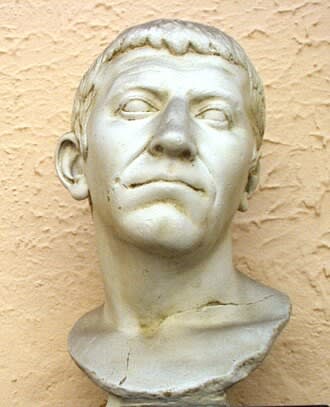
Rome appointed Tigranes VI, a descendant of the Cappadocian and Judean royal families, as its client king. However, this decision only added fuel to the fire: Vologases I, outraged by Tigranes' invasion of the Parthian vassal kingdom of Adiabene, personally led a campaign into Armenia. The advance of the spahbed Monaeses toward Tigranocerta and Corbulo's strategic maneuvers resulted in a military stalemate, which ended with a temporary truce in AD 61.
The decisive turning point in the military confrontation came at the Battle of Rhandeia in AD 62. The Roman commander Lucius Caesennius Paetus, whose ambitions clearly exceeded his abilities, suffered a humiliating defeat after his army was surrounded by Parthian forces. This forced Rome to make unprecedented concessions.
In AD 63, a historic meeting between Corbulo and Tiridates took place at Rhandeia. A unique compromise was reached: Tiridates was recognized as king of Armenia, becoming the founder of the Armenian branch of the Arsacid dynasty, but he was required to receive his crown personally from Nero in Rome.
Tiridates' journey to Rome in AD 66 became one of the most remarkable events of the century. His enormous entourage of 3,000 horsemen, nobles, and sages traveled overland for nine months — Zoroastrianism prohibited the desecration of the sacred element of water through sea travel. Possessing exceptional intelligence and a majestic appearance, Tiridates caused a sensation throughout the Italian provinces. In Puteoli, he impressed Nero with his remarkable accuracy, piercing two buffaloes with a single arrow during gladiatorial games.
The culmination of the journey came in Rome. Nero organized a reception of unprecedented magnificence. The city was adorned with lights and flowers. In the Forum, before the assembled legions and the Roman people, Tiridates I knelt before the emperor and delivered his famous speech:
"My lord, I... have come to you, my god, to worship you as I worship Mithra. The destiny you assign to me shall be mine, for you are my Fortune and my Fate."
Nero, flattered by such an extraordinary display of reverence, placed a diadem upon Tiridates' head, proclaiming him king of Armenia. The celebrations were so lavish, and the Theatre of Pompey was so richly covered in gold, that the occasion entered history as the "Golden Day." Nero presented Tiridates with 50 million sesterces and closed the gates of the Temple of Janus, symbolizing the beginning of universal peace.
Upon returning to his homeland, Tiridates I devoted all his efforts to rebuilding the country. Artaxata was reconstructed and temporarily renamed Neronia. The king paid particular attention to his residence at Garni, where a magnificent pagan temple in the classical style was erected on a basalt plateau, becoming a masterpiece of Armenian architecture.
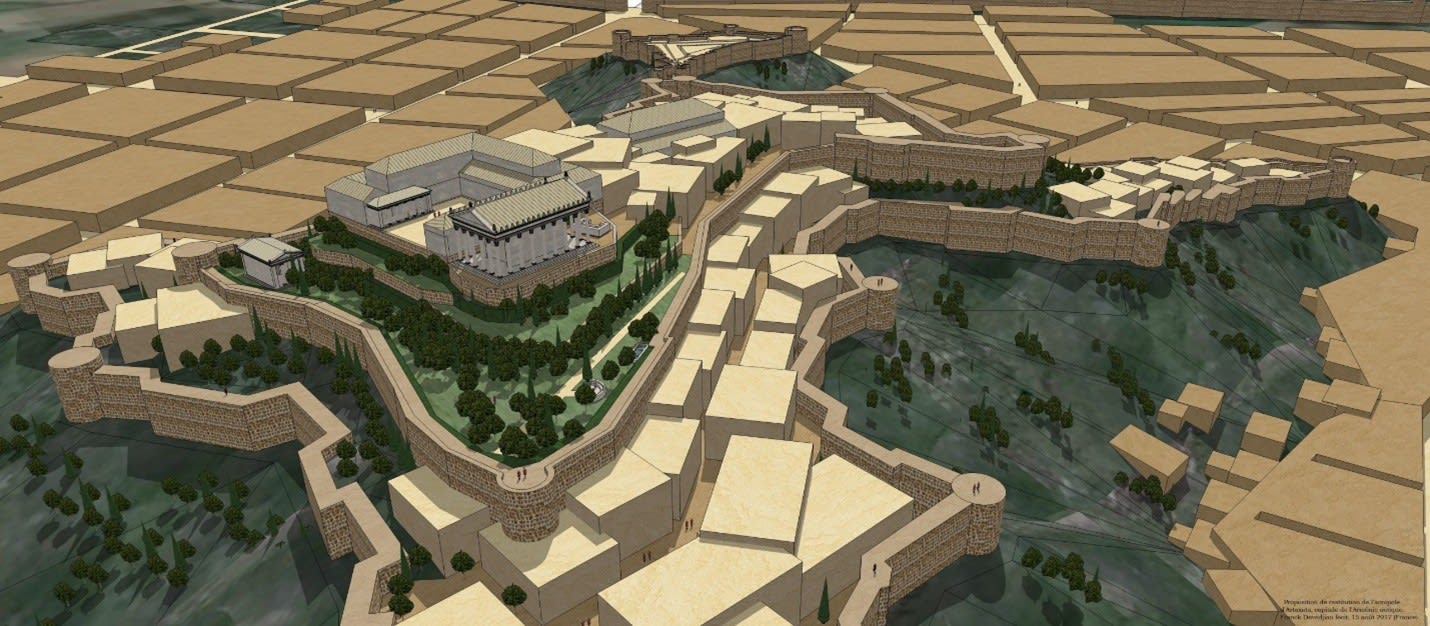
The peace that lasted for almost 50 years allowed Armenia to grow stronger and become an important trading center between East and West. However, the final years of Tiridates' reign were not entirely peaceful. In AD 72, nomadic Alan tribes devastated the country. During one battle, Tiridates narrowly escaped death when an Alan horseman threw a lasso around him, but the king managed to cut the rope with his sword.
The exact date of Tiridates I's death remains unknown, but he left behind a powerful legacy. He not only preserved the Armenian Kingdom but also established a unique political precedent that enabled his descendants to maneuver between two great empires, preserving their national identity and cultural distinctiveness for centuries.


