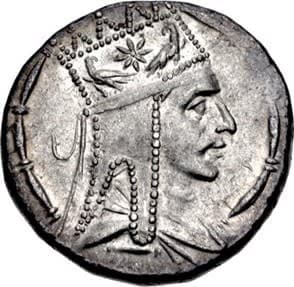
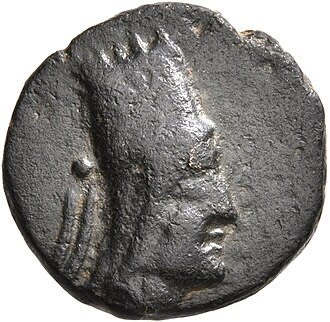
The beginning of the 1st century BC was a period of profound geopolitical transformation. In the west, the Roman Republic was relentlessly absorbing the Hellenistic states of Asia Minor, while in the east, the Parthian Empire sought to establish dominance over Mesopotamia. The foundations for Tigranes' remarkable rise had been laid by his predecessors: his grandfather, Artaxias I, who transformed Armenia into a major regional power, and his father, Tigranes I, who successfully resisted Parthian expansion.
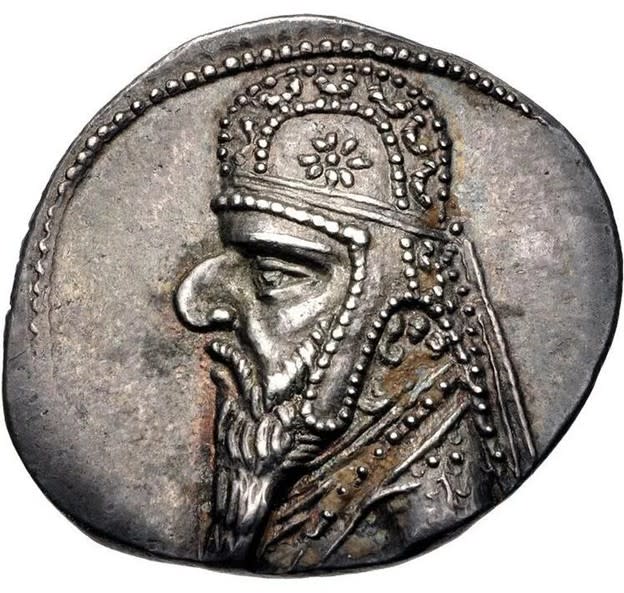
Tigranes II himself was born around 140 BC and spent much of his youth as an honored hostage at the court of the Parthian king Mithridates II. This "captivity" became a harsh but invaluable school of Eastern diplomacy and military strategy. When the Armenian throne became vacant in 95 BC, Tigranes secured his freedom by ceding "seventy fertile valleys" to the Parthians and ascended the throne at the age of 45. However, this territorial concession was merely a temporary tactical maneuver: as soon as he consolidated his power, he not only recovered the lost territories but also unleashed the full might of his army against his former captors.
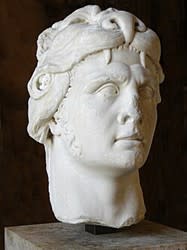
Tigranes' foreign policy was characterized by extraordinary speed and ambition. In 94 BC, he formed a crucial alliance with Mithridates VI Eupator, king of Pontus, sealing it through marriage to Princess Cleopatra of Pontus. This alliance effectively divided the spheres of influence in Western Asia: Pontus turned its attention westward toward Rome, while Armenia focused on the east and south.
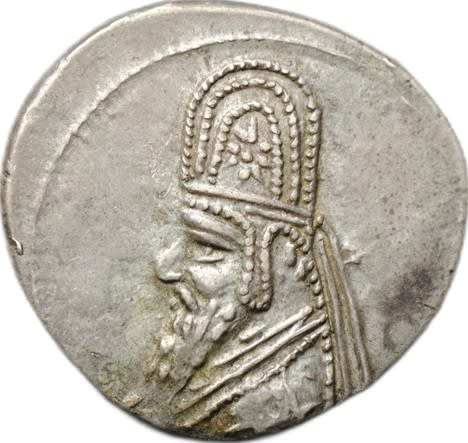
Between 91 and 87 BC, Tigranes accomplished what had previously seemed impossible — he broke the power of the Parthian Empire. Armenian forces stormed Nisibis, besieged Ecbatana, and compelled the Parthian monarch Gotarzes I to formally relinquish the title "King of Kings" in favor of Tigranes. Atropatene, Adiabene, Gordyene, and all of Upper Mesopotamia came under the Armenian monarch's control. Even nomadic Arab tribes and the leaders of the Saka-Massagetae acknowledged his supremacy.
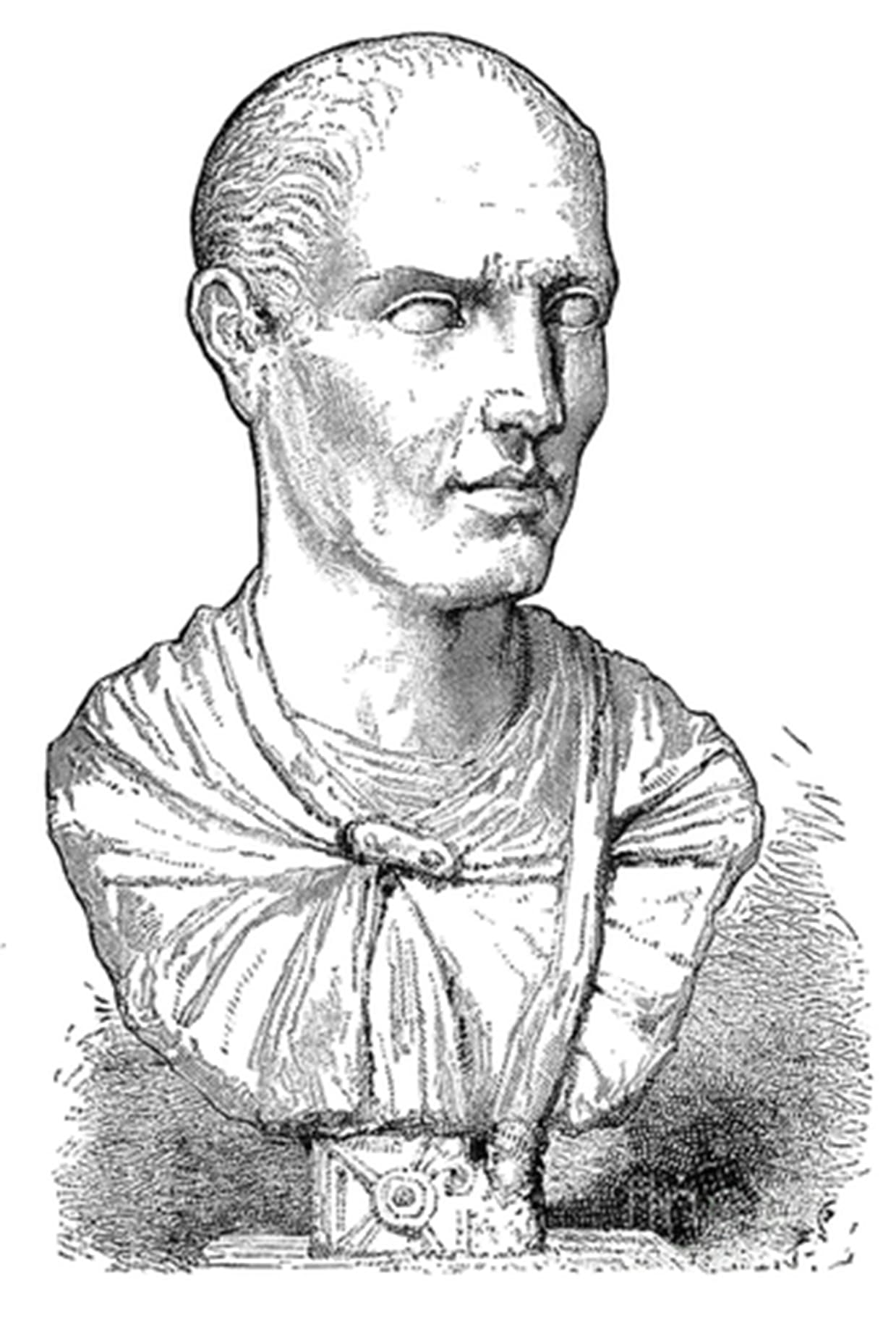
In 83 BC, Tigranes reached the height of his success in the west. The people of Syria, exhausted by the endless internal conflicts of the declining Seleucid dynasty, voluntarily invited the Armenian king to take the throne in Antioch. Without firing a single shot, Tigranes took control of Syria, Phoenicia, and Cilicia, extending his influence to the borders of Egypt and Palestine. His empire now controlled some of the most important trade routes of the ancient world.
Tigranes' direct intervention in the affairs of Cappadocia and his family ties with Mithridates VI inevitably brought him into conflict with Rome. In 69 BC, the Roman consul Lucullus launched a bold and rapid military campaign, invading the heart of Armenia.
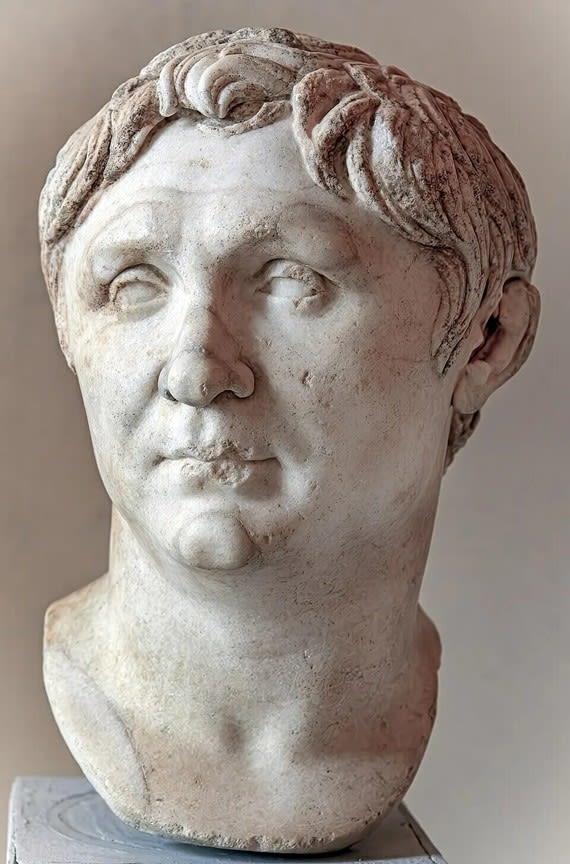
On October 6, 69 BC, a decisive battle took place beneath the walls of the new capital, Tigranocerta. Despite the enormous numerical superiority of the Armenian army (estimated by various sources at between 80,000 and 300,000 soldiers), Tigranes' diverse, multinational forces were unable to withstand the assault of the disciplined Roman legions. The capital was betrayed by Greek mercenaries and subsequently plundered.
However, Lucullus celebrated his victory prematurely. Tigranes adopted a strategy of exhausting the enemy through prolonged resistance. In 68 BC, when the Romans attempted to capture Artaxata (the ancient capital known as the "Armenian Carthage"), they encountered fierce resistance and the innovative tactics of Tigranes' mounted archers, who used poisoned arrows. The defeat near Artaxata and a mutiny among the Roman legions forced Lucullus to retreat into Mesopotamia, while Tigranes launched a brilliant counteroffensive, completely liberating Armenia and Pontus.
The final outcome of this great confrontation was determined by the intervention of Gnaeus Pompey the Great in 66 BC. Tigranes found himself surrounded by enemies: Rome returned with renewed military strength, Parthia joined the opposition, and even his own son, Tigranes the Younger, rose in rebellion against him.
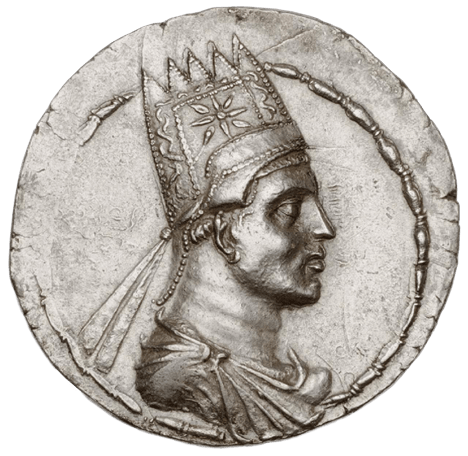
Demonstrating the wisdom of an experienced statesman, the 75-year-old king chose diplomacy over the destruction of his country. He personally entered Pompey's camp and concluded an agreement under which Armenia renounced all its conquests (Syria, Phoenicia, and Cilicia) but retained its ancestral territories — the Armenian Highlands — and received the status of a "friend and ally of the Roman people." Tigranes preserved the title "King of Kings," securing decades of peace and prosperity for Armenia under Roman protection against Parthian ambitions.
Tigranes II was not only a conqueror but also a great city builder. The center of his empire became Tigranocerta — a magnificent metropolis in the province of Aghdznik. Surrounded by walls 25 meters high, within which stables were built, the city became a melting pot of cultures. Hundreds of thousands of inhabitants from twelve Greek cities, Cappadocia, Cilicia, and Judea were forcibly resettled there.
Tigranocerta was envisioned as a symbol of Hellenistic luxury, featuring theaters, hunting parks, and richly decorated temples. Although many settlers returned to their homelands after the war, the city remained an important center of culture and craftsmanship for many years. Tigranes also founded six additional cities bearing his name in different parts of the empire (including Artsakh, Utik, and Syunik), establishing the framework of a centralized state.
Tigranes II the Great died in 55 BC at the age of 85, leaving his son Artavasdes II a prosperous kingdom that, despite losing its imperial status, remained the third major power in the world, continuing to shape the destiny of the Middle East for many centuries to come.


