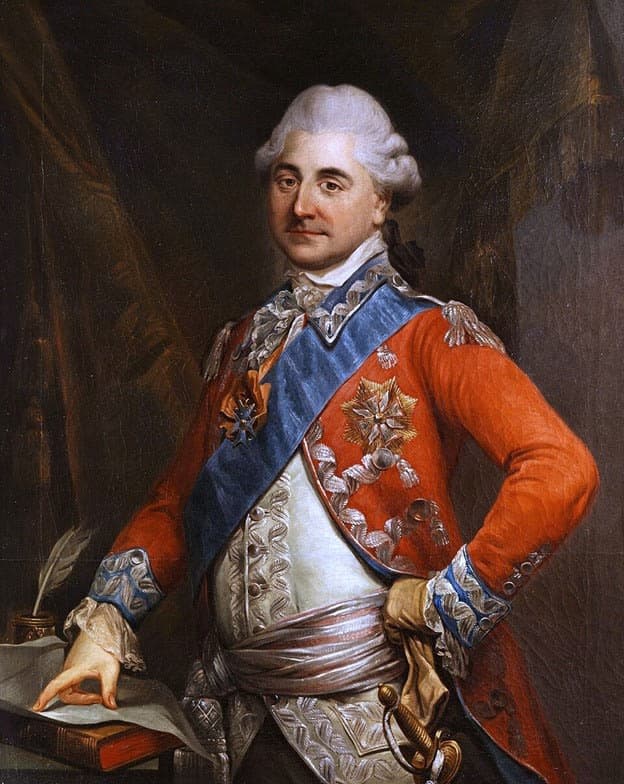

Stanisław Antoni (he would adopt the name "August" later) was born on January 17, 1732, in Wołczyn. He was the fourth son of Castellan Stanisław Poniatowski and Konstancja Czartoryska, which ensured his close connections with the influential magnate faction known as the "Familia." His upbringing was thoroughly European, involving an extensive study of languages, culture, and political systems. His long stay in England inspired in him a dream of parliamentary government, while during a visit to Paris, according to legend, the French fortune-teller Henriette Lullier predicted that he would one day wear a royal crown.
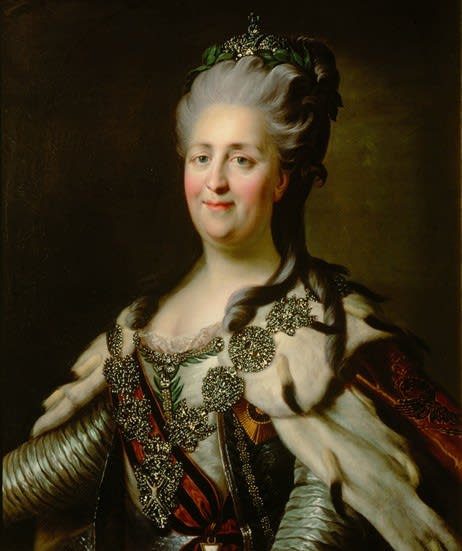
The decisive turning point in his life came during a visit to Russia in the mid-1750s. Serving as secretary to the British ambassador, Charles Hanbury Williams, the 23-year-old Poniatowski captivated the court of St. Petersburg with his elegance and intelligence. It was during this period that his famous romance with Grand Duchess Catherine Alexeyevna — the future Empress Catherine II — began. This passion, which Poniatowski carried with him throughout the years, became both his greatest gift and his political curse: Catherine regarded him not only as her lover but also as an ideal instrument for advancing Russian interests in Poland.
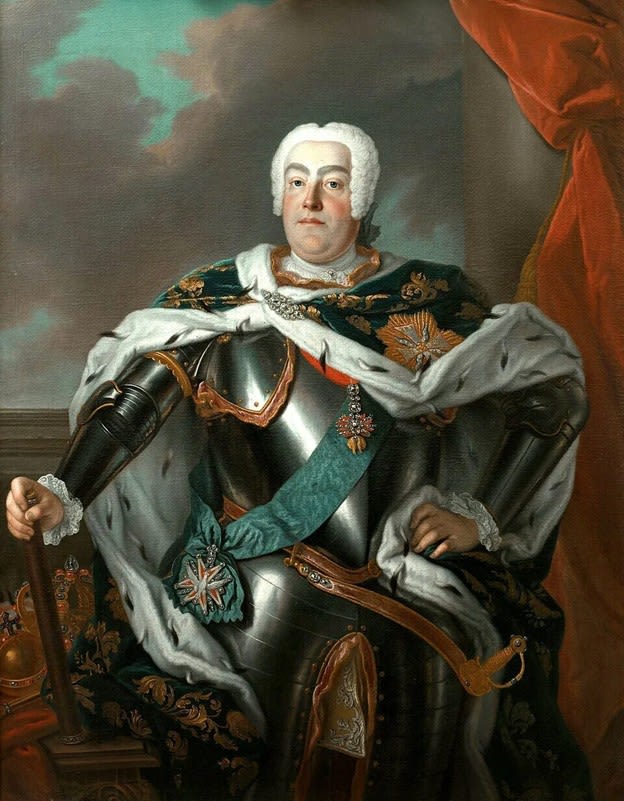
In 1764, following the death of Augustus III, Poniatowski was elected king with the decisive support of Russian troops and the Czartoryski faction. He became the last monarch to be crowned with the ancient Crown of the Piasts. Aware of the unsuccessful experiences of his predecessors, Stanisław August attempted to compensate for breaking with tradition — his coronation took place in Warsaw rather than Kraków — by establishing the Order of Saint Stanislaus in 1765, which became the country's second-highest state decoration.
His first steps on the throne were remarkably bold. He initiated reforms in the army, replacing traditional cavalry formations with modern infantry, as well as in the treasury and legal system. His principal objective was to abolish the destructive liberum veto, which allowed any noble deputy to disrupt the proceedings of the Sejm. However, these attempts to save the country provoked fierce resistance.
Poniatowski's policies led to a deep division within society. The conservative nobility, dissatisfied with his pro-Russian orientation and the granting of equal rights to religious dissenters (Orthodox Christians and Protestants), united in the Bar Confederation. The resulting civil war provided neighboring powers with a pretext for direct intervention. In 1772, the First Partition of the Polish-Lithuanian Commonwealth took place.

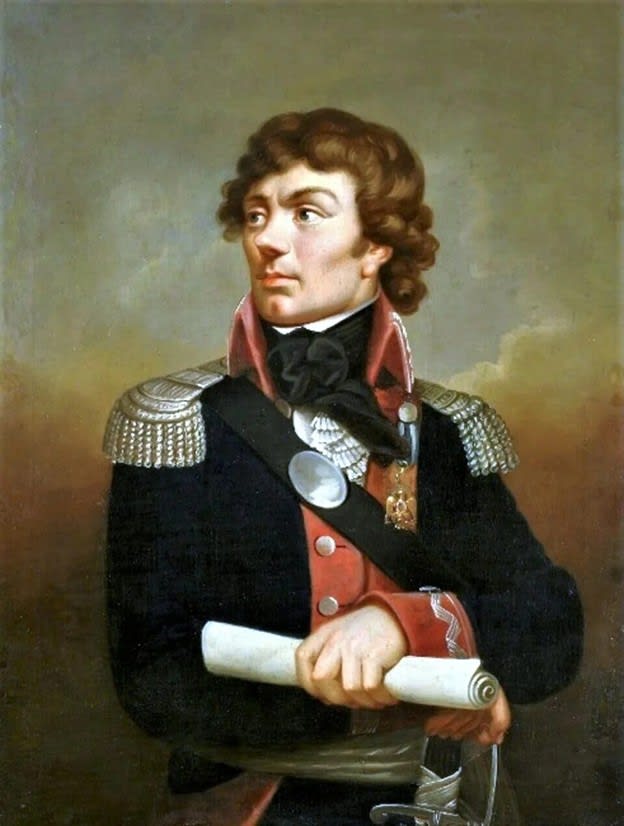
Despite these territorial losses, the king continued to believe in the necessity of reforms. The culmination of his efforts was the adoption of the Constitution of May 3, 1791 — the first in Europe and the second in the world. However, this triumph was short-lived. The pro-Russian Targowica Confederation and the subsequent war against Russia led to the Second Partition in 1793. Following the suppression of Tadeusz Kościuszko's uprising in 1795, the Polish-Lithuanian Commonwealth ceased to exist.

Escorted by a detachment of dragoons, the king was taken to Grodno. On November 25, 1795, the name day of Catherine II, he signed the act of abdication, voluntarily transferring his rights to the Polish crown to the Russian empress. In doing so, he hoped to secure her "maternal care" for his former subjects.
Officially, the king never married. Catherine II carefully obstructed any attempts by Poniatowski to establish a dynastic marriage alliance. Nevertheless, his personal life was eventful. Elżbieta Grabowska was considered his secret wife, and her children were effectively acknowledged by the king. Among his mistresses were both noblewomen, such as Izabela Czartoryska and Magdalena Lubomirska, and actresses, including Caterina Tomatis, for whom he built the elegant Królikarnia Palace.
Poniatowski spent the final three years of his life in St. Petersburg, residing in the Marble Palace, where he died in 1798. His remains underwent a long and sorrowful journey. In 1938, Stalin authorized their transfer to Poland, but instead of arranging a solemn burial ceremony in Warsaw, the authorities interred them in the Church of the Holy Trinity in Wołczyn (present-day Belarus), his birthplace, fearing the political implications of a grand public ceremony in the Polish capital.
During the Soviet period, the church was converted into a warehouse, and the tomb was looted. Only in 1988 were the surviving fragments of his clothing and coronation mantle returned to Warsaw and placed in St. John's Archcathedral.

Stanisław August Poniatowski remained in historical memory as the "tragic king." He sought to reform a state that was already falling apart and to preserve its independence by relying on the very powers that were determined to destroy it.


