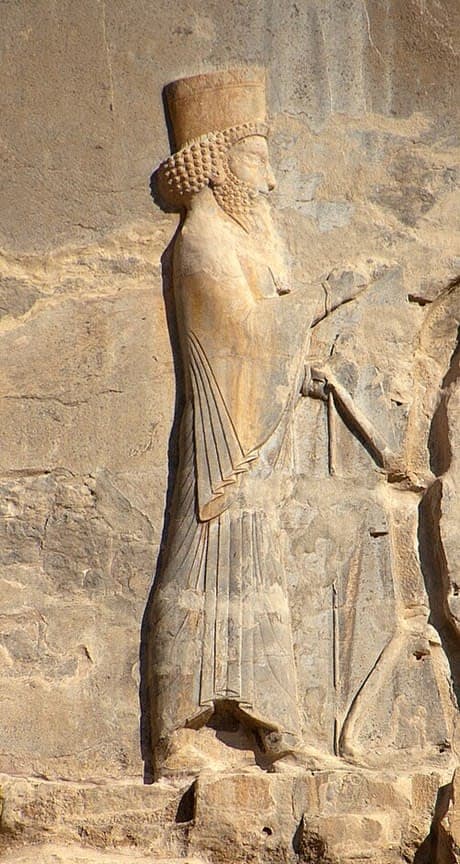
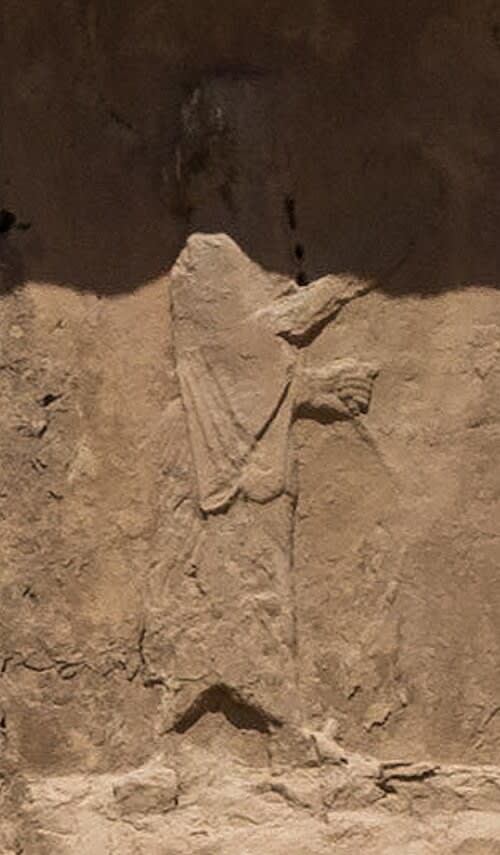
The reign of Artaxerxes II, the eldest son of Darius II and the powerful queen Parysatis, became one of the longest and most controversial periods in the history of the Achaemenid Empire. Before placing upon himself the tiara of the King of Kings, he bore the name Arsaces, but history remembered him by his throne name Artaxerxes. The Greeks, struck by his phenomenal ability to retain vast layers of information in his mind, gave him the nickname “Mnemon,” meaning “the Remembering” or “the Mindful.” However, his ascent to the throne was not peaceful: it marked the beginning of a prolonged family drama that nearly destroyed the empire.
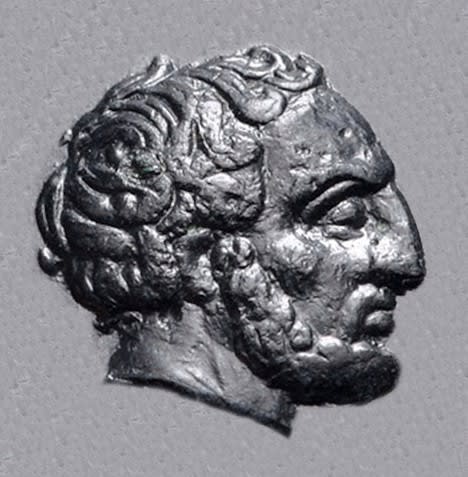
No sooner had Artaxerxes taken power than he faced the claims of his younger brother — the ambitious Cyrus the Younger. Supported by the queen mother and part of the nobility, Cyrus did not wish to be content with the role of governor. The plot was reported to the king by Tissaphernes, satrap of Caria, whose alliance with Artaxerxes was sealed by marriage ties. Only the tearful intercession of Parysatis saved the captured Cyrus from execution. Returning to Asia Minor, Cyrus concealed his anger and began secretly gathering an army under the pretext of fighting rebellious Pisidians. His main force consisted of Greek mercenaries — battle-hardened hoplites attracted by generous pay.
In the spring of 401 BC, Cyrus’s grand army, including 13,000 Greeks under the command of the Spartan Clearchus, marched into the heart of the empire. Among them was the Athenian Xenophon, whose future work Anabasis immortalized this campaign. The decisive clash took place on September 3, 401 BC, at Cunaxa, only 90 kilometers from Babylon. In the heat of battle, Cyrus, obsessed with the desire to kill his brother personally, fell at the hands of the king’s guards. Despite the Greeks’ tactical victory on their flank, the death of the claimant made their success meaningless. Tissaphernes lured the Greek commanders by deceit and executed them, leaving the mercenaries alone in the middle of a hostile country. Their heroic retreat to the Black Sea, completed in March 400 BC, revealed to the whole world the vulnerability of Persian lands.


After Cyrus’s defeat, relations with Sparta, which had helped the rebel, deteriorated completely. In 400 BC, the Spartans sent troops to Asia Minor to protect the Greek cities. Full-scale war unfolded in 397 BC under the leadership of King Agesilaus II. The Persians, suffering setbacks on land, also faced internal intrigues: Parysatis, seeking revenge for Cyrus’s death, convinced Artaxerxes of Tissaphernes’s treachery. In 395 BC, the brilliant diplomat was lured into a trap and beheaded, and his place was taken by Tithraustes.

At this time, Artaxerxes placed his hopes on the Athenian strategist Conon, who proposed shifting the war to the sea. Having received Persian gold, Conon created a powerful fleet and, in 394 BC, crushed Spartan naval hegemony at the Battle of Cnidus. Persia skillfully manipulated the Greek poleis using the tactic of bribery. Timocrates of Rhodes, supplied with 30,000 gold darics, managed to ignite the Corinthian War of 395–387 BC in Greece, forcing Sparta to recall Agesilaus home.

The result of these manipulations was the Peace of Antalcidas in 387 BC, also known as the “King’s Peace” — humiliating for the Greeks and triumphant for Persia. Artaxerxes II dictated his terms: Asia Minor and Cyprus were recognized as Persian possessions, while the rest of Greece was divided into autonomous communities under the unofficial control of Susa. What Darius I and Xerxes had failed to achieve by the sword, Artaxerxes II accomplished through gold and diplomacy.
Despite successes in the west, the southern and northern frontiers caused the king considerable trouble. Egypt, under the pharaohs Achoris and later Nectanebo I, became a stronghold of resistance. Attempts to return Egypt to the imperial fold in 385–383 BC and later in 373 BC ended in failure. In the second case, the enormous army of Pharnabazus, having reached the Nile Delta, became bogged down in looting and was forced to retreat because of the river’s flood and the competent defense of the Egyptians.
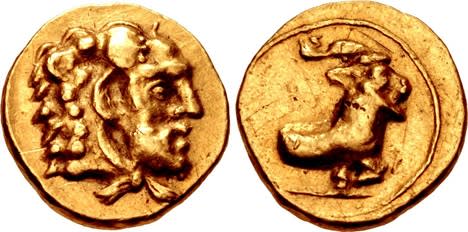
At the same time, a struggle unfolded for Cyprus against King Evagoras. The war, which cost the treasury a colossal 15,000 talents, ended in 380 BC with a compromise: Evagoras remained ruler, but recognized the supremacy of Artaxerxes.

A particularly dramatic episode was the campaign against the warlike Cadusian tribes in the Caucasus. In the wild and misty mountains, the king’s enormous army found itself on the verge of starvation. Soldiers paid 60 silver drachmas, about 330 grams, for the head of a donkey, and the horses were almost entirely eaten. Salvation came through the cunning of the adviser Tiribazus, who deceived two rival Cadusian chiefs into making peace separately, convincing each that the other was conducting secret negotiations.
The final years of Artaxerxes’s reign were darkened by the Great Satraps’ Revolt of 373–359 BC. The governors of Cappadocia, Phrygia, Armenia, and Ionia rose in rebellion one after another, striving for independence. The empire was cracking at the seams, held together only by the fact that the leaders of the revolt constantly betrayed one another, trying to bargain for better terms from the king. By 359 BC, the rebellion was suppressed, but the seeds of disintegration had already sprouted — Chorasmia, Sogdiana, and the Saka tribes had effectively ceased to obey the center.
Inside the royal palace, the atmosphere was even more sinister. The aging Artaxerxes witnessed a bloody struggle over the succession. His eldest son Darius organized a conspiracy and was executed together with nearly all his children. His middle son Ariaspes, driven to despair by the intrigues of his younger brother Ochus, committed suicide. Later, by order of the same Ochus, the king’s beloved illegitimate son Arsames was also killed.
Artaxerxes II Mnemon died in December 359 BC at the age of 86, leaving behind 150 sons from 336 wives and concubines. He ruled for more than forty years, managing to preserve the integrity of the empire amid endless wars. His memory survived not only in chronicles, but also in anecdotes emphasizing his wisdom and accessibility — whether the golden cup given to a poor man for a handful of water, or his calm reply to an insolent Greek. Despite the internal tragedies of his reign, he remained in history as one of the greatest diplomats ever to sit on the Persian throne.


