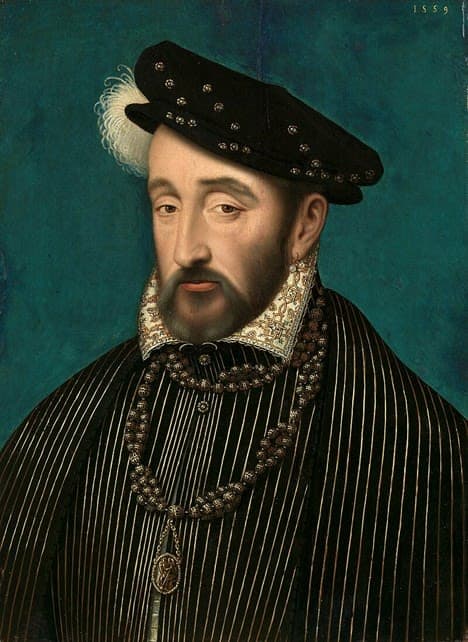
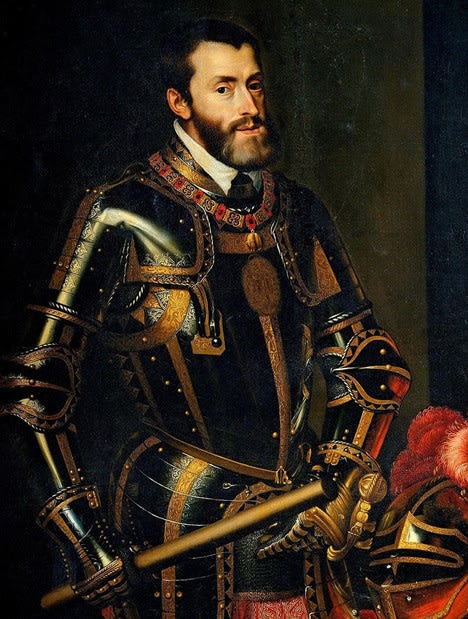
Henry II was born in 1519 and received the title Duke of Orléans at birth. In childhood, from 1526 to 1529, he and his elder brother were held as hostages at the court of Emperor Charles V of Spain, fulfilling the conditions of the Treaty of Madrid, signed by their father, Francis I.
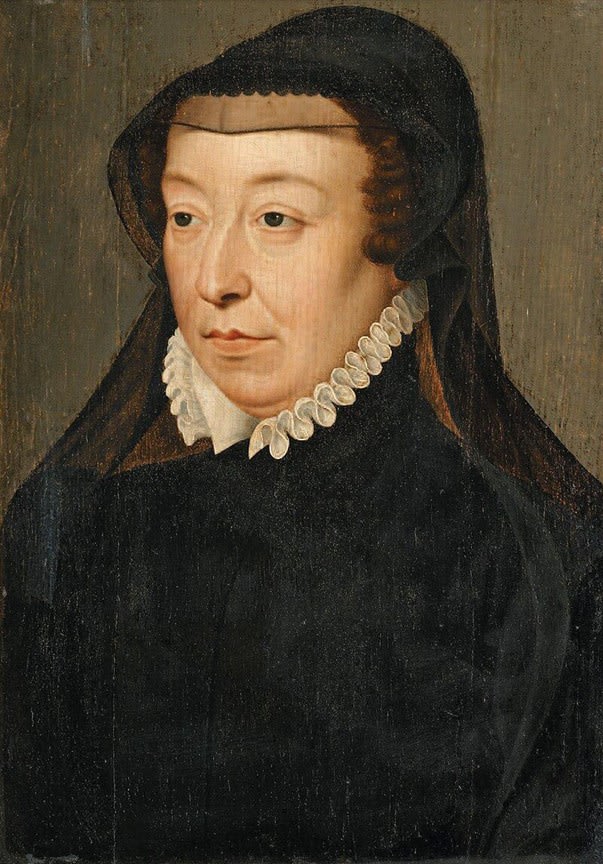
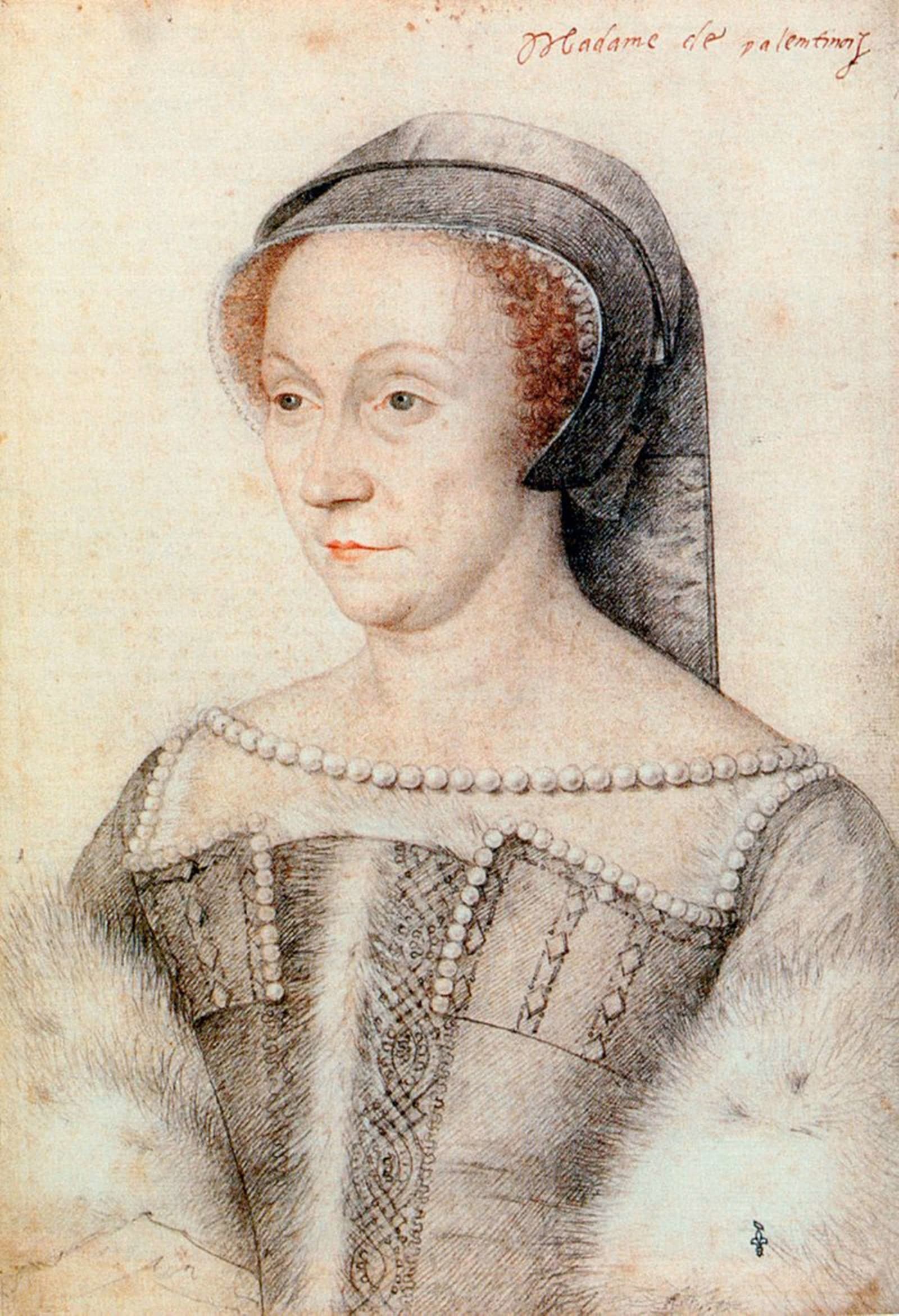
In 1533, Henry married Catherine de’ Medici. The marriage, which produced ten children, was far from happy. Henry was passionately in love with his mistress Diane de Poitiers, who was much older than he but retained enormous influence over him for nearly twenty-five years both as prince and king.
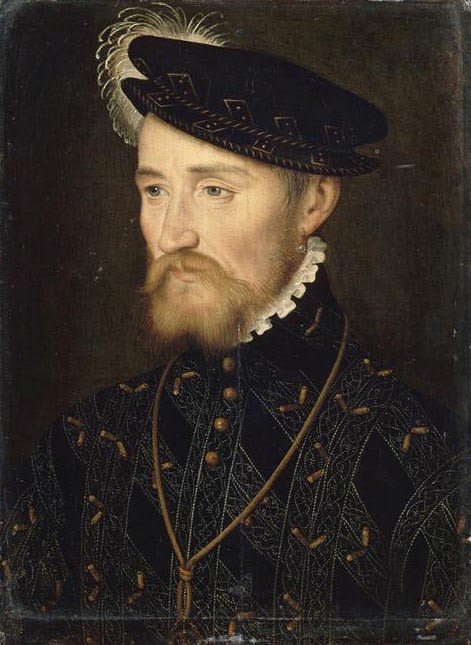
In 1536, after the death of his elder brother, Henry became Dauphin and heir to the throne. In 1542, he commanded the army besieging Perpignan.
After the death of his father, Henry II continued his policies. Domestically, he concentrated on persecuting Protestantism, which was growing in France, acting, as he said, “with fire and sword.”
In foreign affairs, he ended the war with England, regaining Boulogne in 1550, and ceased convening the Estates General, thereby strengthening royal absolutism.
Henry II carried on the rivalry with the Habsburgs. From 1548, his hostility toward Charles V became open.
Forming an alliance with German Protestants, Henry launched a sudden attack on Lorraine, capturing Toul, Verdun, and Metz, which was heroically defended against the imperial siege by Francis, Duke of Guise. In 1554, French forces ravaged Artois and Hainaut.
From 1552, Henry also waged war in Italy, where his marshal Brissac successfully campaigned in Piedmont. A joint Franco-Turkish fleet failed, however, to capture Naples. In 1556, a five-year truce was signed, but the following year, urged by Pope Paul IV, the Duke of Guise invaded southern Italy in a failed attempt to seize Naples.
The least successful operations occurred along the Netherlands frontier. Constable Anne de Montmorency, hurrying to relieve Saint-Quentin, suffered a crushing defeat; much of the French nobility was captured along with him.
Despite this, in 1558, the Duke of Guise redeemed France’s honor by recapturing Calais from the English — a symbolic victory ending two centuries of English presence on French soil and also taking Thionville.
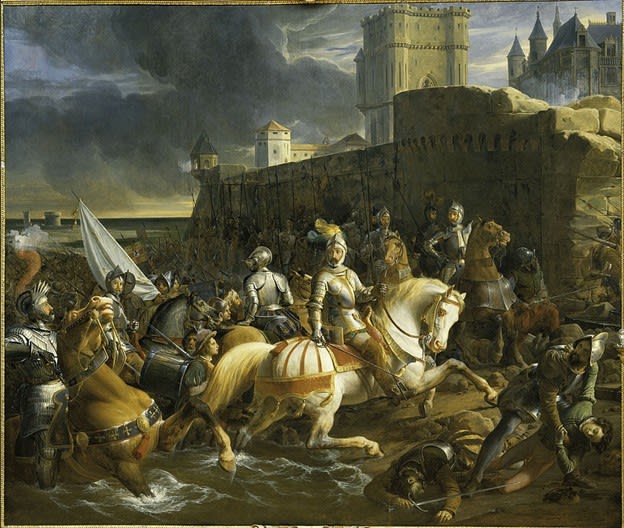
After the defeat at Gravelines, Henry II was forced to sign the Treaty of Cateau-Cambrésis in 1559. By its terms, France returned Piedmont but retained Calais.
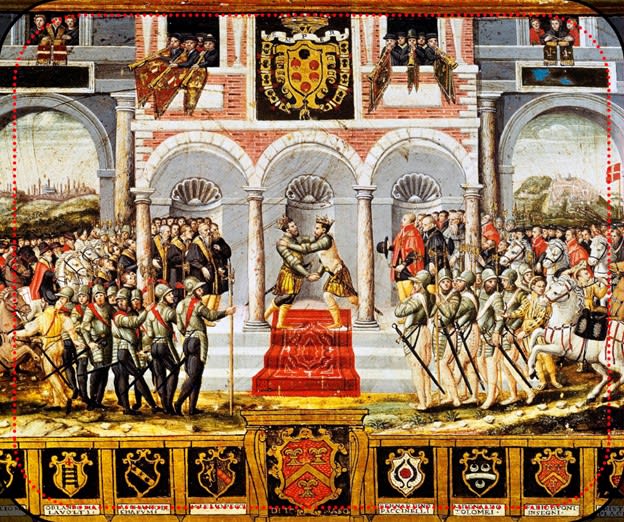
A special clause of the treaty required Henry to persecute the Evangelical Church. To solidify peace, Henry married his eldest daughter Elisabeth of Valois to Philip II of Spain.
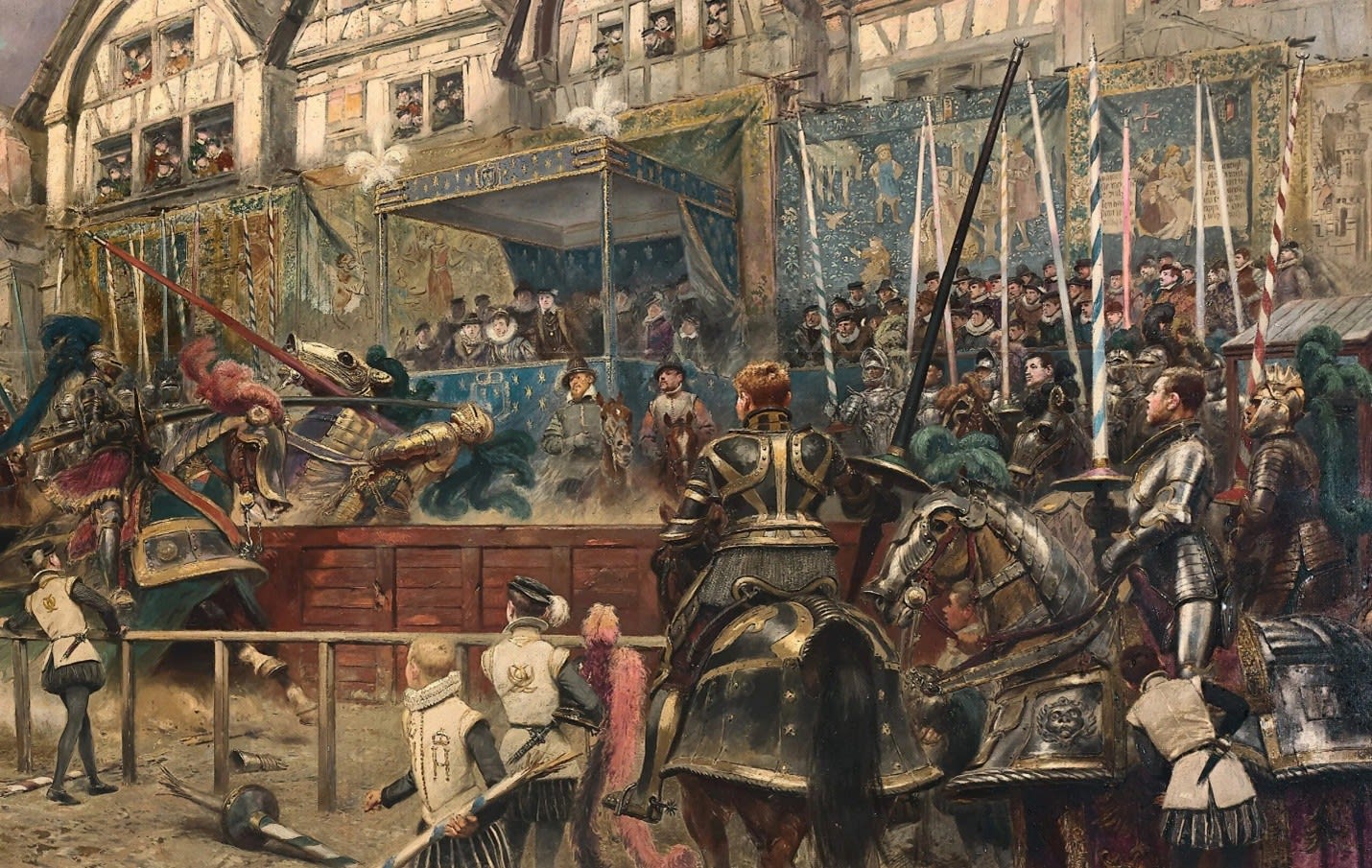
In the summer of 1559, to celebrate both the royal marriage and the new peace, Henry II hosted a grand jousting tournament in Paris.
On June 29 or 30, during a match against Count Gabriel de Montgomery, the king’s opponent’s lance shattered upon impact, and a splinter pierced Henry’s forehead and eye through the opening of his visor.
After ten agonizing days, Henry II died on July 10, 1559, despite the efforts of the greatest physicians of the age, including Ambroise Paré and Andreas Vesalius.
Contrary to his dying wish, he was not allowed to see his beloved Diane de Poitiers one last time.
The tragic death of Henry II ended his reign abruptly and became one of the most dramatic episodes in French history marking the beginning of the Religious Wars that would soon engulf the kingdom.


