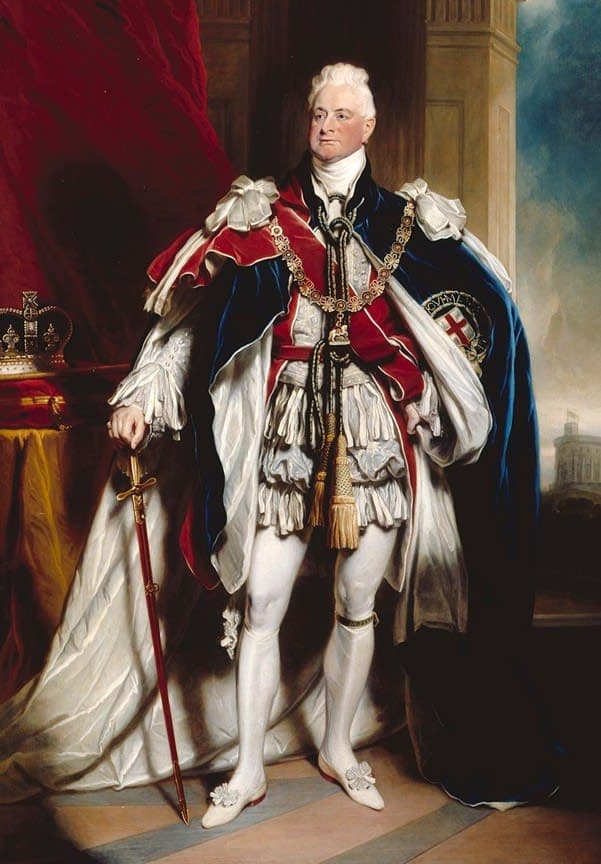
William IV was born on 21 August 1765 at Buckingham House. He was the third son of King George III and Queen Charlotte, and with two elder brothers ahead of him he was not considered an heir to the throne.
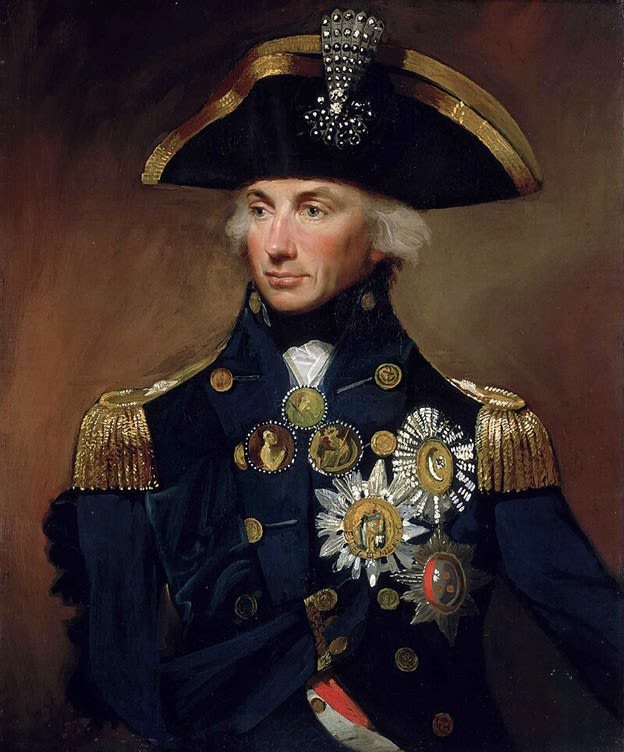
At thirteen, unlike his brothers, William entered the Royal Navy as a midshipman. He served during the American War of Independence and was nearly captured by the American revolutionaries. His naval career advanced quickly: he became a lieutenant in 1785 and a frigate captain in 1786. During these years he served under Horatio Nelson, who held his professional abilities in high regard; the two became close friends.
In 1789 William, eager for a ducal title and a seat in the House of Lords, threatened to stand for the House of Commons. Under pressure, King George III relented, and William was created Duke of Clarence and St Andrews and Earl of Munster.
In 1790 William left naval service. He lived in a long-term, unofficial union with the actress Dorothy Jordan, by whom he had ten illegitimate children.
Throughout his life William held mixed political views. He leaned toward the Whigs, yet opposed the abolition of slavery in the British colonies. He argued that freedom would not benefit the enslaved, claiming from his own observations that free people in Scotland lived worse than slaves in the West Indies. His opinion, grounded in personal experience, carried weight in parliament.
In 1817, after the death of his niece Princess Charlotte, the dynasty’s future seemed in jeopardy. William like his brothers hurried to marry to secure the succession. He chose Princess Adelaide of Saxe-Meiningen. They had two daughters in this marriage, but both died in childhood.
William IV inherited the crown at the age of sixty-five, becoming at that time the oldest person ever to ascend the British throne. His 1831 coronation was modest, a sharp contrast to the lavish ceremony of his elder brother George IV.


William IV’s short reign was marked by major reforms. His governments, led by the Earl Grey and Viscount Melbourne, enacted:
The Reform Act of 1832, which reshaped the electoral system and granted more parliamentary seats to the great industrial towns, the abolition of slavery throughout the British Empire, the democratization of municipal corporations and limits on child labor, a revision of the poor laws. His reign also saw the beginning of Britain’s railway boom.

Late in life William’s relations soured with his niece by marriage, the Dowager Duchess of Kent, mother of Princess Victoria. He publicly declared that he hoped to live until his niece reached her majority so she would not fall under the sway of “bad advisers.” His wish came true: he died on 20 June 1837, just a month after Victoria turned eighteen, making a regency unnecessary.
With William IV’s death, the personal union of Great Britain and Hanover came to an end. Under British law the throne passed to his niece Victoria, daughter of his younger brother Edward. But since Hanover observed Salic law, that crown passed to another brother, Ernest Augustus, Duke of Cumberland.


