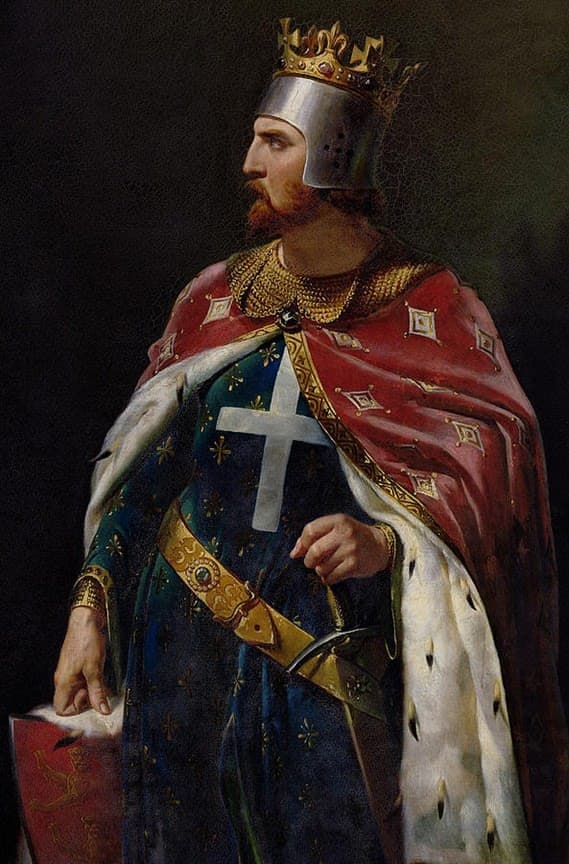
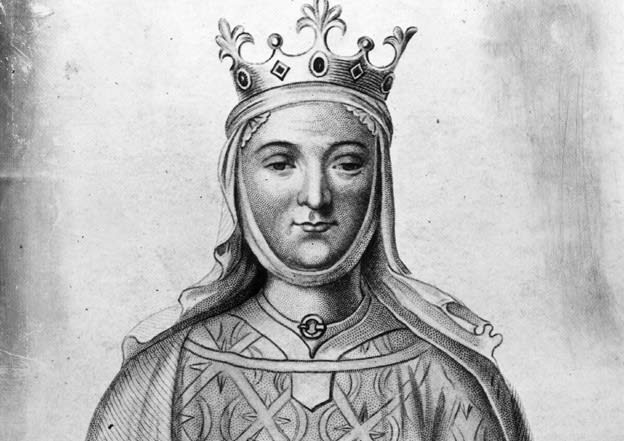
Richard I the Lionheart was born on 8 September 1157 in Oxford. He was the third son of King Henry II and one of the most powerful women of her age, Eleanor of Aquitaine.

From an early age Richard was raised at his mother’s court in Poitiers, where the courtly culture of troubadours and minnesingers flourished. Eleanor ensured he was well educated. He composed verse in French and Occitan, and she proudly called him “my Poitevin.” Tall, fair-haired, and blue-eyed, he was magnetic in appearance, but his chief passion was war. From childhood he showed notable military talent and was famed for his courage.
In 1169 Henry II planned to divide his vast domains among his three sons: the eldest, Henry the Young King, was to receive England, Normandy, and Anjou; Richard was assigned Aquitaine; and Geoffrey was to receive Brittany. That same year a marriage treaty was concluded for Richard with Adèle, daughter of King Louis VII of France, meant to seal peace between England and France.
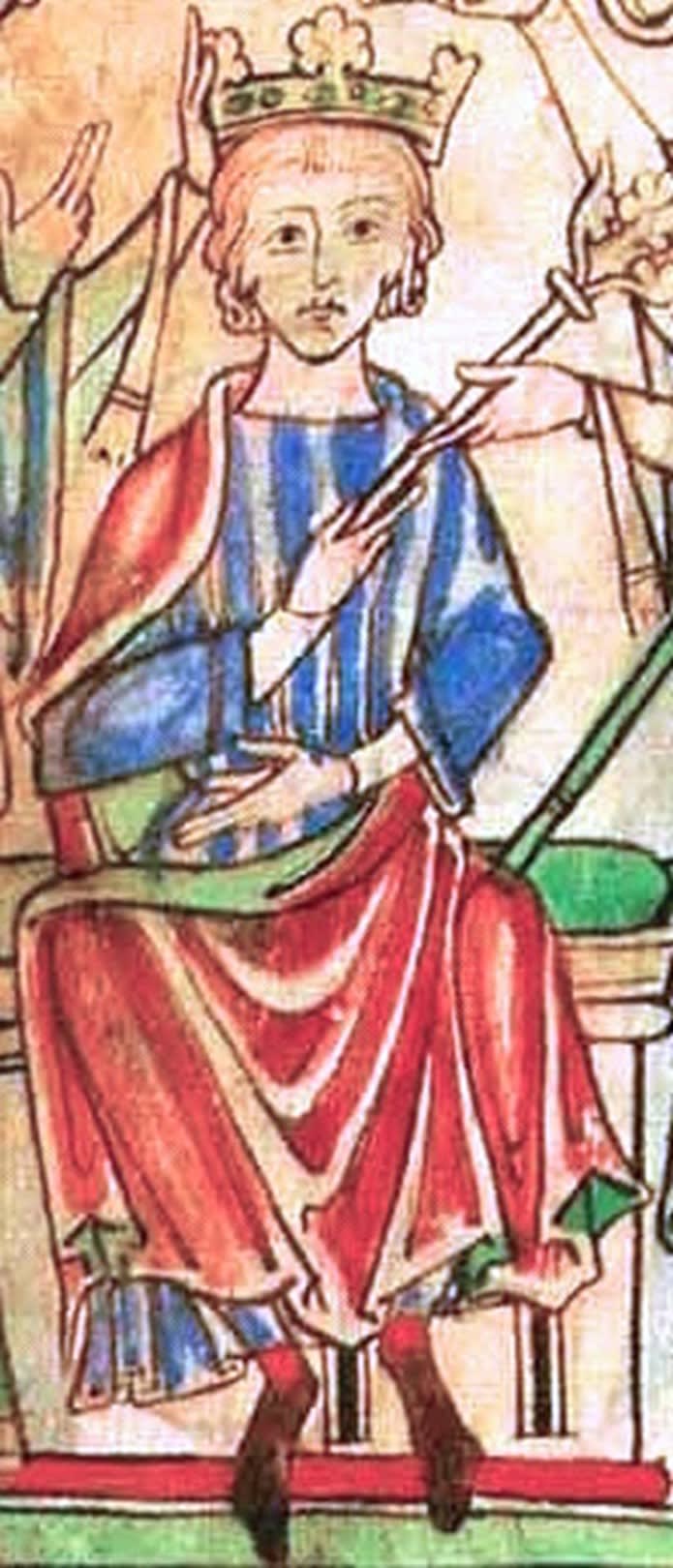
In 1173 Richard, together with his brothers Henry and Geoffrey, joined a rebellion against their father, Henry II. Instigated by the Young King, it quickly spread through the Plantagenet lands. Henry II, acting decisively, defeated his sons’ forces, and their mother, Eleanor, was arrested. Seeing the futility of further resistance, Richard was the first of the brothers to beg his father’s pardon in 1174. Under the settlement, he retained Aquitaine but remained subject to his father.
In the following years Richard proved a gifted commander, subduing rebellious barons in his lands. He also campaigned to protect pilgrims bound for Santiago de Compostela. He was implacable toward robber-barons and punished them harshly.
In 1183, after the death of the Young King, Richard became heir to the English throne. This led to a new clash with his father, who wanted to grant Aquitaine to Richard’s younger brother, John. Richard refused, sparking fresh fighting with his brothers. The situation changed when Geoffrey was killed at a tournament in 1186.
The conflict with King Philip II Augustus of France continued, and Richard increasingly sided with the French king against his own father. On 18 November 1188, at the meeting at Bonmoulins, Richard openly swore homage to Philip for his French lands, breaking with Henry II.
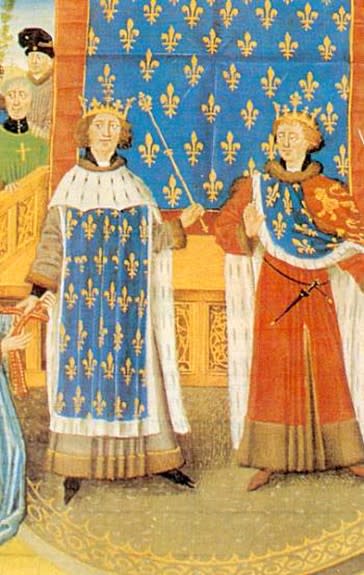
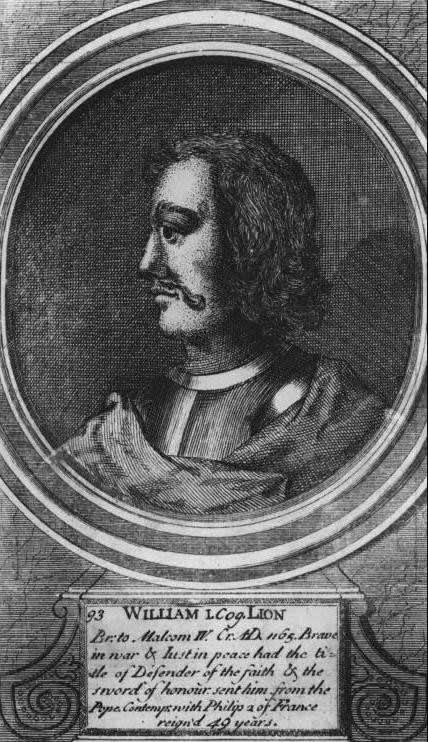
Henry II’s death on 6 July 1189 left Richard grief-stricken. He accompanied his father’s body to Fontevraud, then went to Rouen, where on 20 July he was proclaimed Duke of Normandy.
As king, Richard acted decisively but unpredictably. He freed his mother, Eleanor, who had already taken the reins of government, and made peace with his younger brother John, granting him wide estates. But he refused to reward barons who had betrayed his father. He also released King William I of Scotland from his liege homage for a large payment, securing peace on the northern border.
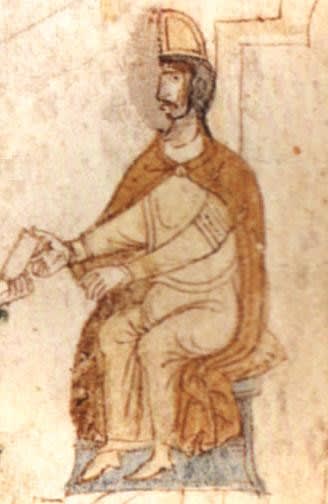
On 3 September 1189 Richard was crowned at Westminster. The ceremony was marred by anti-Jewish pogroms in London that spread to other towns. Richard’s chief objective upon accession was the Third Crusade. To raise funds he began selling offices, castles, and even entire towns. By his own admission, he would have sold London itself had he found a buyer.
On 11 December 1189 Richard departed for Normandy, where he met Philip Augustus. They agreed to prosecute the crusade together.
On 1 July 1190 Richard and Philip set out. Their armies by some estimates tens of thousands split: Richard went by sea to Messina, where Philip had already arrived.
In Messina Richard clashed with King Tancred I of Sicily, who was unlawfully holding Richard’s sister, Joan. Richard stormed the city and forced Tancred to make peace, winning compensation for Joan. This episode soured relations with Philip, already jealous of Richard’s military success.
On 30 March 1191 Richard’s new bride, Berengaria of Navarre, reached Messina. They married on 12 May on Cyprus. Richard had seized the island from its ruler Isaac Komnenos; Cyprus became a key forward base for the crusaders.
On 8 June 1191 Richard arrived at Acre, which the crusaders had besieged for two years. Thanks to his arrival and reinforcements, Acre fell on 12 July. Richard and Philip concluded terms with Saladin, but when Saladin failed to carry them out, Richard ordered the execution of 2,700 Muslim prisoners.

Soon after Acre’s fall, Philip departed the Holy Land, leaving Richard sole leader of the crusaders. Richard pressed on, aiming to take Ascalon and then Jerusalem.
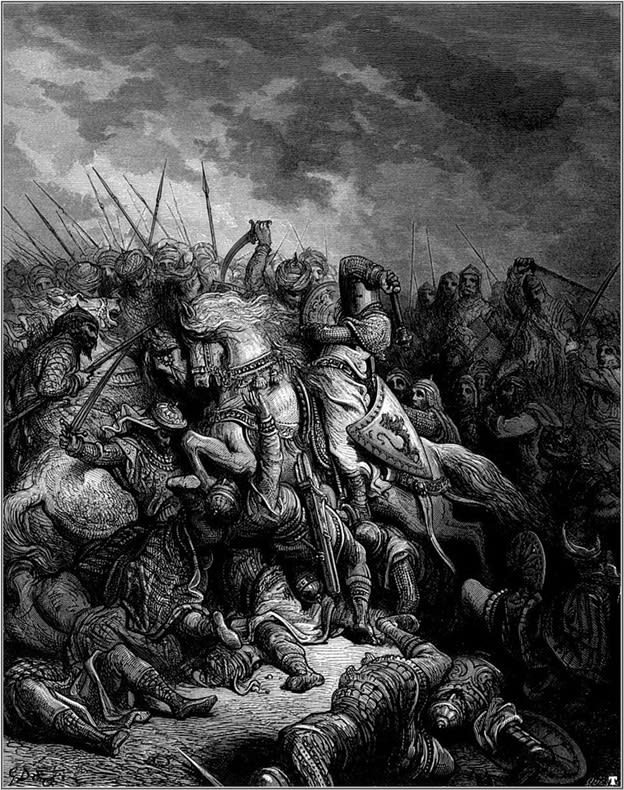
Leaving Acre, on 22 August 1191 Richard led the crusader army south along the coast. Saladin’s forces harried them constantly, but Richard maneuvered skillfully, avoiding a decisive clash on unfavorable terms. On 7 September 1191, at the Battle of Arsuf, he dealt Saladin’s army a crushing defeat.
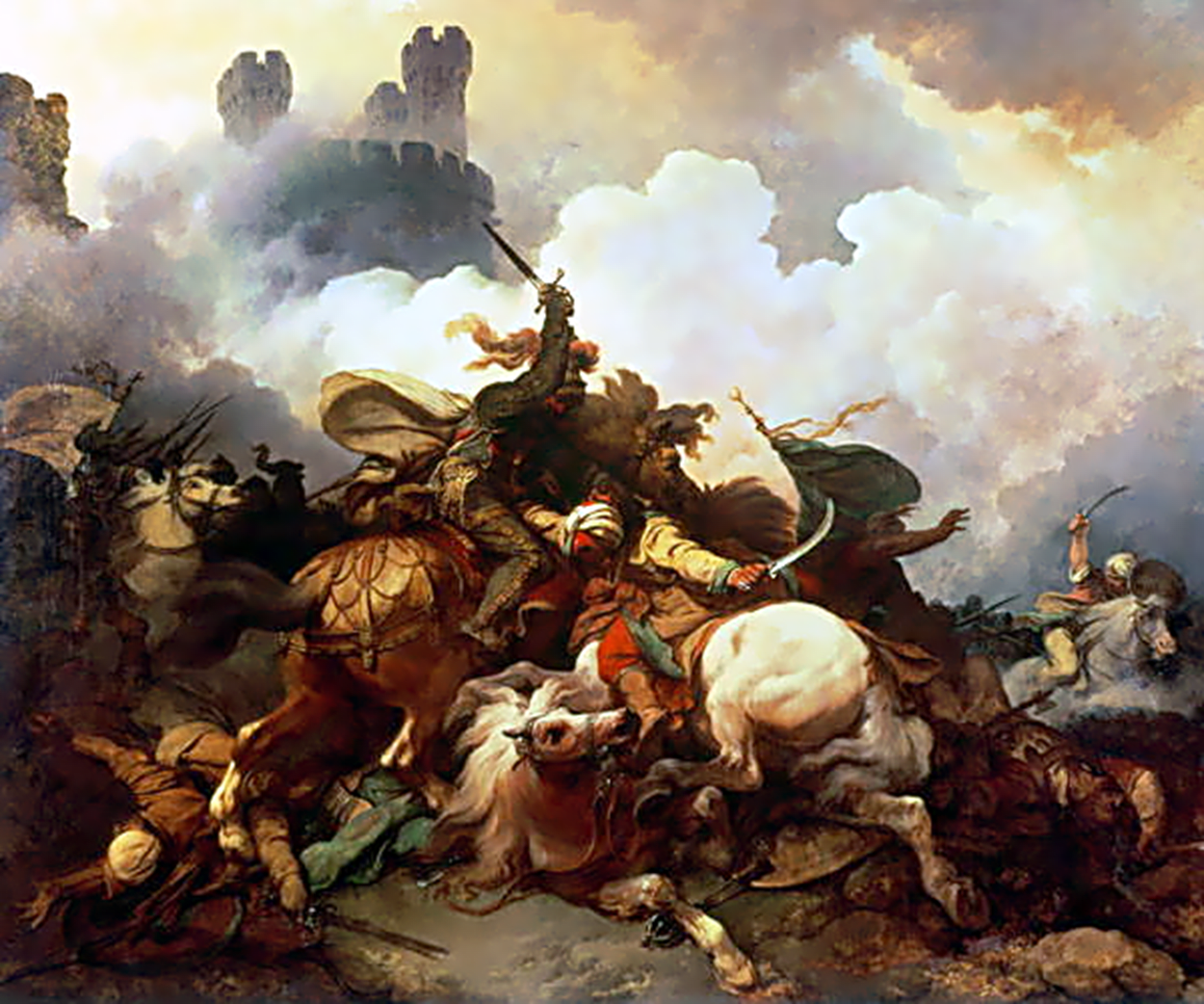
The king himself, chroniclers say, displayed astonishing bravery, fighting in the thickest press and hewing a path through the Saracens. The victory lifted crusader morale and cast Saladin into despondency. Saladin countered by a scorched-earth policy, destroying everything in Richard’s path.
In late October Richard marched toward his main objective, Jerusalem. The crusaders reached Bayt Nuba, just 12 miles from the Holy City. Richard made the painful decision not to assault it. The Muslims had felled all nearby trees, depriving the crusaders of timber for siege engines; Saladin’s army hovered close by; and, crucially, native-born crusader knights argued that even if Jerusalem were taken it could not be held, since most crusaders would go home once their vows were fulfilled.
Even so, Richard continued negotiating with Saladin and his brother al-Malik al-ʿĀdil. These contacts angered many crusaders, but Richard was prepared to pursue any path that might bring peace.
In the summer of 1192 Richard made a second, firmer advance on Jerusalem, but again halted at Bayt Nuba. He wavered, fearing a failed assault would stain his honor. The council decided to withdraw without battle, which sapped the army’s morale.
In August 1192 Saladin launched a surprise attack on Jaffa. Richard sailed to the town’s aid at once. Landing from ships, his men retook the city from the Saracens. In the ensuing Battle of Jaffa Richard again showed himself a superb commander. Inspired by his courage, al-Malik al-ʿĀdil even sent Richard two horses in the midst of the fight so the king could continue the battle mounted.
On 2 September 1192 the Treaty of Jaffa was concluded. Richard secured free access for Christians to Jerusalem’s holy places, and Saladin recognized crusader control of the coast from Tyre to Jaffa. Richard himself refused to visit Jerusalem, feeling guilty that he had not wrested it from the enemy. Even so, his gains preserved a Christian kingdom in the Holy Land for another century.
It was time for Richard to return home, where conflict was brewing between his brother John and his appointed chancellor William de Longchamp.
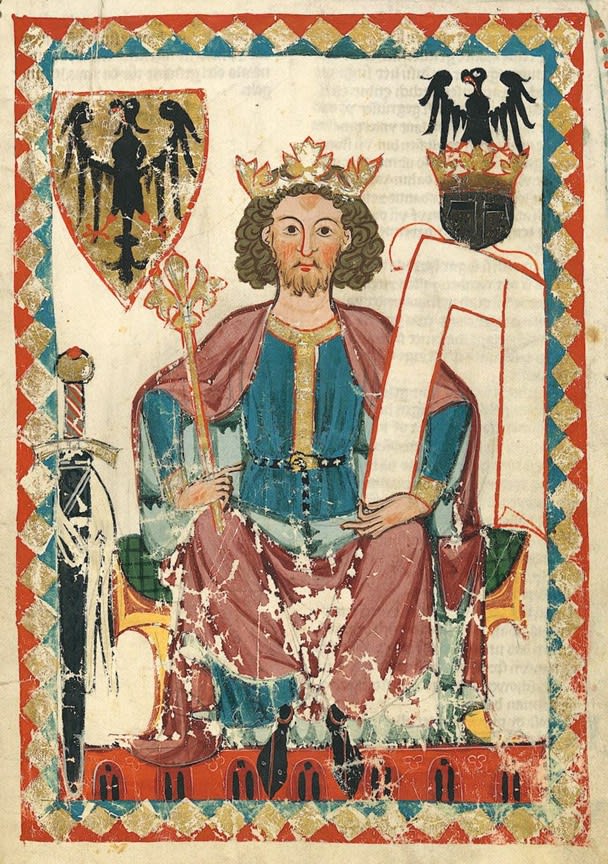
Returning from Palestine, Richard, wary of the French king’s hostility, chose to travel incognito overland. In December 1192, near Vienna, he was seized by the knight George Roppelt, a vassal of Leopold V, Duke of Austria. Bearing a grudge for an insult at Acre, Leopold handed his prisoner to Emperor Henry VI.
The emperor accused Richard of intrigues, of complicity in the murder of Conrad of Montferrat, and other crimes. Brought before a tribunal, Richard denied all charges, and his eloquence so impressed even the emperor that Henry warmed to him.
An enormous ransom of 150,000 marks was set for the king’s release. England levied a special tax, and his mother, Eleanor of Aquitaine, organized the collection. On 2 February 1194 Richard was freed, but compelled to swear fealty to Henry VI.
Hearing of his release, Philip II Augustus who had exploited Richard’s absence to seize his French lands wrote to John Lackland: “Beware. The Devil is loose.”
On 13 March 1194 Richard returned to England in triumph. He swiftly crushed John’s supporters and, on 17 April, was crowned a second time at Winchester. To refill the treasury he legalized tournaments, charging entrants a fee.
On 12 May he left England forever to focus on recovering his French domains from Philip II. At the Battle of Fréteval Richard won a brilliant victory, nearly capturing the French king.
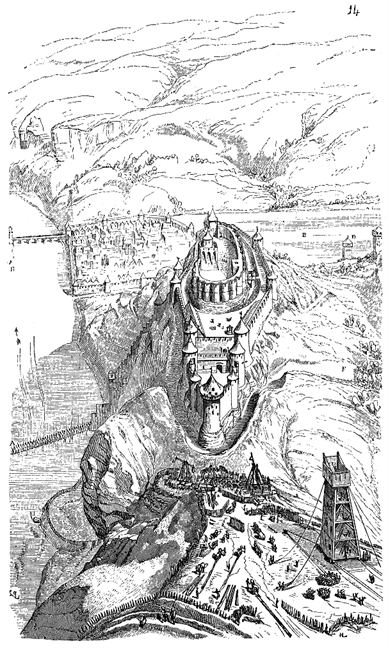
In 1196–1198 Richard built the seemingly impregnable Château Gaillard in Normandy, his chief bastion against Philip. The war seesawed until a five-year truce was concluded on 13 January 1199.
On 26 March 1199, while besieging Châlus-Chabrol, Richard was wounded by a crossbow bolt. The wound proved fatal, and on 6 April he died of blood poisoning in his mother’s arms.
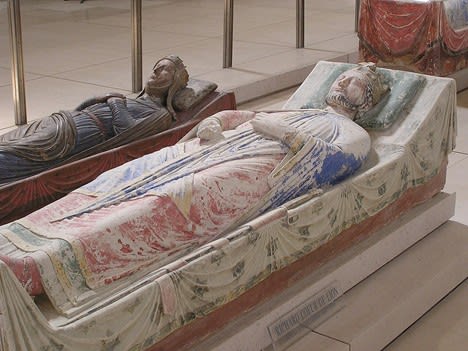
He was buried at Fontevraud Abbey beside his father; his heart, as a symbol of his valor, was embalmed and interred at Rouen.