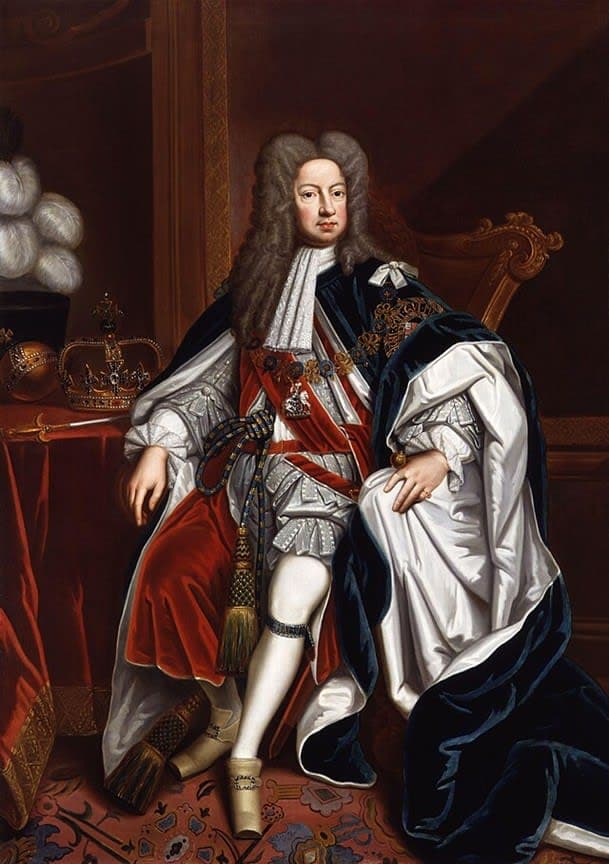
George I was born on 28 May 1660 in Hanover, in the Holy Roman Empire. He was the son of Ernest Augustus, the first Elector of Brunswick, and Sophia of Hanover. His claim to the British crown was indirect: his mother, Sophia, was a granddaughter of King James I, and under the Act of Settlement of 1701 only Protestants could inherit the throne. Since by the time Queen Anne died in 1714 Sophia had already passed away, George became the nearest Protestant heir of the Stuart line.
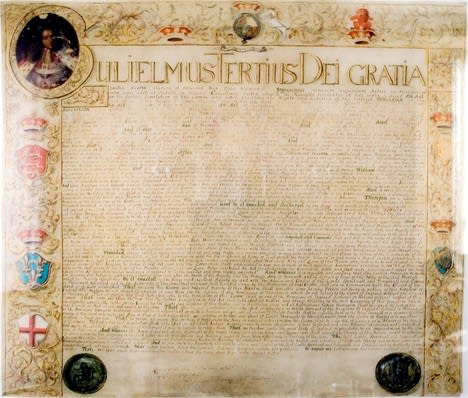
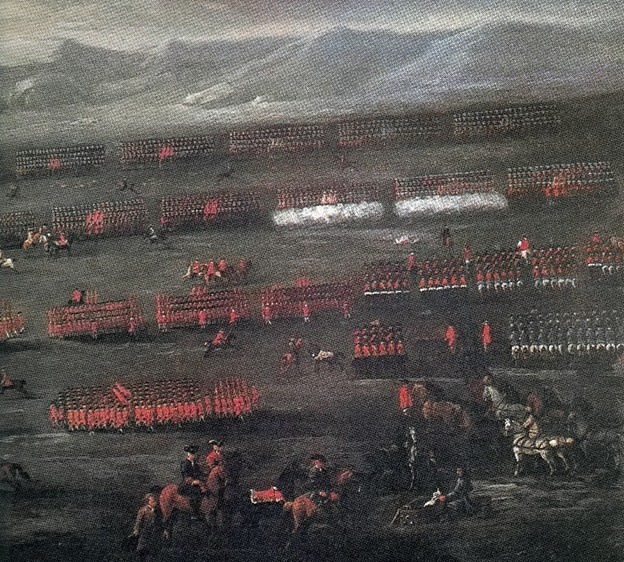
In 1682 George married his cousin Sophia Dorothea of Celle, with whom he had two children, but the marriage was unhappy and ended in separation in 1687. In 1698 George inherited the Electorate of Brunswick. At his court worked such great minds as the philosopher Gottfried Wilhelm Leibniz and the composer George Frideric Handel.
After Queen Anne’s death on 1 August 1714, George initially reluctant to accept the British crown was persuaded by his advisers and arrived in London on 18 September to be crowned.
In 1715 a Jacobite rising broke out in England in support of James Stuart, the Catholic brother of the late Queen Anne. Although the ruling elite disliked the “German” king, they feared a Catholic restoration and therefore backed George. The revolt was quickly suppressed.

Fearing that the Stuart dynasty would continue to press its claims, George I took decisive measures. When James’s fiancée, Maria Clementina, set out for their wedding, he arranged for her arrest to prevent the appearance of new claimants to the throne.
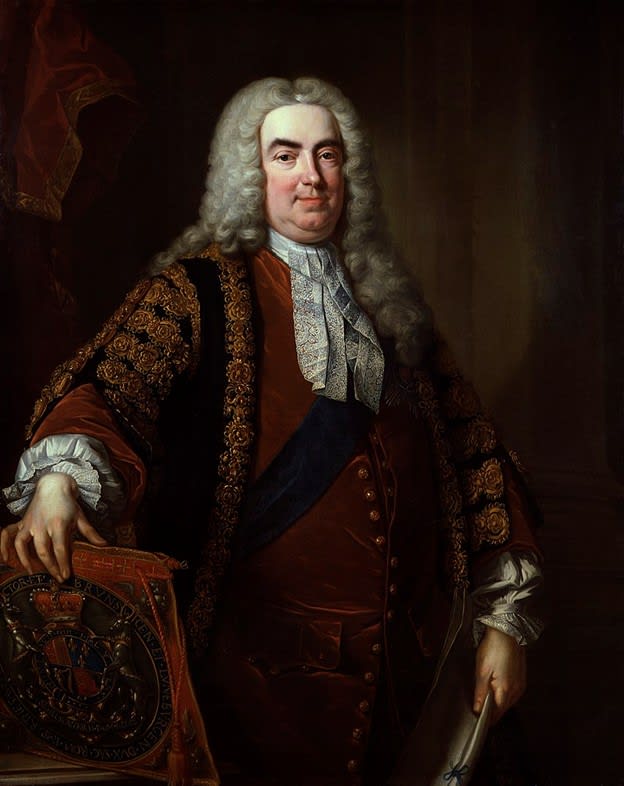
George I disliked Britain and took little interest in its politics. He handed much of his authority to his cabinet, which from 1721 was led by Robert Walpole. Walpole often considered Britain’s first prime minister became the most powerful figure of the age. This marked the beginning of a system of parliamentary government in which real power rests with the cabinet rather than the monarch.

George I’s foreign policy aimed at containing Spain. In 1717 he took an active part in forming the Triple Alliance with France and the Netherlands. He increasingly visited his native Germany, which was closer to him than England.
George I died in 1727 during one of his trips to Hanover. He was succeeded by his elder son, George II. Despite a long-standing view of his supposed dullness, George I was an educated man who knew several languages. He simply disliked England and preferred to shun publicity, which earned him a reputation as a distant and rather boring monarch.


