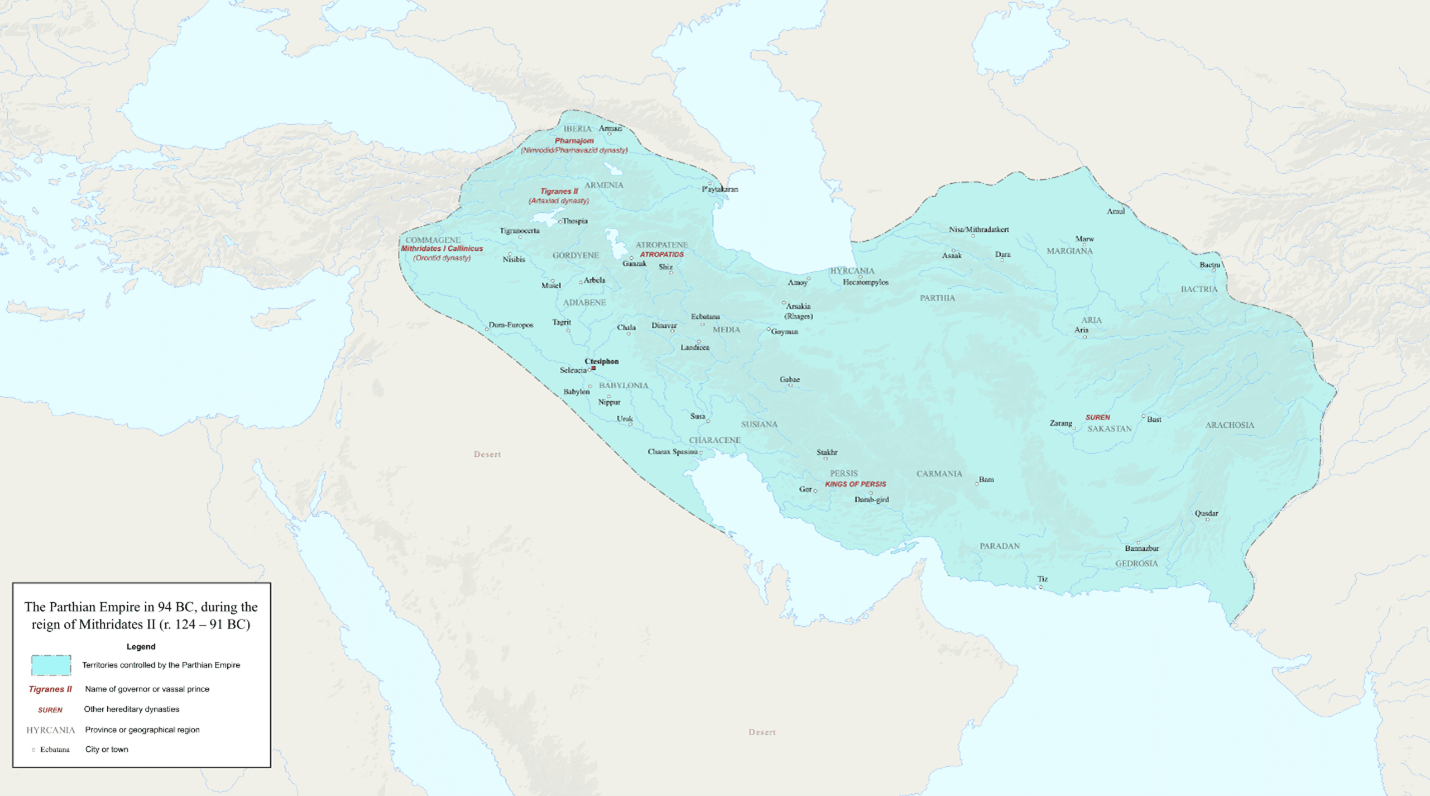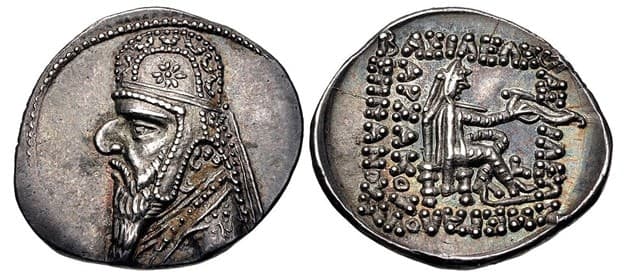
The accession of Mithridates II to the throne (c. 124–123 BCE) occurred at the darkest hour for the Arsacid dynasty. The legacy left to him by his father Artabanus I consisted of the ruins of a once-great power. The state was in a condition of complete anarchy, torn apart by external and internal enemies.
The map of Parthia at that time resembled a patchwork quilt. In the east the Saka nomads dominated, having destroyed two previous kings and seized vast Iranian territories. In the west the richest provinces — Elymais and Persis — had broken away from central authority. In Lower Mesopotamia an independent kingdom of Characene flourished, controlling even sacred Babylon. Meanwhile, the Arsacid governor Himerus, appointed to guard the western frontiers, proclaimed himself king, becoming a tyrant of Babylon and Seleucia. From the north, the Armenian king Artavasdes I also began to encroach upon the weakened lion. It seemed that Parthia’s days were numbered.
Mithridates II began his reign with a pragmatic but humiliating step — he bought peace with the Saka by agreeing to pay tribute. But this was merely a stratagem to gain time. The king understood that the old tactic of light cavalry no longer worked against the massive hordes of the steppe.
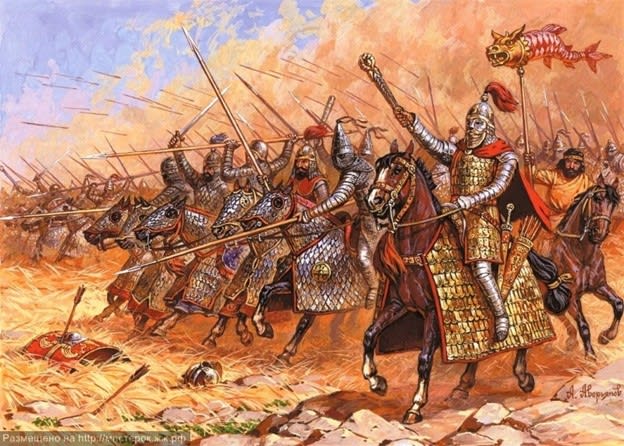
Mithridates carried out a grand military reform. He created heavy cavalry (cataphracts) — riders armored from head to toe, capable of shattering any formation.
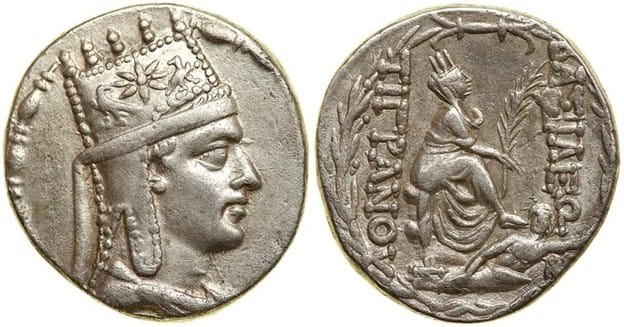
When the army was ready, Mithridates struck. The war was brutal, but the renewed Parthian forces succeeded in diverting the axis of nomadic migration. The Saka were pushed south into ancient Drangiana (around Lake Hamun) and Arachosia. These lands thereafter received the name Sakastan (modern Sistan). The Parthians did not merely defeat them — they integrated their former enemies. Saka chieftains attained high rank at court, receiving the privilege (surena) of placing the diadem on the heads of Parthian kings.
By 115 BCE, according to several scholars, Mithridates had extended his dominion to the Amu Darya, capturing the oasis of Merv. A series of coins bearing the inscription “ΚΑΤΑΣΤΡΑΤΕΙΑ” (“on campaign”) commemorated this triumph.
Having secured his rear, the “Great King” turned west. His targets were the rebellious satraps. Around 121–120 BCE he crushed Hyspaosines, ruler of Characene. Bronze coins of Hyspaosines bearing the name of Mithridates serve as irrefutable proof that Characene acknowledged vassal status.
The fate of the tyrant Himerus remains unknown, but he likely perished in the crucible of this war or was eliminated by Mithridates himself. Babylonia once again became the jewel of the Parthian crown, and the empire’s frontier ran along the Euphrates.
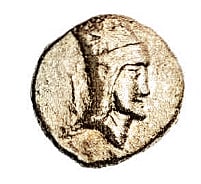
The next step was strengthening the northern frontier. Armenia, occupying a strategic position, was too dangerous to leave independent. Mithridates defeated the Armenian king Artavasdes and took hostage his nephew (or son) — the future Tigranes the Great.
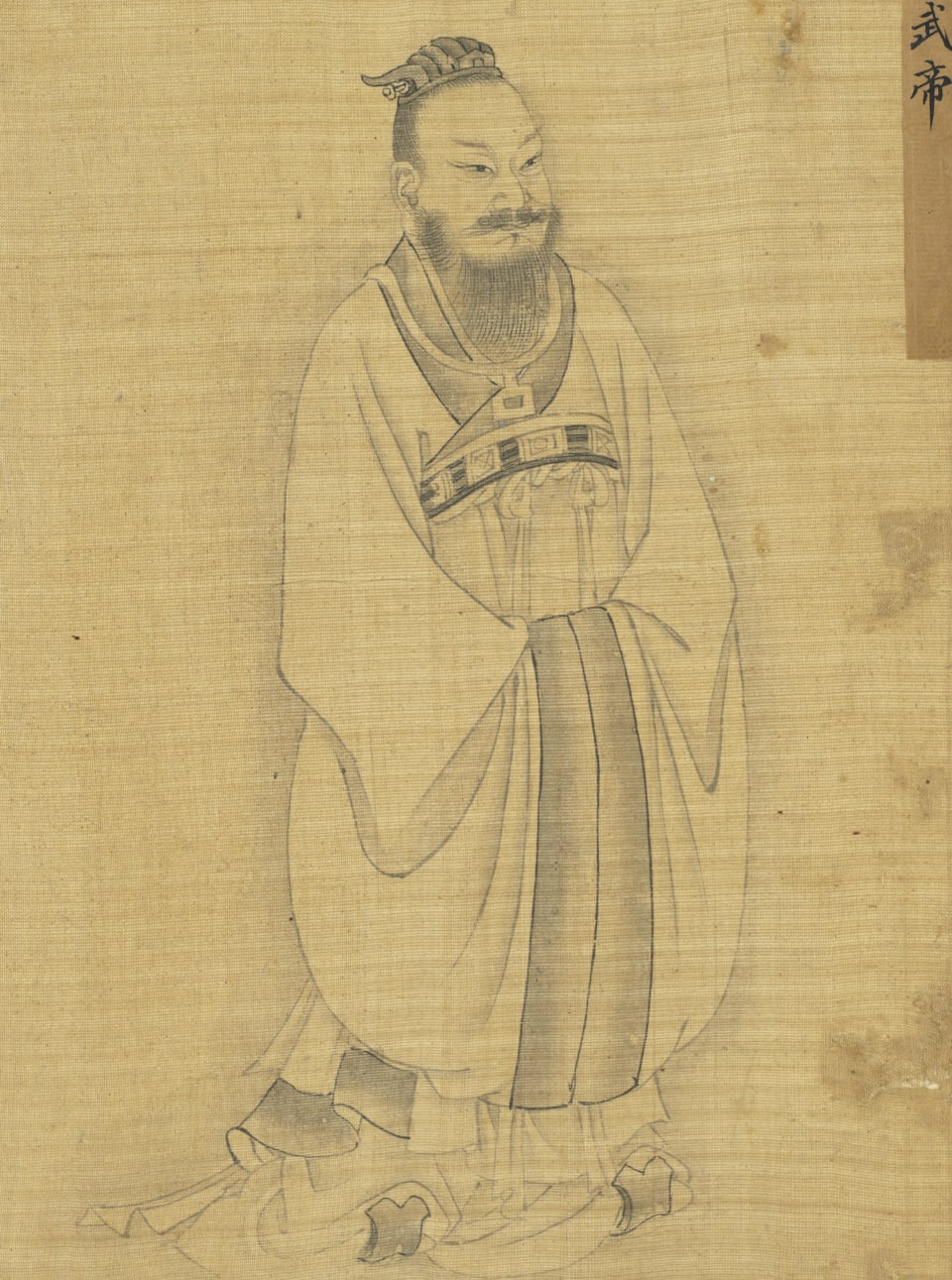
Prince Tigranes spent many years at the Parthian court, learning politics and military affairs. Around 94 BCE, after the death of the Armenian king, Mithridates II placed his protégé on the Armenian throne. The price of the crown was high: Tigranes ceded the disputed “Seventy Valleys” in Atropatene to Parthia. To cement the alliance, Mithridates married Tigranes’ daughter Ariasate (nicknamed Automa), making her one of his principal queens.
The reign of Mithridates II marked Parthia’s emergence onto the world stage.
Contact with China: Emperor Wu-di, seeking allies and trade routes, sent an embassy. Mithridates received the Chinese with unprecedented splendor. Thus Parthia became a key link of the Great Silk Road, controlling trade from the borders of Rome to China and obtaining enormous revenues.
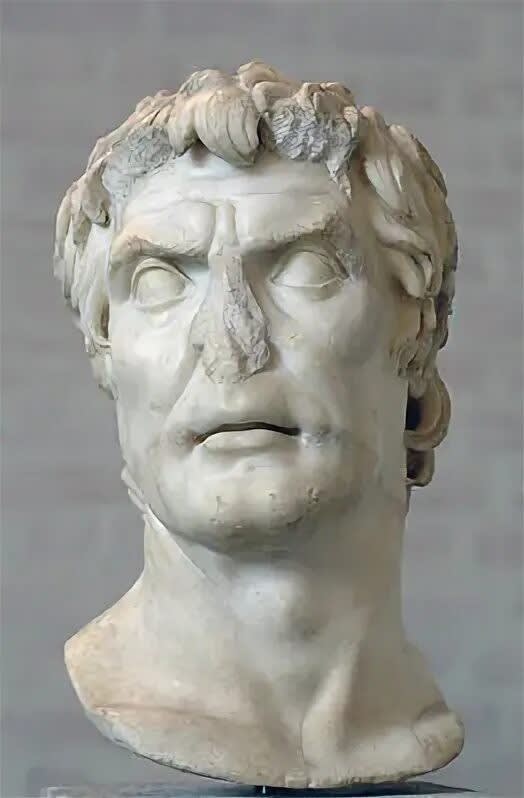
Contact with Rome: In 92 BCE, on the banks of the Euphrates, two civilizations met. The Parthian envoy Orobazus negotiated with the Roman commander Sulla. Although no formal alliance was concluded, the event foreshadowed future great wars. (The unfortunate Orobazus was later executed by Mithridates for allowing Sulla to occupy the more honorable seat during negotiations — prestige for the king was dearer than the life of a servant.)
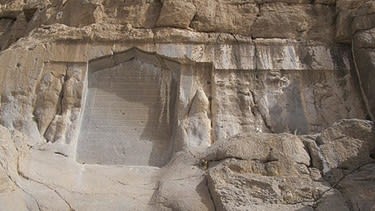
Mithridates II was the first consciously to revive the imperial grandeur of ancient Persia. He officially adopted the title “Shahanshah” (King of Kings) — šar šarrāni — claiming the legacy of Cyrus and Darius.
This title appeared on coins and reliefs (for example, the famous but now damaged relief at Behistun). At the same time, as a wise politician, he retained the titles “Epiphanes” (Manifest God) and “Philhellene” (Friend of the Greeks), supporting Greek culture and ensuring the loyalty of Hellenistic cities.
The final years of the great ruler were overshadowed by betrayal. The vast empire required delegation of authority, and this proved to be the king’s undoing.
In 91 BCE, while the aging Mithridates was in the east, his ambitious governor (“satrap of satraps”) and possibly his son — Gotarzes I — launched a revolt in Babylonia, proclaiming himself king. At the same time (91–90 BCE), his former protégé and son-in-law, Tigranes II of Armenia, sensing the suzerain’s weakness, struck from behind. The Armenians not only reclaimed the “Seventy Valleys” but also invaded Atropatene, burned the summer residence at Ecbatana, and stripped Mithridates of the title “King of Kings.”
Mithridates II, creator of the empire, died around 88–87 BCE (the last mention concerns the delivery to him of the captured Demetrius III). He departed leaving Parthia great, yet once again descending into turmoil — turmoil that he himself had inadvertently fostered by raising overly powerful enemies and overly ambitious vassals.