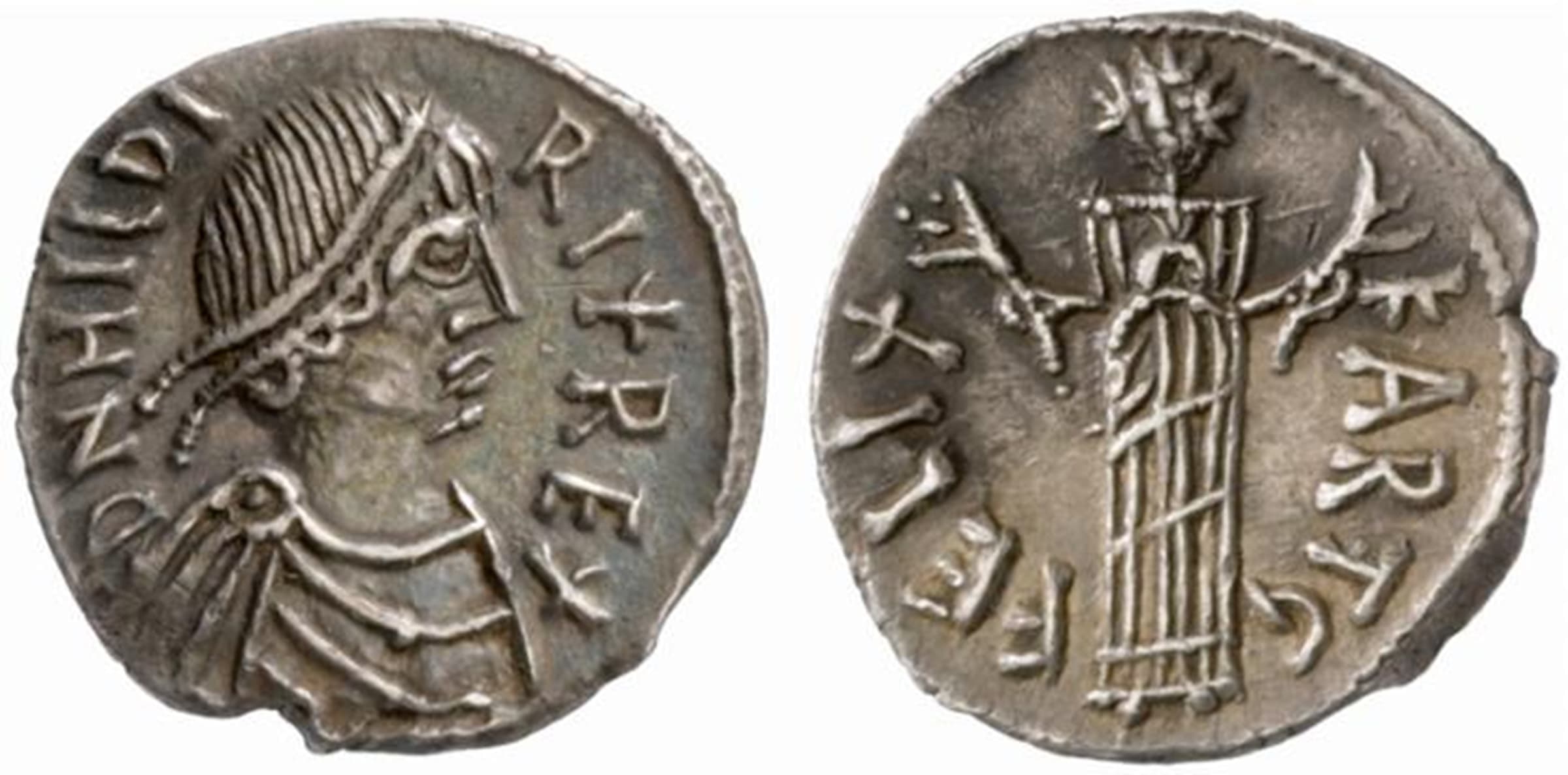
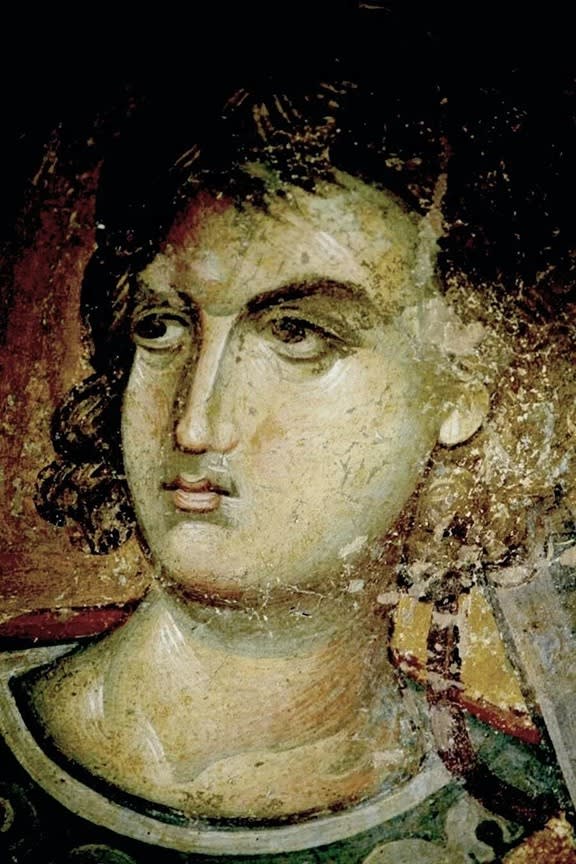
The historical path of the Vandal king Hilderic represents one of the most dramatic and decisive chapters in the history of North Africa during Late Antiquity. Having ascended the throne of a powerful but internally divided Vandal Kingdom, he attempted to radically change its political course — a decision that ultimately led both himself and the entire kingdom toward a fatal conclusion.
According to the prominent Byzantine historian Procopius of Caesarea, Hilderic’s personality stood in striking contrast to the traditional image of a stern Germanic warrior-chief. Procopius described him as a ruler who was remarkably approachable to his subjects and distinguished by extraordinary gentleness and love of peace.
Unlike his predecessors, Hilderic abandoned the policy of religious oppression: he persecuted neither orthodox Christians nor followers of other faiths. Yet this mildness also had its darker side. In military affairs the king was openly weak, and he possessed such a profound aversion to violence that, according to contemporary accounts, he did not even wish to hear conversations about war.
Because of this overwhelming dislike of military affairs, command of the army fell upon his nephew Hoamer, a man highly skilled in warfare who effectively became the sword of the Vandal Kingdom in all of its military campaigns.
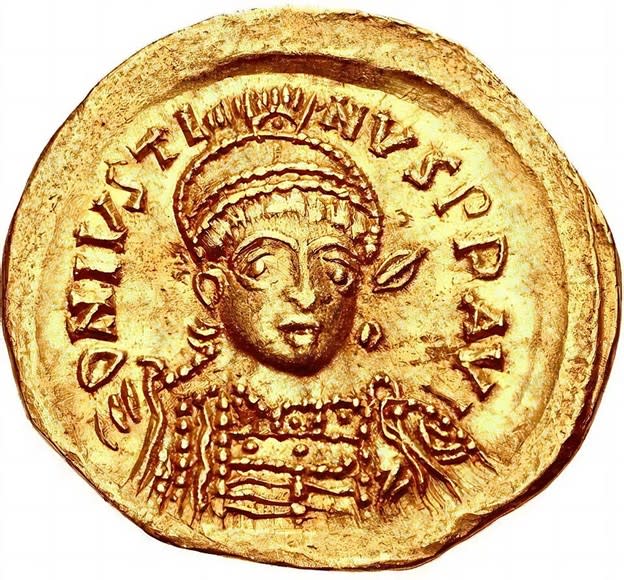
Aware of his military vulnerability, Hilderic placed his hopes on diplomacy. His upbringing probably played a role in leading the monarch to seek security not in the military strength of his fellow Vandals, but in establishing close, almost allied relations with the Byzantine court.
In order to secure the support of Constantinople, he made unprecedented concessions to the Church that adhered to the Chalcedonian creed. Demonstrating his intentions even before formally ascending the throne, Hilderic ordered the return of Chalcedonian bishops from harsh exile and issued instructions that all vacant orthodox episcopal sees be filled without delay.
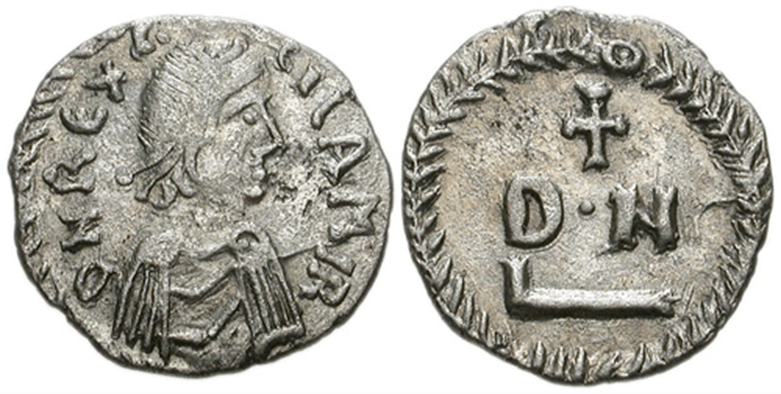
The geopolitical turn toward Byzantium was also emphasized by several remarkably bold symbolic gestures. Significantly, portraits of the Byzantine emperor Justin I began to appear on certain Vandal coins of the period. For an independent kingdom, this was an unprecedented act, openly symbolizing Carthage’s recognition of political dependence upon Constantinople.
The true architect of this alliance on the imperial side, however, was the emperor’s nephew, Justinian. Justinian’s uncle, Emperor Justin I, was already advanced in age and showed relatively little interest in the finer details of government. Consequently, Justinian, even before formally receiving the imperial crown, exercised enormous influence over the administration of the Byzantine Empire.
According to Procopius of Caesarea, Hilderic and Justinian were bound by an exceptionally close personal friendship, and as a sign of this relationship the two rulers regularly exchanged extraordinarily valuable gifts.
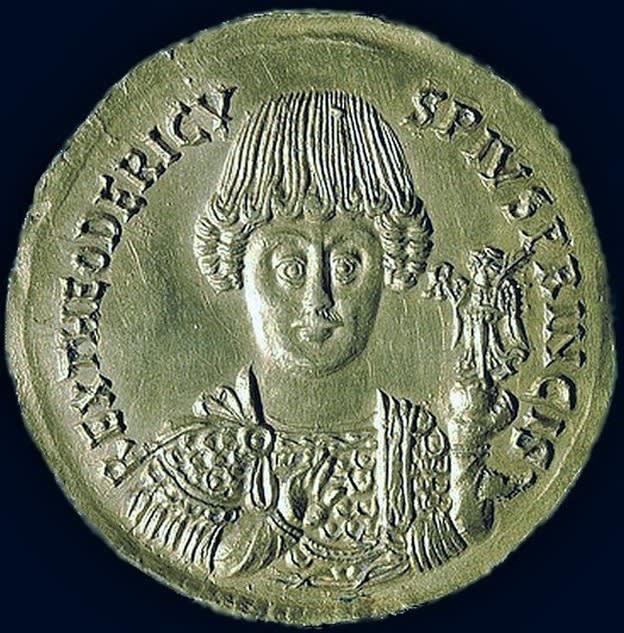
Hilderic’s pro-Byzantine and pacifist policy, however, encountered fierce opposition within Carthage itself. The most prominent voice of the opposition was the dowager queen Amalafrida, widow of the late King Thrasamund and sister of the powerful Ostrogothic ruler Theodoric the Great.
She strongly opposed Hilderic’s new political course, regarding it as a betrayal of the old ideals of the kingdom and a threat to the Arian elite. The conflict eventually entered an open phase. Amalafrida was accused of plotting a coup and was executed. The noble Ostrogothic entourage that had accompanied her suffered the same brutal fate — all were ruthlessly massacred.
News of his sister’s execution enraged Theodoric the Great. The ruler of Italy immediately began large-scale preparations for a punitive expedition against Carthage. An enormous effort was undertaken: within a remarkably short period, the Ostrogoths constructed a vast war fleet numbering no fewer than one thousand ships.
The armada was supposed to leave the Italian coast and descend upon the Vandals on 13 June 526. Hilderic’s kingdom stood on the very edge of destruction, but chance intervened.
Theodoric unexpectedly fell gravely ill and died soon afterward, on 30 August 526, never having had the opportunity to avenge Amalafrida’s death.
Although the danger from the north had passed, dark clouds were gathering along the southern frontier. Taking advantage of the king’s pacifism and the weakening of the Vandal army, the local Berber tribes, or Mauri, began consolidating their forces.
They launched an offensive and inflicted severe defeats upon the Vandals in a series of fierce battles. Hilderic’s army suffered an especially devastating blow in Byzacena at the hands of the Mauri led by the chieftain Antalas.
This military disaster had far-reaching consequences. For a time, entire provinces of the once-formidable Vandal state fell completely under Berber control.
The military failures in the south and Hilderic’s blatant submission to Byzantium finally exhausted the patience of the Vandal aristocracy.
In 530, a powerful faction within the royal family openly moved against the king. At the head of the conspiracy stood Gelimer, Hilderic’s second cousin once removed and a member of the noble dynasty descended from the founder of the kingdom, Geiseric.
An ambitious and determined man, Gelimer successfully won the military elite to his side. His arguments proved compelling to the proud Vandal warriors. He persuaded the aristocracy to strip Hilderic of power by portraying him as an unwarlike and weak king who had not only suffered humiliating defeats at the hands of the Moorish tribes, but was also coldly sacrificing the kingdom’s national interests in order to please the Byzantine emperor.
The coup unfolded rapidly. The rebels seized Hilderic, his loyal commander and nephew Hoamer, and the king’s brother Euagees, after which all three were thrown into the dark dungeons of a Carthaginian prison.
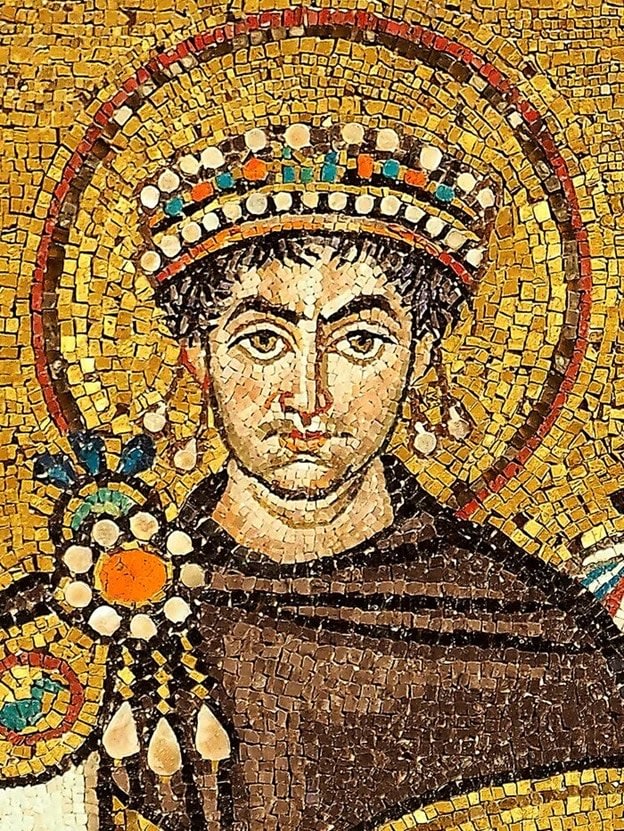
When Emperor Justinian I learned that his close friend had been overthrown, he launched a series of persistent diplomatic efforts to secure the release of the legitimate king. His demands, however, achieved nothing.
Indeed, Byzantine intervention only angered the usurper further. Gelimer responded to Justinian’s diplomatic protests by ordering that the high-ranking prisoners be placed under even stricter guard.
The final act of this historical drama came in 533.
Justinian I, now fully committed to his imperial ambitions, dispatched a powerful expeditionary force to North Africa. The official justification for this enormous military campaign was precisely the overthrow of the legitimate king Hilderic by the usurper Gelimer and the need to free him from imprisonment.
Realizing that the Byzantine army was coming to rescue the deposed monarch, and wishing to deprive the empire of its most important political argument, Gelimer issued a ruthless order to his brother Ammatas: Hilderic was to be killed.
Thus ended the life of King Hilderic in tragedy. His reign had lasted exactly seven years and three months.
His pursuit of peace, religious tolerance, and diplomatic alliances ultimately shattered against the harsh political realities of the age, becoming the prelude to the final collapse of the entire Kingdom of the Vandals and Alans.


