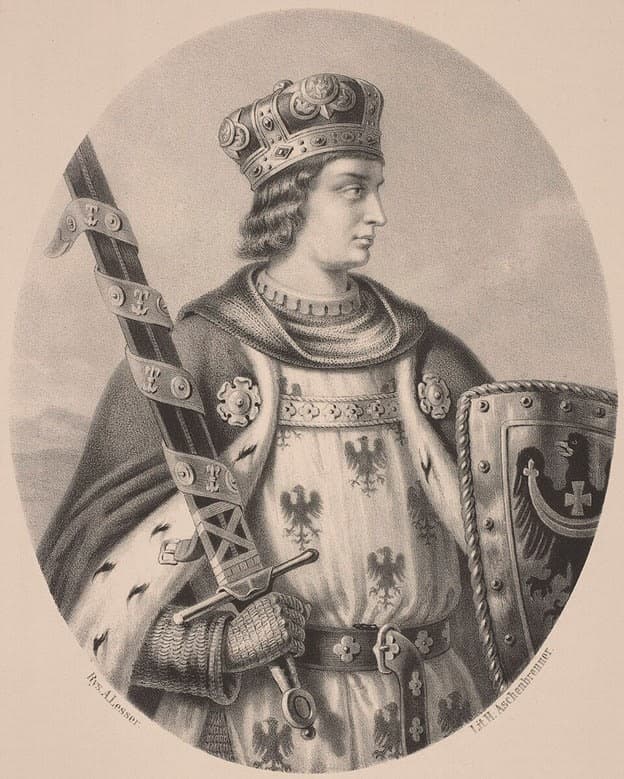
Henry IV was born into the family of Duke Henry III the White of Wrocław and Judith of Masovia, becoming their only heir and the hope of the Piast dynasty for preserving the former power of Lower Silesia. Fate, however, deprived him of his father’s support at an early age: in 1266, while Henry was still a young boy, Henry III died.
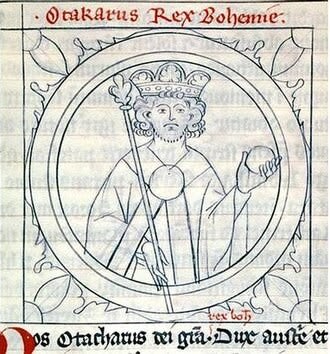
Guardianship of the young prince passed to his uncle, Władysław, Archbishop of Salzburg. Realizing that a harsh life divided between Wrocław and Salzburg would not provide the child with the education appropriate to his rank, Władysław made a decision that would shape Henry’s entire future: he sent his nephew to Prague, to the brilliant court of the Bohemian king Přemysl Ottokar II.

The years Henry spent in Prague transformed him into one of the most cultured rulers of his age. There he absorbed the traditions of Western chivalry, studied the arts, and developed an interest in poetry, which would later secure his place in literary history.
After the death of his uncle, the archbishop, in 1270, Henry returned to his native Wrocław, where his education was completed under Simon Gallicus, a loyal adviser of his father. Despite returning home, his connection with Bohemia remained strong. As early as 1271, the young prince fought alongside Ottokar II in a military campaign against the Hungarian king Stephen V and his Polish allies.

In 1273, Henry Probus formally began his independent rule. He inherited a difficult situation: the once-powerful Lower Silesian principality had been fragmented into smaller duchies such as Legnica, Głogów, and Opole, while Wrocław itself had become only a shadow of its former greatness.
Henry initially pursued a cautious diplomatic policy, seeking to strengthen relations with his relatives, including Przemysł of Greater Poland and Władysław of Opole.
Foreign political crises, however, soon disrupted this cautious course. Henry remained loyal to Přemysl Ottokar II during the Bohemian king’s decisive conflict with Rudolf of Habsburg. This loyalty came at a high price.
In 1275, after the Bohemian king had been placed under the imperial ban, unrest spread through Silesia. Taking advantage of the situation, Henry’s own uncle, Duke Bolesław II the Horned of Legnica, boldly abducted his nephew and imprisoned him.
Henry Probus’s supporters were outraged. Dukes Henry III of Głogów and Przemysł II of Greater Poland marched to his rescue, but on April 24, 1277, they suffered a crushing defeat at the Battle of Stolec at the hands of Bolesław the Horned’s son, Henry V the Fat.
Henry IV regained his freedom only in 1278, after the death of his protector Ottokar II at the Battle on the Marchfeld. The price of his release was enormous. He was forced to surrender the towns of Środa Śląska and Strzegom to his uncle and to pledge Krosno Odrzańskie in order to raise the substantial ransom required for his freedom.
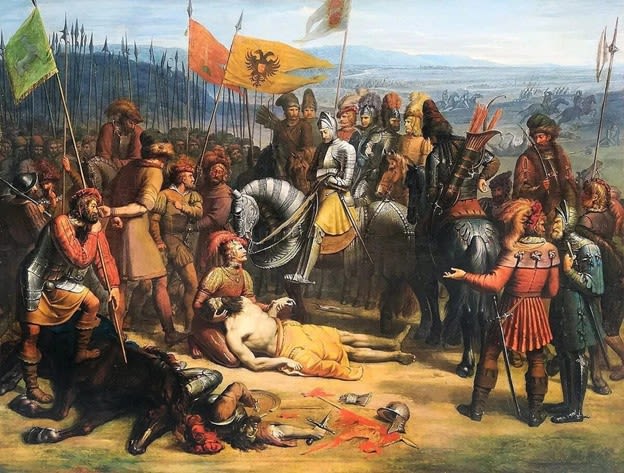
The death of the Bohemian king also created new political opportunities for Henry. Through his grandmother Anna of Legnica, he had dynastic grounds to claim guardianship over the young Wenceslaus II and hoped to strengthen his influence in Prague.
Emperor Rudolf, however, preferred to appoint Otto of Brandenburg as regent. Henry nevertheless managed to secure the County of Kladsko as an imperial fief.
In 1280, Probus traveled to Vienna. His ultimate goal was the Polish crown. Seeking the support of Władysław of Opole, he married Władysław’s daughter Constance, reportedly promising that she would one day become queen.
Relations within the Piast dynasty, however, remained tense. In February 1281, Henry demonstrated the ruthless and calculating side of his politics. He invited several relatives and neighboring princes to a meeting in the village of Sądowel, where he unexpectedly declared them prisoners.
Przemysł II of Greater Poland was forced to surrender the Wieluń region to Henry and acknowledge his supremacy.
Henry’s personal life was equally subordinated to political considerations. In 1287–1288, he secured the dissolution of his marriage to Constance of Opole and sent her back to her family. The decision permanently damaged his relations with his Silesian relatives, many of whom became his determined opponents.
One of the longest conflicts of Henry’s career was his struggle with Thomas II Zaremba, Bishop of Wrocław. The dispute concerned lands and property that the Church had taken into its possession during periods of political disorder.
In March 1284, the conflict reached its climax when the bishop excommunicated Henry and placed his territories under interdict.
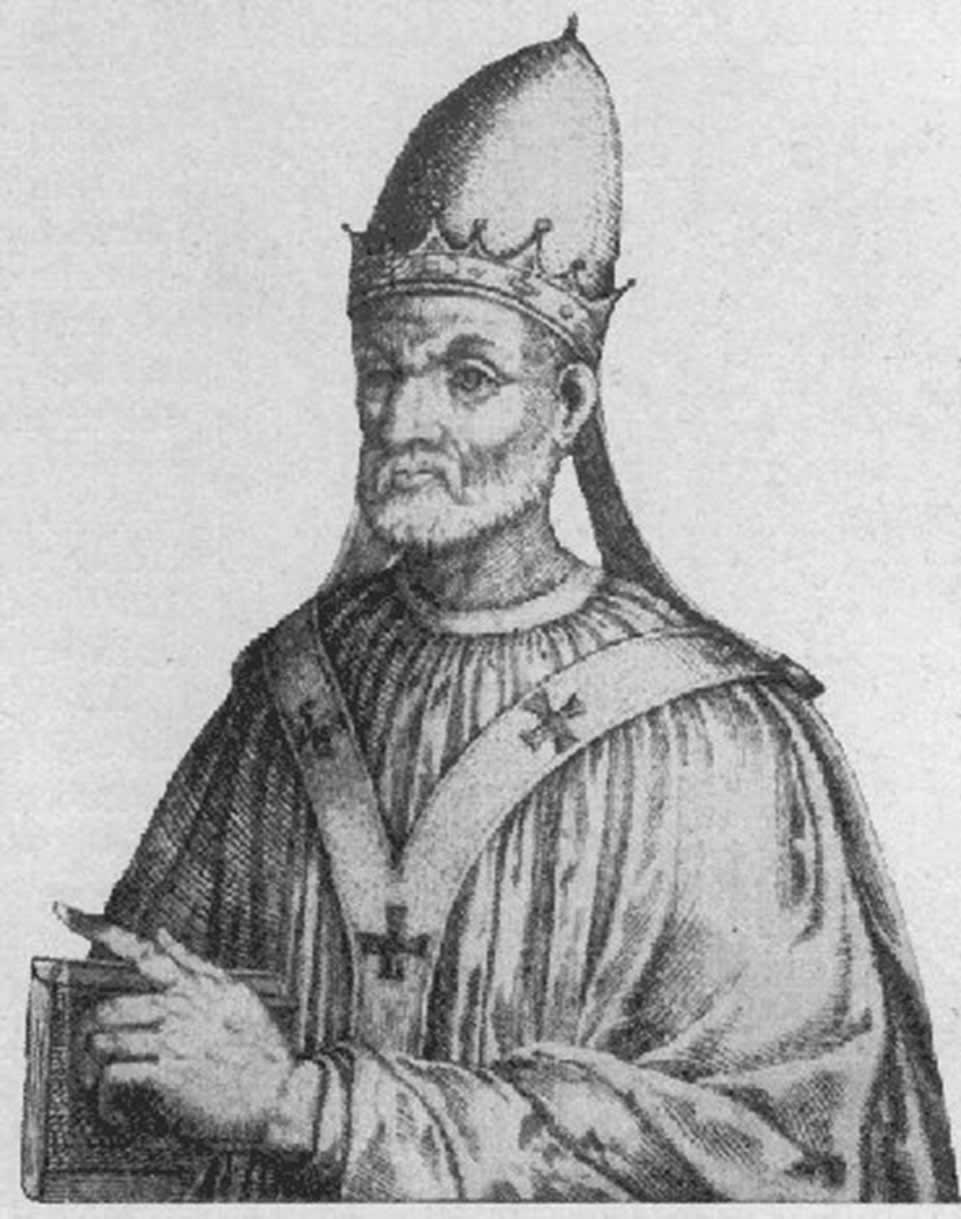
Henry refused to yield. Even after Pope Martin IV declined to support him, the prince relied on the loyalty of the Franciscans who remained on his side.
In 1285, Probus went on the offensive, confiscating lands belonging to the episcopal principality of Nysa and forcing Thomas to flee. The conflict finally ended in 1287, when Henry occupied Racibórz.
At this point, however, the prince demonstrated an unexpected degree of magnanimity. Rather than completely destroy his defeated opponent, Henry restored the bishop’s lands and founded the magnificent Church of the Holy Cross in Wrocław, which still stands in the city today.
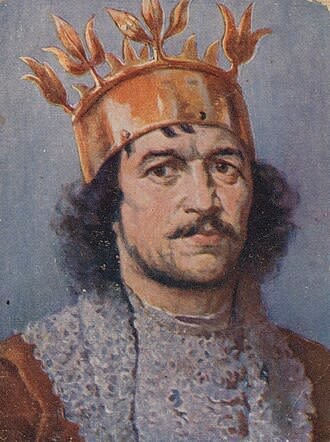
The death of the childless Leszek II the Black on September 30, 1288, opened Henry’s path toward becoming High Duke of Poland. Many rulers laid claim to Kraków, among them Władysław the Short.
On February 26, 1289, Henry’s allies were defeated at the Battle of Siewierz, but this did not stop Probus. In August 1289, he personally marched on Kraków and, with the support of the townspeople, seized the city.
Having become formally the senior ruler of Poland, Henry concentrated on strengthening the economy, supporting urban development, and introducing Western European chivalric customs. His court became a center of culture, while Henry himself entered history as a poet whose works were preserved in the famous Codex Manesse.
Henry’s triumph, however, was short-lived. On June 23, 1290, Henry IV died suddenly at the age of only thirty-two.
Some chronicles, especially the writings of Ottokar of Styria, present a dark story of conspiracy and poisoning. According to these accounts, Henry was given a slow-acting poison. An initial attempt was reportedly detected by his physician, Guncelin, but the conspirators later poisoned the knife Henry used to cut his bread.
The supposed assassins were variously described as men connected with financial corruption surrounding the papal court or as agents bribed by political rivals. Even while dying, Henry was said to have shown mercy by ordering that his killers not be pursued.
Before his death, Henry prepared testamentary arrangements intended to preserve the balance of power: he left Wrocław to Henry of Głogów and Kraków to Przemysł II.
His remains were buried in the Church of the Holy Cross in Wrocław. Centuries later, during the Second World War, his remains were removed for anthropological research and subsequently disappeared without trace.
Today, only his empty sarcophagus in the National Museum in Wrocław and the memory of the “Righteous Prince” remain — a ruler who came remarkably close to reunifying Poland.


