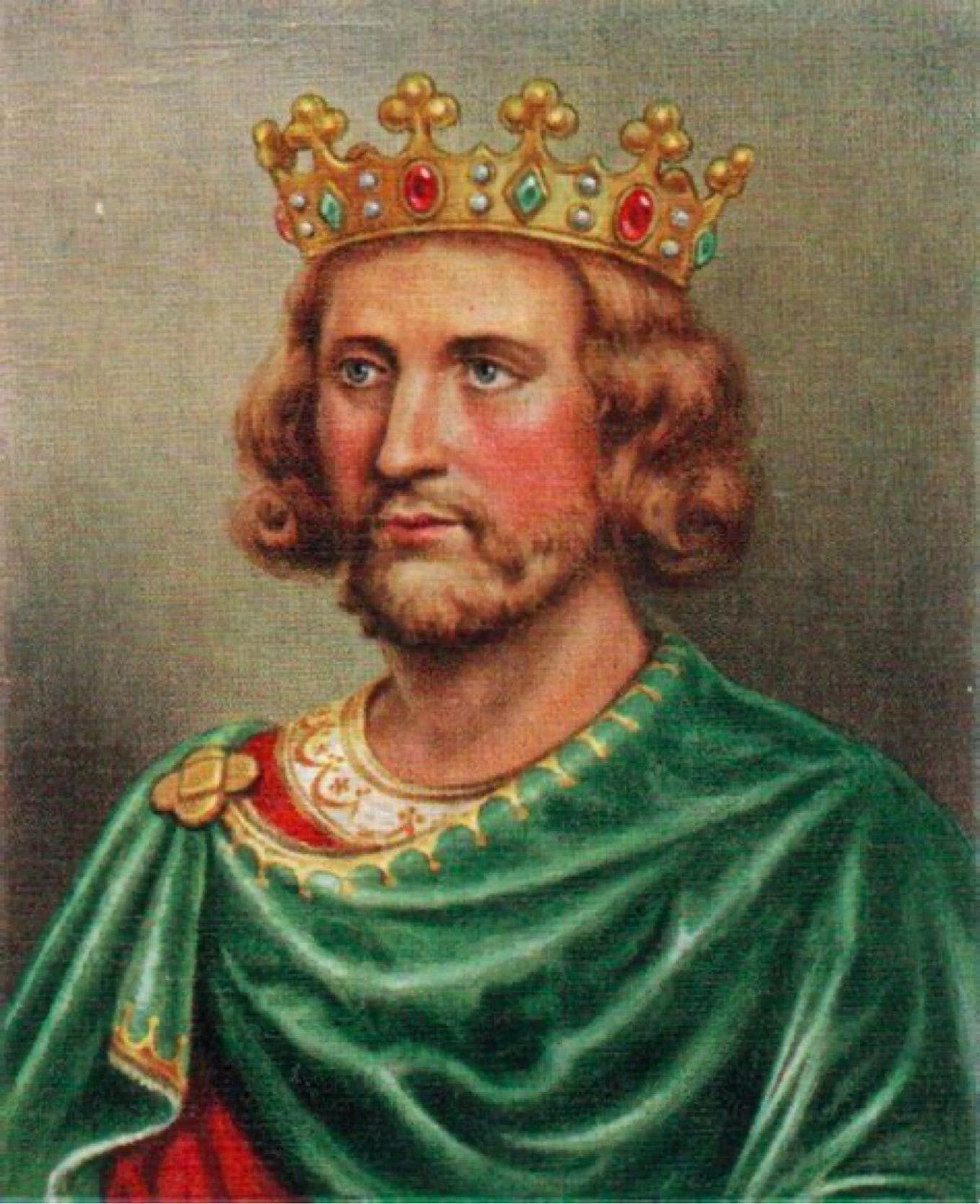
Henry III was born on 1 October 1207 in Winchester Castle. He was the eldest son of King John (Lackland) and Isabella of Angoulême. Little is known about his childhood, but he seems to have been close to his mother. His education was entrusted to Bishop Peter des Roches, under whose guidance he learned horsemanship and the art of war. Contemporaries described Henry as “good-natured, calm, and likable,” marked by sincerity and deep religiosity.
At his father’s death on 19 October 1216, the nine-year-old Henry was under guard in one of the royal castles. The civil war that had broken out under John’s tyrannical rule was still raging, and much of England was occupied by the French prince Louis. To save the kingdom, the royalist leader William Marshal, 1st Earl of Pembroke, hurried to Henry.
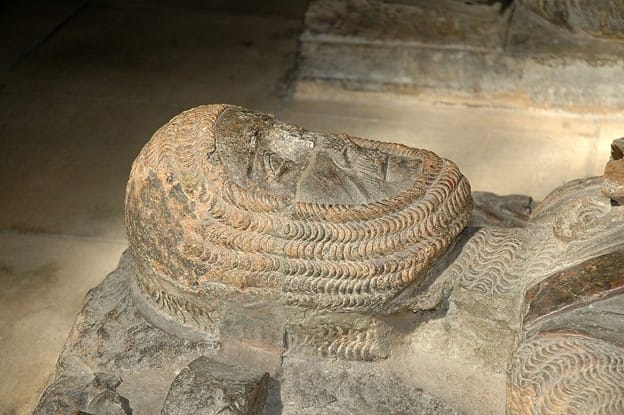
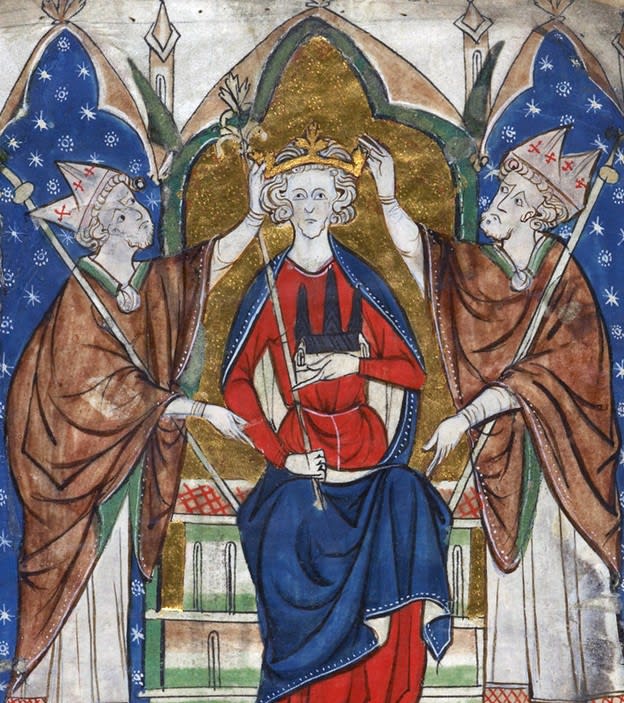
On 28 October 1216, at Gloucester, in the Abbey of St Peter, the boy was hastily crowned. The royal robes had to be cut down to fit him, and a thin gold circlet was used in place of a crown. Henry swore fealty as a vassal to the Roman pope, and the next day William Marshal was chosen as regent, taking the title “guardian of the king and the realm.”
In the first years of his reign, under Marshal’s wise direction, Henry III’s government took decisive steps to end the civil war. A revised Magna Carta was issued—more practical than the first and omitting clauses that curtailed the king’s authority. This version became known as the Magna Carta of 1217.
Fighting resumed in May 1217. William Marshal’s forces won a decisive victory over the French at the Battle of Lincoln, and soon after the royal fleet under Hubert de Burgh destroyed the French fleet at the Battle of Sandwich. These victories forced Louis of France to sign the Treaty of Lambeth and leave England. The civil war was over.
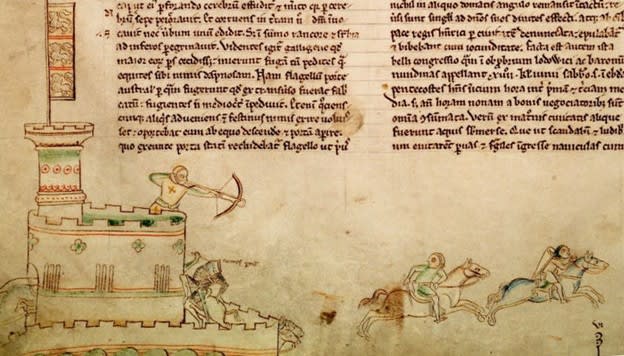
The government then set about restoring royal administration and the judicial system. In 1219 William Marshal died, and effective rule passed to the chief justiciar, Hubert de Burgh. In 1225 the Great Charter was reissued in its final form, and Archbishop Stephen Langton threatened excommunication for anyone who dared violate it.
In 1227 Henry III declared himself of age and fit to rule, dismissing his former guardian Peter des Roches. From that point, financial difficulties mounted, since, as a papal vassal, the king was obliged to pay heavy tribute to Rome. Moreover, the pope bestowed many English church offices on foreigners, provoking baronial resentment.
Tensions with the barons worsened when Henry surrounded himself with foreigners—the so-called Savoyards—from the entourage of his wife, Eleanor of Provence, whom he married in 1236. Anglo-Norman magnates felt the king was neglecting their interests.

The opposition’s leader became Simon de Montfort, 6th Earl of Leicester, who had married the king’s sister Eleanor. The conflict sharpened in 1239 when Henry suddenly quarreled with de Montfort over financial dealings; Simon and his wife were forced to leave England.
The king’s chronic money troubles caused by extravagance and obligations to Rome led to higher taxes and forced levies on the Jews. In 1258 the barons, led by de Montfort, raised an army and compelled the king to accept the Provisions of Oxford, establishing a council of fifteen to oversee the monarch.
Thus began England’s second Barons’ War. De Montfort’s army won a decisive victory over the forces of the king and his son Edward at the Battle of Lewes in 1264; Henry and Edward were taken prisoner. Becoming the realm’s de facto ruler, de Montfort in 1265 summoned a parliament that, in addition to barons and high clergy, for the first-time invited representatives of the towns. This parliament is regarded as the “embryo” of the future House of Commons.
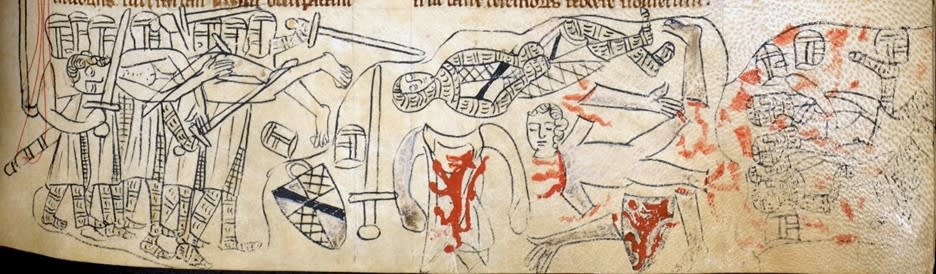
Prince Edward, however, escaped captivity and in 1265 crushed de Montfort’s army at the Battle of Evesham, where Simon was killed. The war dragged on for several more years, but Edward steadily subdued the rebels, and in 1267 the Statute of Marlborough was enacted, confirming rights set out in the Provisions of Oxford.
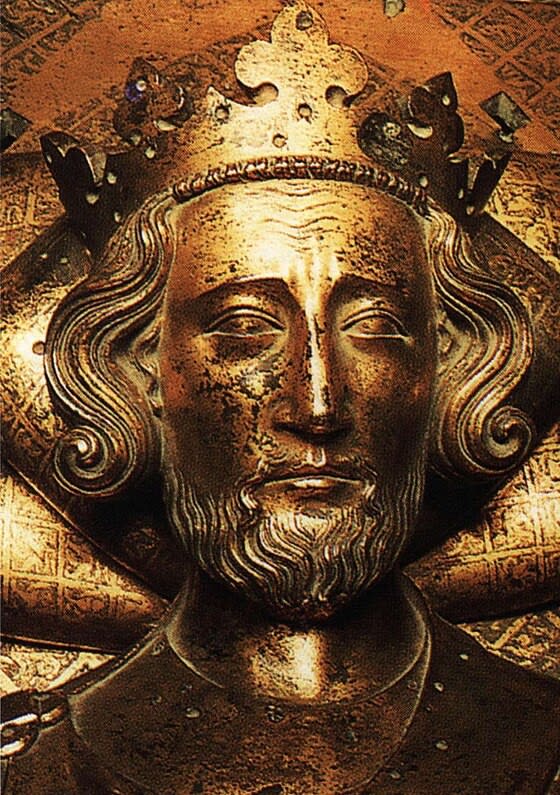
Henry III died on 16 November 1272. His body was temporarily interred at the shrine of Edward the Confessor in Westminster Abbey, which was rebuilt in the Gothic style during his reign. His remains were later transferred to a separate tomb.


