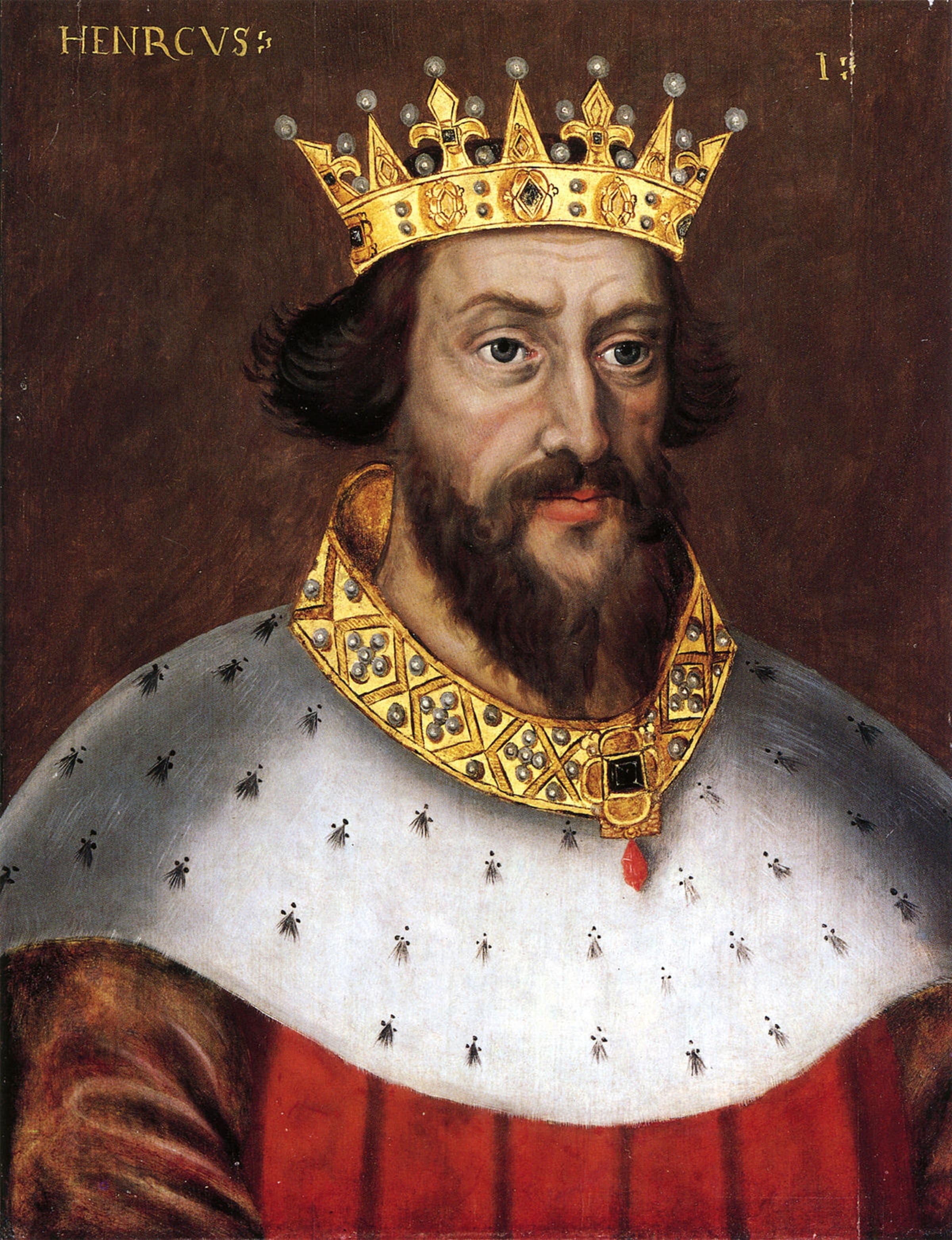
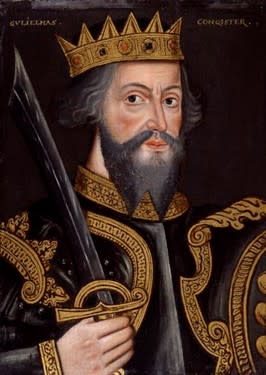
Henry I was the youngest son of William the Conqueror and Matilda of Flanders. He was born in 1068 in England, making him the only son of the great conqueror born on the conquered soil. Named after King Henry I of France, Henry received a more thorough education than his elder brothers, Robert and William. According to William of Malmesbury, Henry once said that “an uneducated king is like a crowned donkey,” underscoring his thirst for learning. He was the first post-Conquest king of England to speak the Anglo-Saxon (Old English) tongue fluently, which later helped him find common ground with the native population.
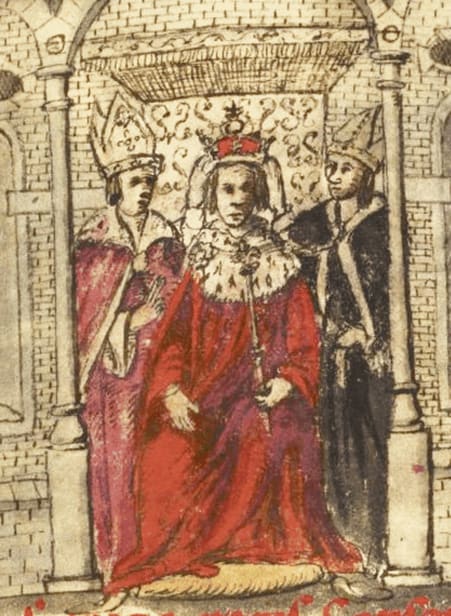
Before his death in 1087, William the Conqueror divided his dominions between his elder sons: Normandy went to Robert Curthose, and England to William Rufus. Henry received only 5,000 pounds of silver. The youngest son, however, put this inheritance to work by purchasing the Cotentin peninsula from his brother Robert. This gave him a crucial lever in the power struggle between his brothers in the 1090s. Henry adroitly shifted alliances now backing Robert, now William until in 1091 they joined forces against him and expelled him from the Cotentin. Forced to spend several years in poverty, Henry eventually reconciled with his brothers and won back part of his lands.
Henry inherited his forebears’ strong will, but he could also be harsh, stingy, and dissolute. Unlike his brothers, however, he possessed his father’s gift for governance. A calculating ruler, he preferred diplomacy to war and sought to resolve conflicts without bloodshed. As William of Malmesbury records, Henry said: “My mother bore me to be a ruler, not a soldier.” He was short, dark-haired, sharp-eyed, eloquent, and fond of jesting.
He had a passion for exotic animals and kept a menagerie at Woodstock. Like his predecessors he loved the hunt, and under him punishments for poaching were tightened, up to and including the death penalty.
Henry’s ascent to the throne was sudden and swift. On 2 August 1100 he was hunting in the New Forest when his brother, King William II, was (perhaps not so) accidentally killed by an arrow. One theory holds this was part of a plot in which Henry himself may have been involved. Be that as it may, he immediately rode to Winchester, seized the royal treasury, and beating his elder brother Robert, then returning from crusade—was crowned in Westminster on 5 August.
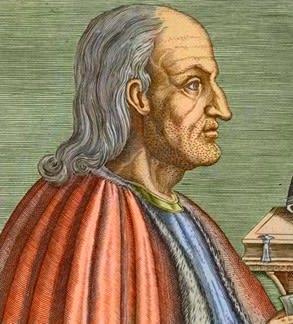
To legitimize his rule, Henry I took a series of decisive steps. He was the first in English history to issue a Charter of Liberties, promising just governance and denouncing his predecessor’s despotism. He recalled Archbishop Anselm from exile and, on 11 November 1100, married Matilda of Scotland, a descendant of the Anglo-Saxon kings, thereby strengthening his dynastic claim.
His chief rival, however, Robert Curthose, would not yield. In 1101 Robert landed at Portsmouth with an army to reclaim the throne. Henry, having secured the support of the clergy and the Anglo-Saxon fyrd, checked his brother’s advance. Peace was concluded at Alton: Robert recognized Henry as king of England in exchange for an annual pension and lands in Normandy.
Once the danger passed, Henry broke the amnesty and began a war for Normandy. He forged alliances with neighboring rulers and, exploiting Robert’s weakness, invaded Normandy in 1104. The struggle culminated at the Battle of Tinchebray on 28 September 1106, where Henry crushed Robert’s forces and took him prisoner. Normandy was conquered, the unity of the Anglo-Norman monarchy restored, and Robert spent the rest of his life in captivity.


Henry I’s reign in England was a period of significant reform. He strengthened central authority by building an efficient administrative apparatus. The royal curia gained a clear structure, and key offices became salaried. He established the Exchequer, the kingdom’s supreme financial bureau. Sheriffs became royal officials, and justice grew more orderly. Henry vigorously promoted urban growth and self-government, granting privileges to London and other towns.

In church relations Henry I clashed with Anselm of Canterbury over lay investiture. The conflict was settled in 1107: Henry relinquished the right to invest bishops with ring and staff but retained the right to demand their homage. The arrangement favored the king, who kept practical control over the Church.
Henry’s foreign policy aimed at holding Normandy and containing its neighbors. He successfully opposed King Louis VI of France, and the counts of Flanders and Anjou, wielding force and diplomacy alike. His marriage to Adeliza of Louvain and his daughter Matilda’s marriage to Emperor Henry V strengthened his continental position.
The great tragedy of Henry’s life was the death of his only legitimate son, William, who drowned in the White Ship disaster on 25 November 1120. The catastrophe imperiled his entire regime. With no surviving male heir, Henry’s chief opponent became William Clito, son of the imprisoned Robert Curthose.
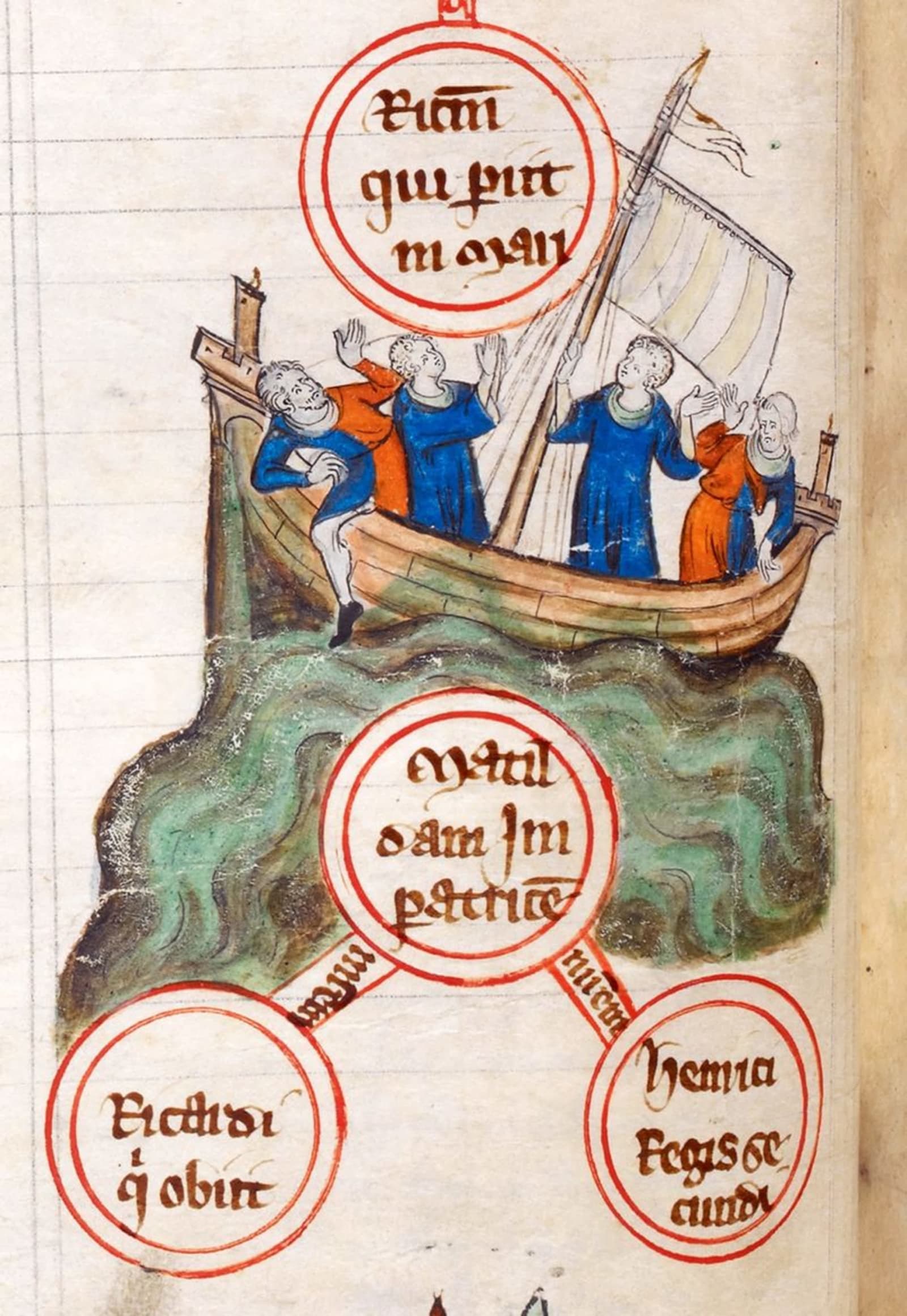

Henry named his daughter Matilda his heir and compelled the barons to swear fealty to her. In 1128 Matilda married Geoffrey of Anjou, intended to bolster the dynasty. Yet the English aristocracy chafed at the prospect of a female ruler and the rise of an Angevin line.
King Henry I died on 1 December 1135 in Normandy, reputedly from eating lampreys. His death plunged the realm into civil war when the barons refused to recognize Matilda and chose Stephen of Blois as king. The conflict known as the Anarchy dragged on for nearly two decades. Only in 1154, with the accession of Matilda’s son Henry II, was peace restored and the Plantagenet dynasty took the throne, ruling England for centuries.


