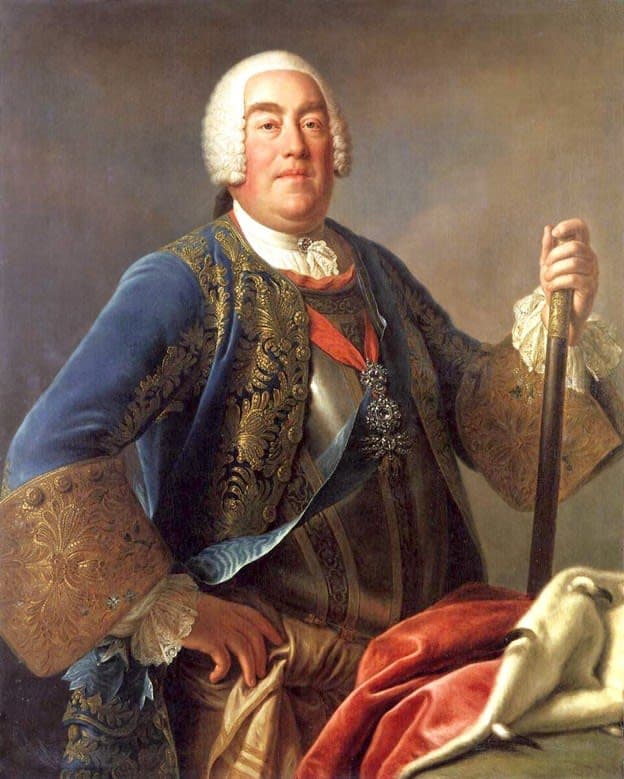
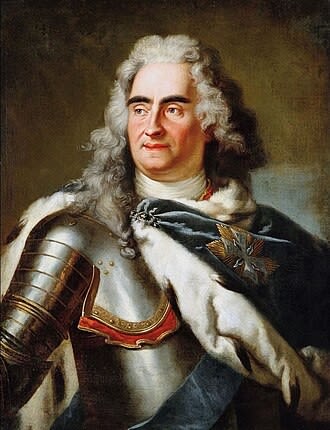
The only legitimate heir of Augustus the Strong, the future king was raised by his mother, Christiane of Brandenburg-Bayreuth, in accordance with strict Protestant traditions. However, his destiny was largely determined by his father's geopolitical ambitions. During his Grand Tour of Europe in 1712, the young prince secretly converted to Catholicism in Bologna. This decision, officially acknowledged only in 1717, was motivated less by religious devotion than by calculations concerning the Polish crown and hopes of securing an advantageous marriage to an Austrian princess.
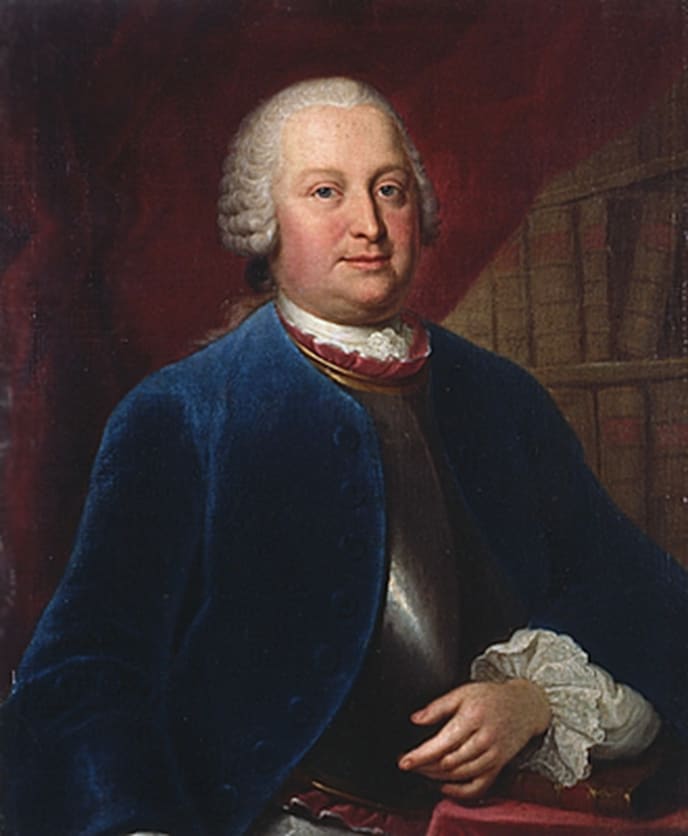
Following his father's death in 1733, Augustus III found himself at the center of the War of the Polish Succession. Despite France's attempts to restore Stanisław Leszczyński to the throne, Augustus was proclaimed king on January 17, 1734, under the protection of Russian troops. Although his supporters among the Polish nobility were in the minority, official recognition at the Sejm of 1736 consolidated his authority.
Augustus III did not inherit his father's boundless energy, but he fully embraced his passion for luxury. He entrusted almost all responsibilities of state administration to his favorite, First Minister Count Brühl, while devoting himself to collecting works of art. It was during his reign that the Dresden Picture Gallery acquired masterpieces of international significance.
The king felt little affection for the Polish-Lithuanian Commonwealth, visiting it only when necessary. His visits to Grodno often turned into extensive hunting expeditions. Historians recall his 1752 hunt in the Białowieża Forest, during which forty-two European bison were killed for the monarch's amusement.
Under Augustus III, the machinery of government was virtually paralyzed. Throughout his entire reign, only one session of the Sejm, held in 1736, concluded successfully. The remaining fourteen were disrupted through the use of the liberum veto. Political life shifted to the provinces, where local assemblies, known as sejmiks, were increasingly corrupted by bribery, while the highest parliamentary court ceased to function.
Moral anarchy took hold of society. Powerful magnates, competing for influence, transformed politics into an auction of vanity, while Orthodox Christianity and Protestantism faced increasing pressure from the strengthening Catholic Church.
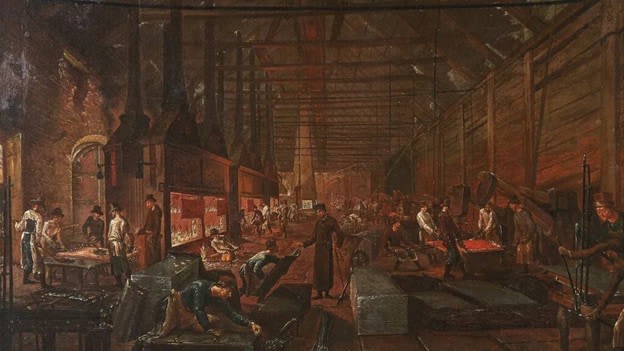
Surprisingly, while the machinery of government stagnated, the economy demonstrated steady growth. Agriculture increasingly adopted a system of monetary rent known as czynsz, the domestic market expanded, and urban populations grew. Thanks to Saxon administrative experience, particularly the economic principles of cameralism, and the arrival of skilled craftsmen from Saxony, trade revived and the first manufacturing enterprises began to emerge.
The year 1740 marked the beginning of the Polish Enlightenment. Stanisław Konarski initiated educational reforms, while the Załuski brothers opened the first public library in Warsaw in 1747.
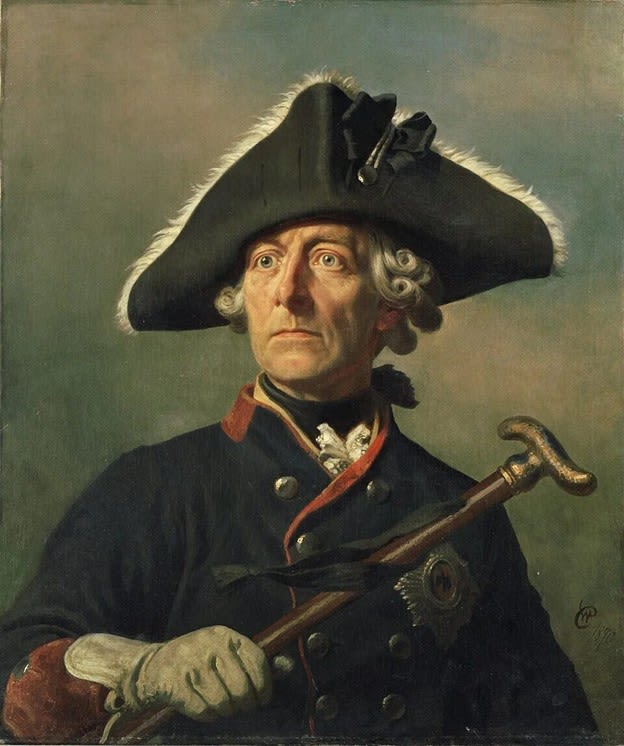
Augustus III's foreign policy was marked by a series of failures. Drawn into wars against Prussia, he twice lost control of his hereditary Saxon lands. The most humiliating episode came during the Seven Years' War, when, in 1756, Frederick II trapped the Saxon army in its camp at Pirna, forcing Augustus to flee first to Königstein Fortress and then to Poland.
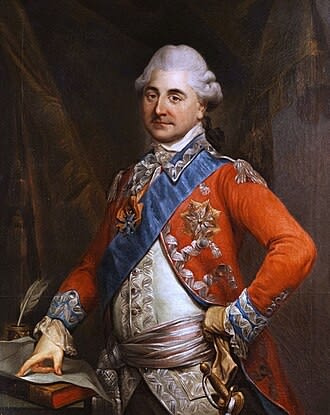
By the end of his reign, the struggle between the powerful magnate factions of the Potocki and Czartoryski families had reached its peak. The Czartoryskis, relying on the support of the new Russian empress, Catherine II, were already preparing to depose the king when news arrived from Dresden of his death on October 5, 1763.
Augustus III was buried in the Hofkirche, leaving Saxony to his son Frederick Christian and the Polish crown to Stanisław Poniatowski. His era remained in historical memory as a period of "Saxon stagnation," beneath the surface of which, however, the forces that would eventually bring about future reforms were slowly taking shape.


