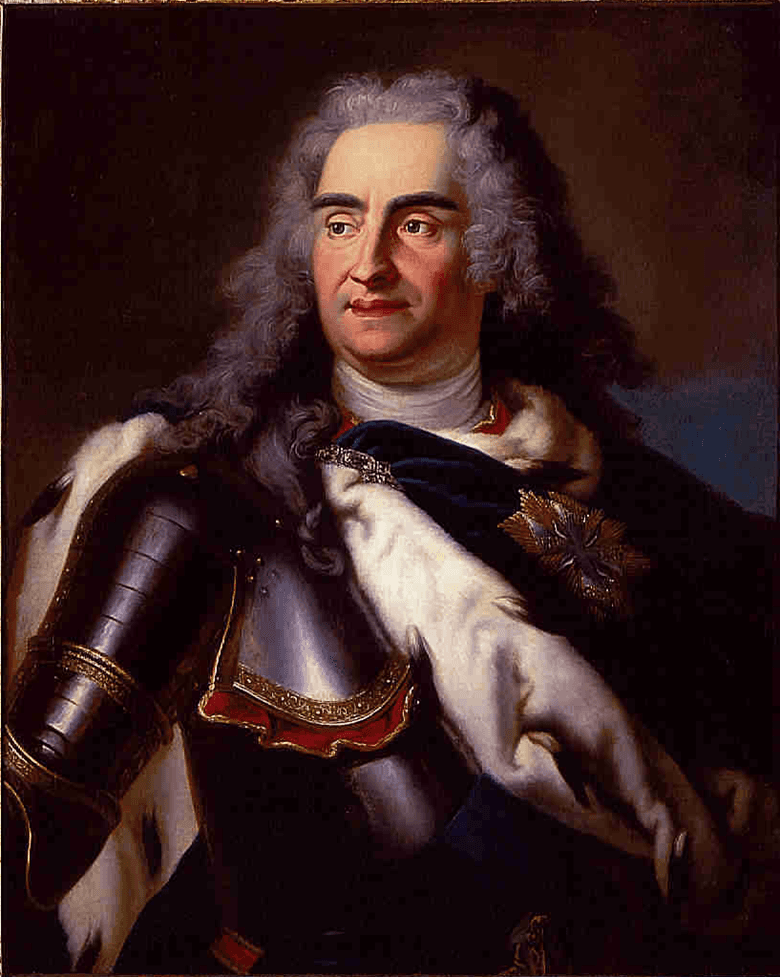
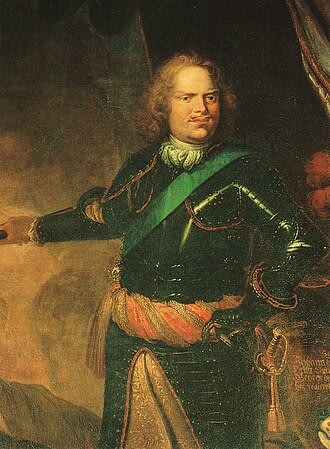
Frederick Augustus was born in Dresden into the family of John George III. As the second son, he was not initially considered the direct heir to the Saxon throne. However, fate intervened: in 1694, his elder brother, John George IV, died of smallpox without leaving a will. Thus, Augustus became Elector of Saxony under the name Frederick Augustus I.
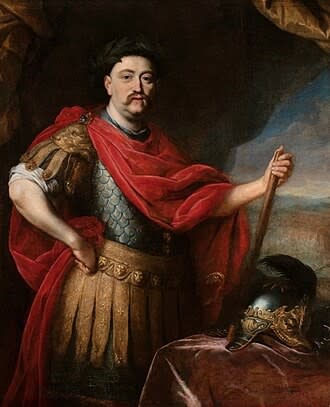
His ambitions soon extended far beyond his hereditary lands. After suffering military setbacks against the Ottomans following the Battle of Olasch in 1696, he became determined to claim the Polish throne, which had been left vacant by the death of John Sobieski. To achieve this goal, Augustus took unprecedented measures: he converted to Catholicism to remove formal obstacles to his candidacy and spent an enormous sum of 10 million guilders bribing Polish magnates. To obtain these funds, he was forced to mortgage and sell portions of his hereditary Saxon estates. Ultimately, on September 15, 1697, his solemn coronation took place in Kraków, marking the beginning of the Saxon dynasty's rule over Poland.
Portrait of King John III Sobieski of Poland. Between 1673 and 1677. National Museum, Warsaw. The artist is unknown; the work was previously attributed to Jerzy Siemiginowski-Eleuter and later to Daniel Schultz. According to research conducted by the staff of the Wilanów Palace Museum, this portrait is considered the most historically accurate among the surviving depictions of John Sobieski.
While Augustus's military and economic achievements remain subjects of debate, his contribution to Saxony's cultural development is undeniable. Driven by an overwhelming passion for art and luxury, he sought to transform Dresden into the "Florence on the Elbe." It was Augustus who effectively founded the famous Dresden Picture Gallery and the Green Vault, a renowned museum of jewelry and precious treasures.
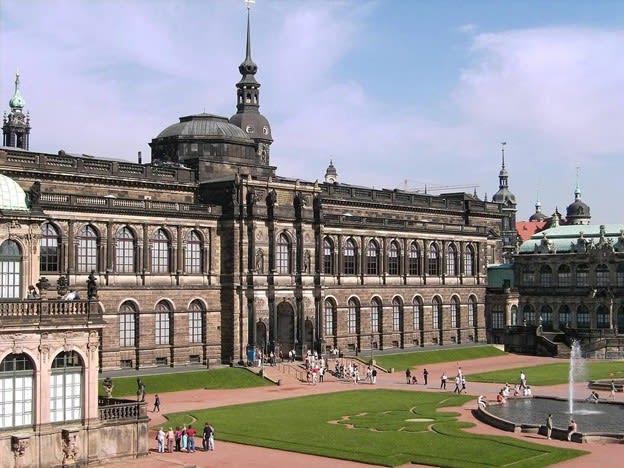
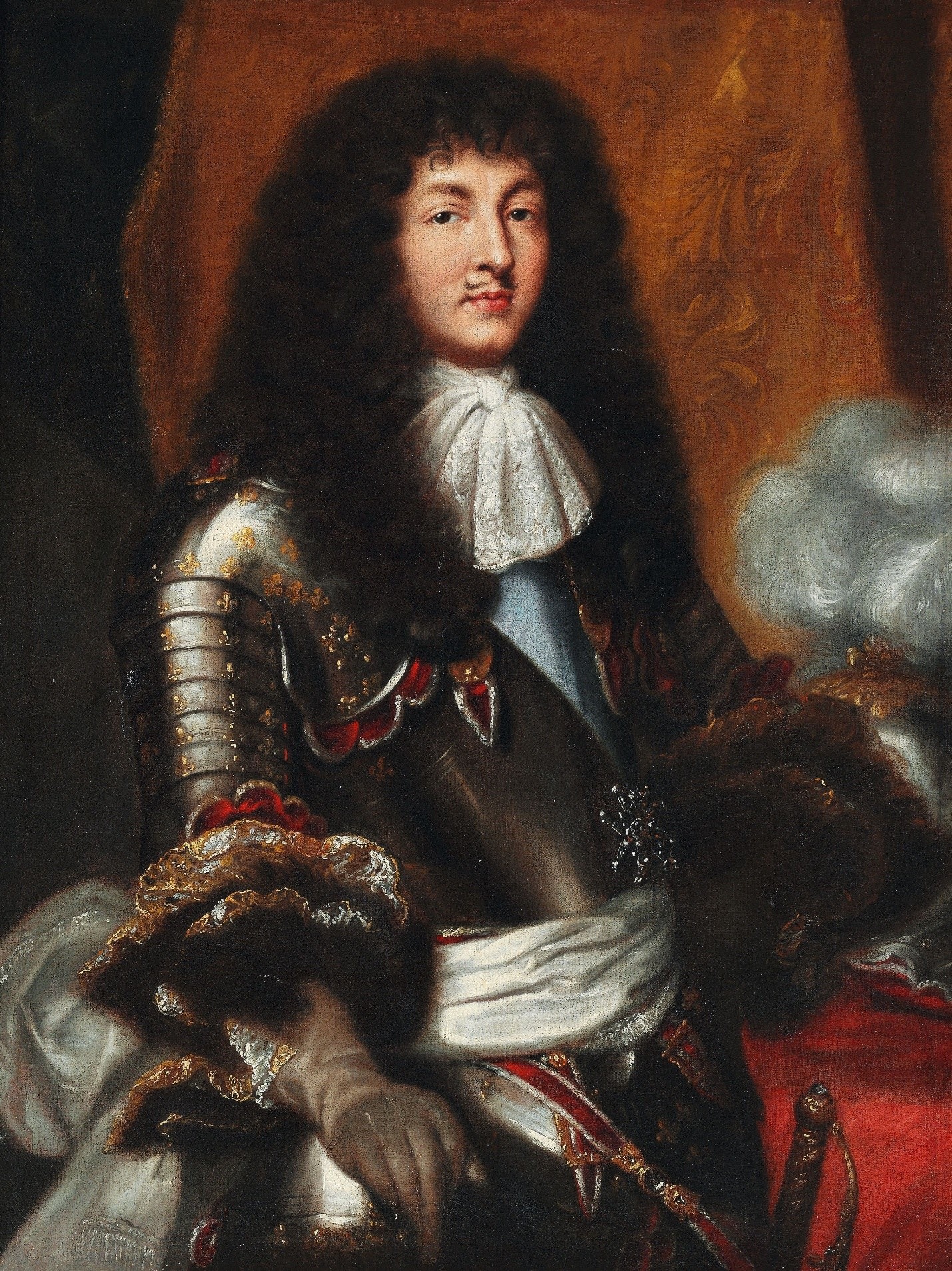
In his pursuit of gold, he attracted alchemists to his court, which led to an unexpected and remarkable discovery: in 1710, under the elector's patronage, Johann Böttger and Ehrenfried Walther von Tschirnhaus developed Europe's first hard-paste porcelain, laying the foundations for the famous Meissen Porcelain Manufactory. However, behind this cultural splendor lay a severely weakened economy. Maintaining a court modeled on that of Louis XIV and pursuing endless foreign-policy adventures left Saxony's treasury virtually empty.
Augustus's policies in the Polish-Lithuanian Commonwealth were characterized by inconsistency and double-dealing. Having entered the Great Northern War as an ally of Peter I, he repeatedly attempted to negotiate secretly with the Swedish king Charles XII behind Russia's back. Following a crushing defeat by the Swedes in 1706, he was forced to sign the Treaty of Altranstädt, abdicate the Polish throne in favor of Stanisław Leszczyński, and break his alliance with Moscow.
Only the Battle of Poltava restored his crown. With the support of Russian military forces, Augustus regained the throne but continued his previous intrigues, forming secret alliances against Peter I. His attempts to strengthen his personal authority and maintain Saxon troops in Poland provoked outrage among the nobility, leading to the formation of the Tarnogród Confederation and, effectively, a civil war. The conflict was "resolved" through Russian mediation at the Silent Sejm of 1717. From that moment onward, Augustus formally remained king, but in practice, he became a vassal of the Russian Empire. All his subsequent attempts to maneuver between the great powers were thwarted either by Russian troops or through financial pressure exerted on the Polish nobility.

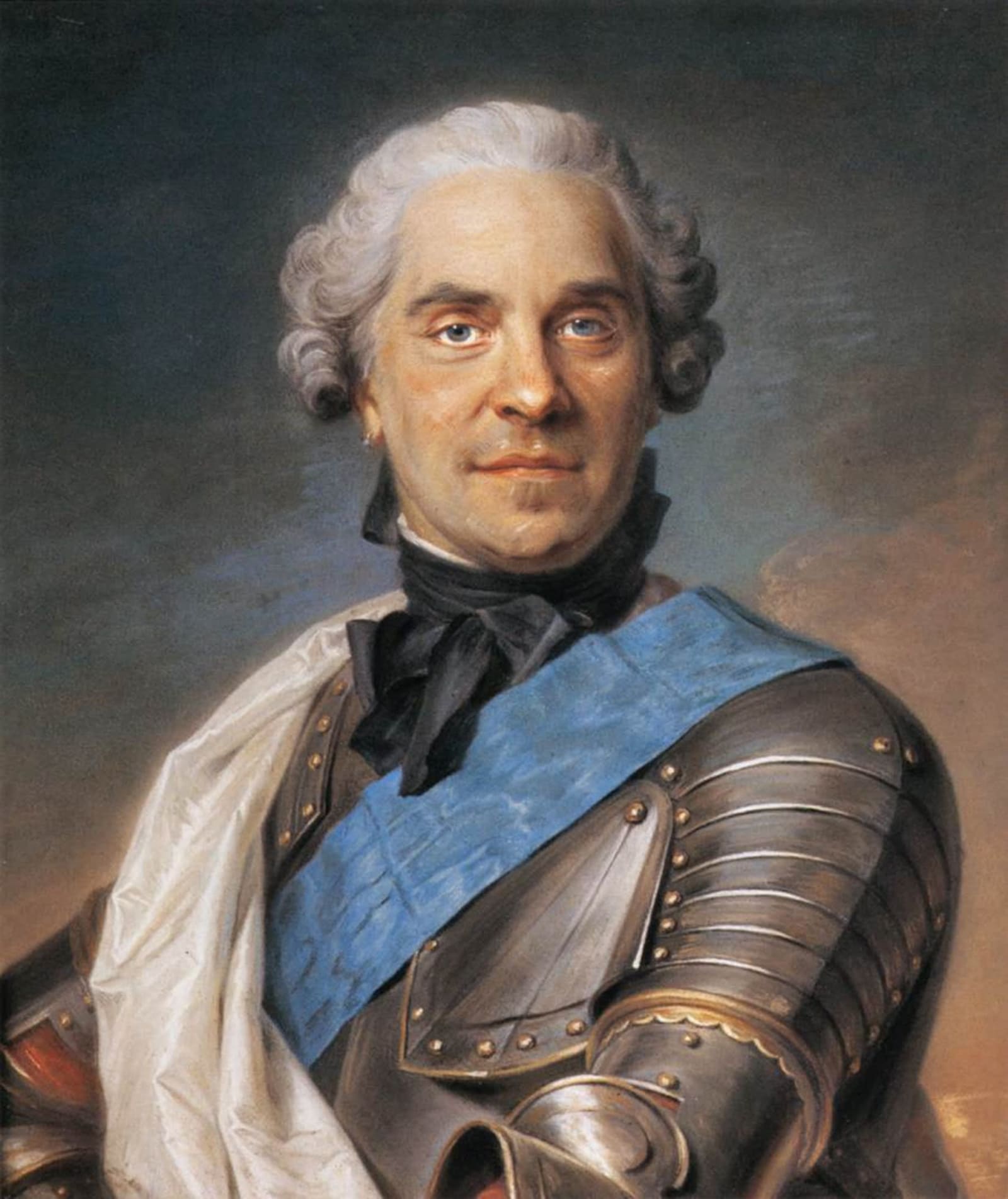
By the end of Augustus II's life, the Polish-Lithuanian Commonwealth had descended into a state of extreme anarchy. The nobility, supported by foreign powers, systematically disrupted sessions of the Sejm (of 18 parliamentary sessions, 13 ended without results). State administration was collapsing: powerful landowners acted with impunity, while religious intolerance toward non-Catholics further deepened internal divisions.
Even in his personal affairs, the king was pursued by failure. His attempt to secure the throne of Courland for his illegitimate son Maurice was blocked by Russia. The monarch's life, filled with an endless pursuit of pleasure, illegitimate children, and political betrayals, came to an end on February 1, 1733, in Warsaw. His final words — "My whole life has been one continuous sin" — became a bitter acknowledgment of the collapse of his personal and political ambitions.
Augustus II left behind a magnificent Dresden but also a weakened and defenseless Polish-Lithuanian Commonwealth, which had definitively transformed from a great power into an object of territorial ambitions and partition among its more powerful neighbors.


