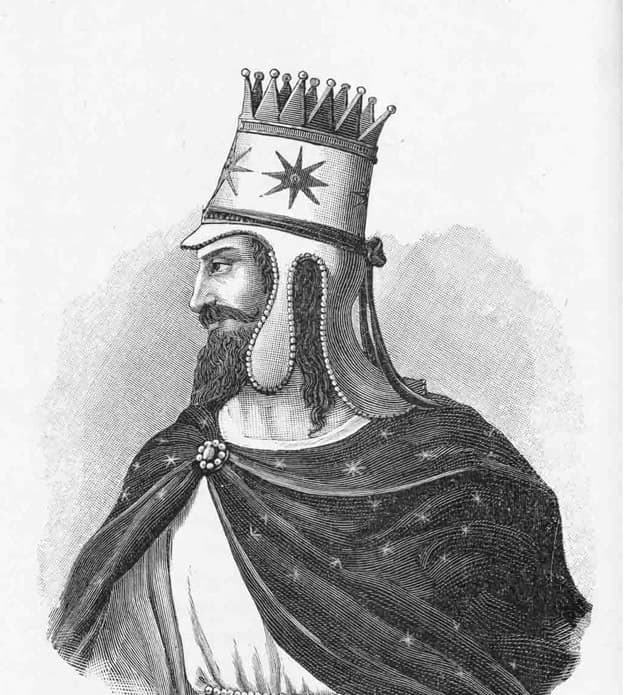
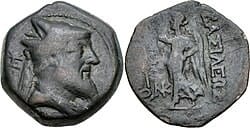
The figure of Artaxias I (Classical Armenian: Արտաշէս, Artashes) is surrounded by profound etymological and ideological significance. His name itself was borrowed during the late Achaemenid period from the Old Persian Artaxšaçā, which literally translates as "he whose rule is through truth (asha)." This places the Armenian monarch alongside the great Persian kings known as Artaxerxes, emphasizing the legitimacy of his authority through divine order. In Aramaic inscriptions, which were used as the official language of the royal administration, Artaxias adopted the epithet "Good" or "Pious" (corresponding to the Greek Eusebes).
The question of his origins was closely connected to the struggle for legitimacy. Although Artaxias founded a new dynasty — the Artaxiad dynasty — he consistently claimed descent from the ancient Orontid dynasty (Yervanduni) in his inscriptions. The historian Movses Khorenatsi associated him with the Zarehavanids (a branch of the Orontids), a connection also supported by the king's own inscriptions. This genealogical continuity was essential for uniting the fragmented Armenian territories under a single scepter.
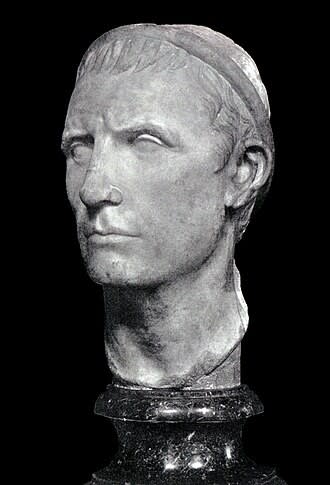
The year 190 BC marked a turning point in the history of the region. Until that time, Armenian territories had been under the authority of the Seleucid ruler Antiochus III the Great, who had appointed Artaxias as satrap of Greater Armenia. However, following Antiochus's crushing defeat by the Romans at the Battle of Magnesia, Artaxias, like his counterpart Zariadres (Zareh) in Sophene, immediately declared independence.
This was not merely a political maneuver — the establishment of an independent Armenian state was supported by a powerful anti-Hellenistic reaction among the local population. Artaxias I began rapidly expanding his kingdom's borders, bringing the entire Armenian Highlands under his control. According to Strabo, Armenia expanded at the expense of the territories of the Medes, Iberians, Chalybes, and Syrians, transforming itself into a leading power in Asia Minor and Transcaucasia.
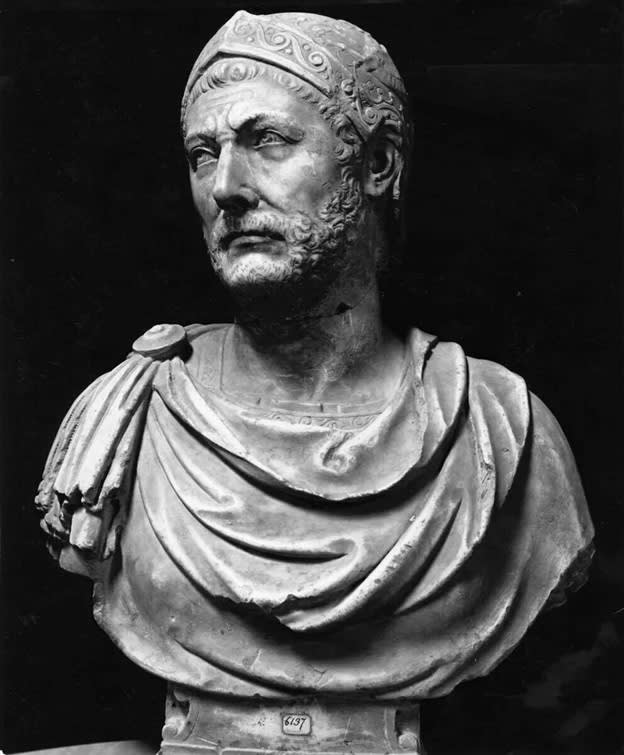
One of the most remarkable chapters of Artaxias's reign was his cooperation with the great Carthaginian commander Hannibal. Following his defeat at the Battle of Zama and years of wandering among the courts of Eastern rulers, Hannibal arrived in Armenia. According to tradition, it was Hannibal who identified a picturesque and strategically important location in the Ararat Valley, on the left bank of the Araxes River.
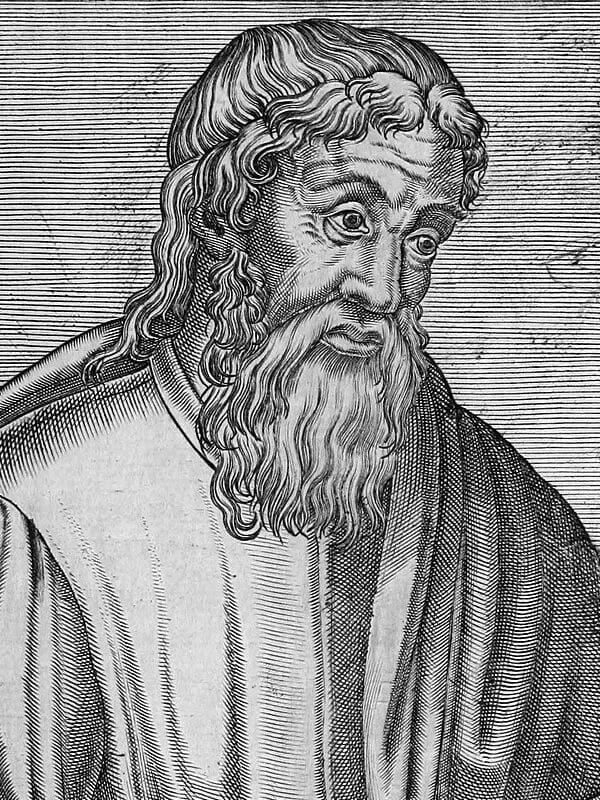
Between 190 and 170 BC (probably before 186 BC), a new capital — Artashat (Artaxata) — was constructed under Hannibal's supervision. The city, nicknamed the "Armenian Carthage," was situated on a peninsula-like projection of land protected by the river, moats, and wooden palisades. The capital was transferred there from Armavir, along with statues of the gods, including an image of Tir, the god of wisdom and writing. Hannibal not only provided engineering advice but also advised the king on matters concerning resistance to Rome, until he eventually entered the service of Prusias, king of Bithynia.
Artaxias I understood that military victories were temporary without internal stability. He carried out a major land reform aimed at establishing clear boundaries between royal, communal, and private lands. Evidence of this reform can be found in boundary stones (stelae) bearing Aramaic inscriptions, discovered in Syunik and other regions. These boundary markers prevented territorial disputes and strengthened central authority, creating a stable economic foundation for the kingdom.
The success of his expansion was so remarkable that Strabo noted with astonishment that, by the end of Artaxias's reign, all the inhabitants of Armenia spoke a single language. This demonstrates the profound cultural and ethnic consolidation of the Armenian people under the Artaxiad dynasty.
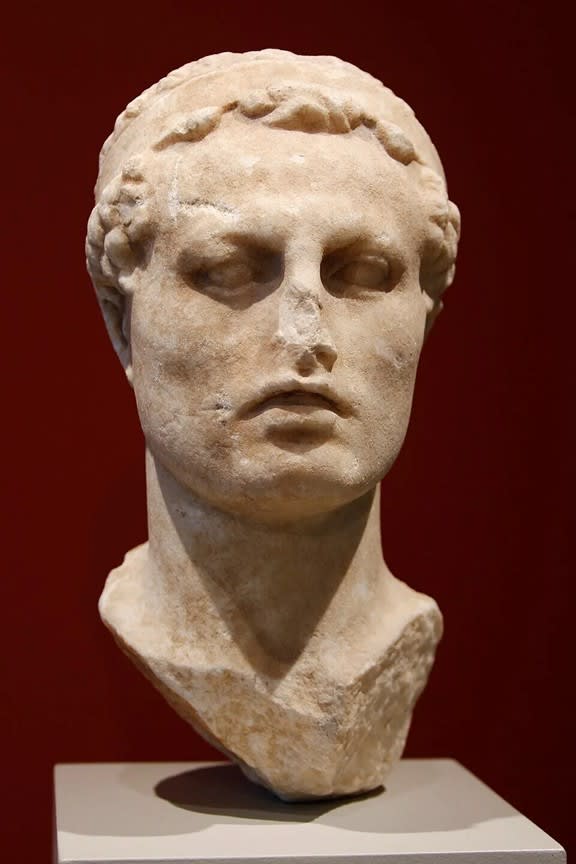
Artaxias's foreign policy extended in all four directions:
• To the north: He seized the regions of Gugark, Klarj, and Parkhar from the Caucasian Iberians.
• To the east: He conquered Caspiane and the territories of Syunik (Phaunitis).
• To the west: In 179 BC, he acted as an arbitrator in a war between the states of Asia Minor, supporting Pergamon against the Seleucids.
• To the south: In 168 BC, Artaxias invaded Tmorik, taking advantage of the absence of Antiochus IV.
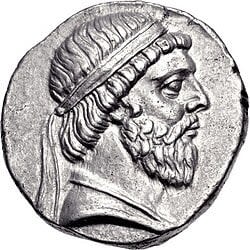
In 165 BC, Antiochus IV launched a retaliatory campaign. The battle on the banks of the Tigris had a disputed outcome: according to some accounts, the Armenian king was captured, while others suggest that he retained his throne but was forced to acknowledge nominal dependence on the Seleucids. Nevertheless, Artaxias continued his policy of weakening the Seleucid Empire until the end of his life, supporting rebellions by its satraps. Toward the end of his reign, he also faced a new threat — the Parthian Arsacid dynasty under Mithridates I.
Portrait of Mithridates I on the obverse of a tetradrachm, depicting him with a beard and a Hellenistic royal diadem on his head
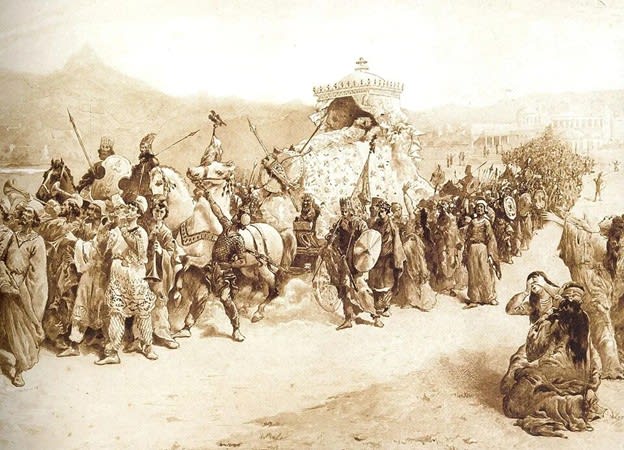
After ruling for 29 years, Artaxias I died, leaving behind not merely an expanded territory but a powerful state with a new capital, a common language, and a strong internal administration. His final words — "Alas, everything in this world is transient" — became a bitter reflection on the life of a man who had dedicated himself to creating everlasting greatness.
His descendants continued his work, and although his death was followed by an era of difficult wars against Parthia, it was the foundation he had established that enabled his grandson, Tigranes II the Great, to adopt the title "King of Kings" decades later and transform Armenia into one of the largest empires of its time. Artaxias I the Good is rightfully regarded as the founding father of Armenian statehood in its classical form.


