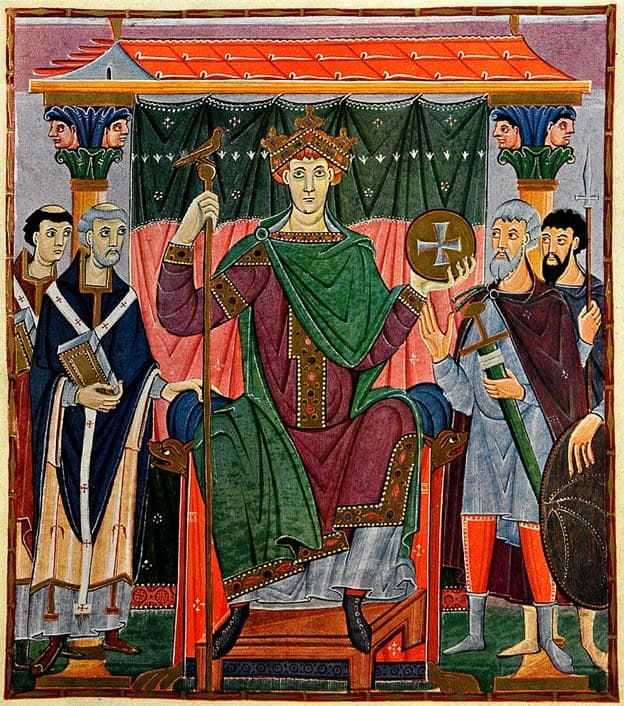
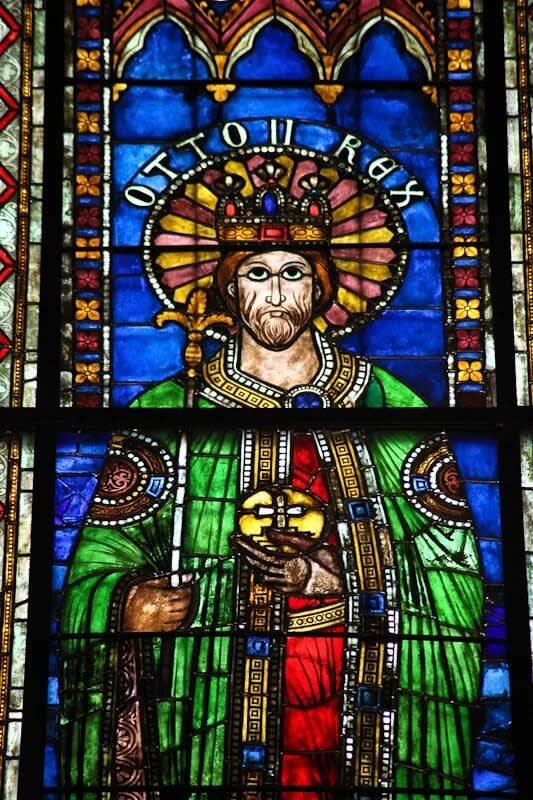
His story began amid a profound crisis. When Otto II suddenly died in Rome on 7 December 983, his heir was only three years old. While the borders of the empire were being shaken by Slavic and Danish uprisings, the fate of the crown hung by a thread. Nevertheless, thanks to the decisive support of the German clergy, who remained loyal to the throne, the child was able to inherit his father’s authority.
The upbringing of the young monarch became a unique fusion of two worlds. Until her death in 991, his mother, the Byzantine princess Theophanu, served as regent. She brought the refinement of the eastern imperial court into the austere Saxon environment and instilled in her son a love of classical culture.
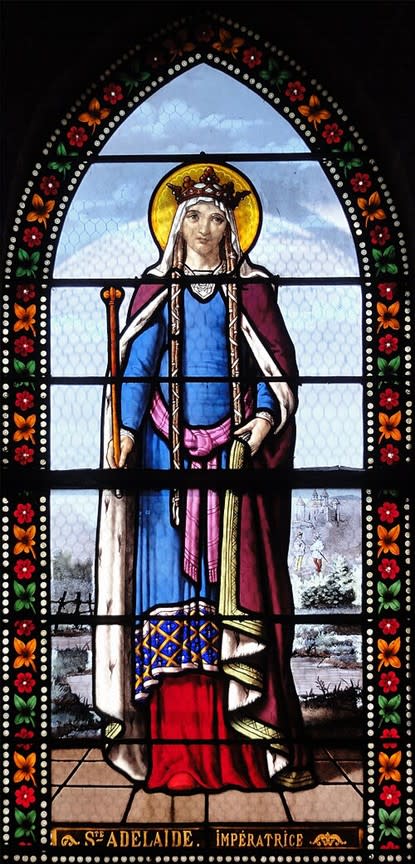
After her death, the reins of government passed to his grandmother, Empress Adelaide. Under the guidance of these two remarkable women and the finest teachers of his time, Otto III received an exceptional education by contemporary standards, earning him the later nickname “Wonder of the World” (Mirabilia Mundi).
Yet his intellectual brilliance coexisted with a deep, almost painful religiosity. At times, the young ruler descended into intense asceticism: he mortified his body, undertook long penitential pilgrimages to abbeys, and spent hours in prayer, torn between the responsibilities of a ruler of the world and the humility of a monk.
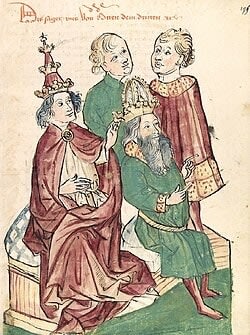
In 996, the sixteen-year-old Otto III arrived in Italy at the head of an army. His objective was not merely to suppress rebellious Roman aristocrats, but to completely reorganize the Christian world.
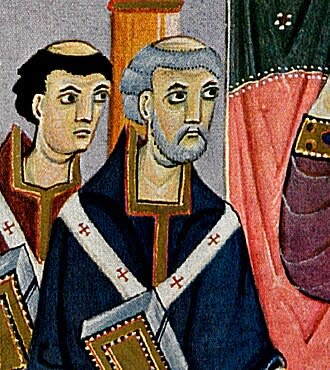
His first step was to restore control over Rome. He then made an unprecedented decision by placing his cousin Bruno of Carinthia on the papal throne under the name Gregory V. Gregory became the first pope of German origin in the history of the Roman Church.
Only a few days later, on 21 May 996, Gregory V placed the imperial crown upon Otto’s head.
From that moment onward, Rome became more than simply a city to Otto; it became the center of his universe. He dreamed of the concept of Renovatio Imperii Romanorum — the “Renewal of the Roman Empire” — restoring the Roman Empire to its former greatness, but on new Christian foundations.
Unlike his father and grandfather, Otto did not wish to remain a wandering king of Germany. He constructed a magnificent palace on the Palatine Hill, while members of his court received impressive Byzantine and ancient Roman titles.
When Gregory V died in 999, Otto appointed his mentor and intellectual ally, Gerbert of Aurillac, as pope. Gerbert took the name Sylvester II. This partnership between a philosopher-emperor and a scholar-pope was intended to lead the Christian world into a new golden age under the influence of the Cluniac Reform.
However, Otto III’s idealism collided with a harsh political reality. He was neither understood nor particularly loved in Germany, where the nobility resented his prolonged absences and his fascination with what they regarded as “Greek and Roman amusements,” nor in Italy itself.
To the Romans, he remained a foreign German ruler imposing unfamiliar customs upon them. In 1001, resentment finally erupted into a violent rebellion in Rome. The imperial palace was besieged by an enraged crowd, and Otto, who only recently had considered himself the heir of the Caesars, was forced to flee the city under cover of darkness.
The final year of his life was spent in unsuccessful attempts to gather forces and restore his authority over the capital. His dreams of universal rule were collapsing before his eyes.
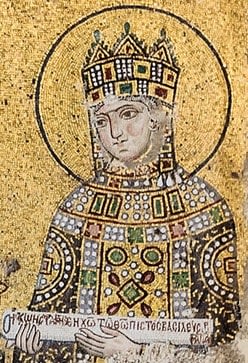
During this period of political despair, however, a glimmer of hope appeared in the possibility of strengthening an alliance with the East. Otto became betrothed to Zoe, the daughter of the Byzantine emperor Constantine VIII. The Byzantine princess even sailed toward Italy for the marriage ceremony, a union that might have transformed the political map of Europe.
But fate intervened. Zoe failed to reach the Italian shores before her intended bridegroom’s life came to an end.
Otto III died at Paterno Castle, near Viterbo, on 23 or 24 January 1002. He was only twenty-one years old.
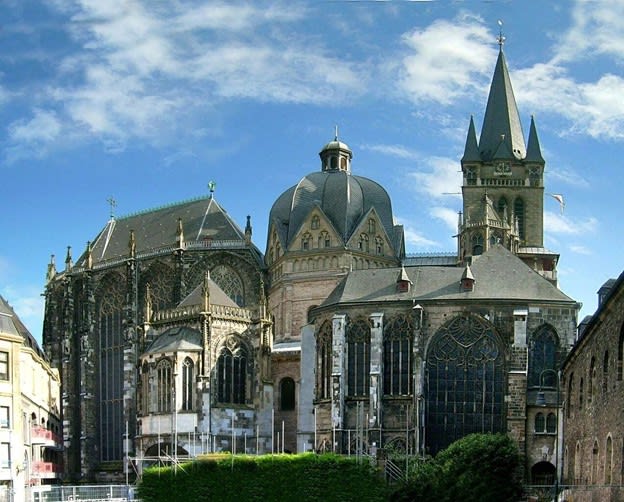
With Otto III’s death, the male line of the Saxon dynasty came to an end. According to his wishes, his body was transported back to Germany and buried in Aachen Cathedral, near the tomb of Charlemagne, whom he deeply admired.
His short but remarkable reign remained in history as an attempt to unite Europe not only through military power, but also through an ambitious ideal of divine political order — an ideal that ultimately proved too fragile for the harsh realities of the eleventh century.